





Fuel Tanker Trailer Manufacturer: Types, Capacity, Price, Safety & Buying Guide
Choosing the right fuel tanker trailer requires more than comparing tank capacity or purchase price. Buyers need to consider the type of fuel being transported, tank material, capacity, compartment configuration, dimensions, axle system, safety equipment, maintenance requirements, and local transportation regulations. As a fuel tanker trailer manufacturer, Jiyake provides fuel transportation solutions for different capacities, applications, and operating conditions. This guide explains the key factors buyers should consider before purchasing a fuel tanker trailer.
What Is a Fuel Tanker Trailer?
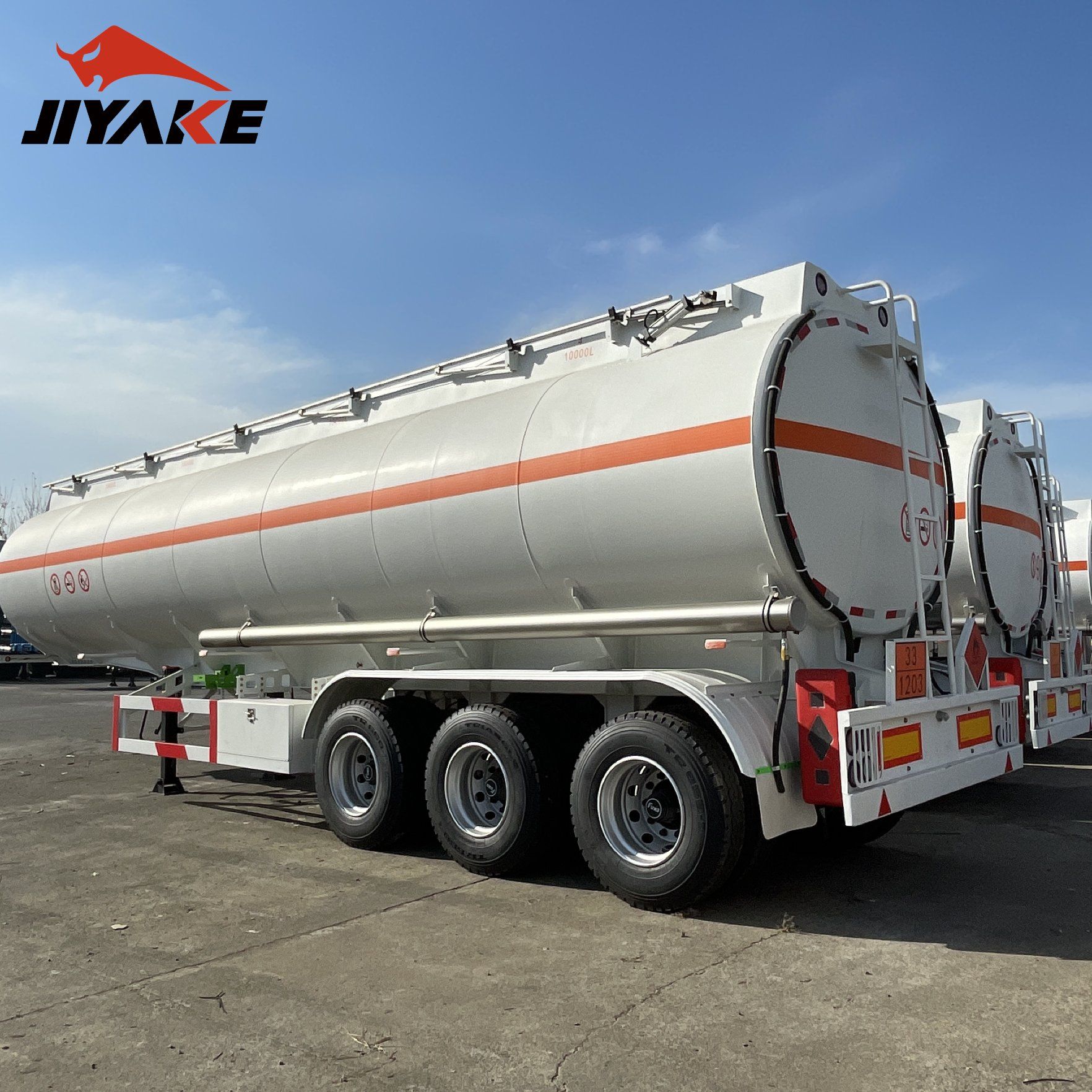
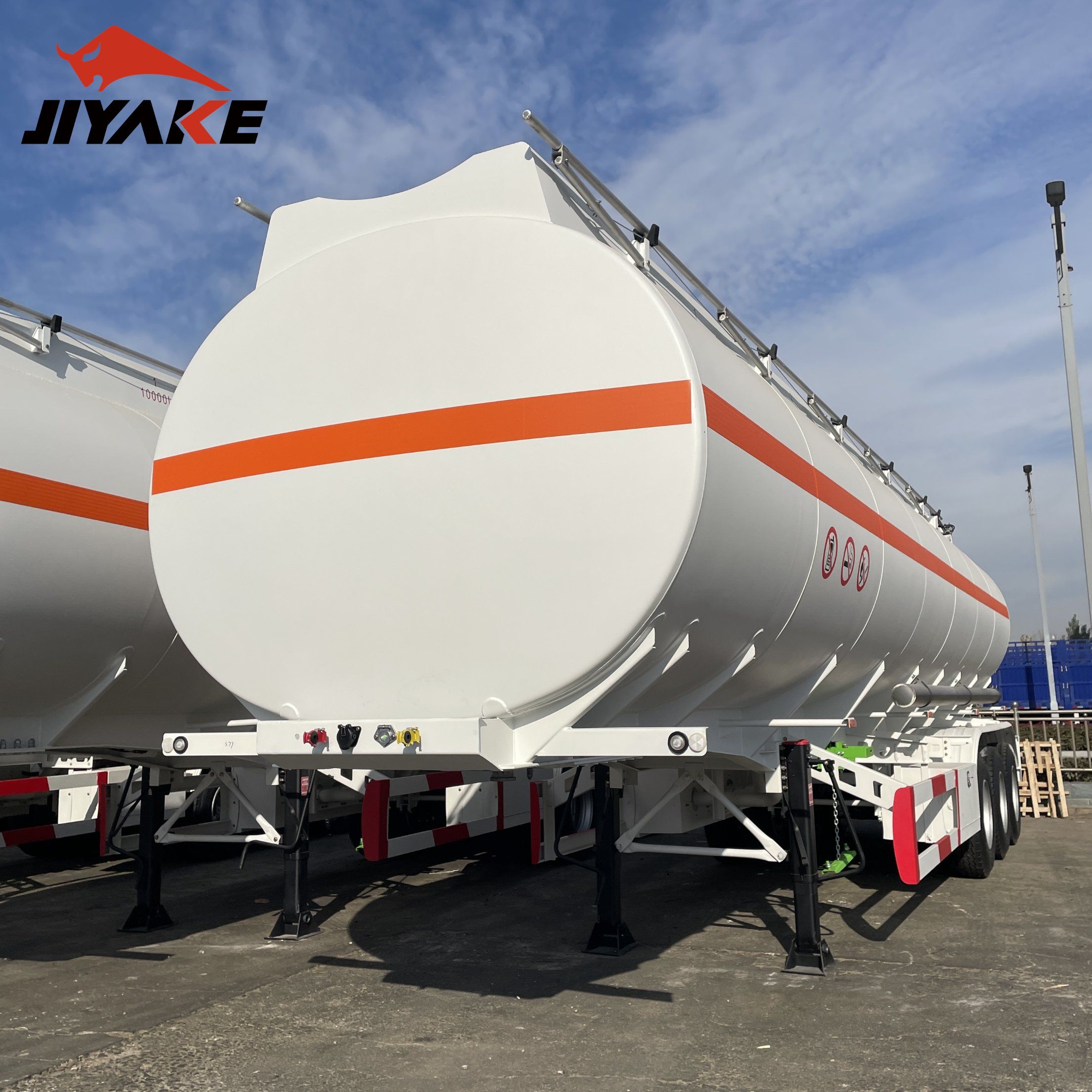
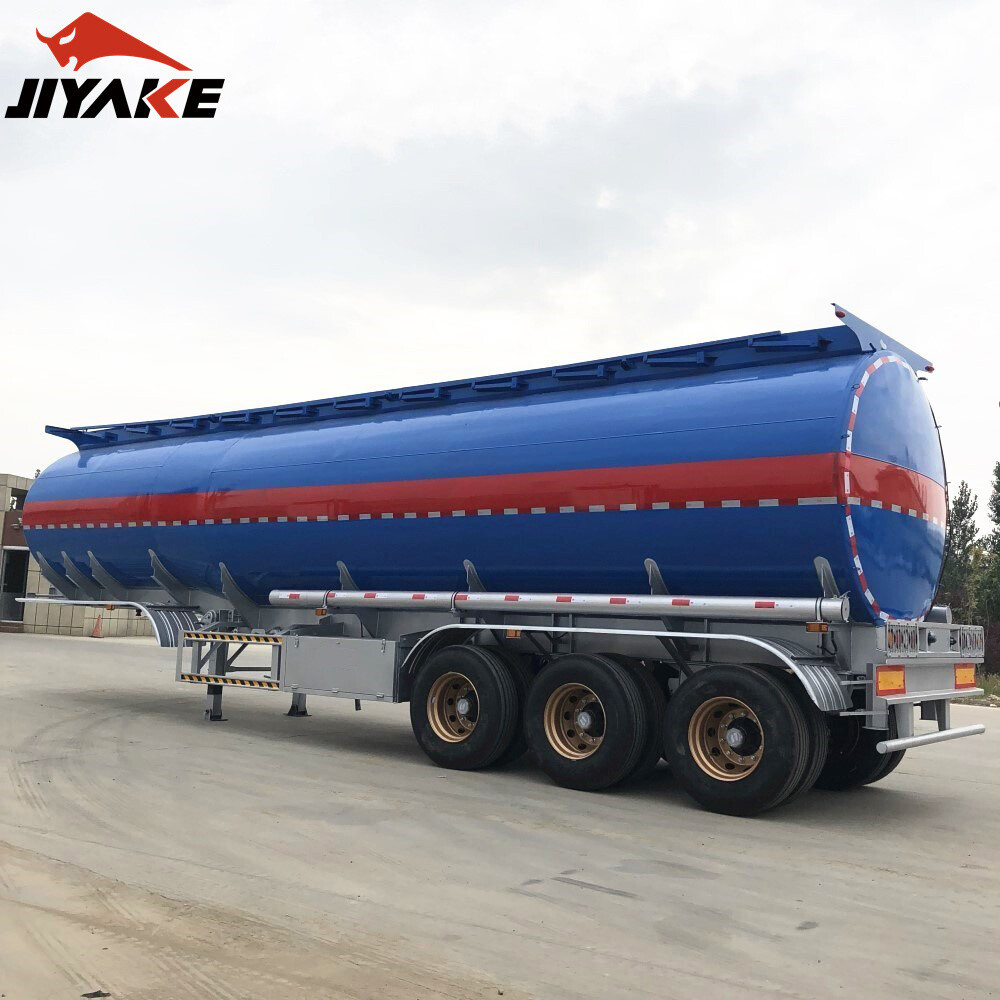
A fuel tanker trailer is a semi-trailer equipped with a tank designed to transport liquid fuels such as diesel and gasoline. It is normally connected to a tractor truck and used for fuel distribution between refineries, fuel terminals, storage facilities, gas stations, construction sites, mining operations, and other commercial locations.
A fuel tanker trailer typically consists of a tank body, chassis, axles, suspension, braking system, piping, valves, manholes, discharge outlets, and other safety components. Depending on the application, buyers can select different capacities, materials, compartment configurations, and loading or unloading systems.
For commercial buyers, the right trailer should balance payload, fuel compatibility, safety, operating efficiency, maintenance, and total cost of ownership rather than focusing on capacity alone.
Fuel Tanker Trailer Types and Configurations
Fuel tanker trailers can be customized according to the type of fuel, required capacity, road conditions, and transportation distance.
Common configurations include:
Single-compartment fuel tanker trailers
Multi-compartment fuel tanker trailers
Steel fuel tanker trailers
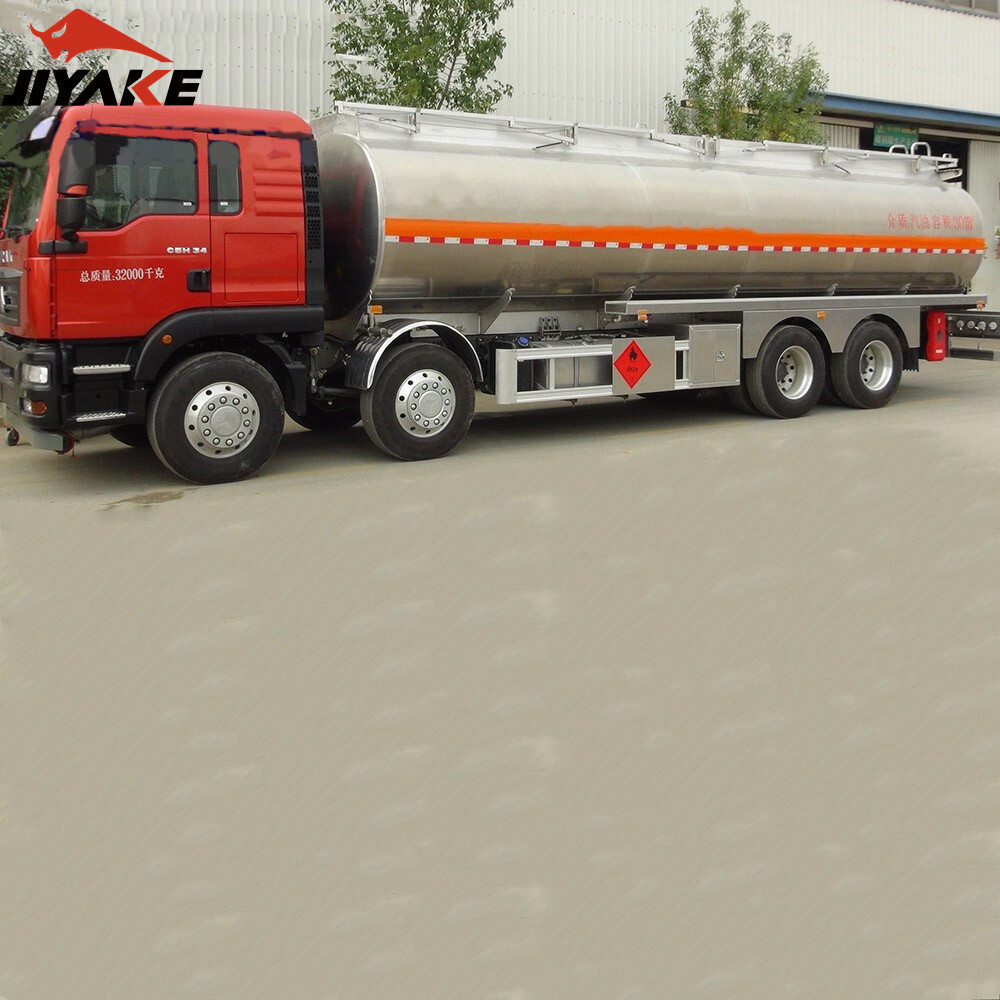
Aluminum fuel tanker trailers
30m³ fuel tanker trailers
40m³ fuel tanker trailers
45m³ fuel tanker trailers
40ft fuel tanker trailers
Diesel fuel tanker trailers
Gasoline fuel tanker trailers
The best configuration depends on how the trailer will be used. For example, a distributor transporting several grades of fuel may need multiple compartments, while a buyer transporting one fuel product may prefer a larger single-compartment tank.
Fuel Tanker Trailer Price Guide
The Fuel Tanker Trailer Price Guide is an important starting point for buyers preparing a purchasing budget. However, there is no single price for every fuel tanker trailer because the final cost depends on its specifications and configuration.
Major factors affecting the price include:
Buyers should compare the complete specification and delivered cost, rather than comparing trailer prices based only on the advertised starting price.
For an accurate quotation, suppliers normally need information such as required capacity, fuel type, number of compartments, axle configuration, tank material, destination country, and optional equipment.
How to Choose a Fuel Tanker Trailer
How to Choose a Fuel Tanker Trailer depends mainly on the intended application and transportation requirements.
Before placing an order, buyers should evaluate the following:
1. Fuel Type
Diesel and gasoline have different transportation characteristics and may require different equipment configurations. The tank and components should be suitable for the intended fuel.
2. Required Capacity
Determine the normal fuel volume transported on each trip. A larger tank can increase transportation efficiency, but the actual payload must remain within applicable road and axle limits.
3. Compartment Configuration
If different fuel products or grades need to be transported simultaneously, a multi-compartment tank can provide greater flexibility.
4. Road Conditions
Consider whether the trailer will operate mainly on highways, urban roads, mining roads, or rough terrain. Suspension, axle configuration, tires, and chassis design should match the operating environment.
5. Loading And Unloading
Buyers should determine whether they need bottom loading, top loading, pumps, meters, valves, or other fuel-handling equipment.
6. Local Regulations
Tank design, braking systems, lighting, grounding, emergency equipment, and other components may be subject to regulations in the destination market.
A professional fuel tanker trailer manufacturer should be able to adjust the configuration according to the buyer's operating conditions instead of supplying a one-size-fits-all trailer.
30m³ vs 40m³ Fuel Tanker Trailer
The comparison of 30m³ vs 40m³ Fuel Tanker Trailer is common when buyers need to determine the appropriate transportation capacity.
A 30m³ trailer may be suitable when road restrictions, lower fuel demand, or easier maneuverability are priorities. A 40m³ trailer can transport more fuel per trip and may provide better transportation efficiency when the road infrastructure and legal payload limits allow it.
The better choice depends on the buyer's transportation route, fuel demand, legal weight limits, and expected operating frequency.
40ft Fuel Tanker Trailer Dimensions
Understanding 40ft Fuel Tanker Trailer Dimensions is important before purchasing or arranging transportation.
The overall dimensions can vary according to tank capacity, chassis design, axle configuration, suspension, and local regulations. Buyers should therefore confirm the exact specification with the manufacturer rather than relying on a generic dimension.
Important dimensions include:
Overall trailer length
Overall width
Overall height
Tank diameter
Tank length
Ground clearance
Wheelbase
Kingpin position
Rear overhang
Dimensions also affect loading, turning radius, road clearance, shipping arrangements, and compliance with local transportation requirements.
For export orders, buyers should provide the destination country's vehicle regulations so the trailer can be configured appropriately.
How Many Compartments Does a Fuel Tanker Need?
How Many Compartments Does a Fuel Tanker Need? depends on the number of fuel products or grades that must be transported at the same time.
A single-compartment tanker is suitable when one type of fuel is transported regularly. A multi-compartment tanker allows different fuels or fuel grades to be carried separately.
For example, a distributor may use separate compartments for different gasoline grades and diesel.
The main advantages of multiple compartments include:
Transporting different fuels in one trip
Separating different fuel grades
Improving delivery flexibility
Serving multiple customers on one route
Reducing the number of separate trips
However, adding compartments also increases tank complexity. Buyers should determine the required compartment configuration based on actual distribution needs rather than simply choosing the maximum number possible.
Aluminum vs Steel Fuel Tanker Trailer
The choice between Aluminum vs Steel Fuel Tanker Trailer depends on payload requirements, durability, cost, and operating conditions.
Steel is widely used because it offers good strength, durability, and cost efficiency. Aluminum has a lower density, which can reduce the weight of the tank and potentially provide additional payload capacity.
Neither material is universally better. The correct choice depends on the fuel, operating environment, road regulations, payload requirements, and purchasing budget.
Fuel Tanker Trailer Safety Requirements
Fuel Tanker Trailer Safety Requirements should be considered before the trailer is manufactured and not added as an afterthought.
Fuel is flammable, so the tanker must be designed with appropriate safety systems for loading, transportation, unloading, and emergency situations.
Important safety considerations include:
Tank Construction
The tank should be manufactured using suitable materials and welding processes and designed for the intended application.
Emergency Shut-Off
Appropriate valves and emergency systems can help reduce fuel leakage during abnormal situations.
Braking System
The trailer should have a braking system suitable for its gross weight and operating conditions.
Grounding And Static Protection
Proper grounding and static-control measures are important when handling flammable fuels.
Pressure And Ventilation
The tank should use appropriate venting and pressure-control equipment according to its design and intended fuel.
Spill Protection
Valves, piping, discharge outlets, and connections should be designed to minimize leakage risks.
Lighting And Visibility
Proper lighting, reflectors, and warning equipment improve visibility during transportation.
Because regulations differ between countries, buyers should verify the applicable local and international requirements before ordering.
Fuel Tanker Trailer Maintenance Guide
A practical Fuel Tanker Trailer Maintenance Guide should cover both the tank and the chassis.
Regular maintenance can help reduce downtime and identify problems before they become serious.
Daily Checks
Inspect:
Tires
Brakes
Lights
Valves
Piping
Connections
Visible leakage
Safety equipment
Regular Inspection
The tank body, welds, suspension, axles, brake system, and discharge equipment should be inspected according to the manufacturer's maintenance schedule.
Valve And Pipeline Maintenance
Valves and pipelines should be checked for leakage, damage, corrosion, or abnormal operation.
Tire And Brake Maintenance
Correct tire pressure and regular brake inspection are important because fuel tankers can operate at high gross weights.
Tank Inspection
The tank should be inspected periodically according to applicable regulations and manufacturer requirements. Any corrosion, deformation, cracks, or abnormal conditions should be addressed promptly.
Proper maintenance not only improves safety but can also extend the service life of the trailer.
Fuel Tanker Trailer for Diesel Transportation
A Fuel Tanker Trailer for Diesel Transportation is commonly used for moving diesel from fuel terminals and storage facilities to gas stations, industrial sites, farms, mines, and construction projects.
When choosing a diesel tanker, buyers should consider:
Required capacity
Single or multiple compartments
Steel or aluminum construction
Loading and unloading system
Pump and meter requirements
Axle configuration
Road weight regulations
Transportation distance
For large-volume distribution, a higher-capacity tanker may reduce the number of trips required. For regional delivery, a smaller configuration may provide better flexibility.
The trailer should be configured specifically for diesel transportation and comply with the regulations applicable to the operating market.
Fuel Tanker Trailer for Gasoline Transportation
A Fuel Tanker Trailer for Gasoline Transportation requires particular attention to safety because gasoline is highly flammable and generates combustible vapors.
The tanker should be equipped and configured for the intended fuel-handling application, including appropriate valves, piping, grounding, ventilation, emergency equipment, and other required safety components.
For gasoline distributors, multi-compartment designs can be particularly useful when different gasoline grades need to be delivered during the same trip.
Before purchasing a gasoline tanker trailer, buyers should confirm:
Gasoline type and grades
Required tank capacity
Number of compartments
Loading method
Unloading method
Safety equipment
Local transportation regulations
Required certifications
Working with an experienced fuel tanker trailer manufacturer can help ensure that the trailer configuration matches both the fuel application and the destination market.
Why Choose A Fuel Tanker Trailer Manufacturer?
Choosing a manufacturer rather than simply comparing standard trailer listings can provide greater flexibility during the purchasing process.
A professional manufacturer can help buyers customize:
Tank capacity
Tank material
Number of compartments
Axle configuration
Suspension
Loading and unloading systems
Pump and meter systems
Dimensions
Safety equipment
Paint and branding
Jiyake provides trailer manufacturing and customization capabilities for different transportation applications. Buyers can discuss their required capacity, fuel type, operating environment, destination market, and technical specifications before receiving a quotation.
Fuel Tanker Trailer Buying Checklist
Before purchasing a fuel tanker trailer, buyers should confirm the following:
Get A Fuel Tanker Trailer Quote
Selecting the right fuel tanker trailer starts with matching the trailer specification to the actual transportation application. Capacity, fuel type, compartment configuration, tank material, dimensions, safety equipment, road regulations, and total operating cost should all be evaluated before purchasing.
As an experienced Fuel Tanker Trailer Manufacturer, Jiyake can provide customized tanker trailer solutions based on different capacities, fuel transportation requirements, and destination markets.
For a quotation, buyers can provide the required capacity, fuel type, number of compartments, preferred tank material, axle configuration, destination country, and any special equipment requirements. These details allow the manufacturer to recommend a suitable configuration and calculate a more accurate price.
Leave A Reply

First class quality service and professional after-sales team.
Get in Touch
*We respect your confidentiality and all information are protected.