




When a skeletal semi trailer is the right choice for port drayage
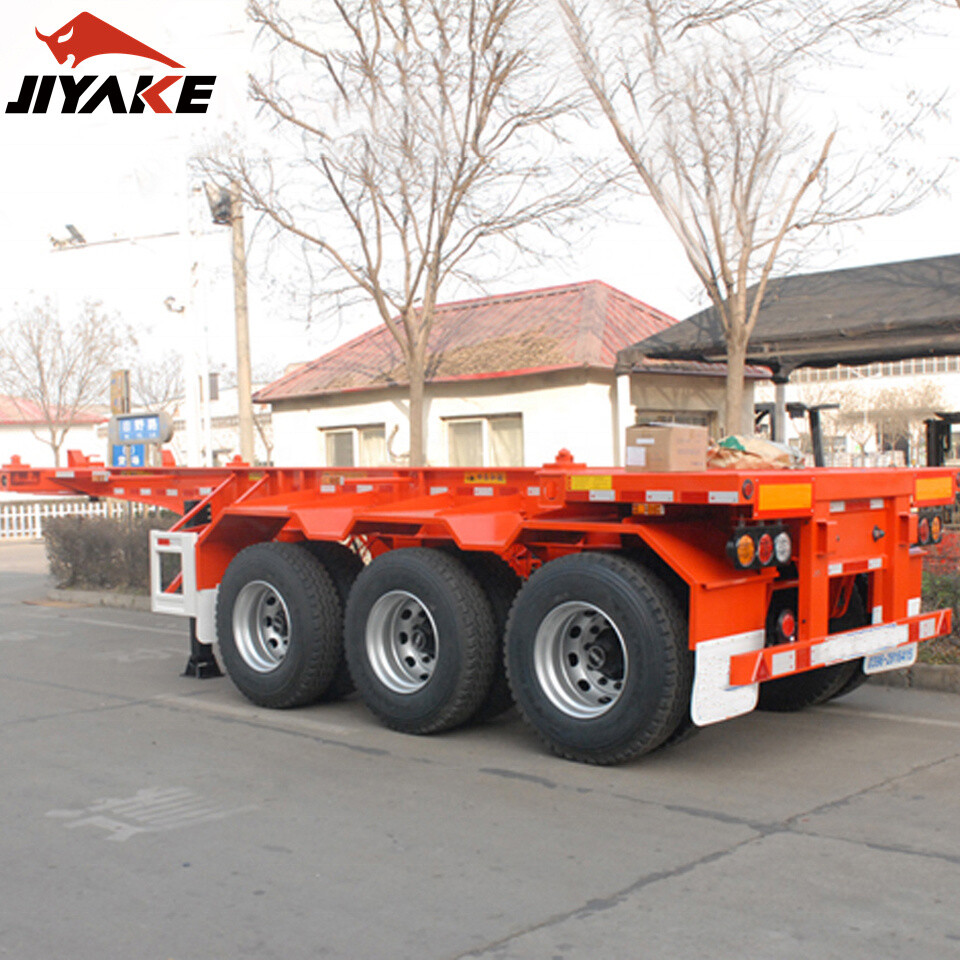
A skeletal semi trailer is the right choice for port drayage when the job is primarily about moving ISO containers quickly, repeatedly, and predictably between a port terminal and a nearby delivery point. It is not simply a lighter alternative to a flatbed. Its value comes from being purpose-built for container corner castings, terminal handling routines, and frequent short-haul cycles.
For a project with containerized equipment, imported building materials, modular components, or packaged supplies, the trailer can reduce unnecessary loading steps. The container is lifted onto the chassis at the terminal, secured through its corner fittings, hauled to the destination, and released for unloading. That direct flow is usually more practical than transferring container cargo onto a general flatbed before the final delivery.
Choose it when the container stays intact through the delivery route
The clearest use case is a sealed container that will travel from the port to a warehouse, laydown yard, distribution point, or project site without being stripped at the terminal. A skeletal chassis supports the container itself rather than the cargo inside it. This preserves the loading arrangement, reduces handling exposure, and keeps terminal-to-site movement straightforward.
It is particularly suitable when containers arrive in a steady pattern and the project team needs repeatable scheduling. A construction project may receive electrical equipment, fittings, tools, prefabricated materials, or consumables in several containers over time. If the destination has sufficient space for truck access and container unloading, a skeletal trailer can keep the transport stage simple while site teams prepare for unloading separately.
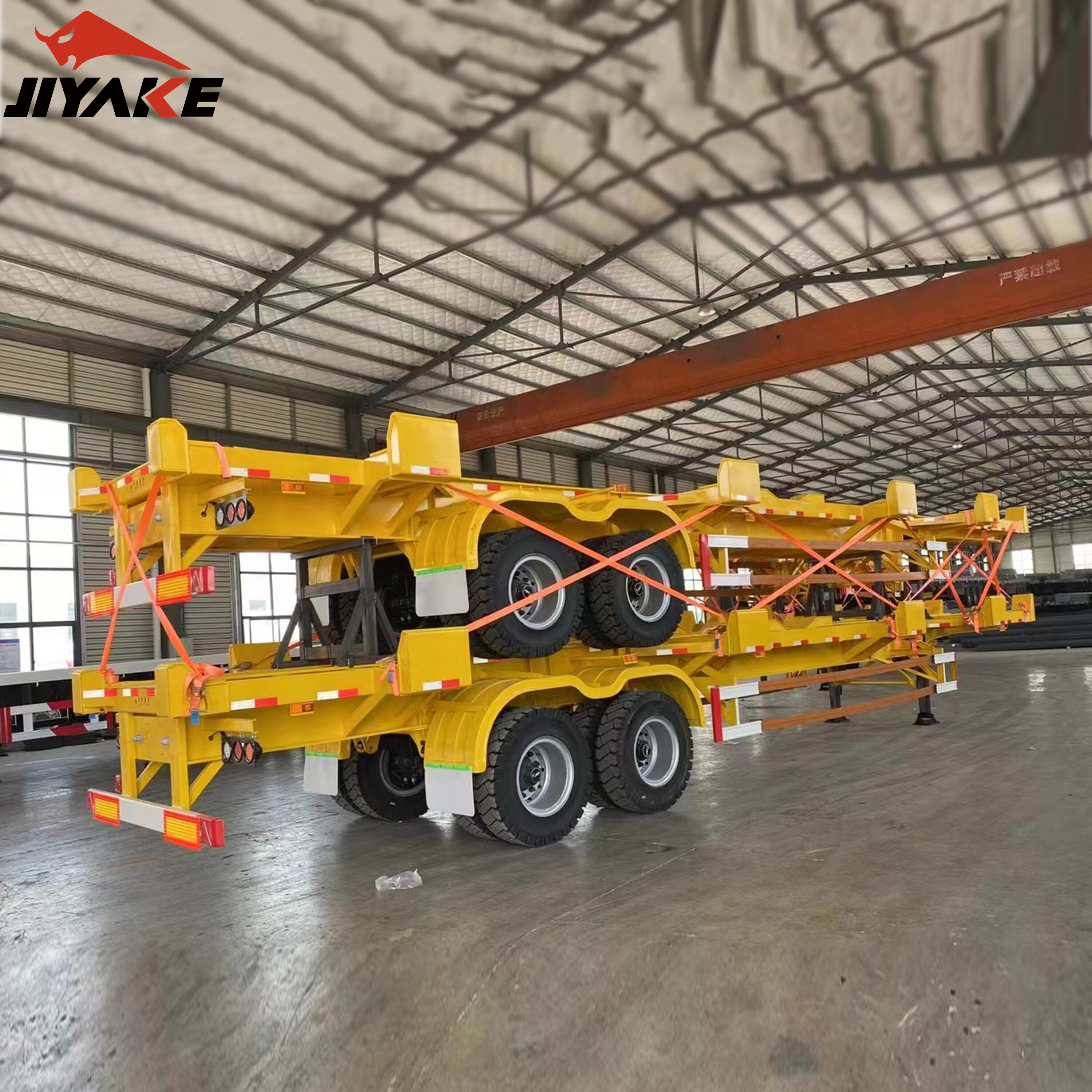
It also works well for port drayage where turnaround matters more than long-distance versatility. The chassis has an open, minimal frame because it does not need a full cargo deck. That design helps keep the trailer focused on one task: carrying standardized containers between known points in the supply chain.
Check the operating flow before choosing the chassis
A trailer decision should follow the cargo flow, not just the container size written on the shipping documents. Project managers should map the route from terminal gate to final unloading point and identify where the container will be opened, lifted, or returned.
- Terminal process: Confirm that the terminal releases containers to the intended chassis configuration and that the dispatch plan accounts for gate appointments, queue time, and empty-container return requirements.
- Container mix: Review the container lengths and types expected across the project. A fleet that handles one common length can be configured efficiently, while mixed loads may require extendable or multi-position skeletal chassis arrangements.
- Site access: A container chassis may be easy to operate on port roads but difficult to maneuver through narrow entrances, temporary project roads, sharp turns, or congested laydown areas.
- Unloading method: Decide whether the container will be grounded, unloaded while on the chassis, lifted by site equipment, or transferred elsewhere. This decision affects dwell time and the number of trailers needed.
- Weight distribution: Container gross weight is not the only issue. Cargo can be concentrated toward one end, and axle loading must remain suitable for the tractor, chassis, route, and local operating conditions.
These questions matter because a chassis can be technically capable of carrying the container yet still create delays if the site cannot release it promptly. A common planning mistake is treating the trailer as a simple transport asset while overlooking how long it will remain tied up at the destination.
Where a skeletal semi trailer improves project control
For repeated container drayage, the main operational benefit is consistency. Drivers and dispatchers work with the same connection points, locking sequence, and transport format on each trip. The project team can plan delivery windows around container arrivals rather than arranging separate transloading activities.
Container locks and correctly positioned twist locks deserve close attention. A skeletal semi trailer must match the container length and have its locking points fully engaged before departure. A rushed handoff at a busy terminal can lead to incorrect lock positioning, especially where equipment handles several container lengths. A pre-departure check should cover lock engagement, landing gear position, tire condition, air and electrical connections, visible chassis damage, and any container condition that could affect safe transport.
For high-frequency work, maintenance planning is equally important. Port environments expose trailers to vibration, heavy pavement transitions, frequent braking, salt air in coastal locations, and repeated coupling cycles. Maintenance effort should concentrate on twist locks, frame condition, suspension components, brakes, lighting, and corrosion-prone connection areas. A trailer that is available but repeatedly held for preventable repairs does not improve turnaround.
When another trailer type is a better fit
A skeletal chassis is not the answer when the cargo needs to leave the container before the main haul. If the project requires loose steel, machinery, oversized pieces, palletized materials, or irregular cargo to be loaded directly onto a deck, a flatbed or lowbed configuration is generally more appropriate. Those trailers provide accessible loading surfaces and more flexible cargo restraint options.
It is also the wrong choice for loose bulk material that must be discharged at the destination. Construction spoil, aggregate, grain, mine material, and waste normally require a dumping body and a controlled unloading area. In that situation, a hydraulic solution such as a Rear Tipper Trailer serves a different transport task: it carries loose material and discharges it by tipping, rather than transporting an ISO container intact.
Long-distance operations can also change the calculation. A skeletal trailer can still be used beyond local drayage, but the project should compare route conditions, backhaul opportunities, cargo mix, and fleet utilization. A highly specialized chassis performs best when container movements are regular enough to keep it working in its intended role.
Plan the trailer fleet around dwell time, not only daily loads
The number of containers arriving each day does not directly equal the number of chassis required. What matters is how long each chassis is unavailable between terminal pickup and release for the next assignment. A trailer that returns quickly can support more cycles. A trailer that waits at a project site while a container is unloaded, inspected, or used for temporary storage becomes part of the site inventory rather than an active transport unit.
Before committing equipment, establish a clear answer to three operational questions: Who unloads the container? How quickly can the site release the chassis? Where does the empty container go after unloading? That last point is often missed. Empty returns may need their own appointment timing, route coordination, and driver availability.
For project work with uncertain unloading windows, it may be more practical to use a controlled drop-and-hook arrangement, arrange grounded-container handling, or build extra chassis availability into the transport plan. The right approach depends on whether schedule certainty or minimum equipment count is the tighter constraint.
A practical decision test
A skeletal semi trailer fits port drayage when most of the following statements are true:
- The cargo arrives in ISO containers and should remain containerized until close to final delivery.
- The route is mainly terminal-to-warehouse, terminal-to-yard, or terminal-to-project-site transport.
- Container sizes and expected weights are known well enough to select a suitable chassis configuration.
- The destination can safely receive, unload, or release container equipment without excessive delay.
- The work involves recurring container movements rather than a changing mix of loose, oversized, and deck-loaded cargo.
- The project team can manage empty returns and chassis availability as part of the same schedule.
When those conditions are in place, the trailer supports a direct and disciplined drayage process. When they are not, the operational problem is usually not the chassis specification itself, but a mismatch between the equipment and the way cargo is handled at the terminal or destination.
Leave A Reply

First class quality service and professional after-sales team.
Get in Touch
*We respect your confidentiality and all information are protected.