




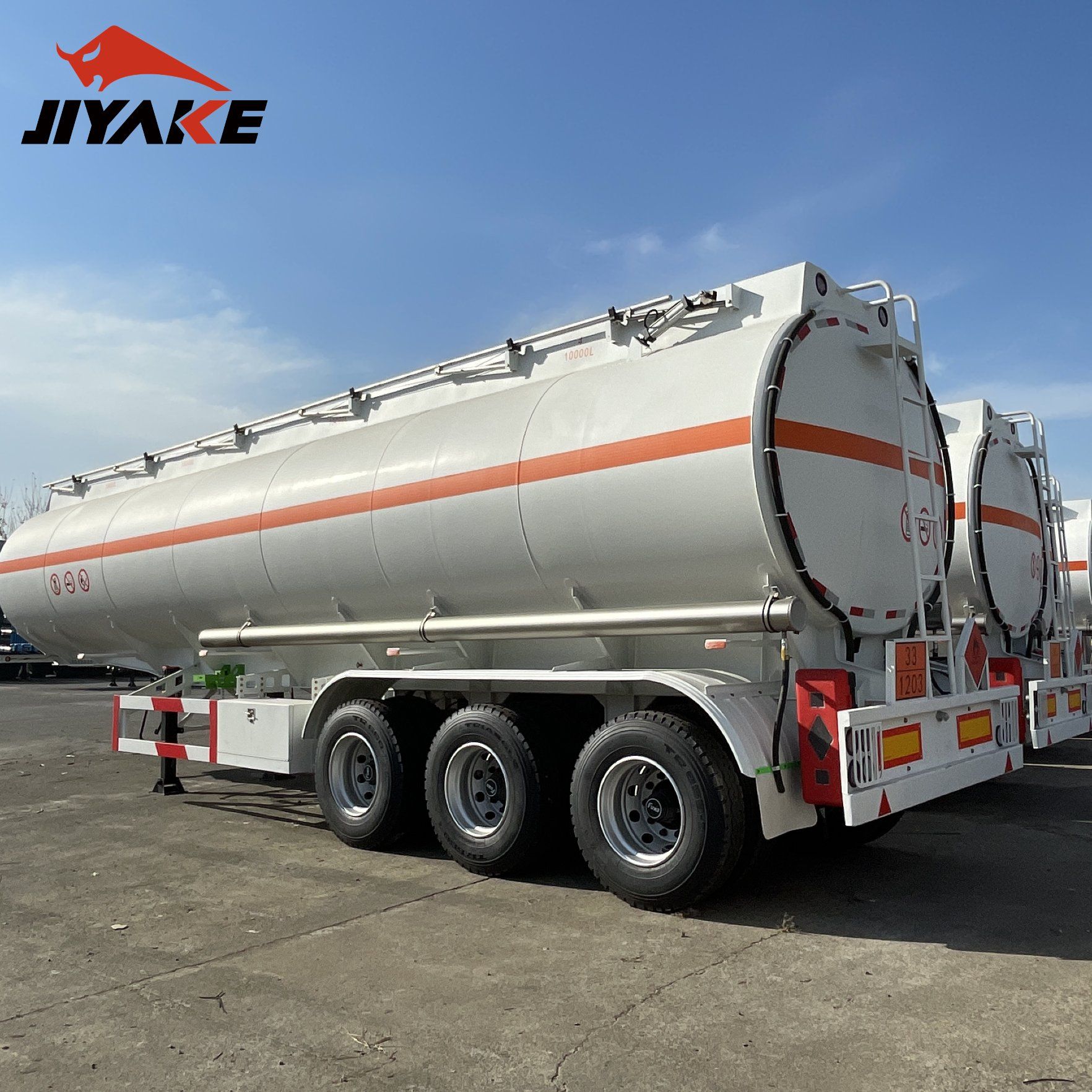
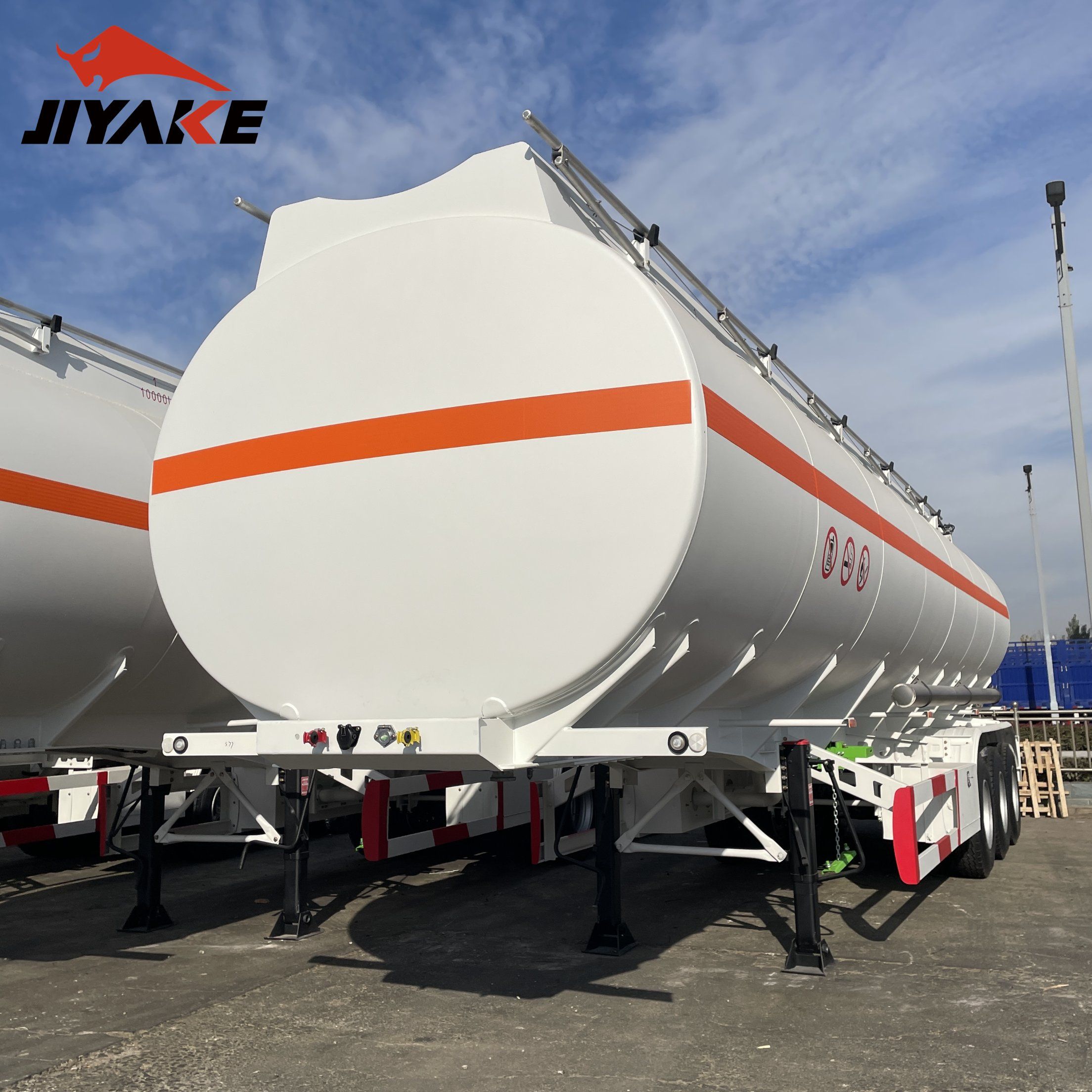
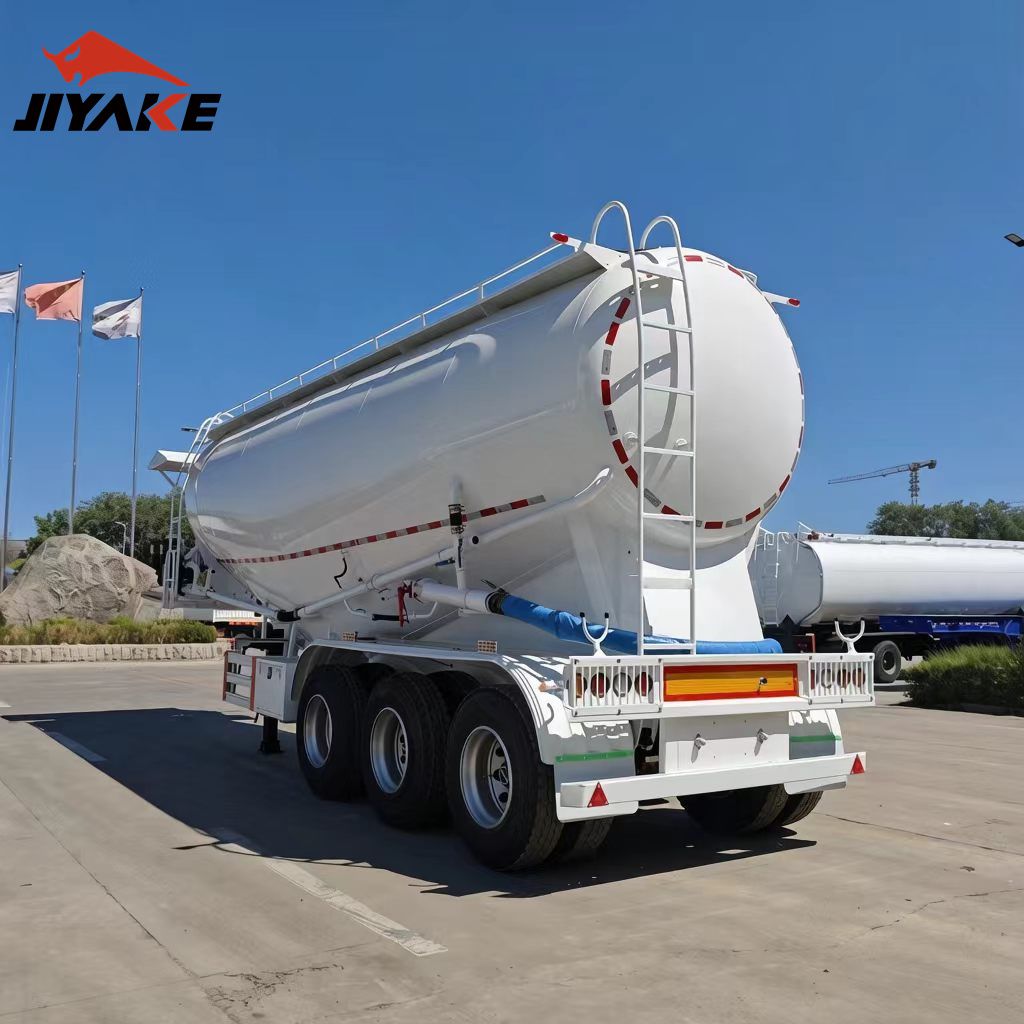

Will a Fuel Tanker Trailer Fit Your Depot's Bottom-Loading System?
A fuel tanker trailer can look right on paper and still be refused at the loading rack. The tank capacity matches your delivery plan, the axle arrangement suits your routes, and the price fits the budget—but the loading arm cannot reach the adapters, or the terminal cannot recognize the overfill protection system.
For project managers evaluating a Fuel Tanker Trailer For Sale, compatibility means more than specifying “bottom loading.” It means matching the trailer’s mechanical connections, safety interfaces, compartment arrangement, and operating limits to the depot that will actually load it. The most useful starting point is not a vehicle brochure. It is the depot’s current tanker acceptance specification.
Define the depot interface before selecting the trailer
Two depots may both describe their equipment as standard bottom-loading systems while applying different connection, monitoring, or vehicle-access requirements. A trailer accepted at one terminal is not automatically suitable for another, particularly when equipment is sourced across different markets.
Ask the depot operator for its loading-rack specification, approved interface requirements, and vehicle inspection checklist. If the trailer will collect fuel from several terminals, compare all of them before freezing the design. Conflicting requirements are much easier to resolve before fabrication than after delivery.
A coupling match is only the beginning
“API-type bottom-loading adapters” is a useful description, but it is not a complete purchase specification. Where the depot requires compliance with an API or other interface standard, identify the applicable standard and edition, then verify the actual component documentation. Similar-looking fittings are not proof of interchangeability.
Check reach, spacing, and clearance on a dimensioned drawing
Request a loading-side elevation showing adapter centerlines, ground clearance, spacing, protective guards, cabinet doors, and adjacent fittings. Compare it with the loading arm’s permitted movement—not simply its maximum reach.
The connection height should be checked under the relevant operating conditions, including suspension position and changes between empty and loaded states. A connection that works on a level factory floor may become awkward at a sloping loading bay. Doors, side guards, and hose storage must also remain clear of the connected arm.
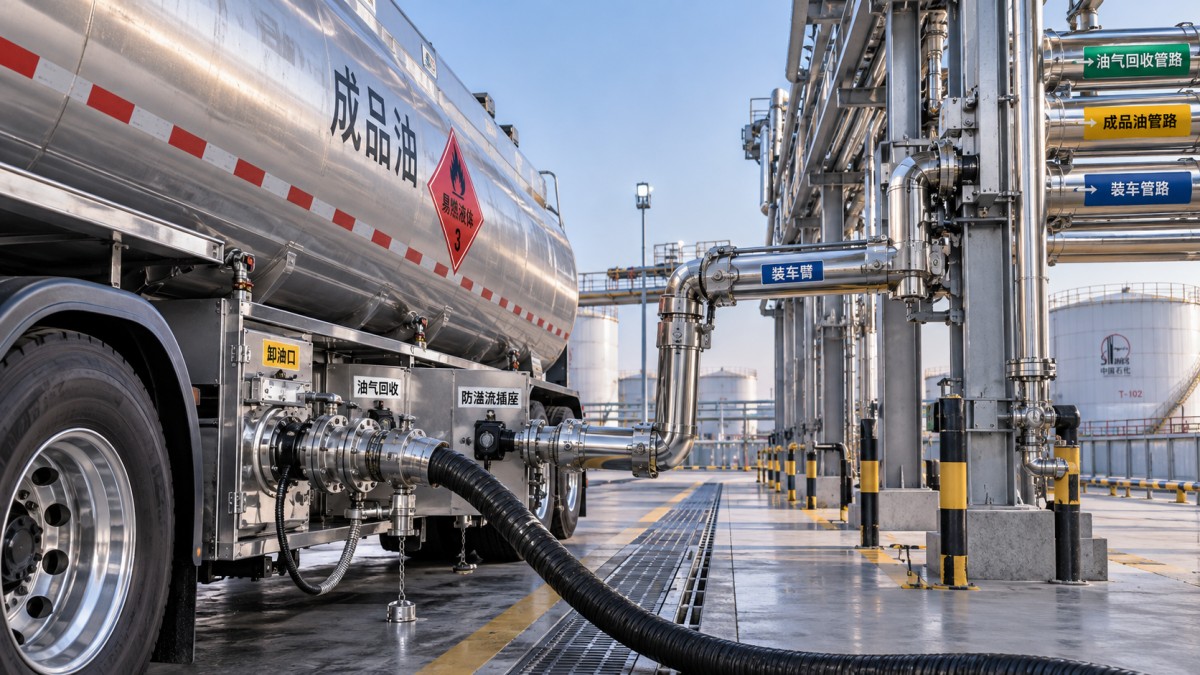
Practical acceptance test: the operator should be able to connect and disconnect the arm without forcing it, twisting the coupler, or using improvised supports. The arm must remain within its approved operating envelope throughout loading.
Trace each connection to its compartment
Ask for a piping schematic as well as an external drawing. Each loading adapter should have a clearly identified relationship to the intended compartment, internal valve, and control. Labels must remain understandable from the operator’s normal working position.
For mixed-product work, compartment identification is a contamination-control measure, not merely a convenience. Confirm whether any shared piping or manifolds could retain product and whether the proposed arrangement meets the depot’s segregation rules.
Will the rack recognize the trailer’s safety systems?
A mechanically compatible trailer may still fail the terminal’s permissive checks. Overfill prevention, grounding verification, and emergency shutdown functions need to be reviewed as separate systems, even where they share an interface or operating sequence.
- Overfill protection: confirm sensor technology, monitor compatibility, socket configuration, wiring, compartment coverage, and diagnostic requirements. A matching plug does not establish electrical compatibility.
- Grounding and bonding: verify the terminal’s approved connection and monitoring method. Do not assume an overfill connection also fulfills every grounding requirement.
- Emergency shutdown: establish how loading is stopped and which trailer valves close. Confirm pneumatic supply requirements, control locations, and the specified response to loss of power or air.
- Fault behavior: require documented tests showing that disconnected sensors, wiring faults, or other relevant failures prevent loading as intended.
These checks should involve the depot’s technical representative and qualified vehicle-system personnel. Bypassing an interlock to make a trailer load is not a compatibility solution; it removes a protective function and can invalidate terminal acceptance.
Size the vapor system and loading rate together
Where vapor collection is required, the trailer needs more than a vapor connection of the correct diameter. Confirm coupling compatibility, connection position, manifold arrangement, and the approved venting path from each compartment.
During loading, incoming liquid displaces vapor. The vapor system must accommodate the intended loading conditions without exceeding the tank’s permitted pressure or vacuum limits. Restrictions, unsuitable valves, or incorrectly arranged pipework can make a nominally compatible system unsuitable in operation.
Review three flow limits together: the depot’s available loading rate, the permitted rate through each trailer loading circuit, and the vapor-handling capacity. Where several compartments may be filled simultaneously, assess the combined conditions. A high-capacity rack does not mean the trailer can safely accept its maximum output.
Do not assume every fuel follows the same terminal procedure. Gasoline, diesel, and other approved products may have different vapor-control and operating requirements. The intended product list should be written into the specification.
Choose compartments around the delivery plan—not just total capacity
A large tank is not necessarily a useful tank. For a project supplying several work sites, the compartment layout should reflect delivery quantities, product separation, legal axle loads, and the trailer’s approved partial-load operating conditions.
Ask the supplier to provide a loading plan covering realistic product densities and loading combinations. Include expected residual product and operational allowances where relevant. Overfill sensors are a final protective layer, not the normal means of determining the quantity to load.
Also check how each compartment drains during unloading. Residual fuel can affect the next delivery, reconciliation records, and product quality. Bottom-loading compatibility does not, by itself, establish suitability for the receiving site’s unloading system.
Turn the purchase specification into an acceptance plan
For a Fuel Tanker Trailer For Sale, the strongest purchasing document links every critical requirement to evidence and an acceptance check. “Suitable for our depot” leaves too much room for interpretation.
- Before design approval: obtain the depot requirements, dimensioned interface drawing, piping schematic, electrical interface details, and proposed component list.
- Before shipment: review material and component documentation, applicable regulatory evidence, inspection records, leak-test results, and functional test reports.
- Before operational release: arrange a depot compatibility inspection and supervised commissioning under the terminal’s procedures, including interface checks before any controlled product-loading trial.
Record acceptance criteria, responsibilities, and the process for correcting mismatches in the purchase agreement. Any component substitution affecting the loading interface should require approval before installation.
Keep fleet procurement coordinated without confusing specifications
Construction and mining projects often purchase fuel-support vehicles alongside material-hauling equipment. A HOHAN 6X4 Dump Truck, for example, addresses a different duty: moving and tipping bulk materials using a high-strength steel body and hydraulic lifting system. Its payload, terrain, and tipping requirements should remain separate from the tanker’s hazardous-liquid and terminal-interface requirements.
Shandong Jiyake Automobile Sales Co., Ltd. supplies fuel tankers, semi-trailers, dump trucks, and other special vehicles, with service experience across more than 60 countries. For a depot-loading project, the useful discussion is therefore a detailed requirements review—not an assumption that export experience alone guarantees local terminal acceptance.
Send the supplier your depot specification, intended fuels, delivery pattern, tractor details, and destination-market requirements before requesting a final configuration. The right trailer is the one whose compatibility can be demonstrated: it connects without strain, satisfies the rack’s safety checks, handles the intended loading conditions, and arrives with the documentation needed for approval.
Leave A Reply

First class quality service and professional after-sales team.
Get in Touch
*We respect your confidentiality and all information are protected.