




Recent Posts
 French Clients Visit JIYAKE Factory for Semi-Trailers and Used Trucks Inspection: Global Partners WelcomeOct 27, 2026
 Will a Fuel Tanker Trailer Fit Your Depot's Bottom-Loading System?Oct 15, 2026
- Aluminum vs. Carbon Steel Fuel Tanker Trailers: Which Should You Buy?Oct 15, 2026

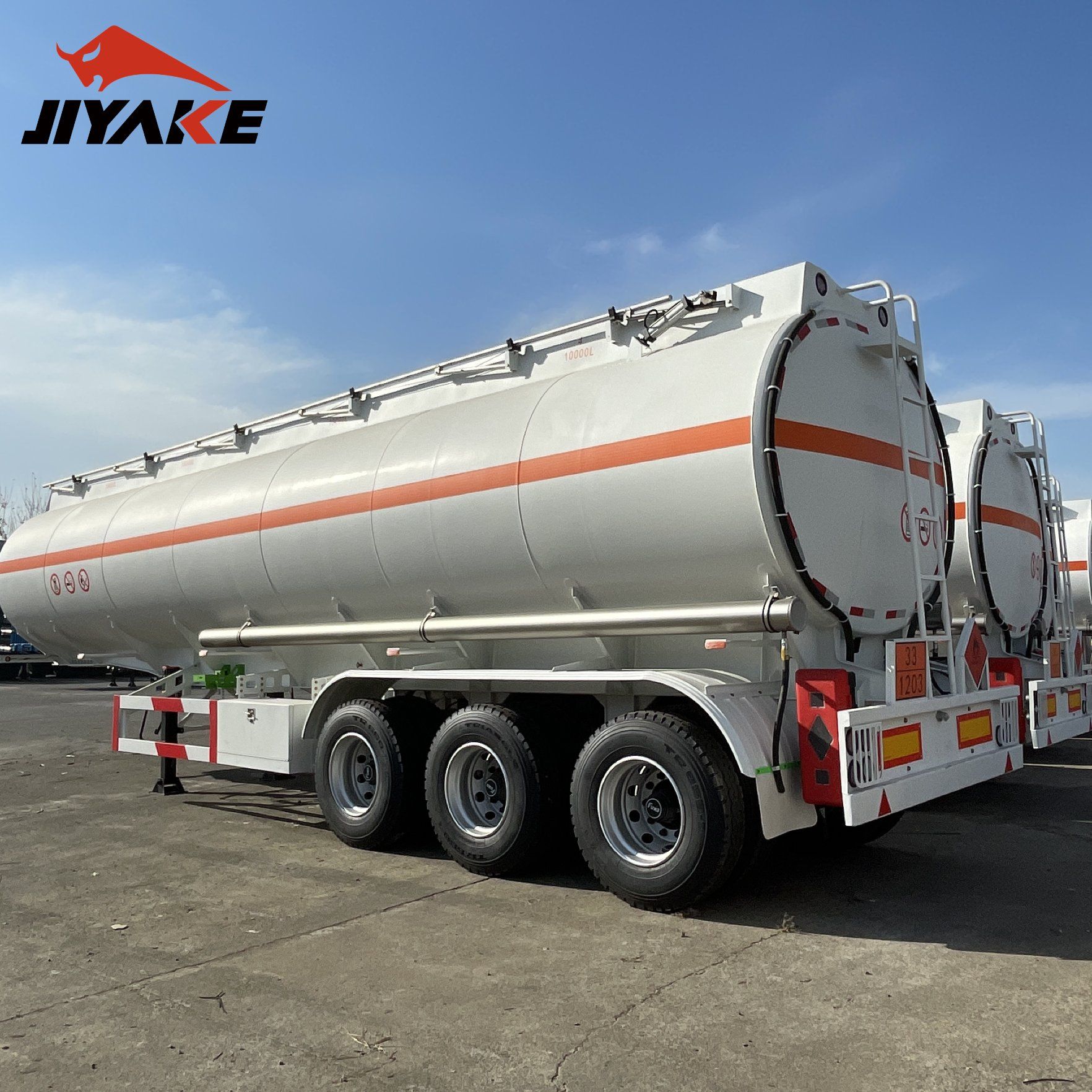
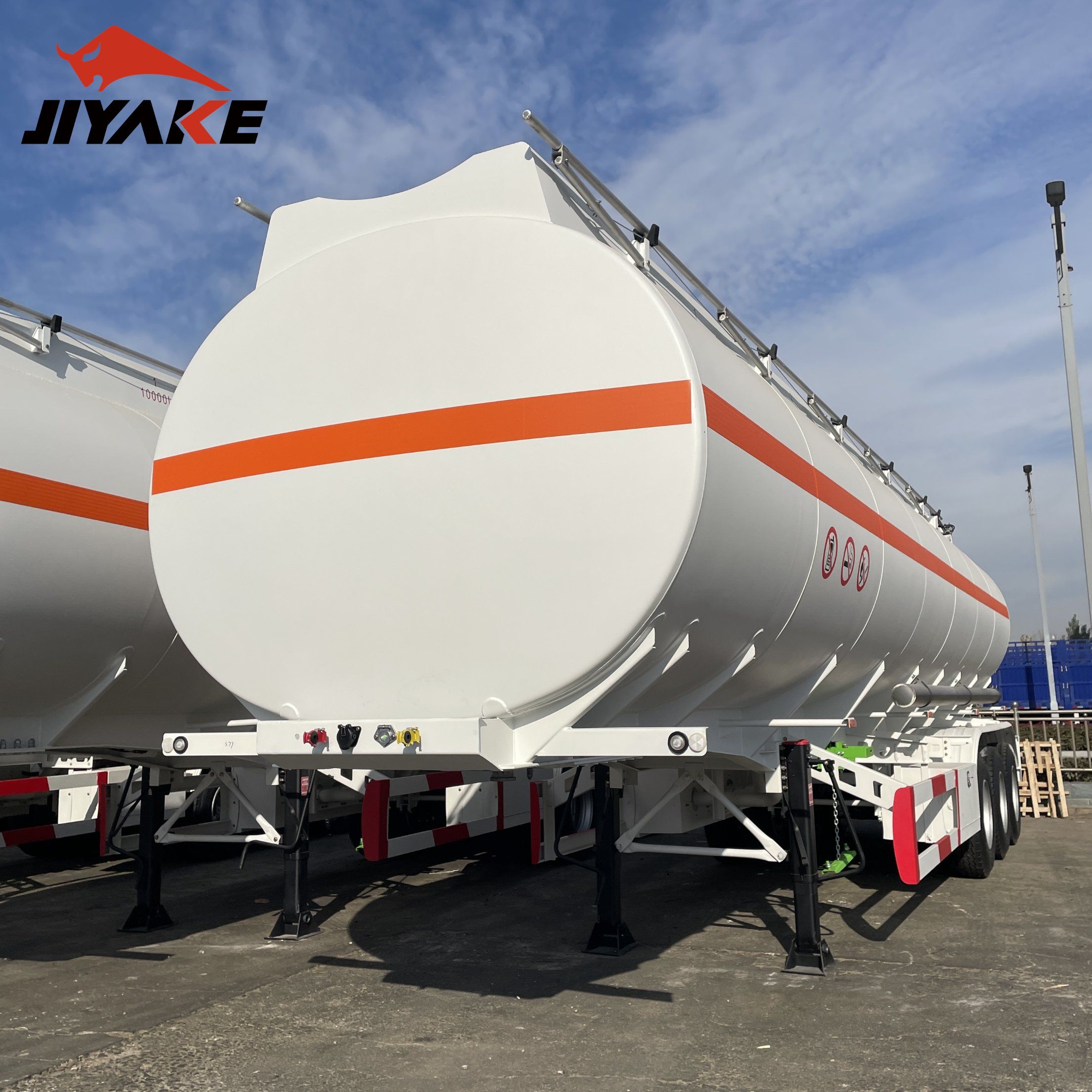

Comparing Load Capacities: Steel vs Aluminum Skeleton Trailers
Material Properties: Steel vs Aluminum for Heavy-Duty Trailers
When selecting trailer materials, operators must evaluate three key physical characteristics that directly impact load capacity and operational efficiency. Steel typically offers tensile strength ranging from 400-550 MPa, while aluminum alloys used in trailer construction average 200-350 MPa. This fundamental difference influences:
The weight differential becomes particularly significant for bulk liquid transport where aluminum trailers can provide 1,500-3,000 lbs additional payload capacity. However, steel's superior fatigue resistance makes it preferable for routes with frequent heavy impact loading.
Structural Design Considerations
Modern trailer engineering compensates for material limitations through intelligent design. Aluminum trailers typically require 15-20% thicker crossmembers and 30-40% larger beam depths to achieve equivalent stiffness to steel counterparts. Our manufacturing process utilizes CNC-cut aluminum extrusions with optimized I-beam profiles that maintain structural integrity while minimizing weight.
For specialized applications like fuel transport, we recommend considering the Light Truck with its 2-10 ton loading capacity and 120L fuel tank - an ideal secondary vehicle for depot operations. The 4x2 rear-wheel drive configuration provides stable handling even when fully loaded.
Critical Design Parameters
- Section modulus requirements (steel: 15-25 in³ vs aluminum: 25-40 in³)
- Weld joint reinforcement strategies
- Corrosion protection systems (galvanization vs anodizing)
Impact absorption zones

Operational Cost Analysis
The total cost of ownership extends beyond initial purchase price. Aluminum trailers command a 25-40% premium over steel but offer measurable savings in three key areas:
For fleets covering 100,000+ miles annually, aluminum's weight savings typically justify the higher initial investment within 2-3 years. The 7.00R16 tires on our Light Truck demonstrate similar durability principles, with reinforced sidewalls handling the 3.5T axle load capacity.
Application-Specific Recommendations
Material selection should align with primary cargo characteristics and route profiles. Our field data from 60+ countries reveals clear patterns:
Optimal Material by Cargo Type
- Bulk Liquids: Aluminum preferred (payload advantage)
- Construction Equipment: Steel recommended (impact resistance)
- Temperature-Sensitive Goods: Aluminum (better thermal properties)
- High-Frequency Routes: Aluminum (reduced fatigue maintenance)
Frequently Asked Questions
How does aluminum handle extreme weather conditions?
Modern aluminum alloys maintain structural integrity from -40°F to 300°F (-40°C to 150°C). Our trailers incorporate thermal expansion joints that accommodate material movement without compromising load security.
What's the repair cost difference between materials?
Aluminum repairs typically cost 20-30% more due to specialized welding requirements. However, the reduced frequency of repairs (approximately 40% fewer incidents) often balances lifetime maintenance costs.
Can aluminum trailers match steel's lifespan?
With proper maintenance, high-grade aluminum trailers achieve 12-15 year service life versus steel's 15-20 years. The critical factor becomes corrosion management rather than structural fatigue in most operating environments.
Conclusion and Next Steps
The steel vs aluminum decision ultimately depends on your specific operational parameters. High-mileage fleets transporting bulk commodities typically benefit most from aluminum's weight savings, while heavy equipment movers often require steel's rugged durability.
Our engineering team can provide customized load capacity simulations based on your typical routes, cargo profiles, and maintenance capabilities. Contact us for a comparative analysis of trailer options that align with your business objectives and regulatory requirements.
Leave A Reply

First class quality service and professional after-sales team.
Get in Touch
*We respect your confidentiality and all information are protected.