





What affects delivery time from a China lowbed trailer factory
When buying from a China lowbed trailer factory, delivery time is mainly affected by four things: how busy the factory is, how customized your trailer is, whether key materials are in stock, and how smoothly export shipping is arranged. For end users, the most practical takeaway is simple: standard configurations usually move much faster than highly customized orders, and suppliers with stable production lines and export experience are more likely to deliver on schedule.
If you need equipment for a time-sensitive transport project, it is not enough to ask only for a price. You also need to understand what can delay production, what parts of the process are predictable, and what questions to ask before placing an order. Below is a practical guide to what really affects lead time and how to reduce avoidable delays.
What is the real search intent behind this topic?
People searching for “what affects delivery time from a China lowbed trailer factory” usually are not looking for a technical definition. They want to know how long delivery may take, why delays happen, whether a supplier is reliable, and how they can receive the trailer faster without sacrificing quality.
For end users, the main concerns are usually:
- How many days or weeks production may take
- Whether custom requirements will slow the order
- If shipping from China is predictable
- How to choose a factory that can actually meet the promised timeline
- How to avoid paying and then waiting much longer than expected
That is why the most useful article is not one filled with generic manufacturing theory. It should focus on production scheduling, customization, material availability, export logistics, and practical supplier selection.
Factory production capacity directly affects lead time
One of the biggest factors is the factory’s actual production capacity. A lowbed trailer manufacturer may advertise fast delivery, but if its workshop is already fully booked, your order may wait in line before production even starts.
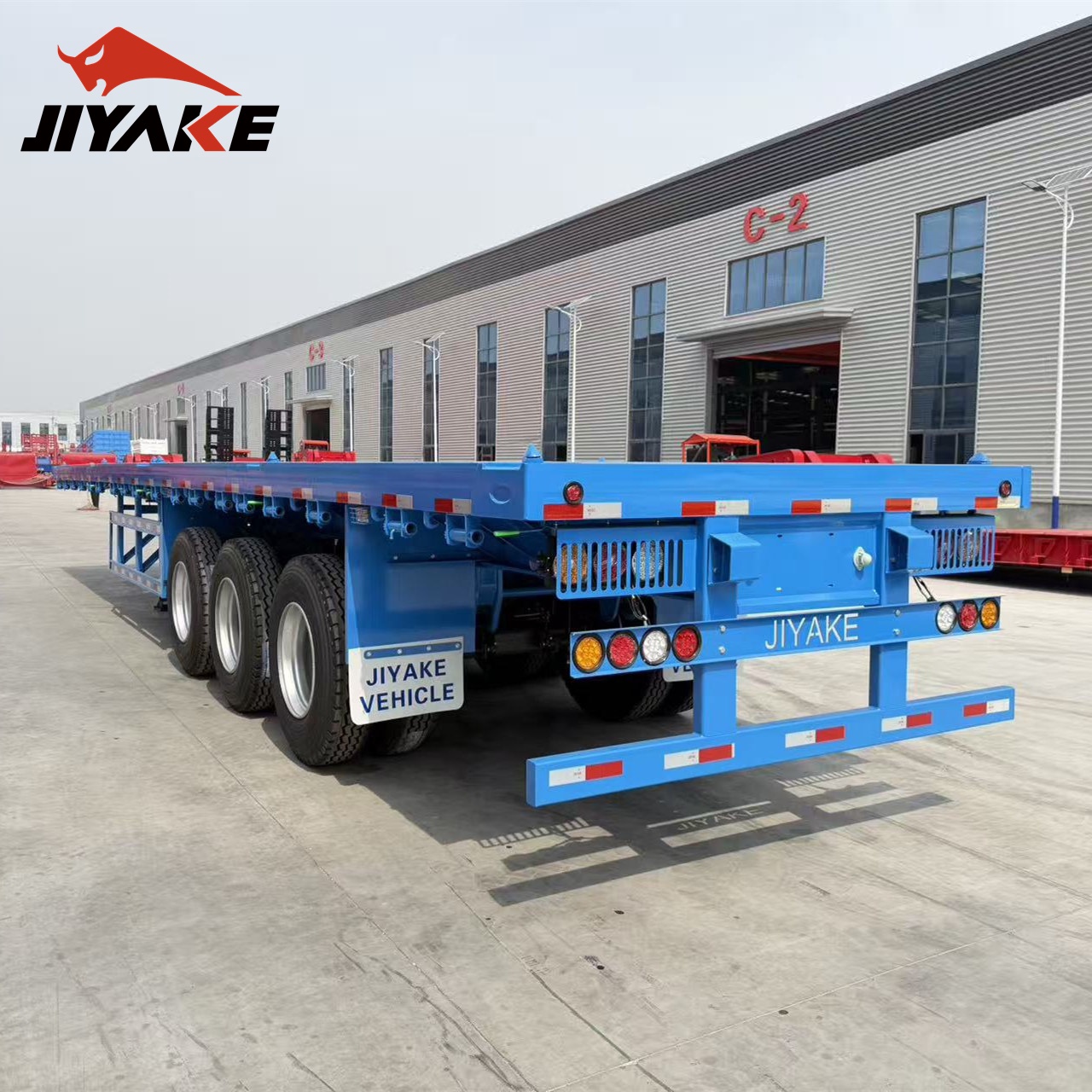
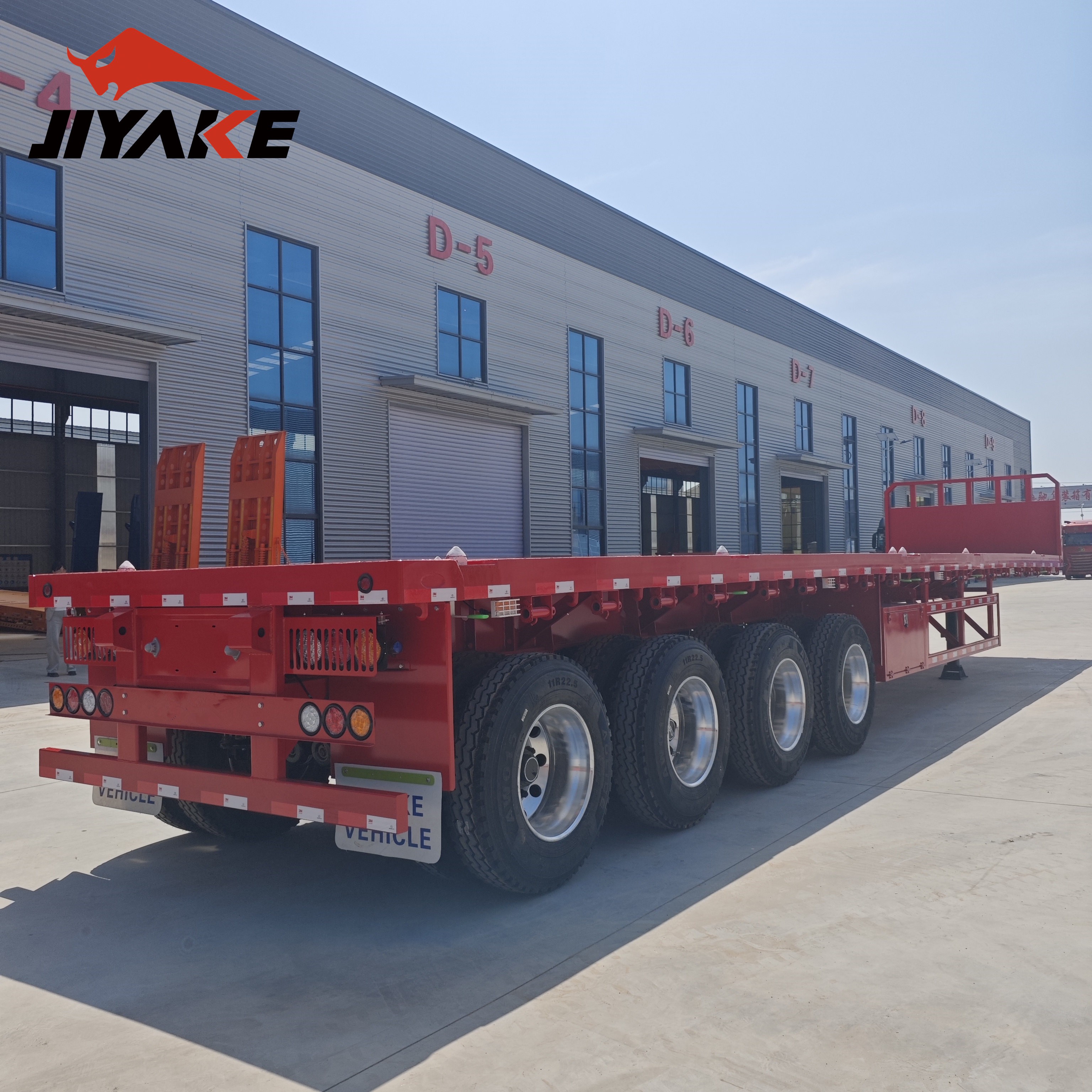
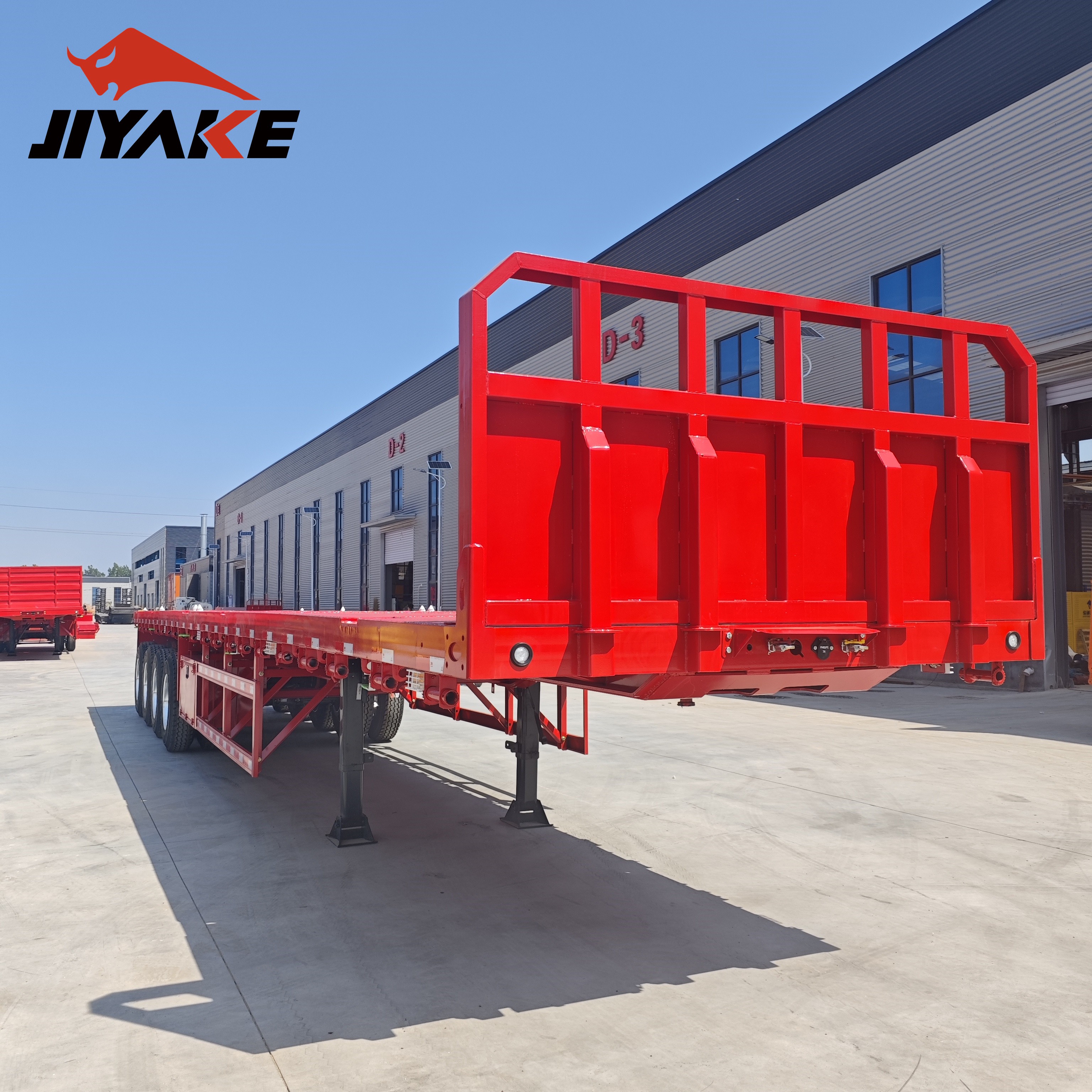
Factories with larger facilities, organized production systems, and skilled workers are generally better able to keep delivery stable. Shandong Jiyake Automobile Sales Co., Ltd., for example, operates a 300000m2 factory with 500 employees and equipment such as CNC cutting machines, automatic welding machines, large bending machines, and tank automatic welding systems. For buyers, this kind of manufacturing foundation usually means a better chance of consistent output and fewer bottlenecks.
What matters most is not just factory size, but whether the supplier can answer these practical questions clearly:
- Is your order entering production immediately or waiting for an open slot?
- How many lowbed trailers are currently in the production queue?
- Are welding, painting, axle installation, and testing handled in-house?
- Can the supplier share a realistic production schedule?
If a supplier cannot explain its production sequence, promised lead times may be optimistic rather than reliable.
Trailer specifications and customization often create the biggest delays
Standard lowbed trailers are usually faster to produce because the design, materials, and manufacturing process are already settled. Delivery time becomes longer when buyers request custom axle brands, special deck lengths, unusual loading capacity, hydraulic ramps, reinforced goosenecks, or non-standard tire and suspension setups.
Customization affects lead time in several ways:
- Engineering drawings may need approval before production starts
- Special components may need to be sourced from outside suppliers
- Additional fabrication and inspection steps may be required
- Changes made after confirmation can restart part of the process
This is why buyers who need faster delivery should finalize technical details early. Even small late-stage changes can slow production more than expected. If speed is a priority, choosing a proven standard model or making only essential modifications is often the best approach.
In heavy transport and long-haul logistics, buyers sometimes compare trailer delivery plans with tractor availability to keep fleet deployment on schedule. In such cases, matching the trailer order with a reliable towing unit such as the Shacman Tractor Truck can help operators plan equipment readiness more efficiently, especially for heavy-load and line-haul operations.
Raw material and component supply can slow production unexpectedly
Even if a factory has available workshop capacity, delivery can still be delayed if key materials or parts are not ready. Lowbed trailer production depends on stable access to steel, axles, tires, suspension systems, landing gear, electrical systems, and braking components.
Common supply-related reasons for delay include:
- Steel price fluctuations causing procurement delays
- Shortages of axles or suspension parts
- Long lead times for imported or buyer-specified components
- Peak-season pressure on upstream suppliers
This is especially important for buyers who request branded or uncommon parts. A custom part may improve preference alignment, but it can also increase waiting time. Reliable factories usually reduce this risk by maintaining stable supplier networks and keeping common materials in stock.
Before ordering, ask the supplier which parts are standard inventory items and which must be purchased after order confirmation. That single question can tell you a lot about how predictable the lead time really is.
Export documentation and shipping arrangements are part of delivery time too
Many buyers focus only on factory completion time, but total delivery time includes export preparation and international shipping. A trailer may be finished on time yet still arrive late because of port congestion, vessel scheduling, customs paperwork, or inland transport delays from factory to port.
For overseas buyers, the full timeline usually includes:
- Order confirmation and deposit
- Production scheduling
- Manufacturing and testing
- Export documents preparation
- Transport to port
- Sea freight booking and loading
- Customs clearance at destination
A supplier that serves more than 60 countries often has stronger experience with export handling, shipping coordination, and document preparation. That experience can make a real difference, especially for buyers in Southeast Asia, Central Asia, and Africa, where route planning and customs coordination may vary by market.
Peak season, order timing, and payment speed also matter
Delivery time is not determined by manufacturing alone. The time of year and the speed of buyer-side confirmation can also affect the schedule.
Orders placed during peak production seasons may face longer queues. Public holidays, port congestion periods, and year-end shipping demand can all add time. On the buyer side, delays often happen when:
- Technical specifications are confirmed slowly
- Deposit payment is delayed
- Artwork, color, or branding details are revised multiple times
- Destination shipping documents are submitted late
In other words, faster delivery requires both a capable factory and a responsive buyer. If your project is urgent, internal approval and payment processes should be ready before you begin supplier negotiations.
How to judge whether a China lowbed trailer supplier can deliver on time
For end users, the safest approach is to evaluate delivery reliability before placing the order. Instead of only asking, “How fast can you deliver?”, ask questions that reveal whether the supplier has a stable process.
Useful questions include:
- What is your current production lead time for a standard lowbed trailer?
- How much additional time is needed for custom specifications?
- Which components are in stock and which are made to order?
- Can you provide production photos or progress updates?
- What export markets do you regularly ship to?
- What are the usual causes of delay, and how do you handle them?
Reliable suppliers typically give specific answers, not vague promises. They can explain production steps, indicate realistic shipping arrangements, and show evidence of previous export experience.
How buyers can reduce delay risk before placing an order
If your goal is to receive the trailer as quickly and smoothly as possible, a few practical actions can reduce risk significantly:
- Choose a standard configuration when possible
- Confirm all technical details before production starts
- Avoid repeated design changes after approval
- Ask for a written lead-time breakdown covering production and shipping
- Work with a supplier that has in-house manufacturing capacity and export experience
- Prepare payment and import documents in advance
It also helps to think in terms of total transport readiness, not just trailer completion. Fleet buyers planning demanding logistics operations often review compatibility between trailers and supporting vehicles in advance. Equipment known for heavy-duty efficiency, reliable long-distance performance, and lower operating costs can improve deployment planning across the full transport chain.
Conclusion: delivery time depends on both factory stability and buyer decisions
Delivery time from a China lowbed trailer factory is affected mainly by production capacity, customization level, material and component supply, and export shipping arrangements. In many cases, delays are not caused by one major problem, but by several smaller issues across production and logistics.
For end users, the smartest buying decision is to choose a manufacturer with solid workshop capacity, clear communication, export experience, and a realistic lead-time commitment. If you need faster delivery, keep specifications clear, limit unnecessary customization, and confirm shipping arrangements early.
The key point is simple: the cheapest quote is not always the fastest or safest option. A supplier that can produce steadily, communicate clearly, and support global delivery is usually the better long-term choice.
Leave A Reply

First class quality service and professional after-sales team.
Get in Touch
*We respect your confidentiality and all information are protected.