





Why axle setup matters on lowbed trailers made in China
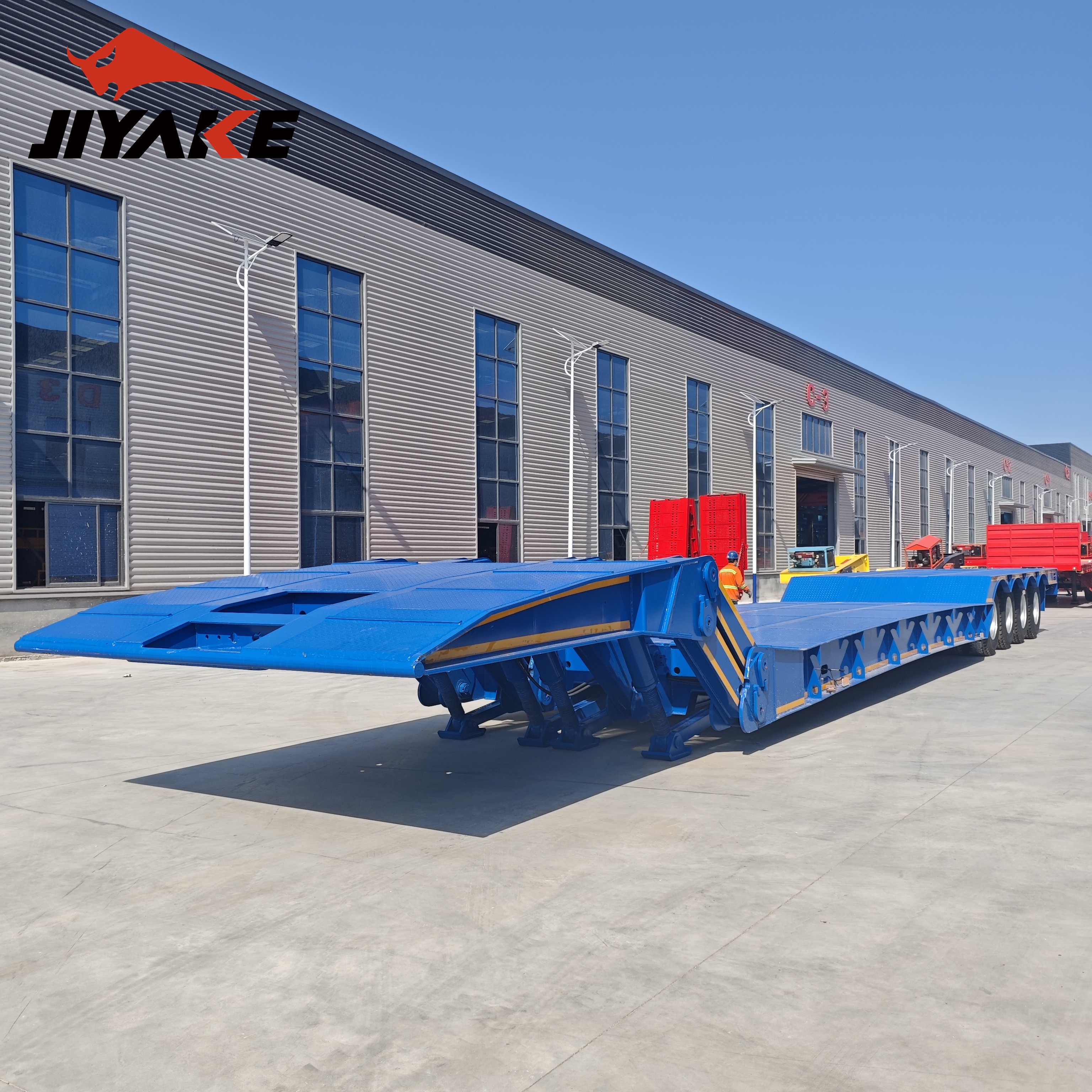
Axle setup directly affects how a lowbed trailer handles heavy loads, road stability, tire wear, and long-term operating cost. For buyers comparing options from a lowbed semi trailer manufacturer in China, understanding axle configuration is essential to choosing safer, more efficient equipment. With decades of special-vehicle production experience, Jiyake helps end users match trailer design to real transport demands across diverse markets.
For end users in heavy haulage, axle configuration is not a small technical detail. It influences payload balance, turning behavior, braking response, service intervals, and even the trailer’s resale value after 3 to 5 years of work. A lowbed trailer designed for excavators, mining equipment, transformers, or tracked machines must distribute weight correctly from the first kilometer, especially on uneven roads, port routes, and construction access roads.
How axle setup changes lowbed trailer performance in daily transport
A lowbed trailer may look simple from the outside, but the axle arrangement underneath determines how the load moves through the chassis. When the axle spacing, axle count, and suspension type are chosen correctly, the trailer can keep center-of-gravity movement under better control. That becomes critical when carrying 30-ton, 50-ton, or even heavier equipment across mixed road conditions where sharp turns, potholes, and gradients are common.
The first impact is load distribution. If too much weight sits on one axle group, the tires on that section heat up faster, and bearing stress rises during long-distance transport. If the setup is too spread out for the actual cargo profile, maneuverability suffers and the trailer may scrub tires during tight turning. In practical terms, poor axle matching can raise tire replacement frequency from every 12 to 18 months down to less than 10 months in demanding operations.
The second impact is braking stability. Heavy truck users often focus on brake chamber size and lining quality, but axle layout is just as important. On a loaded lowbed semi trailer, braking force needs to stay balanced across the axle line. If the front and rear axle groups are not carrying weight as intended, stopping distance may increase, and the trailer can feel unstable on downhill roads or wet surfaces.
The third impact is frame fatigue. A trailer carrying concentrated machinery loads does not distribute force like a box cargo trailer. Many machines apply pressure in a shorter loading zone, which means the axle setup must work together with beam strength, gooseneck design, and deck height. Over 2 to 4 years of repeated overload or poor balance, stress concentration can lead to cracks around suspension mounts, equalizer areas, and cross-member joints.
Key operating results influenced by axle layout
- Turning radius and reverse control in yards, ports, and construction entrances.
- Tire wear pattern across 8, 12, or more tire positions depending on the trailer design.
- Suspension life cycle under repeated dynamic loads rather than only static rated loads.
- Road compliance and axle load distribution under different regional transport rules.
For buyers sourcing from China, the better question is not only “How many axles do I need?” but also “Where should they be positioned, what capacity should each axle carry, and how should the suspension respond under real cargo conditions?” Those answers shape operating efficiency more than many buyers expect at the quotation stage.
Common axle configurations and what they are best suited for
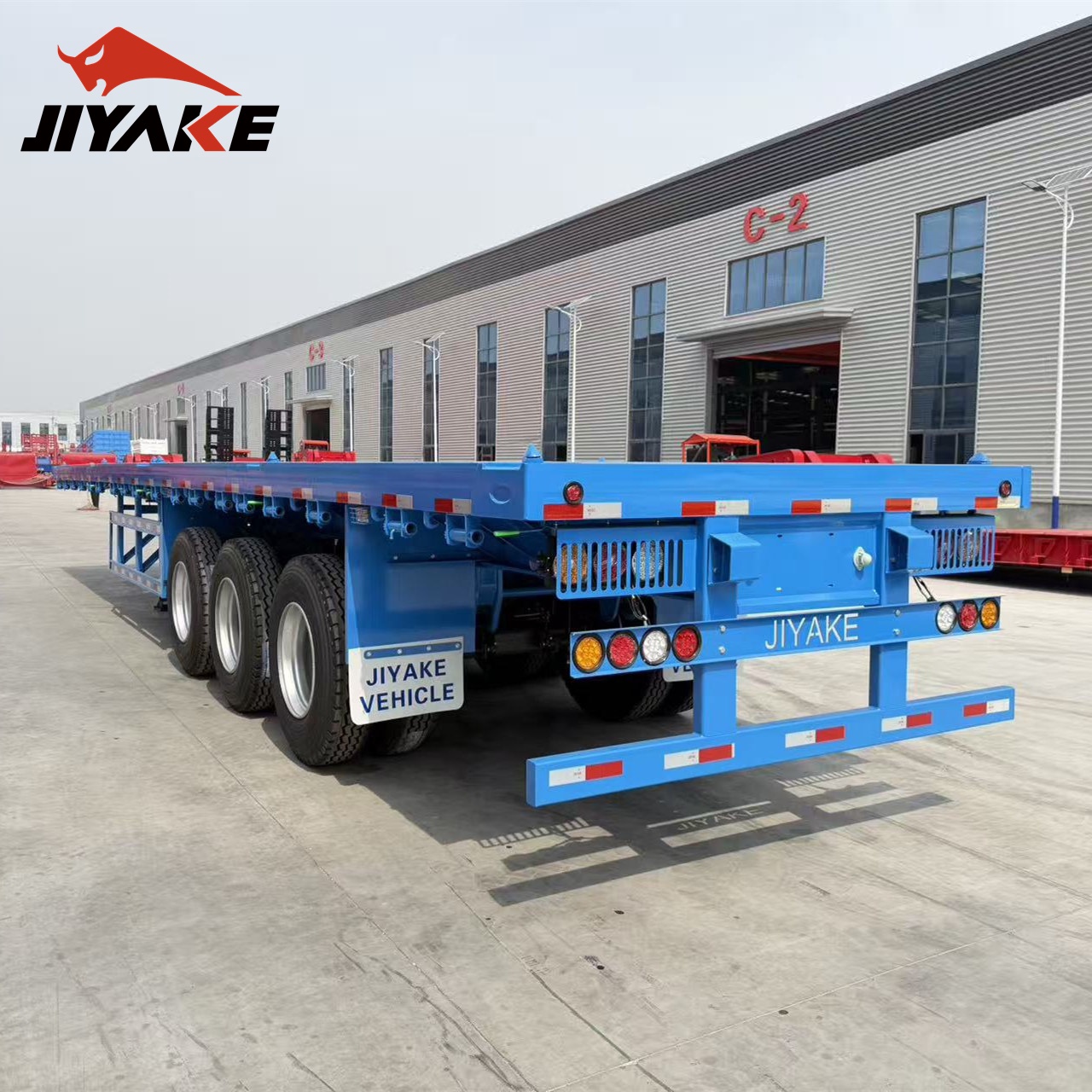
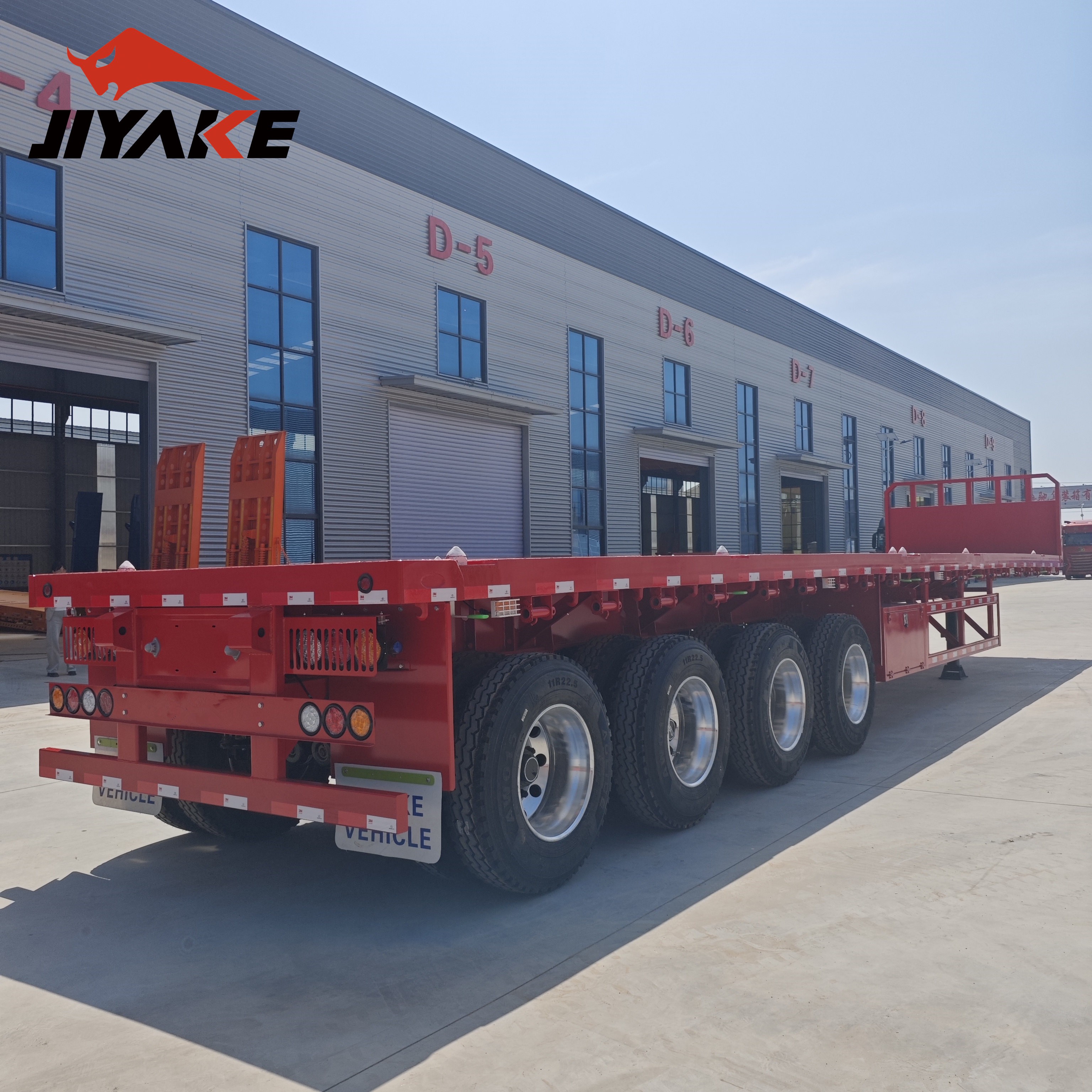
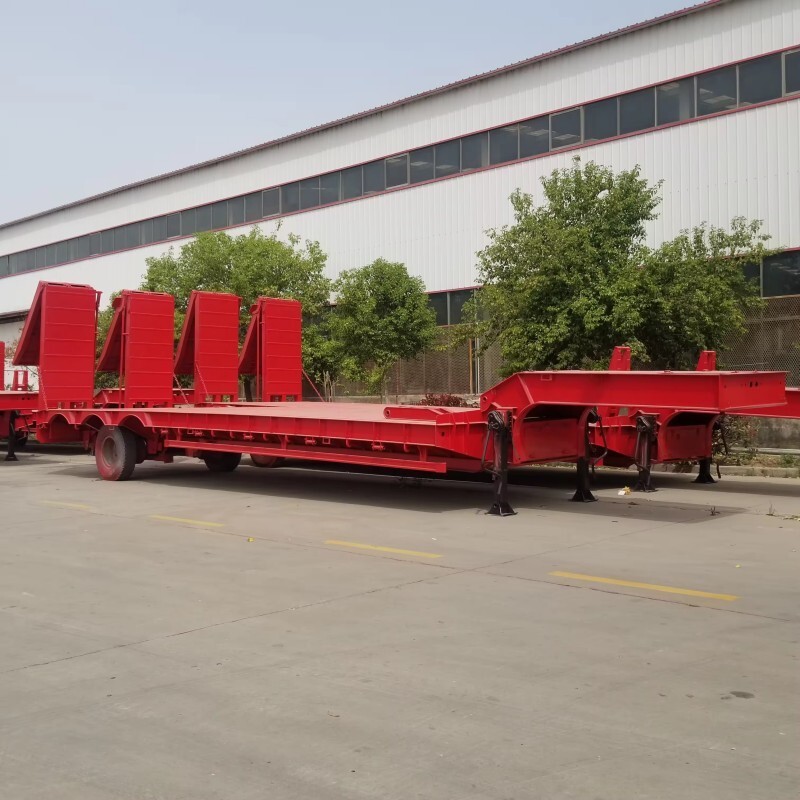
Most lowbed trailers made in China are available in 2-axle, 3-axle, or 4-axle versions, with capacity and legal road use varying by market. However, the “right” configuration depends on more than gross tonnage. Cargo length, machine track width, loading point concentration, road class, and permit requirements all matter. A 3-axle trailer can outperform a 4-axle design in some routes if the load profile is more compact and the roads demand tighter maneuvering.
The table below shows how axle choices usually align with transport tasks in the heavy truck sector. These are practical selection ranges rather than absolute rules, because local laws and actual axle ratings should always be confirmed before purchase.
The practical conclusion is that more axles are not always better. More axles usually mean more tires, more brake components, more suspension points, and more maintenance hours. If the trailer is oversized for the cargo pattern, operators may pay 15% to 25% more in upkeep over time without getting proportional transport benefit.
Axle count versus axle position
Axle count is only the first layer. Positioning is the second. The distance between kingpin, deck, and axle group changes how much load transfers to the tractor head and how the trailer behaves over bridges, ramps, and uneven approach angles. A poorly positioned tri-axle group may still create overloading on the tractor rear axles or cause rear-end bounce on empty return trips.
What experienced buyers usually check
- Rated axle capacity compared with actual cargo weight, not only nominal trailer capacity.
- Axle group location relative to the cargo center of gravity.
- Compatibility between axle rating, suspension type, and tire specification.
- Road regulation limits in the destination market, especially per-axle load thresholds.
For many end users, a correctly engineered 3-axle lowbed can be the most cost-effective option when the load range is stable and the route conditions are predictable. Where cargo varies widely and road enforcement is stricter, a different layout may be more suitable.
How to match axle setup with cargo type, road conditions, and suspension
Selecting axle setup should begin with the cargo itself. A tracked excavator applies weight differently from a wheel loader, crane section, or industrial vessel. Some loads are long and relatively balanced; others place 60% to 70% of mass in one short area. If that concentrated section sits too far forward or rearward, the trailer may overload the kingpin or the back axle group even when total tonnage appears acceptable on paper.
Road condition is the next major factor. Highways with smoother pavement allow more predictable load transfer. Quarry roads, temporary site roads, and rural routes introduce repeated shock loading, torsion, and side-angle stress. In those environments, leaf spring suspension is often preferred for durability and easier service, while some users may consider other suspension options depending on route quality and maintenance capability.
Another useful reference comes from tank and bulk transport products, where axle and suspension selection also affects stability and operating cost. For example, the Cement Bulker Trailer used in modern batching plants and large-scale construction projects applies a 3-unit Fuwa 13-ton axle arrangement with common leaf spring suspension, 12R22.5 tires, a 28-ton landing gear, and a 6 big chamber braking system. Although its application is dry bulk powder transport rather than lowbed hauling, it shows how manufacturers pair axle rating, suspension, tires, and braking into one working system rather than treating components separately.
That system view matters in lowbed trailers as well. A buyer should assess axle setup together with deck height, beam section, tire size, brake chamber count, and tractor matching. If one component is upgraded without the others, the whole trailer may not perform as expected in the field.
Recommended matching logic for end users
The table below helps connect cargo and operating environment with a more practical axle decision path.
The takeaway is simple: axle setup should be selected by operating scenario, not by price list alone. Buyers who define load type, route profile, and service frequency before ordering usually make better equipment decisions and face fewer modifications later.
Four practical checks before ordering
- Measure the real cargo footprint, including track width, wheelbase, and the heaviest contact points.
- Estimate monthly trip frequency, such as 8 trips, 20 trips, or continuous site rotation.
- Confirm legal road restrictions on overall dimensions and per-axle loading in the destination country.
- Request layout drawings that show kingpin-to-axle distance and suspension arrangement before production.
Cost, maintenance, and risk factors buyers often overlook
Many buyers compare trailer quotations by deck size, nominal capacity, and visible steel thickness, but they underestimate the cost implications of axle setup. In heavy truck operation, maintenance cost comes from wear distribution. If the axle geometry is wrong for the route and cargo, tires may feather, brake linings may wear unevenly, and leaf springs can lose balance earlier than expected. Those problems do not always appear in the first 3 months, but they become expensive in the second and third year.
A lowbed with 12 tires instead of 8 may offer better load sharing in some conditions, but it also adds replacement cost. The same logic applies to hubs, drums, bearings, air lines, and brake chambers. Operators should estimate 24-month ownership cost rather than only the initial purchase figure. In some fleets, one poor axle decision can consume the apparent purchase savings through tire wear and suspension repairs within 12 to 18 months.
Another overlooked issue is spare parts accessibility. Common axle brands and standard ratings can shorten downtime because replacement parts are easier to source locally. If a trailer uses an uncommon configuration in a remote market, repair delays may extend from 2 to 3 days up to 2 weeks, especially where imported heavy truck parts move slowly.
Manufacturing quality also influences long-term axle performance. Jiyake’s integrated production capability, from cutting and bending to automatic welding, is relevant here because axle seating accuracy and suspension mounting consistency depend on fabrication quality. Even a strong axle specification cannot compensate for misalignment during production.
Typical ownership risk comparison
The following comparison highlights what end users should evaluate beyond the purchase invoice.
The key lesson is that axle setup affects ownership cost in a measurable way. For end users who keep equipment for 3 to 7 years, this is one of the highest-value questions to settle before production starts.
Buying advice, inspection points, and frequently asked questions
When comparing lowbed trailers from a lowbed semi trailer manufacturer in China, buyers should request more than a brochure. A serious supplier should be able to discuss axle capacity, spacing logic, suspension choice, and how the trailer is meant to work with the selected tractor. This is especially important for export markets in Southeast Asia, Central Asia, and Africa, where road conditions can differ sharply from one corridor to another.
A useful pre-order process usually includes 4 steps: define cargo, confirm route, review drawing, and verify key running gear. That can save expensive changes after delivery. Even a small mismatch in kingpin setting, tire selection, or axle group location can create operating issues that no paint finish or cosmetic option can fix later.
If a buyer also operates powder logistics or silo feeding in parallel construction businesses, products such as the Cement Bulker Trailer may be relevant for fleet planning because they are built for efficient 40 m3 dry bulk transport, sealed unloading, and reduced material waste. This kind of cross-category equipment planning can help contractors align haulage assets with broader jobsite logistics and reduce idle time between transport tasks.
Checklist before confirming an order
- Ask for axle brand, rated tonnage, and tire size in writing.
- Review the axle group position on the engineering drawing, not only on sample photos.
- Confirm brake configuration and compatibility with your tractor head.
- Check whether the trailer is intended for highway use, site use, or mixed operation.
- Discuss spare parts lead time, especially for axles, hubs, and suspension components.
How many axles are enough for a lowbed trailer?
There is no universal number. For many users, 3 axles are suitable for medium to heavy machinery in the 30 to 60 ton transport class. Heavier or more concentrated loads may require 4 axles or a different distribution plan. The correct answer depends on axle rating, cargo center of gravity, and road regulation.
Is higher axle capacity always better?
Not always. Higher-capacity axles can improve safety margin, but they may increase tare weight and cost. If the rest of the trailer system is not matched, the benefit may be limited. Buyers should look at the whole running gear package rather than one specification in isolation.
What causes fast tire wear on lowbed trailers?
Typical causes include axle misalignment, poor load distribution, frequent tight turning with an unsuitable axle group layout, suspension wear, and overloading on one side of the trailer. Regular checks every 5000 to 10000 km can help identify issues before tire damage becomes severe.
How long should buyers expect for production and inspection?
Lead time varies by specification and factory schedule, but custom heavy trailer production often requires several weeks for drawing confirmation, fabrication, assembly, and final inspection. Buyers should leave time for technical confirmation rather than rushing axle decisions at the last stage.
Axle setup is one of the most important factors behind lowbed trailer safety, service life, and real operating cost. The right layout improves weight distribution, braking stability, tire life, and route suitability, while the wrong one creates avoidable repair and downtime risk. For end users evaluating trailers from China, focusing on axle count, axle position, suspension match, and fabrication quality leads to better decisions than comparing price alone.
With broad experience in semi-trailers, tankers, tractor trucks, dump trucks, concrete mixer trucks, timber trailers, and other special vehicles, Jiyake supports buyers in matching trailer engineering to actual transport tasks. If you want a lowbed trailer configured for your load type, route condition, and market requirements, contact us now to get a tailored solution, discuss product details, and explore the most practical heavy transport options for your fleet.
Leave A Reply

First class quality service and professional after-sales team.
Get in Touch
*We respect your confidentiality and all information are protected.