





How to judge a lowbed semi trailer manufacturer in China
Choosing a lowbed semi trailer manufacturer in China is not just about finding the lowest price. For end buyers, the real question is whether the supplier can deliver safe trailers, stable quality, dependable after-sales support, and the right configuration for your cargo and road conditions. A good manufacturer should prove its strength through production capability, material quality, certifications, customization experience, and export service—not just attractive photos or a quick quotation.
If you are comparing suppliers, the fastest way to judge them is to look at five things first: factory reality, quality control, technical matching, export experience, and post-sales response. These factors have a direct impact on trailer lifespan, maintenance cost, delivery reliability, and transport safety.
What buyers really need to know before choosing a Chinese lowbed semi trailer manufacturer
Most end consumers searching for this topic want to avoid a bad purchase. They are usually asking practical questions such as:
- Is this a real manufacturer or just a trading company?
- Will the trailer handle my actual load and road conditions?
- Is the steel structure strong enough for long-term use?
- Can the supplier customize axle layout, deck size, suspension, and ramps?
- What happens if parts fail after delivery?
- Can this company ship smoothly to my country?
These are the right concerns. In heavy transport, a poor trailer can lead to downtime, tire wear, structural cracking, unstable loading, and expensive repairs. That is why a manufacturer should be judged by operational value, not by price alone.
How to verify whether the supplier is a real manufacturer
The first step is to confirm whether the company truly produces trailers itself. Many suppliers present themselves as factories, but some are only middlemen. A real manufacturer can usually provide:
- Factory photos and workshop videos with actual production lines
- Business license and manufacturing-related qualifications
- Clear factory address and company history
- Production details such as cutting, welding, bending, blasting, and painting processes
- Inspection records and chassis or beam production information
For example, a company with large workshop coverage, trained employees, CNC cutting machines, automatic welding machines, and heavy forming equipment is generally in a stronger position to control consistency and delivery time. This matters because lowbed trailers require reliable structural fabrication, especially in the main beam, gooseneck area, suspension mounts, and loading platform.
You should also ask for a live video call factory tour. This is one of the simplest ways to filter unreliable suppliers.
Check manufacturing quality where trailer failures usually happen
When judging a lowbed semi trailer manufacturer in China, focus on the parts that most often determine service life and safety:
- Main beam: Ask about beam material, thickness, reinforcement design, and welding method.
- Axles and suspension: Confirm brand, rated capacity, and whether the configuration matches your cargo weight and road quality.
- Welding quality: Clean, uniform welds are more than appearance—they are critical to structural durability.
- Deck plate and ramps: These should suit loading machinery, tracked equipment, or oversized cargo.
- Paint or anti-corrosion treatment: Important for humid, coastal, or high-rainfall markets.
A serious manufacturer should be able to explain why a certain design is used for certain transport tasks. If they only repeat general sales language and cannot discuss stress points, payload distribution, or reinforcement options, that is a warning sign.
Ask for close-up images of welding seams, underframe details, and suspension connection points. These details often reveal more than a polished brochure.
Match the trailer to your cargo, not just to a standard specification
One of the biggest buying mistakes is choosing a trailer based on a generic spec sheet instead of actual operating conditions. A good manufacturer will first ask about:
- What equipment or cargo you will carry
- The maximum operating weight
- Road quality and terrain in your region
- Legal limits in your country
- Loading and unloading conditions
- Expected annual usage intensity
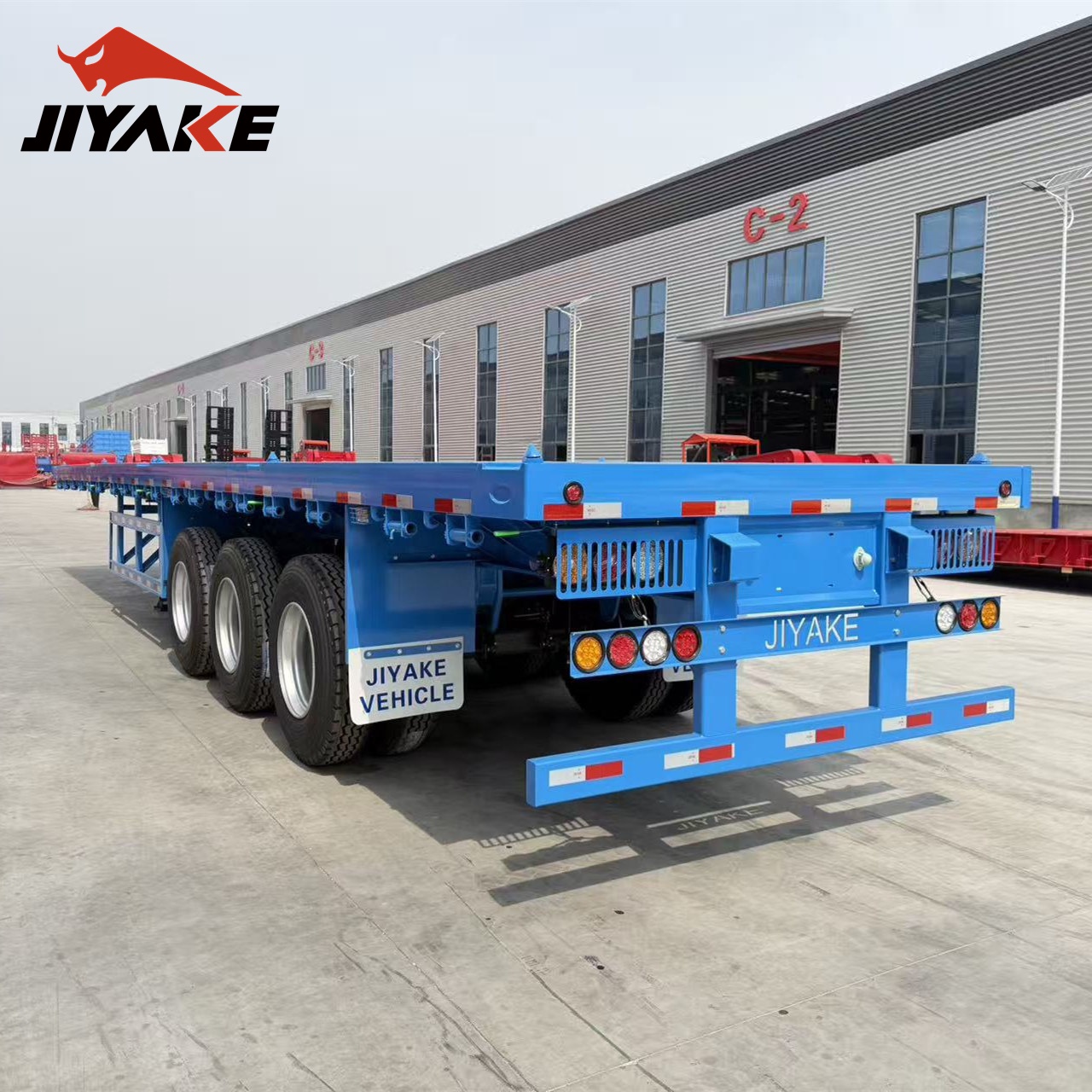
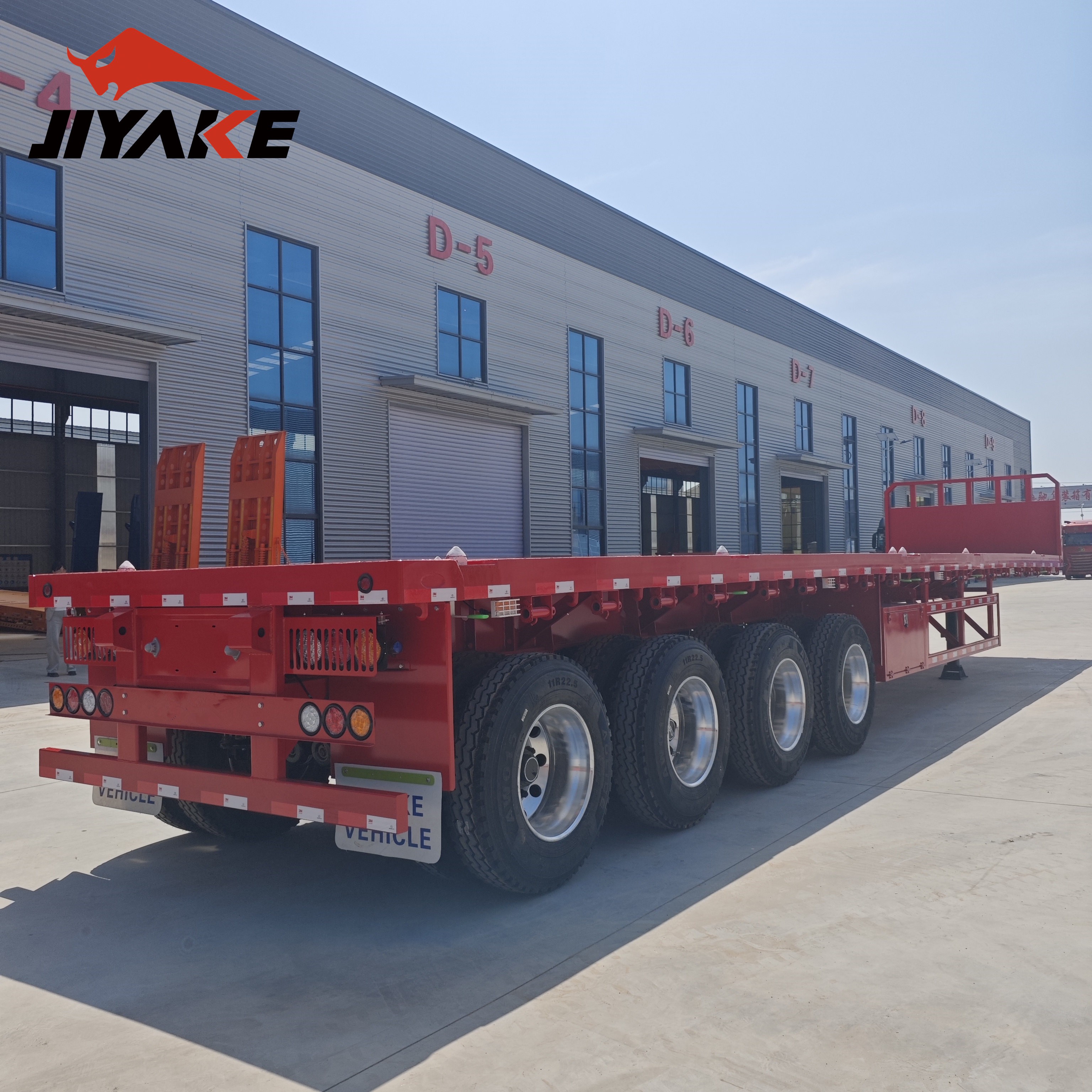
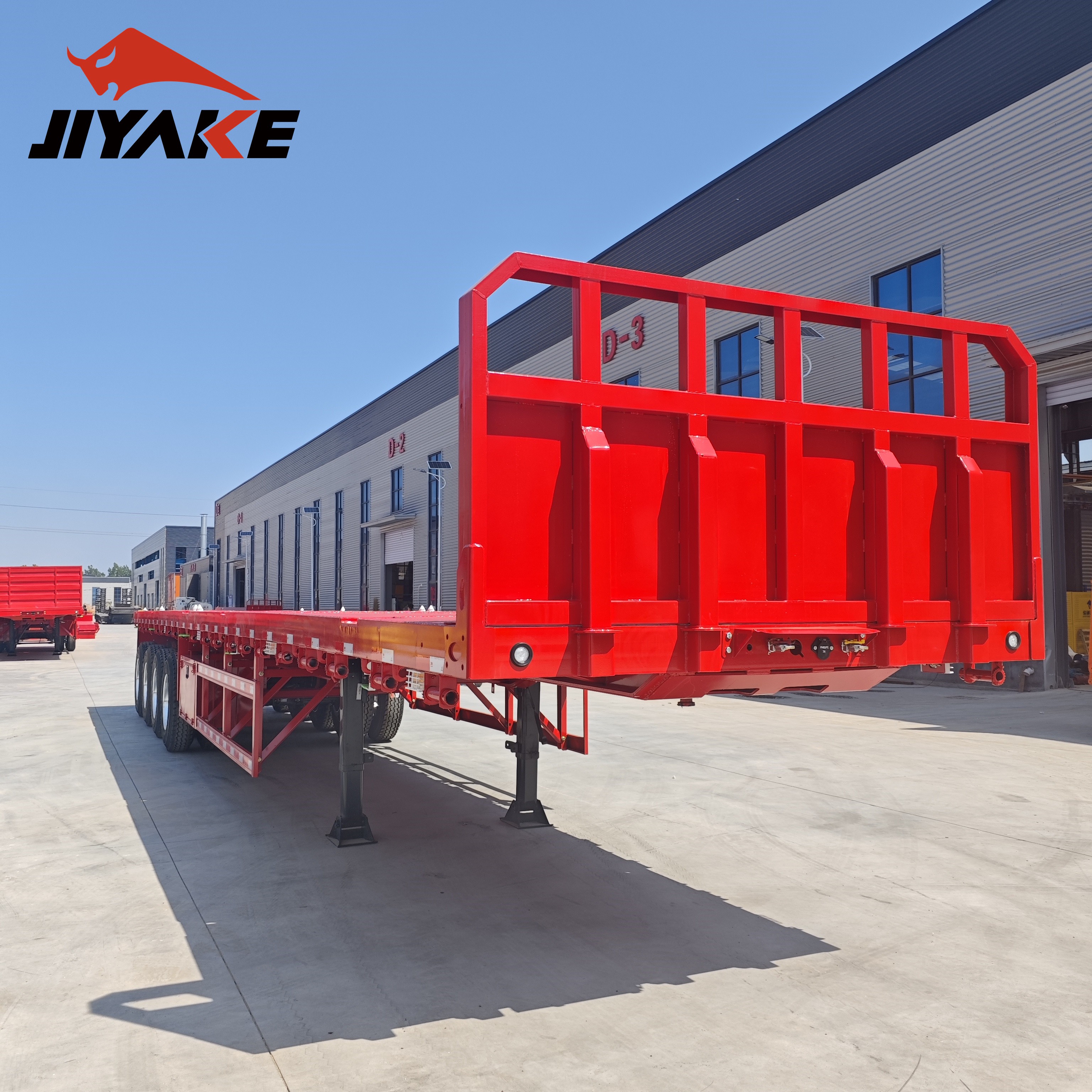
This is important because the right lowbed trailer for highway use may not be right for mining roads, construction sites, or rural transport routes. For some users, customization is essential. The same supplier that manufactures heavy-duty transport equipment may also offer other trailer formats for different cargo needs. In some fleets, operators combine lowbed units with cargo transport solutions such as Fence Cargo Trailer models for lighter but high-volume loads like agricultural products, industrial equipment, or construction materials. This kind of product range can indicate that the manufacturer understands real transport applications rather than offering only one standard design.
Why export experience matters more than many buyers expect
A manufacturer may build decent trailers, but if it lacks export experience, buyers can still face delays, documentation problems, or difficulties receiving the trailer in usable condition. For overseas orders, ask these questions:
- Which countries have you exported to?
- Can you share shipping photos and customer cases?
- Do you understand local compliance requirements?
- How do you package or ship trailers to reduce freight cost and damage risk?
- Can you provide spare parts support?
Manufacturers serving markets in Southeast Asia, Central Asia, Africa, and other international regions often have stronger practical knowledge of export packaging, customs documents, and region-specific trailer adaptation. This can save buyers time and avoid costly misunderstandings.
How to judge pricing without falling into the low-price trap
Low quotations are attractive, but in heavy vehicles they often hide compromises. A very cheap lowbed semi trailer may involve:
- Thinner steel than promised
- Lower-grade axles or suspension components
- Weak welding quality
- Poor paint treatment
- Insufficient reinforcement in high-stress areas
- Limited or no after-sales support
Instead of asking only for the lowest price, ask for a detailed configuration breakdown. Compare beam dimensions, steel standard, axle brand, suspension type, tire specification, landing gear, king pin brand, electrical system, and optional reinforcement. This makes supplier comparison much more accurate.
Total cost of ownership matters more than purchase price. A trailer that costs slightly more but lasts longer, reduces breakdowns, and minimizes tire and maintenance expense is often the better investment.
After-sales support is part of product quality
Many buyers focus on production and forget the importance of service after delivery. A reliable manufacturer should offer:
- Clear warranty terms
- Technical guidance for operation and maintenance
- Fast response for parts replacement issues
- Spare parts availability
- Support through video, documents, or online communication
This is especially important for export buyers. If a manufacturer is slow to respond after payment or cannot support repairs remotely, even a small issue may become a major interruption to your business.
When evaluating the supplier, test responsiveness before ordering. Send technical questions and see whether the replies are specific, fast, and professional.
A simple checklist to compare Chinese lowbed semi trailer manufacturers
Before making a final decision, use this checklist:
- Confirmed factory existence through documents, videos, or live visit
- Reviewed production equipment and workshop capability
- Checked weld quality, beam structure, and key components
- Verified whether specifications match your actual cargo and roads
- Compared component brands and configuration details, not just price
- Reviewed export experience and destination market cases
- Understood warranty, parts supply, and response speed
- Requested customer references or shipment proof
If a supplier performs well in all these areas, it is far more likely to be a dependable long-term partner.
Final thoughts
To judge a lowbed semi trailer manufacturer in China, focus on evidence, not promises. A trustworthy supplier should demonstrate real manufacturing capability, strong quality control, practical customization ability, export experience, and reliable after-sales support. For end consumers, the best choice is rarely the cheapest one—it is the one that gives you safe transport, lower operating risk, and dependable long-term value.
If you compare manufacturers through this practical framework, you will be in a much better position to choose a trailer that fits your business needs and performs reliably in real-world transport conditions.
Leave A Reply

First class quality service and professional after-sales team.
Get in Touch
*We respect your confidentiality and all information are protected.