




Recent Posts
 French Clients Visit JIYAKE Factory for Semi-Trailers and Used Trucks Inspection: Global Partners WelcomeOct 27, 2026
 Will a Fuel Tanker Trailer Fit Your Depot's Bottom-Loading System?Oct 15, 2026
- Aluminum vs. Carbon Steel Fuel Tanker Trailers: Which Should You Buy?Oct 15, 2026

Fuel Tanker Trailers: What Regulations Should Operators Know About?
Weight Limits and Axle Configuration Regulations
Operating fuel tanker trailers demands strict adherence to gross vehicle weight ratings (GVWR) and axle weight distributions. The Federal Bridge Formula in the US and similar EU regulations mandate maximum weights based on axle spacing to prevent road damage. Typical configurations for fuel transport require:
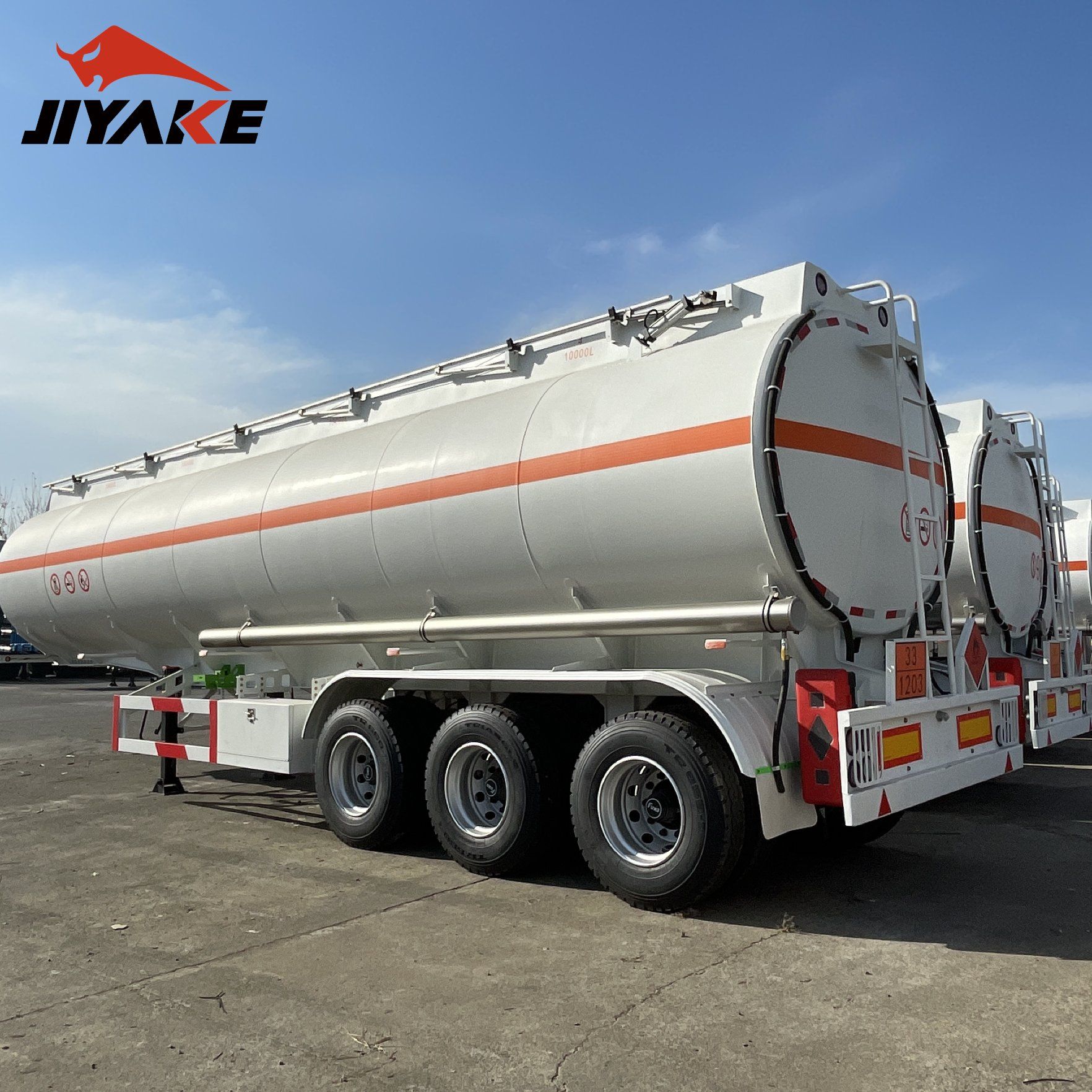
Modern fuel tankers from manufacturers like Shandong Jiyake Automobile incorporate reinforced axles (typically 2T/3.5T configurations) and load-sensing valves to maintain compliance. Operators must account for fuel density variations - gasoline weighs approximately 6.3 lbs/gallon while diesel reaches 7.1 lbs/gallon, affecting total payload capacity.
Hazardous Materials Placarding and Documentation
Transporting flammable liquids under DOT Hazard Class 3 or ADR regulations requires specific placarding and paperwork:
- Diamond-shaped placards with UN 1202 (gasoline) or UN 1203 (diesel) identifiers
- Emergency response information immediately accessible in the cab
- Bill of lading with proper shipping name, hazard class, and packing group
- Driver training certification (HazMat endorsement in US)
Our Light Truck models with 120L fuel tank capacity still require proper placarding when used for fuel transport, despite their smaller scale. The 4x2 drive configuration and 2-10 ton loading capacity make them suitable for local fuel distribution with reduced regulatory burdens compared to full-size tankers.
Tanker Design and Safety Features
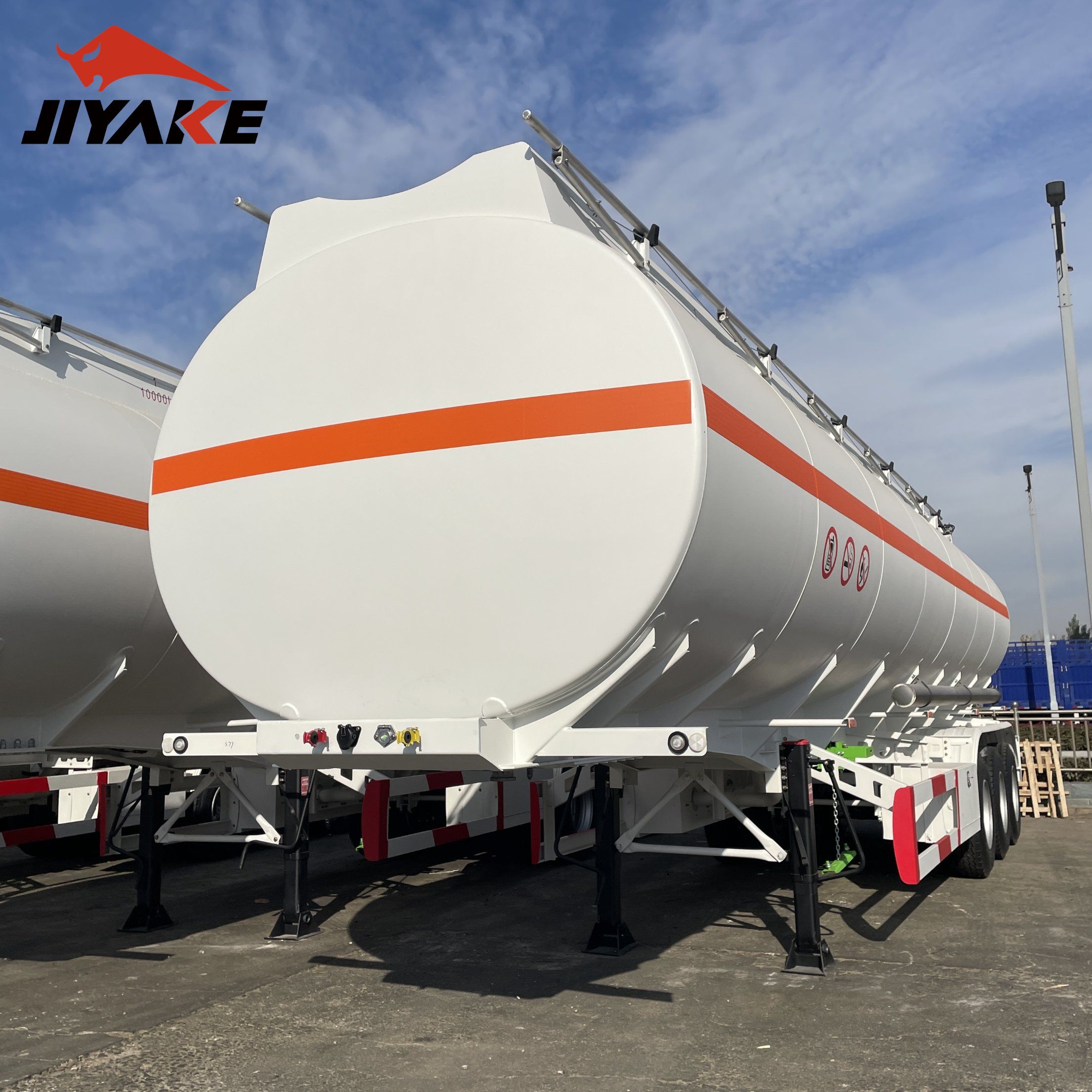
Modern fuel tanker trailers must incorporate multiple safety systems to meet NFPA 385 and DOT 406 standards:
Shandong Jiyake's tank automatic welding machines produce seamless tanker bodies with 3mm bottom thickness and 1.2mm side thickness, exceeding standard durability requirements. The factory's CNC cutting technology ensures precision baffle placement for optimal fluid dynamics during transport.
Driver Certification and Training Requirements
Personnel operating fuel tanker trailers must complete specialized training programs:
- Hazardous Materials Endorsement (HME) with background check
- Tanker vehicle-specific CDL training (minimum 40 hours)
- Emergency response procedures for fuel spills
- Annual refresher courses on evolving regulations
Our 500-employee facility includes dedicated training staff to assist fleet operators in meeting these requirements. The YC4FA115-33 engine's 115 HP output and Euro3 compliance in our Light Truck models still require proper certification when used for fuel transport applications.
Maintenance and Inspection Protocols
Fuel tanker trailers demand rigorous maintenance schedules to prevent failures:
Daily Checks
Operators must verify emergency shutoff valves, check for tank leaks, inspect hoses and couplings, and test electrical systems before each shift.
Quarterly Inspections
Certified technicians should examine structural integrity, test pressure relief valves, calibrate meters, and inspect corrosion protection systems every 90 days.
International Transport Considerations
For operators serving multiple regions like our clients in 60+ countries, key variations include:
- ADR vs. DOT specification differences in tank wall thickness
- ASEAN requirements for additional fire suppression systems
- African road authority limitations on tanker lengths
- Middle Eastern climate-specific material requirements
Our 300,000m² production facility customizes tankers with automatic welding machines to meet these diverse standards while maintaining optimal 4200*2050*400mm cargo dimensions for global logistics efficiency.
Conclusion and Compliance Strategy
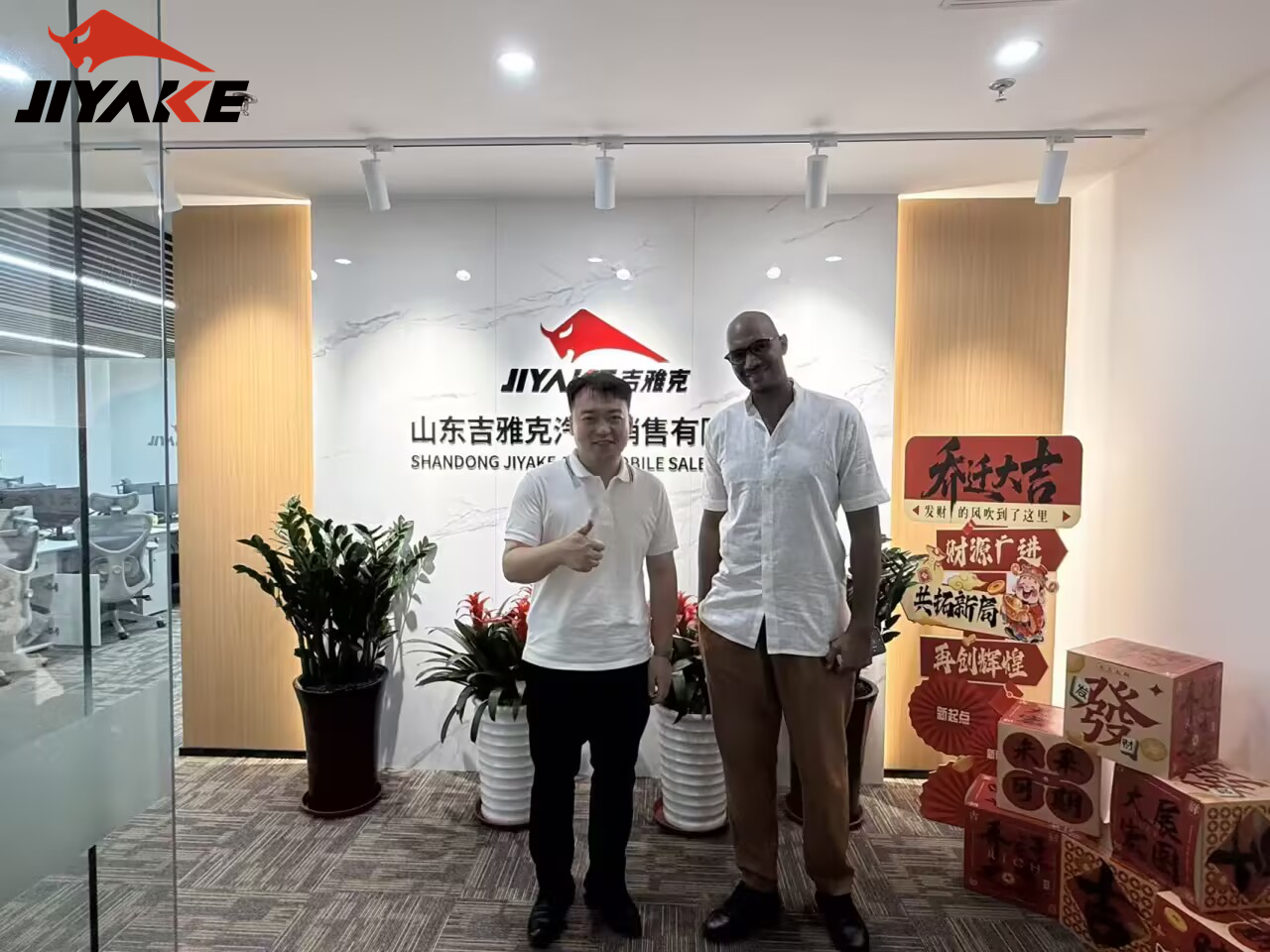
Effective fuel tanker operation requires integrating regulatory knowledge with equipment specifications. From weight distribution calculations to hazmat documentation, each element contributes to safe, legal transport operations. Shandong Jiyake Automobile's integrated design and production capabilities ensure our fuel tankers, bulk cement tankers, and specialized vehicles meet the strictest global standards while optimizing operational efficiency.
Contact our automotive experts today for a customized compliance assessment of your fuel transport fleet needs, leveraging our first-class CNC cutting and tank automatic welding technologies for regulatory-ready solutions.
Leave A Reply

First class quality service and professional after-sales team.
Get in Touch
*We respect your confidentiality and all information are protected.