




The Ultimate Guide to Buying Reliable Flatbed Trailers
In today’s high-efficiency global logistics landscape, the flatbed trailer serves as the vital link between production and consumption. For international buyers seeking high-quality equipment, purchasing a trailer is more than just a price negotiation—it is a long-term investment in durability, structural engineering, and operational reliability. This guide provides a complete professional roadmap for navigating the complexities of global trailer procurement.
1. Understanding the Strategic Value of Flatbed Trailers
A flatbed trailer is far more than a transport tool; it is an extension of your company’s operational efficiency. To gain a deeper understanding of how global logistics trends influence your specific selection needs, we recommend reviewing our comprehensive analysis: [The Role of Flatbed Trailers in Modern International Trade & Export]. Understanding these macro-factors is key to reducing your Total Cost of Ownership (TCO) in cross-border operations.
For logistics companies new to this sector, navigating the variety of available models can be daunting. We suggest starting with [What is an Open Flatbed Trailer? An Introduction for Logistics Newcomers]. By mastering the fundamentals of frame structures, main beam design, and material craftsmanship, you can avoid common procurement pitfalls and ensure your fleet expansion starts on a solid foundation.
2. Technical Specifications and Selection Logic
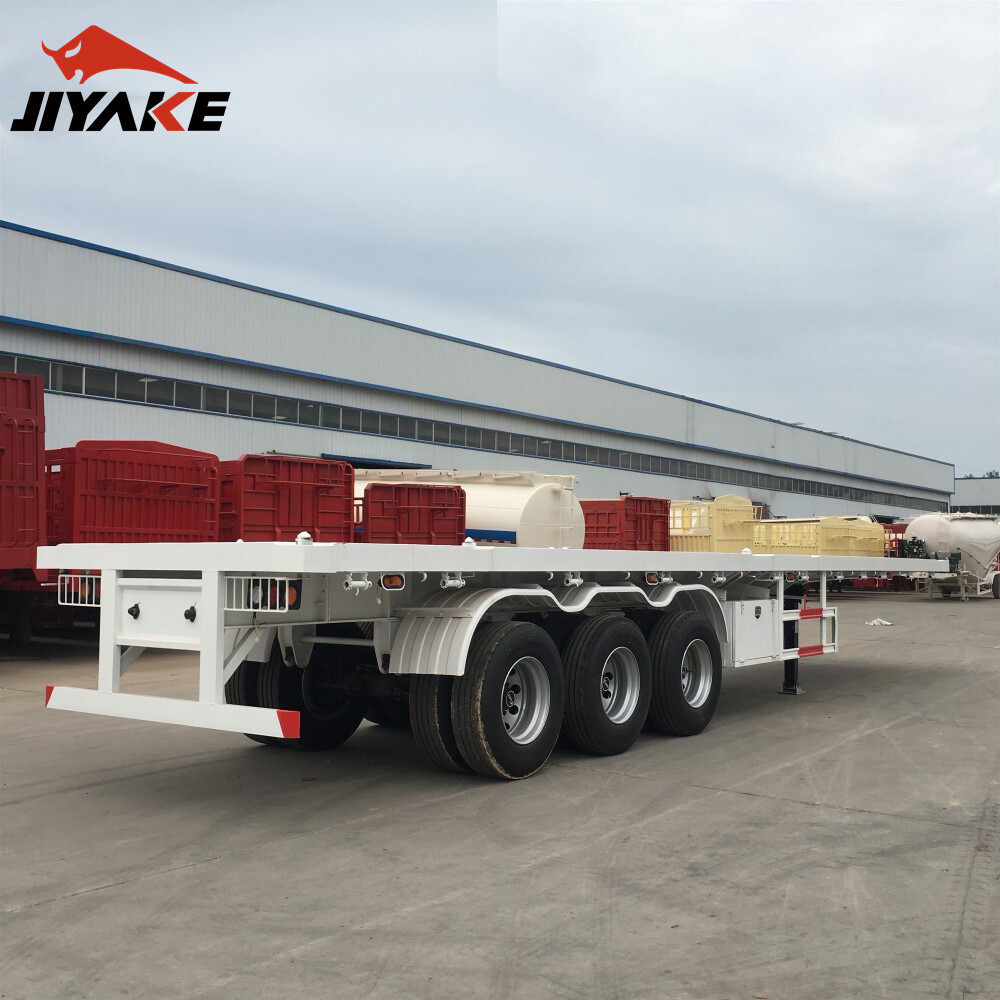
When defining your requirements, dimensions and specifications are the "hard metrics" that dictate transport efficiency. Always verify that your cargo dimensions align with mainstream international standards; you can find a detailed breakdown of these parameters in [Standard Flatbed Trailer Dimensions: A Complete Breakdown]. Furthermore, balancing the number of axles with weight capacity is critical. We recommend consulting [Understanding Flatbed Trailer Sizes: Choosing the Right Configuration] to tailor the setup to your specific hauling needs.
Table 1: Load Capacity and Application Comparison by Axle Configuration
Different power units also significantly impact performance. If you are currently evaluating hauling solutions, study [Flatbed Tractor Trailer vs. Conventional Models: Which Do You Need?] to ensure your tractor head and trailer are perfectly matched, thereby reducing mechanical wear during long-haul operations.
3. Engineering Quality and Quality Control
For clients involved in heavy-duty construction, durability is the primary metric. During your inspection process, we suggest focusing on the key quality indicators outlined in [How to Inspect a Heavy-Duty Flatbed Trailer for Construction Sites]. Pay close attention to automatic welding processes, the thickness of high-strength specialized steel, and anti-corrosion paint techniques to ensure your equipment can withstand the most grueling industrial environments.
When standard products fail to meet your unique operational demands, a customized solution is the most viable path. Compare the design features discussed in [Customizing Your Flatbed Trailer: Features for Specialized Logistics] to learn how local reinforcement and specialized locking mechanisms can enhance your transport efficiency.
Table 2: Standard vs. Customized Trailer Configurations
4. Export Compliance and Procurement Path
The final step in cross-border procurement is ensuring compliance with the laws and regulations of the destination country. To prevent customs delays or unexpected fines, we advise reading [Compliance & Safety: Regulations for Exporting Flatbed Trailers Globally], which covers essential clauses regarding brake systems, lighting standards, and load certifications.
Once you are ready to move from research to execution, we have outlined a proven procurement workflow in [Step-by-Step Guide: Buying Reliable Flatbed Trailers from Professional Suppliers]. From verifying factory credentials and contract finalization to logistics and delivery, we provide a transparent, end-to-end service system.
FAQ: Frequently Asked Questions in International Procurement
Q1: How is the international shipping cost for a flatbed trailer calculated?
A: Shipping costs are determined by volume and weight. We offer two primary logistics solutions: "Ro-Ro (Roll-on/Roll-off) Shipping," which is convenient but carries a higher premium, and "Containerized Disassembly," which involves dismantling the trailer to fit into standard containers, significantly reducing freight costs. We provide detailed assembly videos and documentation for all disassembled units, ensuring your team can reassemble them locally with ease.
Q2: What does the product warranty cover after delivery?
A: We provide a 2-year quality warranty on the main chassis frame. For wear-and-tear parts (such as brake pads, tires, and suspension bushings), we have established a comprehensive global spare parts supply system. If a part fails, simply provide us with a photo, and we will expedite the shipping of original parts via international courier to minimize your fleet’s downtime.
Q3: How can I remotely verify your factory's production capacity and credentials?
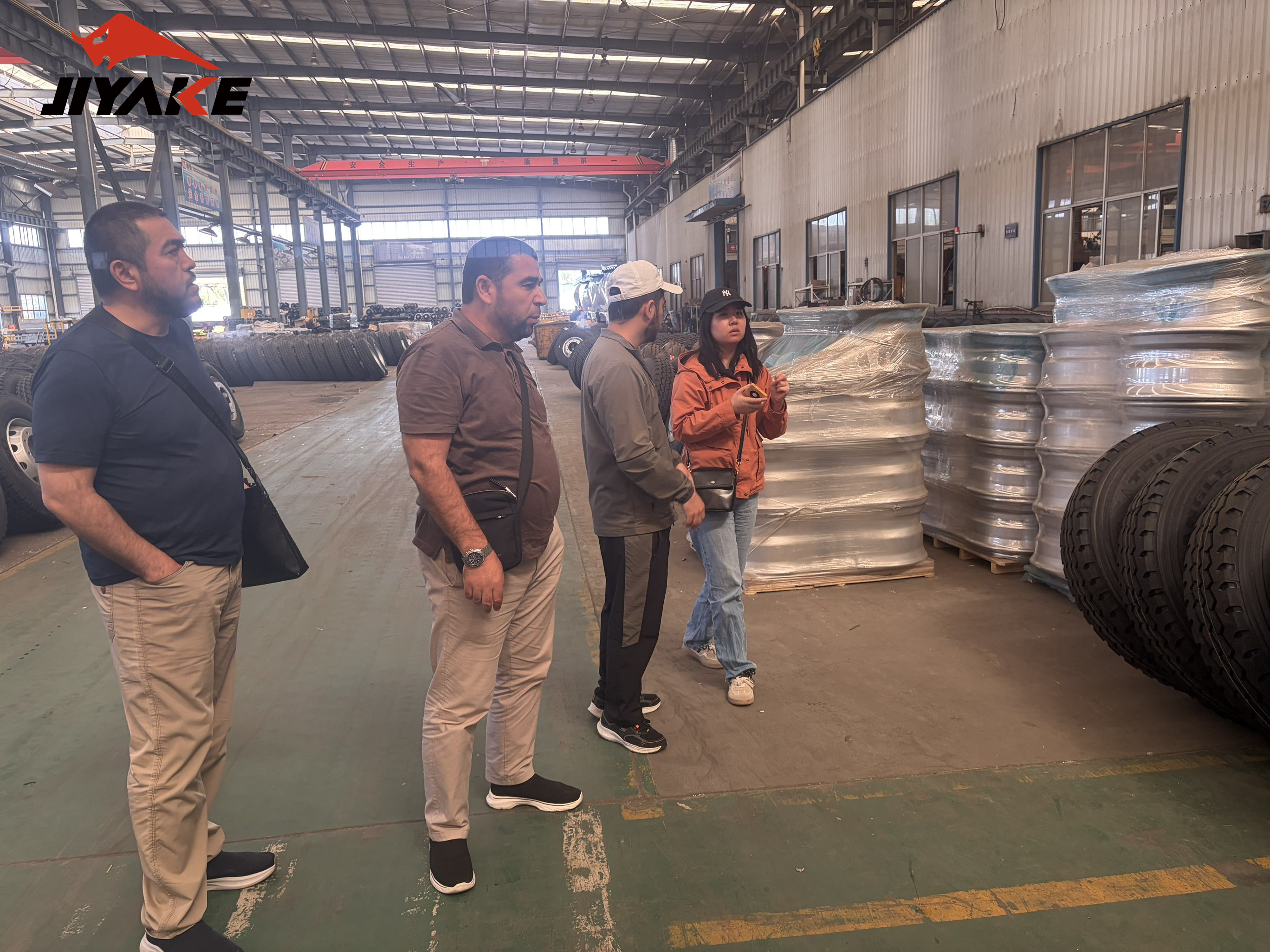
A: We support a "Virtual Factory Tour" model. You can schedule a live video call with our sales manager via WhatsApp or Zoom. This allows you to walk through our laser-cutting lines, automated welding workshops, and weight-testing platforms in real-time. You will be able to witness ongoing production and speak directly with our lead engineers to confirm that your specific requirements meet all necessary standards.
Leave A Reply

First class quality service and professional after-sales team.
Get in Touch
*We respect your confidentiality and all information are protected.