




The Role of Flatbed Trailers in Modern International Trade & Export
Flatbed trailers play a vital role in modern international trade and export, offering the flexibility and strength needed to move oversized machinery, construction materials, and industrial cargo efficiently. For global logistics buyers in the heavy truck industry, choosing reliable flatbed trailer solutions is essential to improving transport safety, reducing delivery costs, and supporting cross-border supply chain performance.
In the heavy truck sector, flatbed trailers are more than simple load platforms. They are a core tool for moving steel sections, containers, timber, engineering equipment, and project cargo across ports, border checkpoints, industrial zones, and inland delivery routes.
For importers, fleet managers, distributors, and project contractors, the main concerns are usually the same: payload stability, trailer durability, lead time, spare parts access, and whether the equipment can match regional road conditions in Southeast Asia, Central Asia, and Africa.
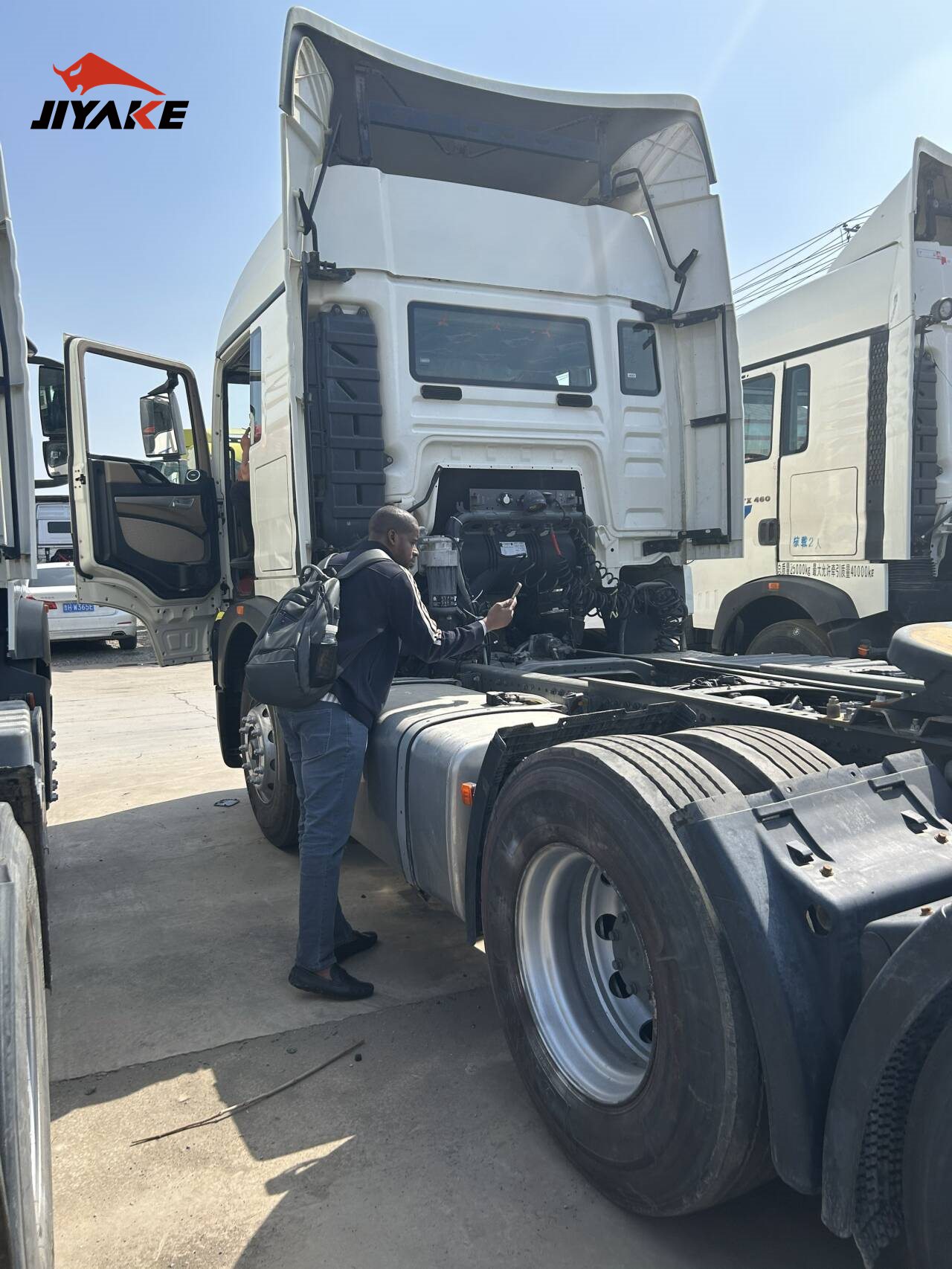
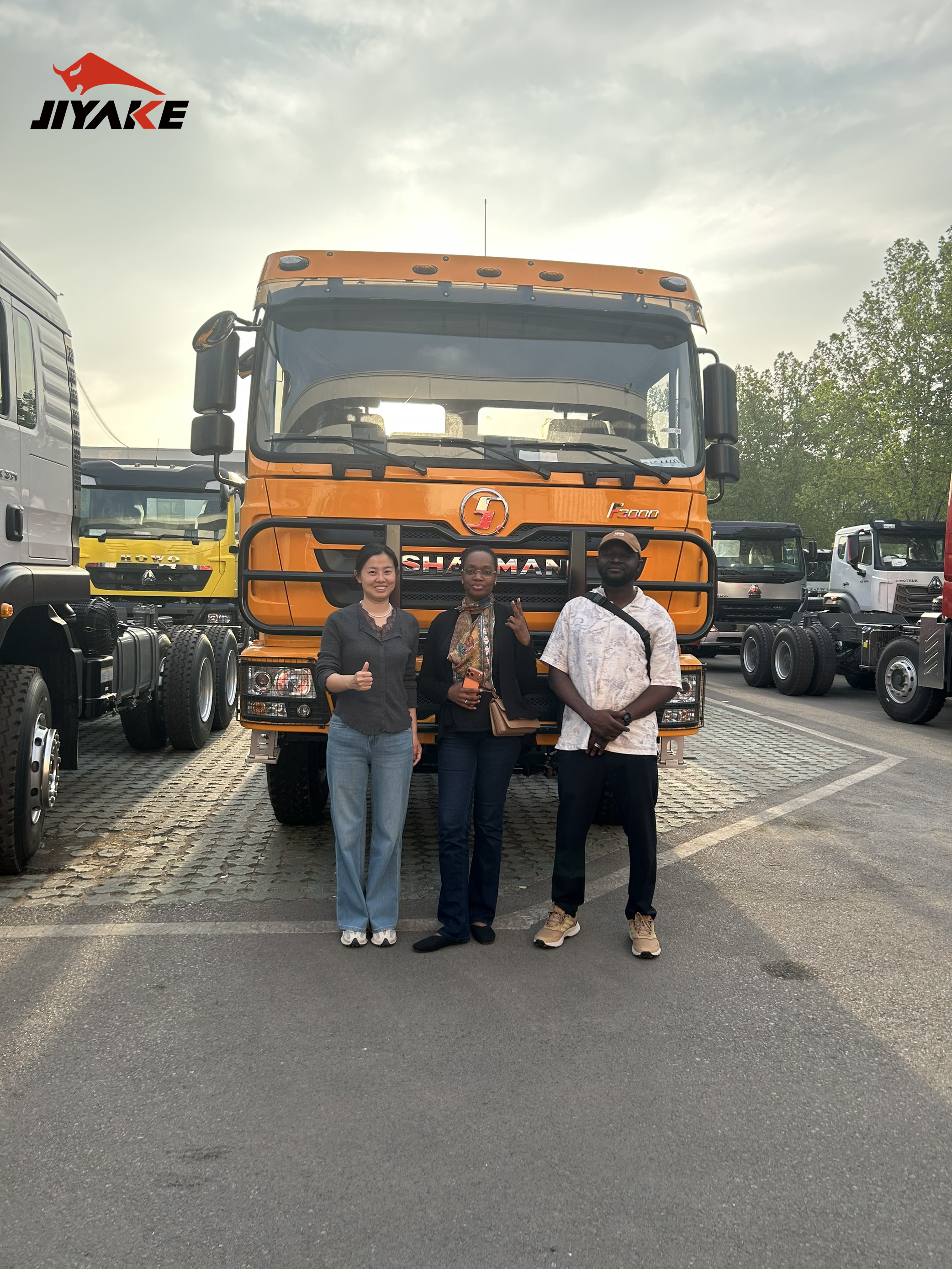
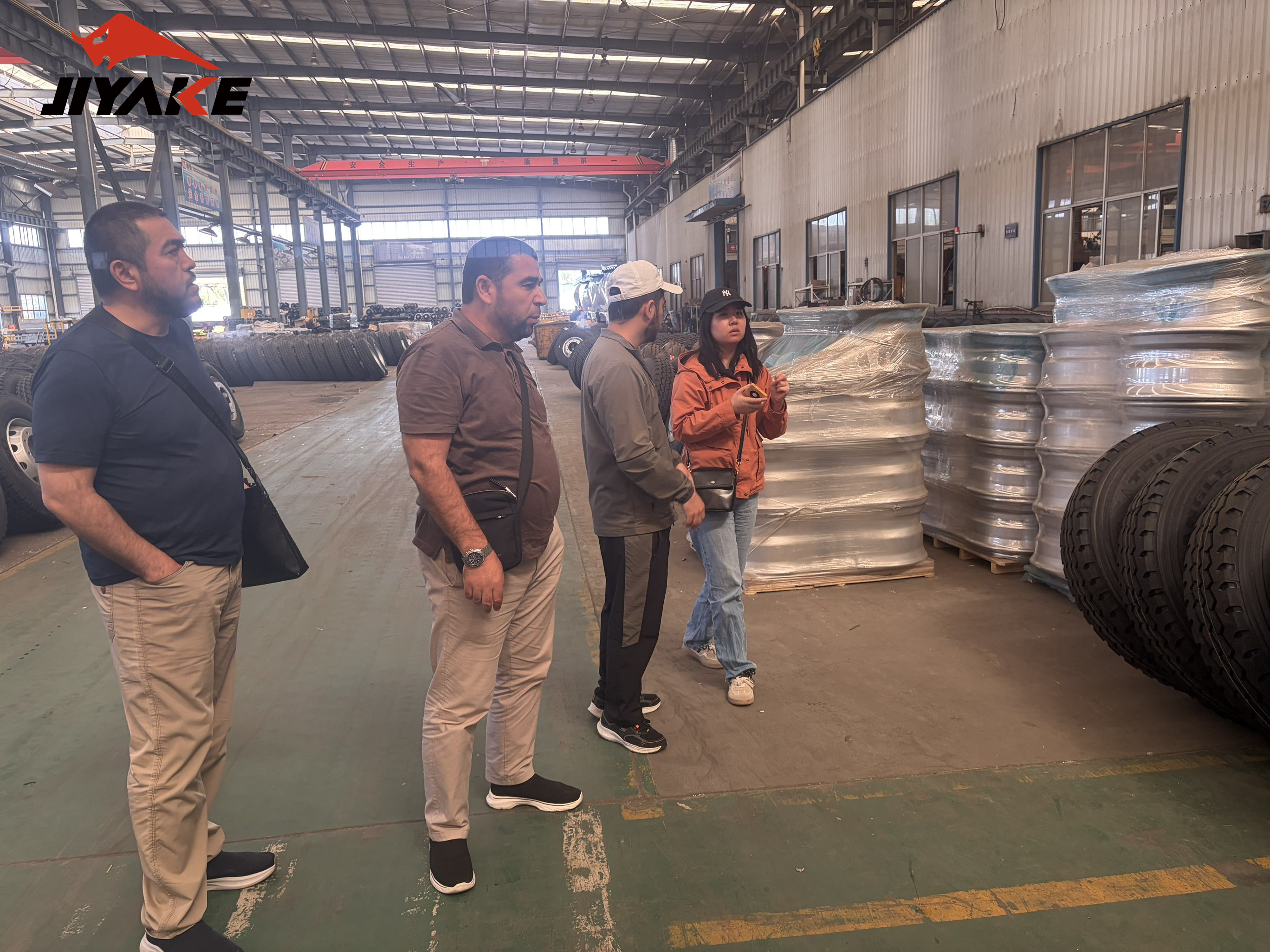
Shandong Jiyake Automobile Sales Co., Ltd. serves these practical demands through integrated design, production, trade, and vehicle fittings support. With a 300000m2 factory, 500 employees, and equipment such as CNC cutting machines, automatic welding machines, large bending machines, and tank automatic welding systems, the company supports large-scale manufacturing for semi-trailers and other heavy transport vehicles.
Why Flatbed Trailers Matter in Modern Export Logistics
International trade depends on equipment that can handle cargo with non-standard dimensions. In many export projects, cargo length reaches 6m to 12m, weight may range from 10T to 40T, and loading points are not always equipped with fixed dock systems. Flatbed trailers solve this by allowing side, rear, and crane-assisted loading.
A practical fit for oversized and mixed cargo
Compared with enclosed trailers, flatbed trailers provide better flexibility for loads that exceed normal height or width limits. This is especially useful for excavator parts, pipes, precast concrete, rebar bundles, and timber, where loading shape changes from shipment to shipment.
Common export advantages
- Easy loading from 3 sides with forklift or crane
- Better suitability for cargo lengths above 5.3m
- Lower adaptation cost for project-based transport
- Fewer loading restrictions at temporary worksites
For heavy truck operators, that flexibility can reduce idle loading time by 10% to 20% in typical engineering transport scenarios. It also helps prevent cargo rehandling, which often increases labor cost and raises the risk of surface damage during export preparation.
The table below shows how flatbed trailers compare with other common trailer types used in cross-border heavy cargo logistics.
The comparison makes one point clear: for export-oriented heavy truck operations, flatbed trailers remain one of the most versatile choices when cargo dimensions, route conditions, and loading methods vary across different markets.
Key Selection Standards for International Buyers
Choosing the right flatbed trailer is not only about price. Buyers should review at least 4 core factors: payload requirement, frame strength, axle and suspension match, and after-sales support. Missing one of these can increase maintenance frequency or shorten trailer service life on demanding roads.
1. Match trailer structure to route and cargo
Export routes often combine highways, port yards, gravel roads, and urban delivery sections. A trailer serving mining projects in Africa may face high dust exposure and uneven surfaces, while one used in Central Asian corridors may need stronger resistance to long-distance vibration over 1000km or more per trip.
2. Check manufacturing consistency
Stable welding quality, steel forming accuracy, and alignment control directly affect long-term performance. Manufacturers with automated welding and CNC cutting are generally better positioned to deliver consistency across batch orders, especially when procurement volume reaches 10 units, 20 units, or more.
3. Review service and spare parts planning
Cross-border buyers should ask for a parts list, maintenance intervals, and response timing. A practical support target is technical feedback within 24 to 48 hours and shipment coordination for standard parts within 7 to 15 days, depending on destination and customs process.
The following table highlights key procurement checkpoints that can improve purchasing accuracy and lower post-delivery risk.
For B2B buyers, these checks are often more valuable than focusing only on initial purchase cost. A lower-priced trailer can become more expensive within 12 to 24 months if maintenance, tire replacement, or structural repair occurs too frequently.
How Heavy Truck and Trailer Combinations Improve Export Efficiency
A flatbed trailer performs best when paired with a suitable tractor or engineering transport vehicle. In practical logistics planning, buyers should evaluate engine torque, drive configuration, payload range, fuel capacity, and gearbox suitability before confirming a complete transport solution.
Vehicle compatibility in engineering transport
For example, in engineering transportation and mixed route delivery, a heavy truck with 6x4 drive, 375hp output, 1500-2000Nm torque, and a 300-400L fuel tank can offer a strong balance between pulling power and route endurance. These figures are especially relevant for long-haul transport and construction-related export movement.
In some projects, buyers also compare trailers with supporting dump or dumper vehicles to build a more complete delivery fleet. A model such as Foton Truck can be relevant in supporting engineering transportation, urban construction transfer, and regional heavy-duty operations where 20-25T gross vehicle weight and 10 forward gears are practical operating benchmarks.
When integrated fleet planning makes sense
- When one supplier can coordinate trailers and heavy truck resources
- When projects require both material delivery and site unloading equipment
- When spare parts compatibility affects maintenance planning across 6 to 12 months
This integrated view is increasingly important for contractors handling road building, cement transport, timber logistics, or industrial plant expansion. A disconnected procurement strategy often creates delays between vehicle arrival, trailer readiness, and documentation handover.
Risk Control, Delivery Planning, and After-Sales Support
Even a well-built flatbed trailer can underperform if delivery planning is weak. International buyers should define a 3-stage process covering technical confirmation, production inspection, and shipment preparation. This reduces misunderstanding before the trailers leave the factory.
Common export risks
- Incorrect deck dimension for actual cargo length
- Insufficient lashing points for multi-shape industrial loads
- Mismatch between axle setup and local road regulations
- Late spare parts planning after units arrive in destination markets
Recommended implementation process
A practical workflow usually includes 5 steps: requirement discussion, technical drawing confirmation, production scheduling, pre-delivery inspection, and shipping document review. For repeat buyers, this process can shorten approval time and improve order consistency in future batches.
The next table outlines a workable export delivery framework for flatbed trailer procurement in the heavy truck industry.
This type of planning helps buyers manage both cost and timing. It is also useful when orders include multiple vehicle categories such as semi-trailers, dump trucks, tankers, or special transport vehicles for the same project portfolio.
Service capability as a long-term purchasing factor
Manufacturing strength matters, but after-sales responsiveness often determines whether equipment stays productive in the field. Buyers should look for video technical support, practical replacement handling, and communication from teams familiar with export documentation and regional operating conditions.
For companies serving more than 60 countries, experience across Southeast Asia, Central Asia, and African markets can help align trailer specifications with climate, terrain, fuel quality, and service accessibility. That experience is often more useful than generic catalog claims.
Flatbed trailers remain essential to modern international trade because they combine structural simplicity, cargo flexibility, and strong compatibility with heavy truck operations. For buyers handling industrial export, infrastructure supply, or engineering transportation, the right trailer choice depends on matching load type, route condition, support capability, and delivery planning from the start.
Shandong Jiyake Automobile Sales Co., Ltd. supports global buyers with integrated manufacturing resources, broad special-vehicle experience, and practical export service coordination. If you are evaluating flatbed trailer solutions or related heavy-duty transport equipment, contact us now to get a tailored recommendation, discuss technical details, and explore more solutions for your market.
Leave A Reply

First class quality service and professional after-sales team.
Get in Touch
*We respect your confidentiality and all information are protected.