




How to Inspect a Heavy-Duty Flatbed Trailer for Construction Sites
A heavy-duty flatbed trailer is essential for moving machinery, steel, and building materials safely across demanding construction sites. Knowing how to inspect a heavy-duty flatbed trailer helps reduce downtime, prevent costly failures, and improve jobsite safety. From structural integrity to tires, brakes, and load-securing points, a proper inspection ensures your trailer performs reliably under tough heavy truck operating conditions.
For fleet managers, site supervisors, transport contractors, and trailer buyers, inspection is not only a maintenance task. It is a risk-control process that affects uptime, payload security, operator safety, and compliance across daily construction transport operations.
In heavy truck applications, flatbed trailers often work under high loads, uneven ground, and frequent loading cycles. A trailer that carries 20 to 60 tons on rough access roads requires a more disciplined inspection routine than a standard road trailer.
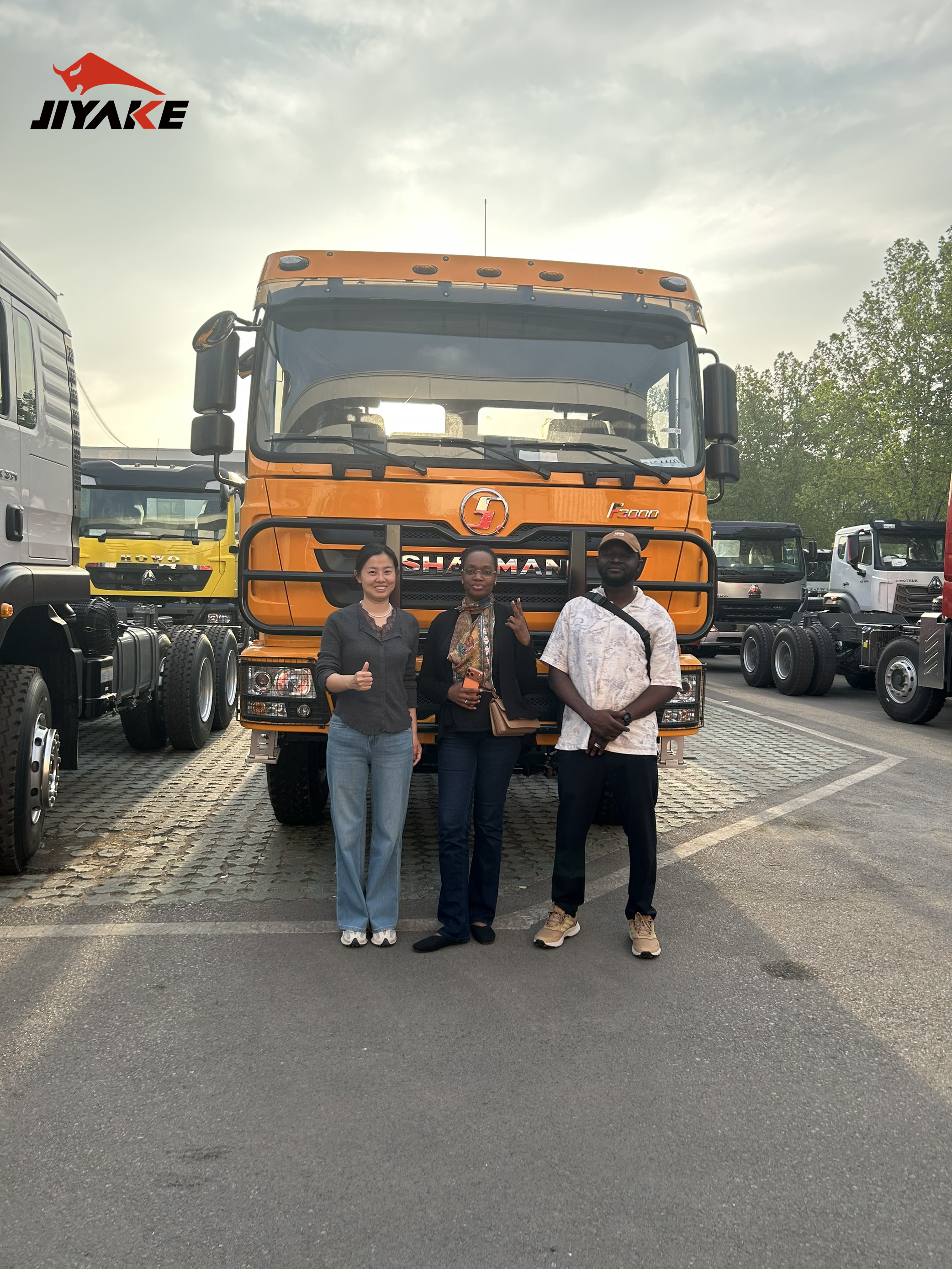
As a full-size modified truck and trailer enterprise serving more than 60 countries, Shandong Jiyake Automobile Sales Co., Ltd. understands that practical inspection standards help buyers extend equipment life, reduce unplanned repair intervals, and protect project schedules on demanding jobsites.
Why Flatbed Trailer Inspection Matters on Construction Sites
Construction sites expose trailers to concentrated stress in at least 4 areas: frame loading, suspension movement, braking force, and deck impact. Repeated use under these conditions can turn a small defect into a shutdown event within 1 to 3 weeks if not detected early.
A proper heavy-duty flatbed trailer inspection helps identify fatigue cracks, bent crossmembers, worn tires, leaking air lines, and loose tie-down points before they affect load safety. This is especially important when transporting excavators, steel bundles, pipes, concrete forms, or oversized site materials.
Common Jobsite Risks
- Overloading beyond rated axle or deck capacity
- Brake wear caused by stop-start movement on slopes
- Tire sidewall damage from rubble, rebar, and sharp aggregate
- Twist stress from uneven terrain and temporary access roads
- Deck damage from steel tracks, forklifts, or dropped materials
What a Missed Defect Can Cost
Even one failed brake chamber, one damaged wheel stud, or one cracked weld can delay delivery windows by 8 to 24 hours. On a time-sensitive project, that can affect crane scheduling, labor coordination, and site productivity far beyond the cost of the part itself.
The table below shows where inspection failures usually create the highest operational risk in construction transport.
The highest risks usually come from structural fatigue and braking faults because they directly affect both load control and road safety. These issues should be checked before every trip, not only during periodic workshop service.
Step-by-Step Inspection Checklist Before Loading
A reliable inspection routine should take 15 to 30 minutes for a standard pre-trip check and longer if the trailer has recently handled extreme loads. The goal is to inspect visible condition, functional systems, and load-securing readiness in a consistent sequence.
1. Check the Frame, Welds, and Deck Structure
Start with the main beams, crossmembers, side rails, neck section, and rear loading area. Look for visible cracks, rust concentration around welds, bent flanges, and signs of previous impact. Pay close attention to stress points near axle mounts and landing gear brackets.
If the deck is steel, inspect for dents, gouges, or local buckling. If timber inserts are used, confirm there are no loose sections, missing fasteners, or water-damaged boards. A deck with more than 1 damaged loading zone can reduce secure contact with tracked equipment.
2. Inspect Tires, Wheels, and Suspension
Check all trailer tires for cuts, bulges, exposed cord, and irregular wear patterns. Uneven wear often signals axle misalignment, overloading, or suspension imbalance. For multi-axle heavy-duty flatbed trailers, one underinflated tire can accelerate wear across the entire axle group.
Inspect wheel nuts, rims, leaf springs or air suspension components, equalizers, shock mounts, and bushings. Any visible looseness, broken leaves, or airbag damage should be corrected before dispatch. Suspension faults can quickly affect deck stability on rough roads.
3. Test Brakes and Air Connections
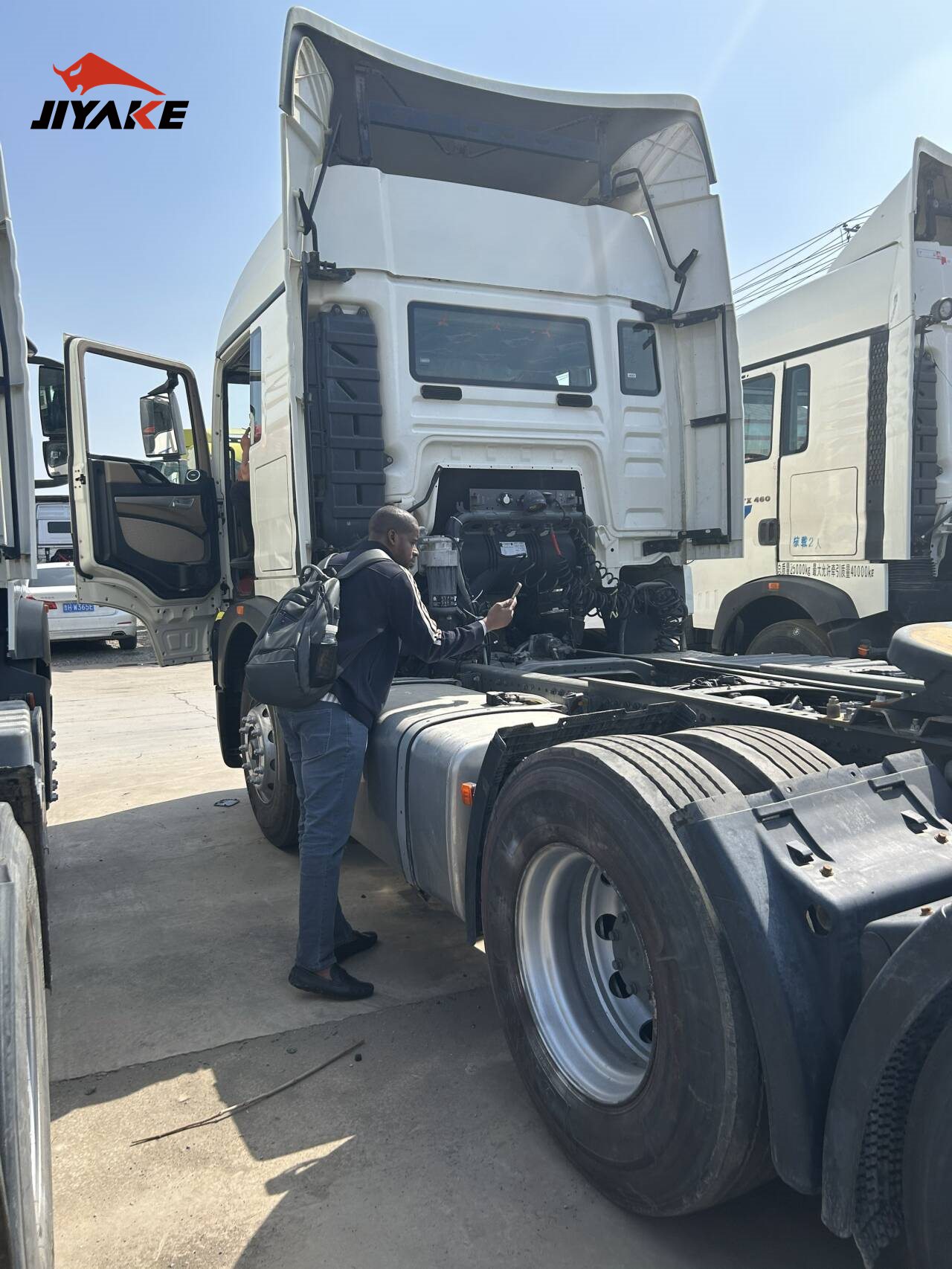
Brake inspection should include hoses, couplings, chambers, slack adjusters, and visible lining condition where accessible. Listen for air leaks after connection to the tractor. A pressure drop or delayed brake release often indicates line leakage, contamination, or component wear.
On construction routes with inclines, repeated stops, and mixed road surfaces, brake performance is critical. If stopping response is inconsistent across axle positions, the trailer should be serviced before carrying heavy machinery or steel sections.
4. Review Load-Securing Points and Accessories
Inspect lashing rings, stake pockets, chain hooks, winches, side guards, and ramps if fitted. Each securing point must be free of deformation, severe corrosion, or cracked welds. A damaged tie-down point can fail suddenly under dynamic load, especially during braking or turning.
Many operators also keep service stock of critical replacement items such as braking, chassis, and electrical components. For fleets running Sinotruk HOWO-related applications, sourcing Parts in categorized systems can shorten repair planning and improve trailer readiness during tight construction schedules.
5. Confirm Lighting, Reflectors, and Landing Gear
Verify brake lights, turn signals, side markers, reflectors, and wiring protection. Construction environments are harsh on electrical systems because of dust, vibration, and moisture. A simple lighting failure can stop a trailer from entering public roads or night-shift delivery routes.
Landing gear should raise and lower smoothly without binding. Check for bent legs, damaged foot plates, and gearbox issues. If the trailer is frequently dropped on uneven surfaces, inspect landing gear more often than standard highway-only fleets.
The following checklist can be used as a practical pre-loading standard for site transport teams.
This checklist works best when tied to driver sign-off and workshop follow-up. A repeatable routine is more effective than occasional detailed checks with no record or accountability.
Inspection Standards for Buyers, Fleet Owners, and Procurement Teams
If you are buying a new or used heavy-duty flatbed trailer for construction work, inspection should also be part of procurement evaluation. A lower purchase price can quickly lose value if the trailer needs frequent structural repair, brake replacement, or deck reinforcement within the first 6 months.
Key Evaluation Points Before Purchase
- Confirm rated payload matches your common load range, not only peak requirements.
- Review beam structure, axle configuration, and suspension type for site conditions.
- Check spare parts availability and delivery lead time, ideally within 7 to 15 days for common service items.
- Assess manufacturing consistency, including cutting, welding, bending, and assembly quality.
Why Manufacturing Quality Affects Inspection Results
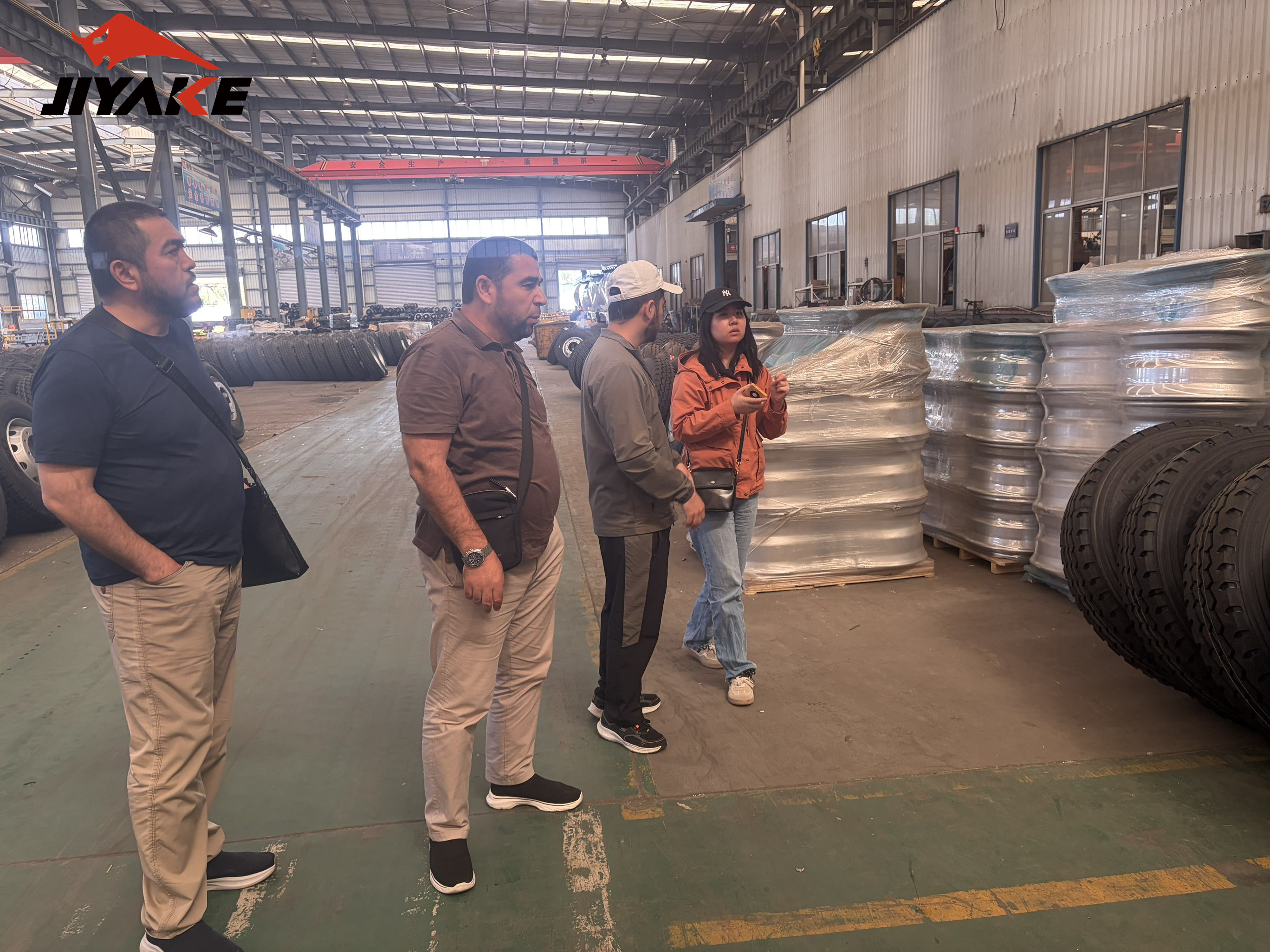
Trailers built with stable production processes are easier to inspect and maintain over time. Shandong Jiyake Automobile Sales Co., Ltd. operates on a 300000m2 factory base with 500 employees and equipment such as CNC cutting machines, automatic welding machines, large bending machines, canning machines, and tank automatic welding machines.
For buyers, this matters because fabrication accuracy influences weld consistency, component fit, and long-term serviceability. In heavy truck fleets, a trailer designed with maintainability in mind can reduce downtime over 12 to 24 months of continuous use.
Matching Inspection Planning to Service Support
A practical inspection strategy should include replacement planning for chassis, braking, drivetrain-related interfaces, electrical systems, and specialized components. When required, export-ready Parts can support maintenance with standard packing, multiple shipping options by express, sea, air, or land, and flexible payment methods for international buyers.
This is especially valuable for contractors operating across Southeast Asia, Central Asia, and African markets, where access to the right service components can determine whether a trailer returns to work in 2 days or remains idle for 2 weeks.
Common Inspection Mistakes and How to Avoid Them
Many failures are not caused by a lack of inspection, but by incomplete inspection. Teams may focus on visible tire wear and miss hidden frame stress, or they may test lights but ignore tie-down integrity after repeated heavy loading cycles.
Frequent Mistakes in Construction Hauling
- Checking only the outer tires on tandem or tri-axle groups
- Ignoring deck distortion after transporting tracked machines
- Reusing damaged chains or bent lashing points
- Skipping brake leak checks during short local trips
- Delaying repair of small weld cracks until major service intervals
Practical Prevention Measures
Use a 5-step walk-around, require photo records for structural defects, and classify findings into immediate repair, scheduled repair, and monitoring items. For high-utilization fleets, a weekly supervisor audit can improve inspection consistency and reduce overlooked faults.
Training also matters. Operators should understand the difference between cosmetic wear and critical damage. For example, surface rust may be manageable, but a crack near a suspension hanger or kingpin area demands immediate technical review.
A heavy-duty flatbed trailer on a construction site works in one of the most demanding transport environments in the heavy truck sector. Careful inspection of structure, tires, brakes, deck condition, and load-securing points helps prevent failures that disrupt schedules and increase operating cost.
For buyers and fleet operators, the best results come from combining disciplined pre-trip checks, realistic procurement standards, and dependable parts support. If you need trailers, service guidance, or component solutions for construction transport, contact Shandong Jiyake Automobile Sales Co., Ltd. to get tailored recommendations, discuss product details, and explore more heavy truck solutions for your market.
Leave A Reply

First class quality service and professional after-sales team.
Get in Touch
*We respect your confidentiality and all information are protected.