




Understanding Flatbed Trailer Sizes: Choosing the Right Configuration
Understanding flatbed trailer sizes is essential for selecting the safest and most cost-effective transport solution in the heavy truck industry. From standard lengths to specialized configurations, the right flatbed trailer directly affects cargo capacity, loading efficiency, and road compliance. This guide will help buyers, fleet managers, and transport businesses compare options and choose a configuration that matches real operating needs.
In cross-border and regional freight, trailer size decisions influence far more than deck length. They affect payload planning, axle distribution, route access, turnaround time, and total operating cost over 3–5 years. For buyers sourcing semi-trailers from experienced manufacturers such as Shandong Jiyake Automobile Sales Co., Ltd., understanding these variables helps avoid costly mismatches between vehicle specification and cargo profile.
With production facilities covering 300000m2 and 500 employees, the company serves more than 60 countries with semi-trailers, dump trucks, tankers, concrete mixer trucks, tractor trucks, and other special vehicles. That manufacturing scope matters because real transport fleets rarely operate a single body type. A buyer comparing flatbed trailer sizes often also needs related equipment for site support, bulk transport, or water distribution in construction and mining environments.
Why Flatbed Trailer Size Matters in Heavy Truck Operations
A flatbed trailer is not simply a platform on wheels. In heavy truck logistics, the correct configuration must balance legal dimensions, cargo weight, cargo shape, and unloading conditions. A 40-foot unit may be efficient for container-compatible machinery loads, while a 45-foot or 48-foot platform may better suit steel, timber, pipes, or prefabricated construction materials.
Core impacts on transport efficiency
The first impact is payload use. If the trailer is too short, the operator may need 2 trips instead of 1. If it is too long, dead space can reduce loading stability and increase lashing complexity. The second impact is maneuverability. In urban roads, ports, and mining access routes, every additional 1–3 meters can affect turning radius, reversing time, and driver safety.
Typical decision factors
- Deck length and usable loading area
- Axle count, often 2 axles, 3 axles, or more for heavier duty work
- Cargo type: machinery, bagged goods, steel sections, timber, or palletized loads
- Road regulations on overall length, height, and gross combination weight
- Loading method by forklift, crane, or side loading equipment
In practical fleet planning, size selection should be tied to cargo frequency. If 70% of loads fall within a standard deck footprint, a standard trailer usually offers better lifecycle economics than a highly customized body. Special designs are valuable when the route, industry, and load pattern are stable enough to justify the specification.
The following table outlines common flatbed trailer size ranges and where they are typically used in heavy truck transport.
The key takeaway is that “bigger” is not always “better.” Standard lengths often provide the best balance of legal compliance, tire wear control, and route flexibility. Extended decks become more valuable when cargo dimensions regularly exceed standard loading space or when reducing the number of trips has a measurable cost benefit.
How to Match Trailer Dimensions to Cargo and Route Conditions
Choosing the right flatbed trailer size starts with cargo mapping. Buyers should review at least 20–30 recent shipments and classify them by length, width, weight, loading point, unloading point, and securing method. This data reveals whether the fleet needs one versatile specification or a mixed trailer portfolio.
Load profile analysis
For example, steel coils and dense machine parts may reach axle load limits before using full deck length. By contrast, agricultural equipment frames or timber can consume deck space long before weight limits are reached. That difference determines whether the priority should be stronger suspension and chassis reinforcement, or longer usable deck and side-access convenience.
Four questions buyers should ask
- What is the average cargo length, and how often does it exceed 12m?
- Does the route include ports, mines, job sites, or narrow city roads?
- Is loading handled by crane from the top or forklift from the side?
- Will the trailer work with a 6x4 tractor head or a different prime mover setup?
Route conditions are equally important. A trailer operating 500–800 km on paved highways may prioritize capacity and fuel efficiency. One entering rough construction or mining roads needs stronger frame support, stable suspension geometry, and better clearance management even if nominal payload stays the same.
This comparison table can help procurement teams align trailer size with real operating conditions instead of relying only on nominal dimensions.
When these factors are reviewed together, buyers can avoid two common mistakes: selecting a long trailer for occasional oversized loads, or using a standard trailer for repetitive heavy equipment work that really requires a lower platform or reinforced design.
Important Configuration Details Beyond Length
Length gets most of the attention, but width, axle layout, deck height, suspension type, and material thickness are just as important. In many heavy truck applications, performance problems come not from deck length itself but from poor matching between structure and operating duty.
Axles, deck height, and structural strength
A 3-axle flatbed is often selected for broader load distribution and heavy commercial transport. However, the actual choice depends on legal axle limits and the weight concentration of the cargo. Deck height also matters because it affects center of gravity, loading angle, and total vehicle height after cargo is secured.
Specification checkpoints
- Main beam strength for concentrated industrial loads
- Cross-member spacing for flooring support and long-term durability
- Suspension selection based on highway use or mixed-road operation
- Tire and brake compatibility with regional service networks
- Securing points sized for repeated chain, strap, or mixed restraint methods
For companies serving construction, mining, and infrastructure sectors, trailer procurement is often linked with other support vehicles. A contractor moving compact machinery on flatbeds may also need site water distribution for dust control and soil compaction. In such cases, combining transport equipment planning with support vehicle sourcing can improve deployment speed and after-sales coordination.
One example is the Water Truck, used in construction sites, mining operations, road maintenance, and agricultural irrigation. Available capacities include 5,000 Liters, 8,000 L, 10,000 Liters, and 20,000 liters, with a 6x4 drive type and 371hp output. For contractors managing mixed fleets, aligning trailer and tanker specifications through one supplier can simplify procurement and spare parts planning.
Common Buying Mistakes and How to Avoid Them
Many buyers focus on purchase price but underestimate operating losses caused by the wrong trailer size. A lower-cost unit can become more expensive within 12–24 months if it creates underloading, route restrictions, premature tire wear, or poor compatibility with local tractor heads.
Mistakes seen in fleet expansion projects
The first mistake is buying based on one oversized cargo job rather than average monthly demand. The second is ignoring local compliance rules on overall length and gross vehicle dimensions. The third is ordering a trailer without confirming loading infrastructure, especially when cranes, forklifts, or ramps differ across sites.
A practical 5-step purchase workflow
- Collect 3 months of shipment data.
- Separate loads by dense cargo, oversized cargo, and standard freight.
- Check route limits, border rules, and customer unloading requirements.
- Compare at least 2 trailer configurations with lifecycle cost in mind.
- Confirm after-sales support, spare parts supply, and production lead time.
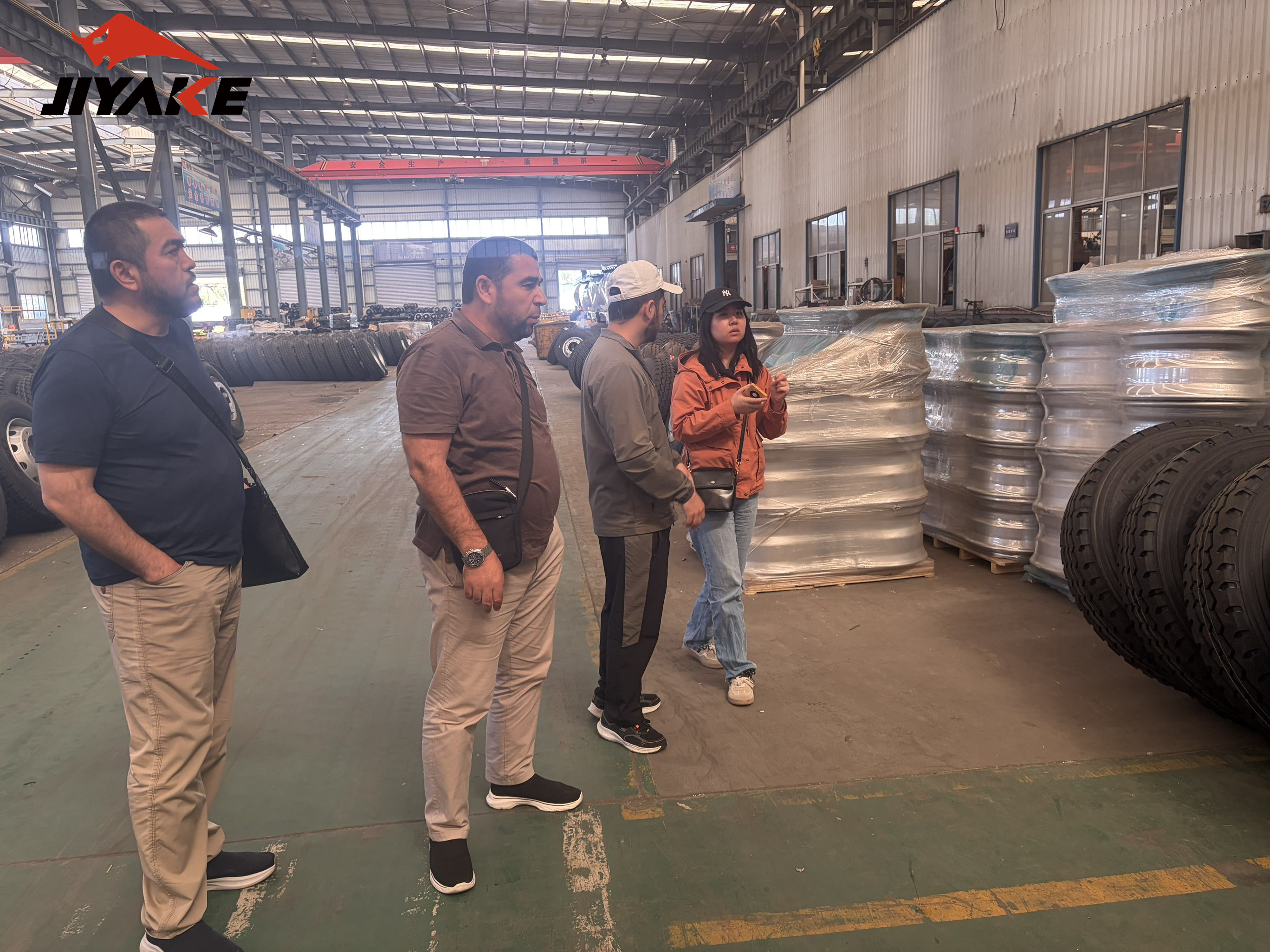
A capable manufacturer should also discuss frame materials, welding consistency, production equipment, and delivery planning. Shandong Jiyake Automobile Sales Co., Ltd. operates first-class CNC cutting machines, automatic welding machines, large bending machines, canning machines, and tank automatic welding machines. For B2B buyers, that production capability supports more consistent fabrication quality across semi-trailers and special vehicles.
If your business handles both freight and site operations, the same sourcing review can extend to auxiliary vehicles. For example, a water tanker built with Carbon steel Q235B, a tank body of 4mm, and an end dish of 5mm may better suit demanding outdoor work where durability matters as much as capacity.
Final Selection Tips for Buyers and Fleet Managers
The right flatbed trailer size is the one that fits 80% or more of your recurring freight tasks without creating compliance, handling, or maintenance problems. Start with actual cargo dimensions, then verify axle loading, road conditions, and loading methods. After that, review structural details that support long service life in your target market.
For fleets operating across construction, logistics, mining, and industrial delivery sectors, a strong supplier relationship can be as important as the trailer specification itself. Working with a manufacturer that covers semi-trailers, tractor trucks, dump trucks, tankers, and special vehicles gives buyers more flexibility when operations expand or diversify.
If you are comparing flatbed trailer sizes for regional transport, project cargo, or mixed heavy-duty applications, now is the right time to review your load data and technical requirements. Contact us to get a tailored configuration proposal, discuss trailer details, or learn more about integrated heavy truck and special vehicle solutions for your market.
Leave A Reply

First class quality service and professional after-sales team.
Get in Touch
*We respect your confidentiality and all information are protected.