




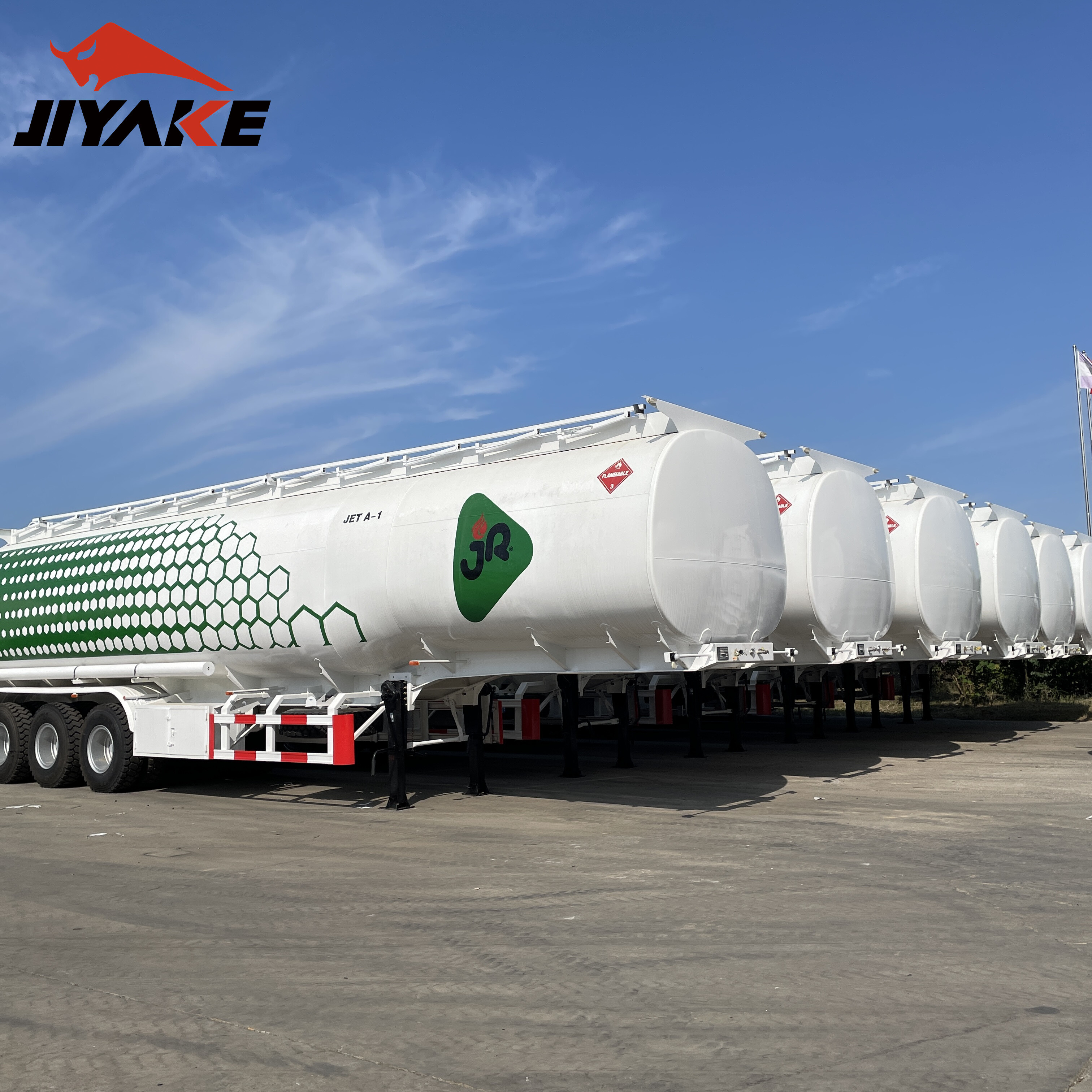
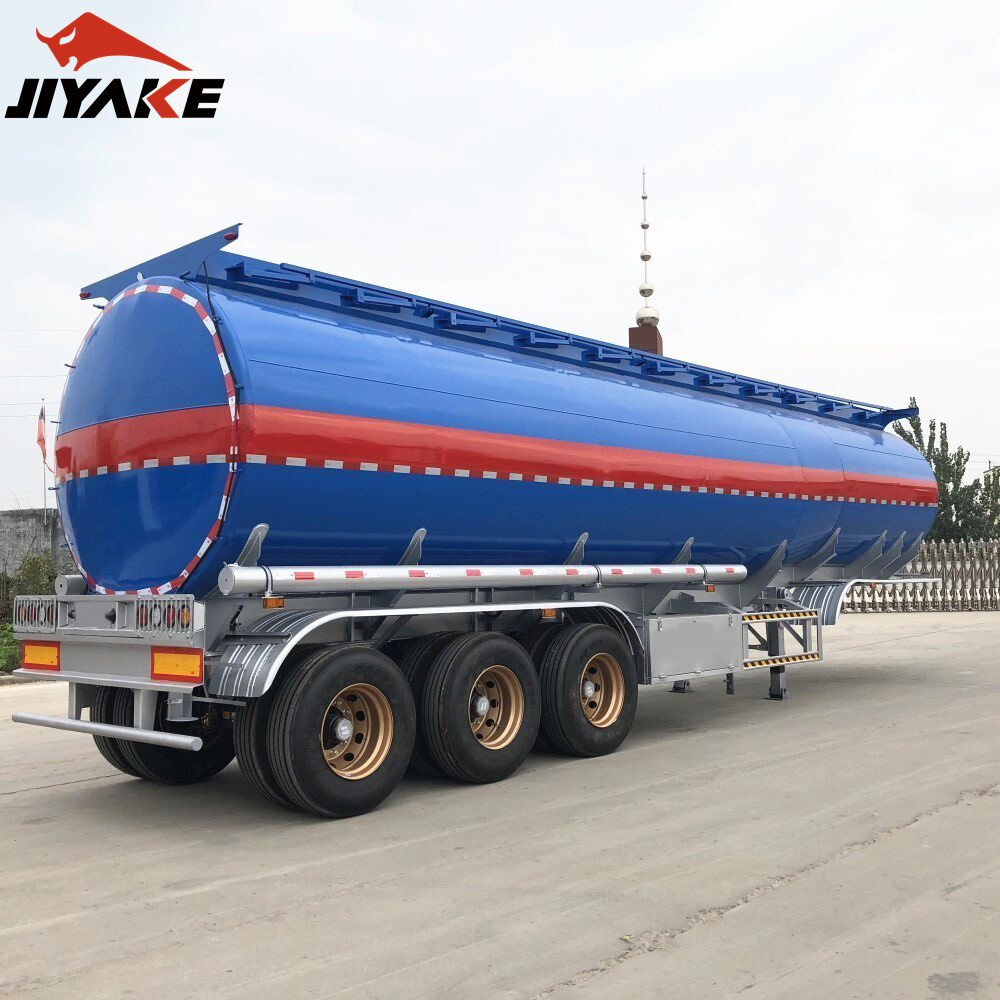
Water Tanker Truck Capacity Guide: 5 Key Sizing Mistakes
Why does water tanker truck capacity create so many buying mistakes?
A water tanker truck looks simple on paper. In practice, capacity affects payload, trip frequency, fuel use, axle loading, and delivery timing.
That is why the wrong tank volume often costs more later. An oversized unit may run half full. An undersized one may add extra trips every day.
For heavy truck operations, the better question is not “What is the biggest tank?” It is “What capacity fits the route, road rule, and work cycle?”
Manufacturers with broad special-vehicle experience usually approach sizing this way. Shandong Jiyake Automobile Sales Co., Ltd. serves more than 60 countries and builds multiple tanker and transport bodies, so route reality and local compliance matter as much as tank volume itself.
Is bigger always better for a water tanker truck?
Usually, no. This is the first and most common sizing mistake.
A larger water tanker truck can reduce refill frequency, but only if roads, bridges, and site access support the loaded weight. Water is heavy, so tank size quickly changes gross vehicle mass.
More common problems appear in mixed routes. A truck may leave the depot full, then face narrow roads, soft ground, or urban limits that reduce safe operating flexibility.
It also changes braking demand, tire wear, and sloshing behavior. If baffling, axle distribution, and suspension matching are overlooked, “more capacity” can mean less usable efficiency.
- Choose larger tanks for long haul supply routes with reliable road conditions.
- Choose moderate tanks for municipal, construction, or repeated stop-and-go operations.
- Verify legal payload before comparing list prices.
What happens when the water demand estimate is too rough?
This is the second mistake. Many decisions start with a daily volume target, but the estimate often ignores refill distance, waiting time, and seasonal peaks.
A water tanker truck for road spraying behaves differently from one used on mining roads, dust suppression, emergency supply, or agricultural support.
In actual use, the better sizing method is route-based. Count how much water is delivered per shift, how far the refill point is, and how many cycles are realistic.
If one trip takes longer than expected, a large theoretical capacity may still miss site demand. That is where many fleets lose productivity without noticing it at first.
Are axle limits and chassis matching more important than tank volume?
In many cases, yes. This is the third mistake, and it is often hidden until delivery or registration.
A water tanker truck is not only a tank. It is a complete heavy truck system, including chassis, axles, frame strength, tires, suspension, and braking layout.
If the requested capacity pushes weight onto one axle group, the truck may fail local compliance or operate with poor balance. That affects safety and service life.
Experienced factories with CNC cutting, automatic welding, and tank welding capability usually help align tank structure with chassis configuration before final production. That step matters more than chasing a headline volume number.
A useful cross-check is to compare body logic across vehicle types. For oversized cargo, an Flatbed Trailer depends on axle layout, deck access, and load distribution rather than platform size alone. Water tankers follow the same engineering logic.
How do route conditions change the right water tanker truck size?
This is the fourth mistake: selecting from catalog capacity only, without route segmentation.
The same water tanker truck capacity may perform well on a paved industrial route and poorly on quarry roads or soft construction ground.
Short-haul urban work usually values maneuverability and fast cycle times. Remote site work may value higher onboard volume, but only if loading points are far apart and terrain allows it.
A practical comparison often looks like this:
- Urban roads: moderate capacity, tighter turning, easier legal compliance.
- Industrial parks: balanced capacity with predictable refill scheduling.
- Mining or remote roads: larger capacity only when ground conditions support full load.
- Multi-use fleets: avoid extreme sizing unless one duty dominates.
Can a lower purchase price still mean a poor capacity decision?
Absolutely. This is the fifth mistake.
A cheaper water tanker truck may look attractive if tank volume matches the target. Yet operating cost comes from more than the initial quotation.
If the tank is too small, labor hours, fuel, and refill downtime increase. If it is too large, tire wear, fuel burn, and maintenance exposure rise without full utilization.
It is also worth checking service support and production consistency. A supplier with integrated vehicle production, fittings support, and export experience can reduce specification errors before the truck enters service.
That does not mean buying the most complex unit. It means matching the water tanker truck to actual transport duty, local compliance, and total cost over the working cycle.
What is the simplest way to narrow the correct capacity?
Start with five checks and write them into one comparison sheet.
- Daily and peak water demand by route.
- Loaded road restrictions and axle limits.
- Refill distance, queue time, and shift cycles.
- Ground condition, turning radius, and site access.
- Lifecycle cost, not tank price alone.
If two capacities both appear workable, choose the one that stays legal, balanced, and productive on the worst realistic route, not the best one.
That approach usually avoids the five major sizing mistakes. It also makes supplier discussions more concrete, especially when comparing tanker design, chassis options, and delivery requirements across different heavy truck applications.
The next step is simple: map the route, verify the payload limits, and compare one smaller and one larger water tanker truck option against real shift data before locking the specification.
Leave A Reply

First class quality service and professional after-sales team.
Get in Touch
*We respect your confidentiality and all information are protected.