




What Is a Cement Bulker Trailer and When Is It Better Than Bagged Delivery?
What a Cement Bulker Trailer Really Is
A cement bulker trailer is not just a trailer that carries cement without bags. In practice, it is a pressure-assisted tank trailer built to move dry bulk powder such as cement, fly ash, lime powder, or other fine particle materials in sealed form. That distinction matters, because the trailer is part of a delivery system, not only a transport body. The tank, air compressor, piping, discharge valves, and pressure control work together so the cargo can be unloaded pneumatically into a silo without manual handling.
This is why people in construction, concrete supply, and bulk material logistics often compare bulk cement transport and bagged cement delivery as two very different operating models. One relies on silo receiving and mechanical unloading. The other relies on palletized or stacked bags, warehouse handling, and much more labor at the destination. If a site has no storage silo, a bulker may not be practical. If it does, bagged cement can quickly become the more expensive habit.
Why Bulk Delivery Changes the Economics
The biggest advantage of a cement bulker is not speed alone. It is the removal of repeated handling steps. Bagged cement has to be filled, stacked, loaded, unloaded, stored, moved again, and finally opened before use. Every step adds labor, breakage risk, packaging cost, and material loss. Anyone who has worked around torn bags and damp storage areas knows how quickly “small” losses stop being small.
Bulk delivery simplifies that chain. The product is loaded at the plant, sealed inside the tank, transported, then blown directly into a silo. For ready-mix plants, precast operations, and large infrastructure jobs, that usually means cleaner receiving, better inventory control, and less contamination from moisture or debris. It also reduces the amount of packaging waste left on site.
That said, “bulk is cheaper” is only true under the right conditions. If the receiving point is small, irregular, or lacks silo storage and compressed-air-compatible unloading arrangements, the saving on packaging may be offset by poor site readiness. This is where buyers often misjudge the decision: they compare unit price per ton but ignore the system around the delivery.
How It Works on a Real Job Site
A typical cement bulker trailer uses a closed tank body, often shaped to support smooth powder flow toward the discharge area. During unloading, an onboard or tractor-driven air compressor pressurizes the tank. The air fluidizes the cement and pushes it through discharge pipes into the customer’s silo. The principle is straightforward, but performance depends on details such as tank design, pipeline condition, powder characteristics, and pressure management.
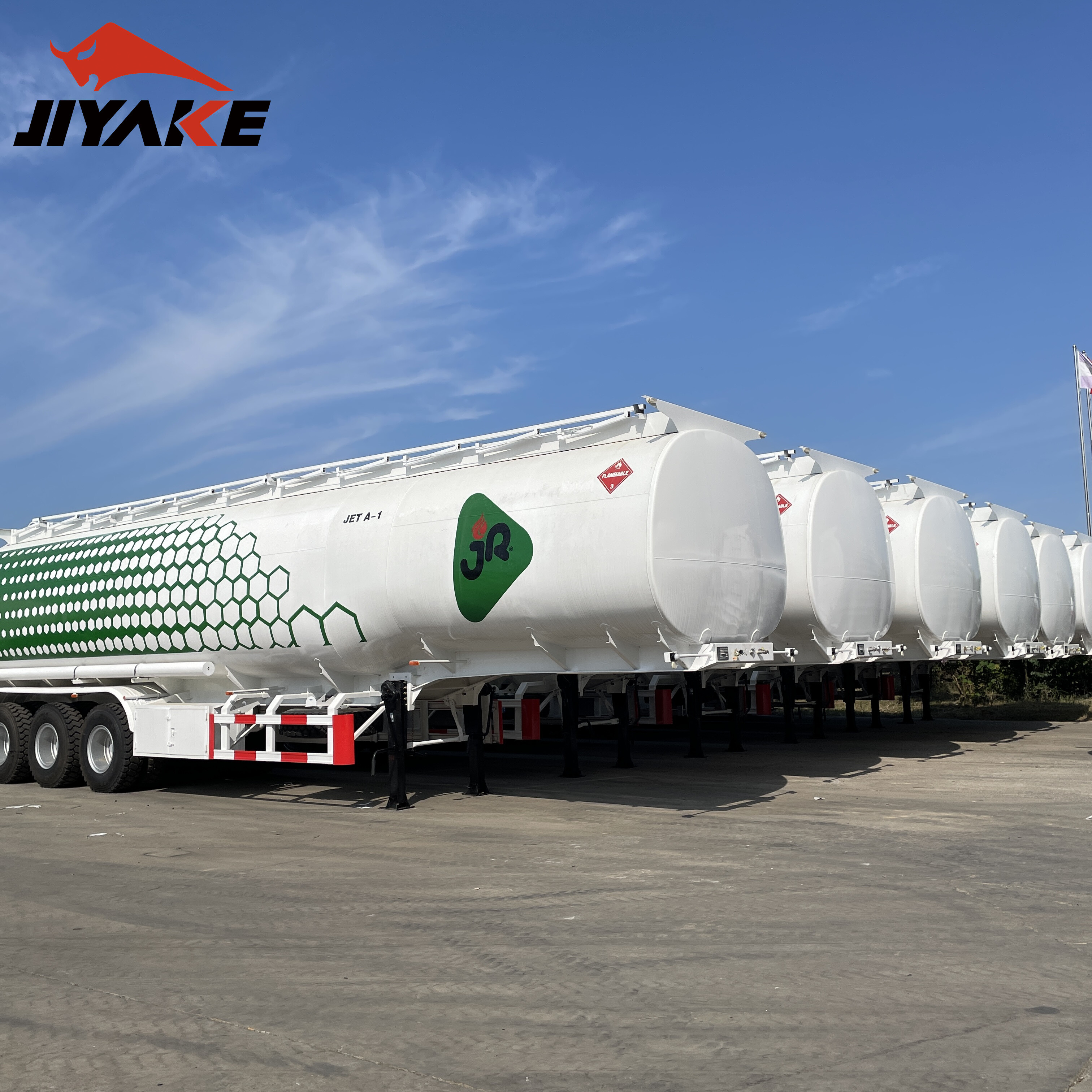
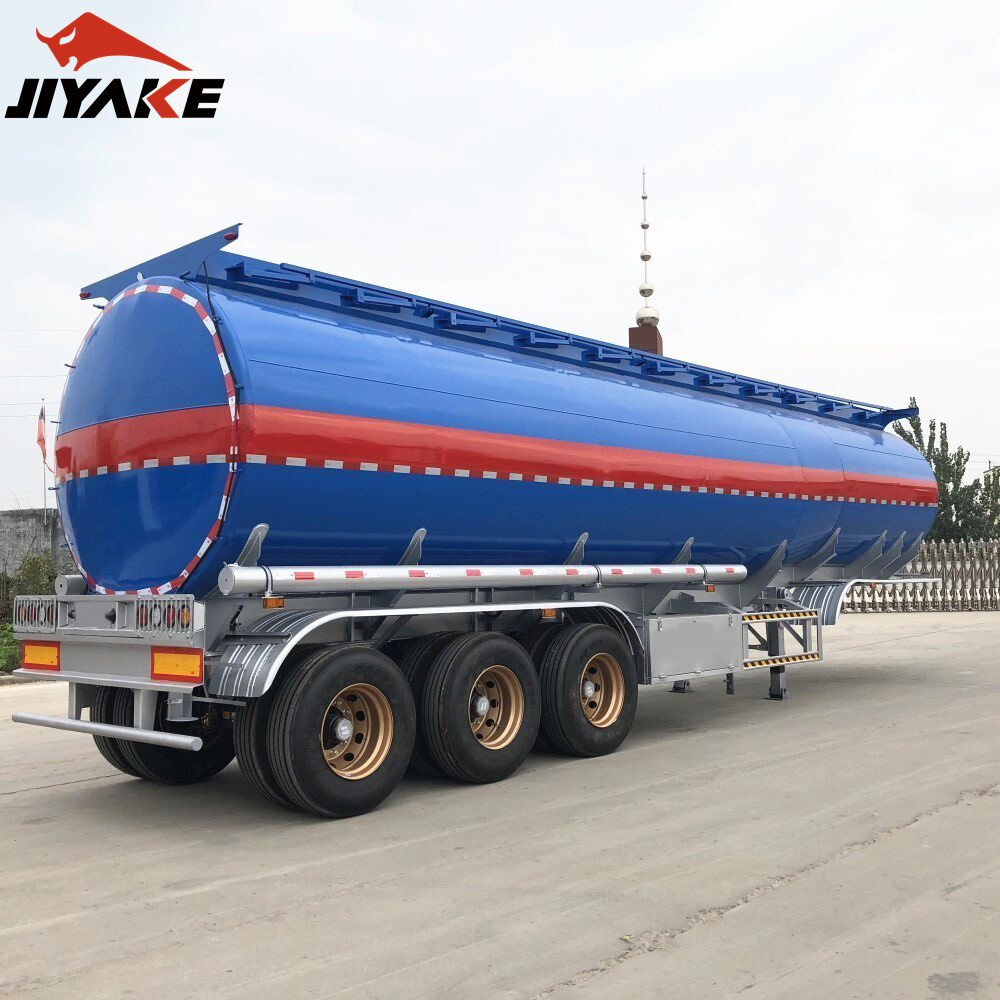
This is also why bulk powder trailers are engineered differently from general cargo trailers. You are not hauling stable packaged goods; you are managing a fine material that can bridge, compact, absorb moisture, or discharge unevenly if the system is not matched properly. Manufacturers with experience in special vehicles tend to focus on welding quality, tank sealing, pipe layout, and chassis durability because these affect both unloading efficiency and long-term reliability. Companies such as Shandong Jiyake Automobile Sales Co., Ltd., which build bulk cement tankers and other special trucks for varied export markets, usually work from that more practical view of transport equipment: the trailer must fit the material, the road conditions, and the receiving method together.
When It Is Better Than Bagged Cement
Bulk delivery tends to be the better choice in a few clear situations.
It makes sense when consumption is high and regular. Concrete batching plants, block factories, precast yards, and major road or bridge projects consume enough cement to justify silo storage and scheduled bulk replenishment. In these settings, unloading speed is not just convenient; it helps keep production running with fewer interruptions.
It also fits projects where cleanliness and moisture control matter. Cement in bags can be exposed during handling or storage, especially in humid or rainy environments. A sealed bulker system reduces those exposure points. That does not eliminate all risk, but it narrows it considerably.
Another good fit is when labor is limited or costly. Bagged delivery creates work at every handoff. Bulk shifts more of the job to equipment and site setup. For some operators, that is the real financial turning point.
When Bagged Delivery Still Makes More Sense
Bagged cement is still the practical option for small-volume users, scattered delivery points, retail distribution, or sites without silo infrastructure. If a contractor needs limited quantities at multiple locations, the flexibility of bags can outweigh their inefficiency. The same applies when access conditions are poor or unloading equipment is unavailable.
There is also a planning issue. Bulk works best when demand is predictable. If consumption is uneven and storage discipline is weak, a silo can be underused or poorly managed. In those cases, bagged supply may cost more per ton but still be easier to control operationally.
A Few Common Misunderstandings
One common misunderstanding is that any powder can move in any bulker trailer. In reality, bulk density, particle behavior, and moisture sensitivity affect unloading performance. Another is that trailer capacity alone tells you productivity. Payload matters, but so do discharge rate, compressor condition, road regulations, axle layout, and the receiving silo’s compatibility.
People also confuse bulk powder transport equipment with other trailer categories because many fleets operate mixed cargo needs. A contractor might use a bulk cement tanker for powder materials and a separate trailer for packaged or irregular loads. For example, a project moving construction materials and equipment alongside bulk powder may pair a tanker with something like a Fence Cargo Trailer, which serves a very different role. That contrast is useful: one system is built for sealed pneumatic discharge, the other for accessible physical cargo handling.
How to Judge Whether a Cement Bulker Fits Your Operation
Ask four practical questions.
Do you have silo storage at the delivery point? If not, a cement bulker will not solve the last step for you.
Is your consumption volume steady enough to justify bulk scheduling? Irregular low-volume demand often favors bags.
Are labor, material loss, and packaging waste currently a visible cost? If yes, bulk delivery may address more than transport alone.
Can your routes and site access support the trailer configuration you plan to use? Capacity only helps if the vehicle can actually reach the unloading point efficiently.
In other words, the decision is less about whether bulk transport is modern and more about whether your site is organized to benefit from it. When the storage, unloading, and usage pattern are aligned, a cement bulker trailer is usually the cleaner and more economical tool. When they are not, bagged delivery remains the more forgiving choice, even if it looks less efficient on paper.
Leave A Reply

First class quality service and professional after-sales team.
Get in Touch
*We respect your confidentiality and all information are protected.