





Tractor Truck Selection Tips for Large Infrastructure Projects
Tractor Truck selection starts with the jobsite, not the brochure
Choosing a Tractor Truck for large infrastructure work affects schedule control, fuel spend, uptime, and transport safety every day.
On paper, many units look similar. In practice, road grades, haul distance, cargo type, and local service access change the right answer.
A Tractor Truck working on a bridge corridor faces different pressure than one moving materials between a port and an inland project zone.
That is why smart selection begins with operating conditions, then moves to powertrain, axle layout, durability, and lifecycle support.
Why infrastructure projects create very different Tractor Truck demands
Large infrastructure logistics rarely stay uniform for long.
Early phases may require heavy machine delivery. Mid-phase work often shifts toward bulk material transport. Final stages may prioritize stable paved-road distribution.
The same Tractor Truck may perform well in one phase, then become inefficient when route conditions improve or payload patterns change.
Another factor is regional operating reality. Service parts, fuel quality, ambient temperature, and road regulations vary across Southeast Asia, Central Asia, and Africa.
Manufacturing depth matters here. Companies with integrated production, fittings support, and export experience usually adapt specifications more effectively.
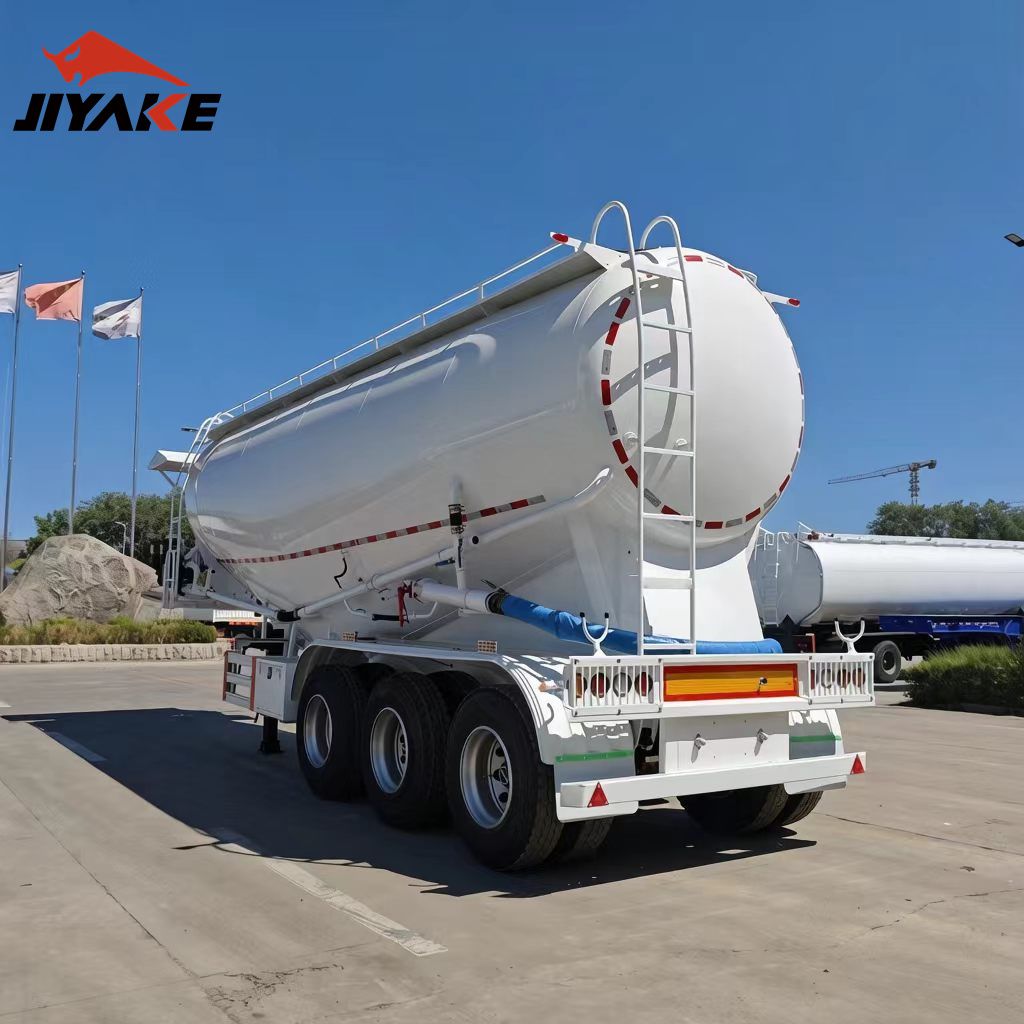
Shandong Jiyake Automobile Sales Co., Ltd. works across tractor trucks, semi-trailers, tankers, dump trucks, and special vehicles, which supports that broader matching logic.
In rough access routes, traction and frame strength matter more than headline speed
For roadbuilding, dam works, and remote energy sites, access roads are often soft, uneven, and unfinished.
In these conditions, a Tractor Truck needs enough torque reserve, suitable axle configuration, and suspension durability before fuel economy becomes the main filter.
Ground clearance also deserves closer attention. Low-hanging components can increase stoppages even when engine output looks sufficient.
Frame rigidity matters because repeated twisting loads shorten service life on bad roads. A strong chassis often reduces later welding repair and alignment issues.
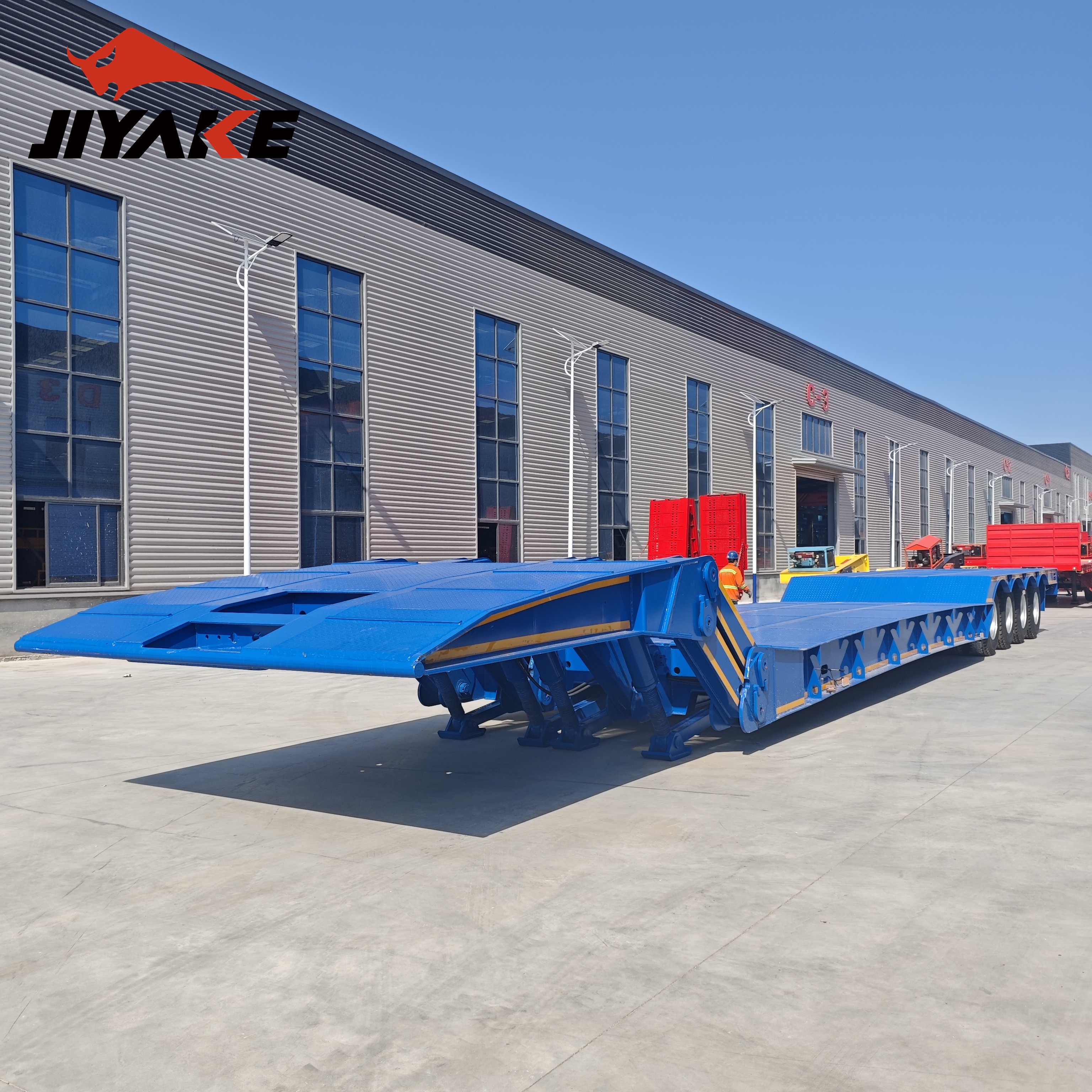
This is also where trailer matching becomes important. Heavy equipment delivery may pair the Tractor Truck with 2 Axle Lowbed Semi Trailer solutions for oversized or indivisible cargo.
A low deck, wide platform, and suitable ladder type can improve loading safety when moving rollers, excavators, or compact plant machinery.
For long-haul corridor transport, fuel efficiency and uptime become the real cost center
Once roads improve, the selection logic changes.
A Tractor Truck running repeated highway or intercity routes should be judged by average fuel use, driveline reliability, and service interval stability.
Engine sizing should match the usual payload and terrain. Overspec power may look safer, but it can increase fuel burn without adding practical productivity.
Cab comfort is not a minor issue here. Driver fatigue affects shift efficiency, speed consistency, and avoidable wear from poor operating habits.
Brake performance should also be reviewed by route profile, especially if the project includes long descents or mixed weather exposure.
A quick comparison of common infrastructure scenarios
Heavy equipment moves require matching the whole combination
A common mistake is evaluating the Tractor Truck alone when the real workload depends on the tractor and trailer combination.
For equipment transport, coupling, traction pin size, braking coordination, and deck height affect operational safety as much as engine output.
In actual use, lowbed configurations are preferred when cargo is tall, heavy, or difficult to divide.
For example, Q345B carbon steel structure, FUWA axles, optional mechanical or air suspension, and a reinforced main beam can help absorb real-world loading stress.
Details such as hydraulic or mechanical ladders, WABCO brake components, and anti-rust painting become more important on repetitive site transfers.
That is where 2 Axle Lowbed Semi Trailer options fit naturally within broader infrastructure transport planning rather than isolated equipment buying.
What gets overlooked when comparing one Tractor Truck to another
- Focusing only on engine horsepower without checking transmission ratios and typical road gradients.
- Comparing purchase price without estimating tire wear, brake life, and fuel consumption across the project cycle.
- Ignoring trailer compatibility when heavy machines, pipes, or prefabricated structures are part of the logistics plan.
- Assuming all rough-road projects need the same setup, even when haul distance and payload frequency differ.
- Underestimating after-sales support and spare parts availability in remote regions.
These issues usually do not appear during quotation review. They appear after the fleet starts working under pressure.
A practical way to choose the right Tractor Truck
A reliable decision process is usually simple, but it must be site-based.
- Map the real routes: temporary road, paved road, gradient, turning radius, and seasonal changes.
- Define the dominant payload, not just the heaviest possible load.
- Check whether the Tractor Truck will mainly pull bulk cargo trailers or specialized lowbed equipment carriers.
- Review service capacity, parts access, and repair skill availability near the operating region.
- Balance upfront cost with expected utilization, maintenance rhythm, and downtime risk.
Suppliers with integrated manufacturing can often support this matching process better, especially when specification adjustment is needed for export markets.
A factory base with CNC cutting, automatic welding, large bending, and dedicated tank and chassis production usually indicates stronger consistency control.
Before final selection, confirm how the Tractor Truck will evolve with the project
The best Tractor Truck for infrastructure work is rarely the one with the most impressive standalone specification.
It is the unit that fits route conditions, supports the right trailer combination, stays serviceable, and remains economical as the project shifts phases.
Before locking the configuration, review route changes, load profiles, braking needs, maintenance intervals, and local parts support.
That kind of structured comparison usually leads to better uptime, fewer transport interruptions, and a more durable fleet plan.
Leave A Reply

First class quality service and professional after-sales team.
Get in Touch
*We respect your confidentiality and all information are protected.