





Tractor Truck Brake and Tire Risks in Mountain Operations
Mountain operations push every Tractor Truck harder than flat-road transport. Brakes run hotter, tires scrub faster, and small maintenance gaps turn into major safety events very quickly.
For heavy-duty fleets, the real issue is not one single component. It is the interaction between brake condition, tire health, load balance, road grade, driver behavior, and inspection discipline.
That is why a practical mountain-risk routine matters. A consistent process helps reduce downtime, prevent runaway incidents, and improve the reliability of each Tractor Truck working on steep routes.
Shandong Jiyake Automobile Sales Co., Ltd. supports heavy truck operations with integrated design, production, trade, and fittings capabilities. Its product range covers tractor trucks, semi-trailers, tankers, dump trucks, concrete mixer trucks, and other special vehicles serving more than 60 countries.
What usually triggers brake and tire trouble on mountain roads
A mountain descent is rarely a simple braking event. It is a heat-management problem. Once a Tractor Truck exceeds safe brake temperature, stopping power drops and the tire burden rises.
Long climbs also matter. High torque demand can stress driveline components, while underinflated tires build heat faster. Then the descent exposes every weakness at the worst possible moment.
- Check brake lining wear before every mountain trip. Marginal thickness may still pass flat-road use, but it loses safety margin quickly during repeated downhill braking.
- Verify tire pressure when cold, not after a run. A hot reading can hide underinflation, which increases casing flex, heat buildup, and blowout risk.
- Confirm axle load balance across the combination. Uneven loading overloads individual tires and can make one brake group work harder than the others.
- Inspect slack adjusters, air lines, and chamber response times. Small delays in brake application can create pull, instability, and longer stopping distances.
- Review retarder or engine brake performance regularly. If auxiliary braking is weak, the service brakes on a Tractor Truck will overheat much sooner.
- Look for shoulder wear, cupping, or sidewall damage. These patterns often reveal alignment, suspension, or shock issues that become dangerous on switchbacks.
The pre-run points worth checking every time
A short inspection before dispatch is still one of the cheapest controls in mountain transport. The key is focusing on items that directly affect heat, grip, and braking consistency.
Brake-focused checks
- Test air pressure build time and low-pressure warning function. Slow recovery reduces brake reliability during repeated applications on long downhill sections.
- Check drum or disc condition for cracks, glazing, and hot spots. Surface damage usually points to overheating or poor brake balance.
- Confirm parking brake holding ability on grade. A weak hold can turn a loading stop or emergency pull-off into a rollaway incident.
Tire-focused checks
- Measure tread depth across inner, center, and outer zones. Uneven readings reveal alignment or inflation problems before they become mountain hazards.
- Match dual tires by diameter and wear level. A mismatch causes one tire to carry more load and run hotter on climbs and descents.
- Inspect valve stems, caps, and wheel rims carefully. Slow leaks often go unnoticed until tire temperature rises under heavy downhill load.
Common mountain scenarios where risk builds fast
Long downhill sections after a full load
This is where most brake fade starts. If the selected gear is too high, service brakes must absorb too much energy. Heat rises fast, and stopping distance increases before the driver fully notices it.
In this situation, tire condition becomes a second safety barrier. Good tread and correct pressure help the Tractor Truck remain stable when braking effort changes from axle to axle.
Tight curves with mixed pavement grip
Mountain curves often combine dust, water, gravel, and uneven camber. A lightly worn tire may behave acceptably on dry highways, yet lose lateral grip suddenly on these surfaces.
Brake imbalance is also more obvious here. If one side grabs earlier, trailer tracking degrades and the whole combination can drift wider than expected.
Stop-and-go climbing in hot weather
Repeated starts on gradients increase clutch, tire, and brake stress. Heat soak becomes worse when ambient temperature is high and airflow is low.
This is also where load planning matters. For some cargo tasks involving construction materials or industrial equipment, trailer configuration affects stability and tire loading. In flexible transport operations, an aluminum Fence Cargo Trailer can be useful because it supports quick conversion between open platform and enclosed use while keeping tare weight controlled.
Parts often overlooked during quality control reviews
Many fleets inspect visible wear but miss performance drift. Mountain safety depends on how systems behave under heat and repeated load, not only how they look in the yard.
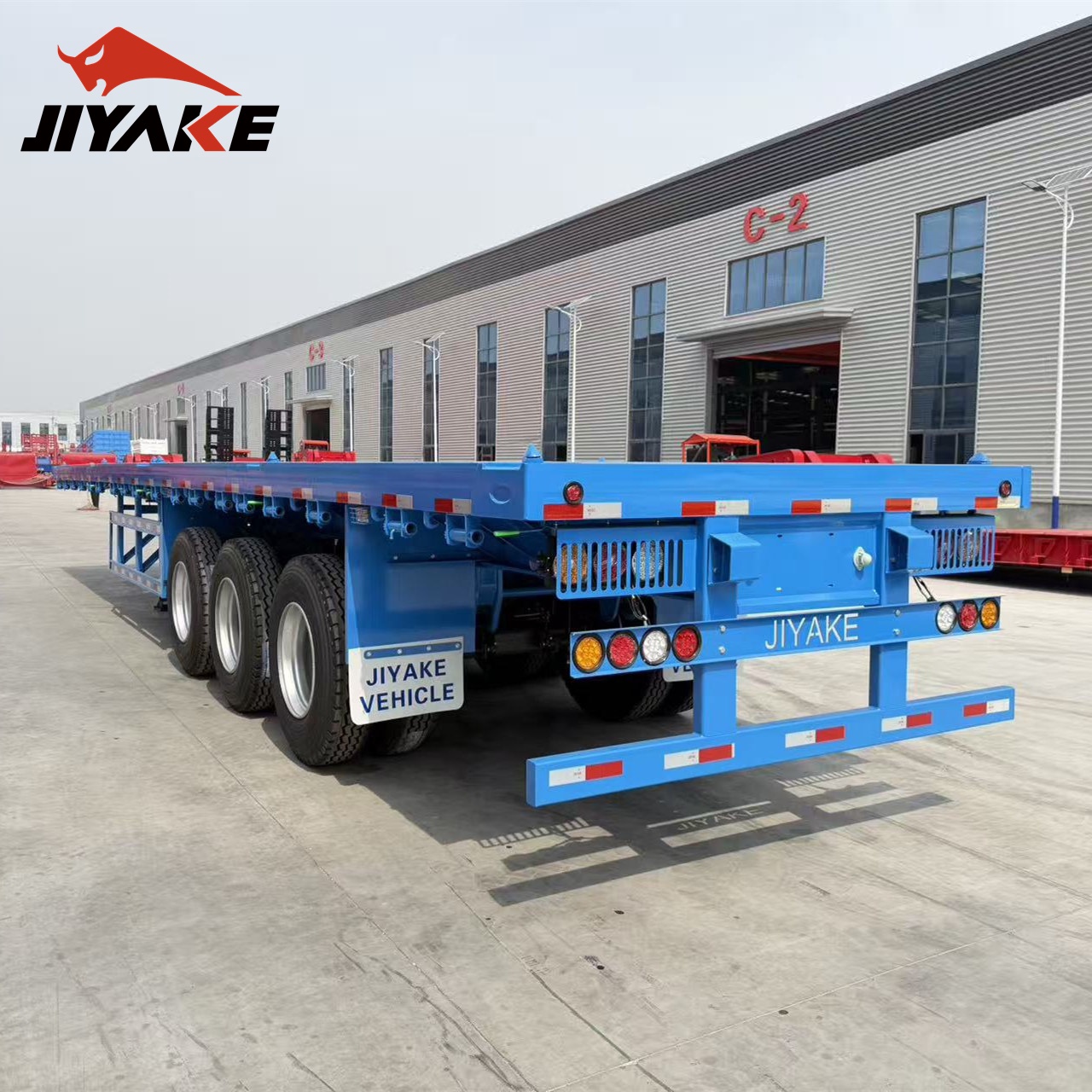
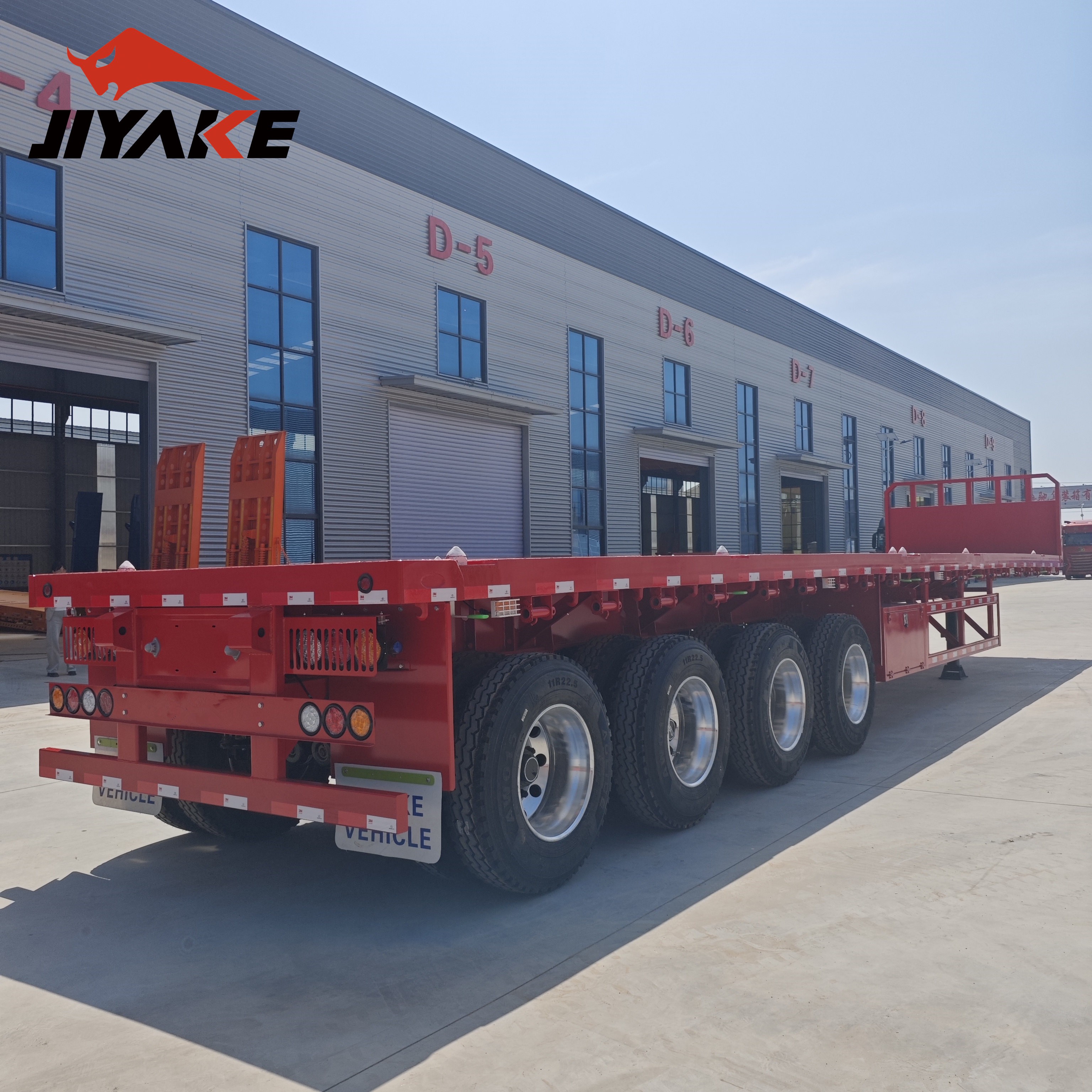
For trailer equipment used in rough transport conditions, durable hardware and sensible axle specification also help reduce risk exposure. One example is the second-use mention of Fence Cargo Trailer systems with 13-ton axle options, leaf spring suspension, 30-40T loading capacity, and tire choices such as 11.00r20, 12r22.5, 315, and 385 for demanding hauling applications.
Simple standards that improve Tractor Truck reliability
The best control is a repeatable standard, not a heroic response after a near miss. A mountain-ready Tractor Truck should have clear release limits for brake wear, tire condition, and axle loading.
- Set stricter brake lining replacement limits for mountain routes than for flat routes. Extra margin is cheaper than one overheated descent.
- Create a tire heat-risk rule based on pressure, tread, load, and ambient temperature. This makes dispatch decisions more objective.
- Record recurring defects by vehicle, axle position, and route type. Pattern tracking shows whether the issue is maintenance, loading, or operating practice.
- Require confirmation of gear-selection policy before dispatch. Proper engine braking reduces service brake dependency on every mountain descent.
If a Tractor Truck frequently shows brake fade, shoulder wear, or dual tire temperature differences, do not treat these as isolated faults. They usually point to a system problem that will return.
A useful next step is to review the last few mountain trips, compare brake and tire findings by axle position, and tighten release criteria before the next high-grade route. That small change often prevents the big incident.
Leave A Reply

First class quality service and professional after-sales team.
Get in Touch
*We respect your confidentiality and all information are protected.