




Best Water Tanker Truck Configurations for Dust Control
Best Water Tanker Truck Configurations for Dust Control
Choosing the right water tanker truck configuration is essential for effective dust control, safer job sites, and lower operating costs.
For mining, construction, and road maintenance, the setup matters as much as the truck itself.
Tank size, spray layout, pump pressure, and chassis strength all shape daily performance.
A well-matched water tanker truck controls dust faster, wastes less water, and stays productive in harsh conditions.
Why Configuration Matters in Dust Control
Dust control is not only about spraying water.
It is about placing the right amount of water exactly where the dust is generated.
A poorly configured water tanker truck may leave dry zones, create muddy surfaces, or overload the chassis.
That also means more refill trips, more downtime, and higher fuel use.
The best dust suppression truck setup usually balances five factors:
- tank capacity matched to route length
- pump output matched to nozzle demand
- spray bars arranged for even coverage
- chassis rated for rough terrain and full load
- easy controls for quick adjustment on site
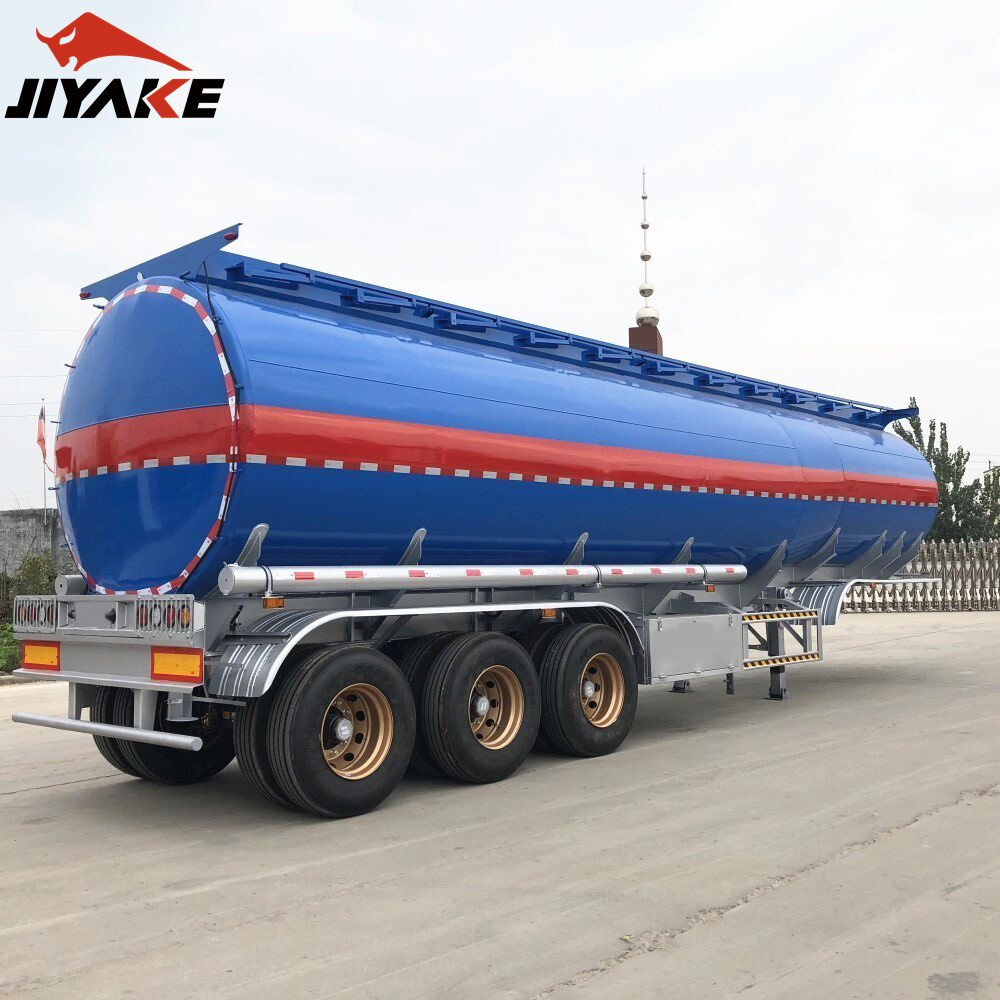
Best Tank Capacity for a Water Tanker Truck
Tank capacity should fit the job cycle, not just the biggest number available.
For short urban work, a medium tank often improves maneuverability and cuts axle stress.
For mines or long haul roads, a larger water tanker truck reduces refill frequency and keeps dust suppression consistent.
In practice, these ranges work well:
- 8,000 to 12,000 liters for city roads and smaller sites
- 12,000 to 18,000 liters for mixed construction work
- 18,000 liters and above for mines and remote roads
Internal baffles are also important because they reduce liquid surge and improve stability during braking and turning.
Spray System Layout That Actually Works
Spray layout decides whether a water tanker truck gives light coverage or proper dust knockdown.
Front sprays help with road-edge dust and approach areas.
Rear spray bars are the main tool for haul roads, access roads, and open construction zones.
A rear cannon adds reach for stockpiles, demolition zones, and focused wetting.
A practical setup often includes:
- adjustable front nozzles for side coverage
- rear spray bar with multiple pattern options
- high-pressure water cannon for spot treatment
- manual and in-cab controls for quick changes
This combination gives better control than a one-pattern system, especially when site conditions change during the day.
Pump, Pressure, and Flow Rate Selection
Pump performance is where many dust control trucks either shine or struggle.
If flow is too low, coverage becomes uneven.
If pressure is too high, the truck may waste water and create runoff instead of control.
For most dust control work, medium-pressure, high-volume systems are the safer choice.
They provide a broad, controlled spray pattern and support several nozzles at the same time.
Look for a water tanker truck with:
- reliable self-priming pump design
- stable flow under continuous duty
- easy access for seals, filters, and valves
- compatibility with both spray bars and cannon use
Chassis and Suspension for Harsh Conditions
A strong chassis is not optional when the tank is full and the road is rough.
Heavy-duty frames, proper axle ratings, and reinforced mounting points improve service life.
For off-road or mining routes, suspension matters even more.
Leaf spring systems remain popular because they are simple, durable, and easier to service in remote areas.
This is similar to how transport equipment is chosen in other heavy-duty jobs.
For example, the Fence Cargo Trailer uses a practical heavy-load approach.
Its 30-40T loading capacity, 13 Ton Fuwa Brand axles, and Leaf Spring Suspension show the value of matching structure to workload.
That same thinking helps when specifying a water tanker truck for demanding dust suppression routes.
Useful Features That Improve Daily Operation
Small features often make the biggest difference during long shifts.
- sight gauges for quick water level checks
- rear-view support for safer reversing near crews
- anti-corrosion tank materials or coating
- easy-fill ports and reliable discharge valves
- simple control labeling for faster training
In actual field work, these details reduce mistakes and keep the dust control truck moving instead of waiting for service.
How to Match the Water Tanker Truck to the Job
A good buying decision starts with route conditions, not brochures.
- Measure the daily coverage area and refill distance.
- List the main dust points, such as haul roads or stockpiles.
- Check road quality, slope, and turning space.
- Choose tank size based on cycle efficiency.
- Match pump flow and nozzle layout to the dust level.
- Confirm service access for parts and maintenance.
This approach prevents overspending on capacity that never gets used.
It also avoids buying an undersized water tanker truck that cannot keep pace with site demand.
Choosing a Reliable Manufacturing Partner
Configuration quality depends on manufacturing quality.
Shandong Jiyake Automobile Sales Co., Ltd. integrates product design, research, production, and sales across modified trucks and special vehicles.
Its product range includes tanker trucks, dump trucks, tractor trucks, semi-trailers, concrete mixer trucks, and other special-purpose models.
With a 300000m2 factory, 500 employees, and advanced CNC cutting, automatic welding, and tank welding equipment, production consistency is a clear advantage.
That matters when a water tanker truck must perform reliably across construction, mining, and road service applications in more than 60 countries.
Final Takeaway
The best water tanker truck configuration is the one that fits the site, the route, and the dust level.
Focus on balanced tank capacity, a flexible spray system, stable pump performance, and a strong chassis.
When those elements work together, dust control becomes more consistent, safer, and more cost-effective.
Before ordering, compare real work conditions against the truck specification, then choose a setup built for the job, not just the catalog.
Leave A Reply

First class quality service and professional after-sales team.
Get in Touch
*We respect your confidentiality and all information are protected.