




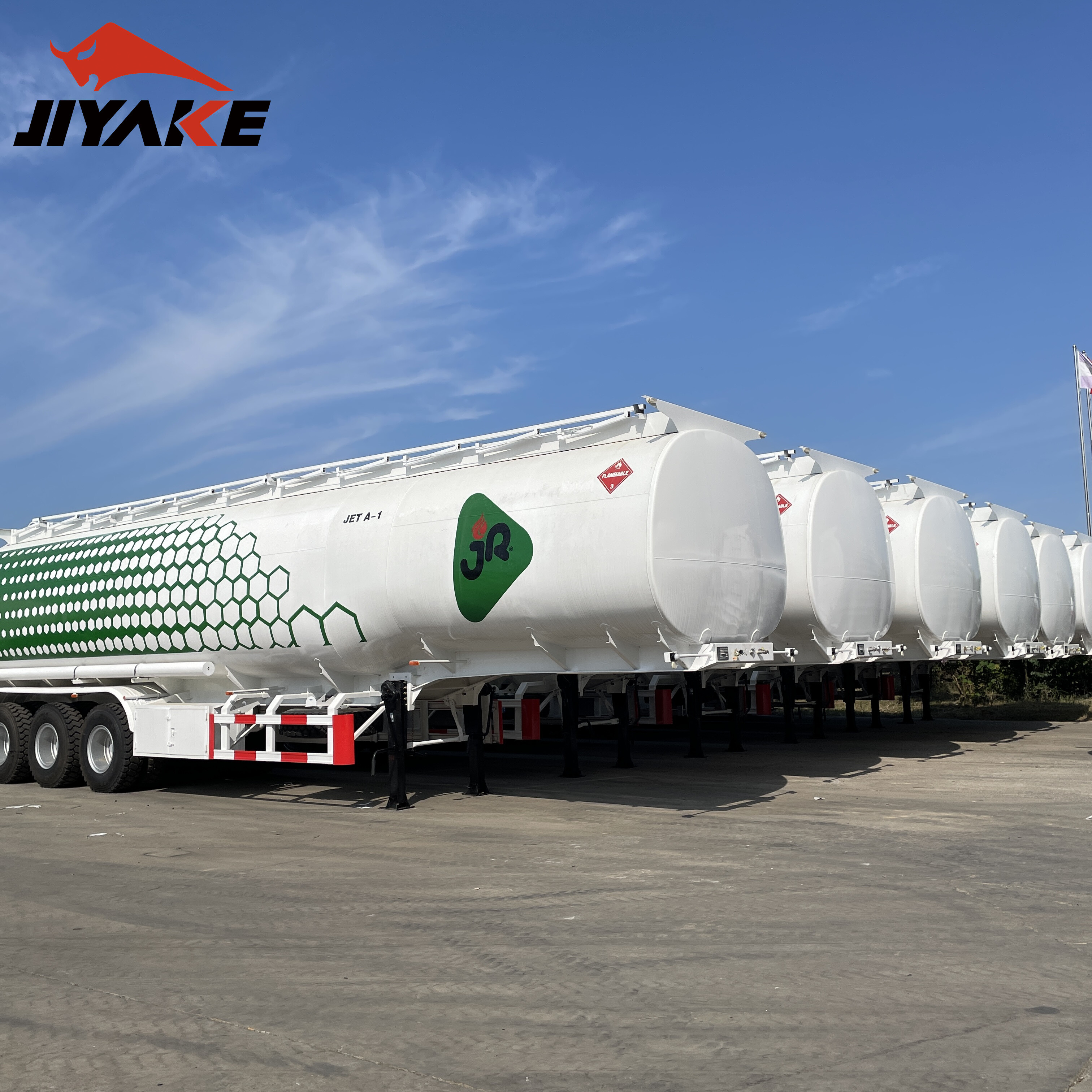
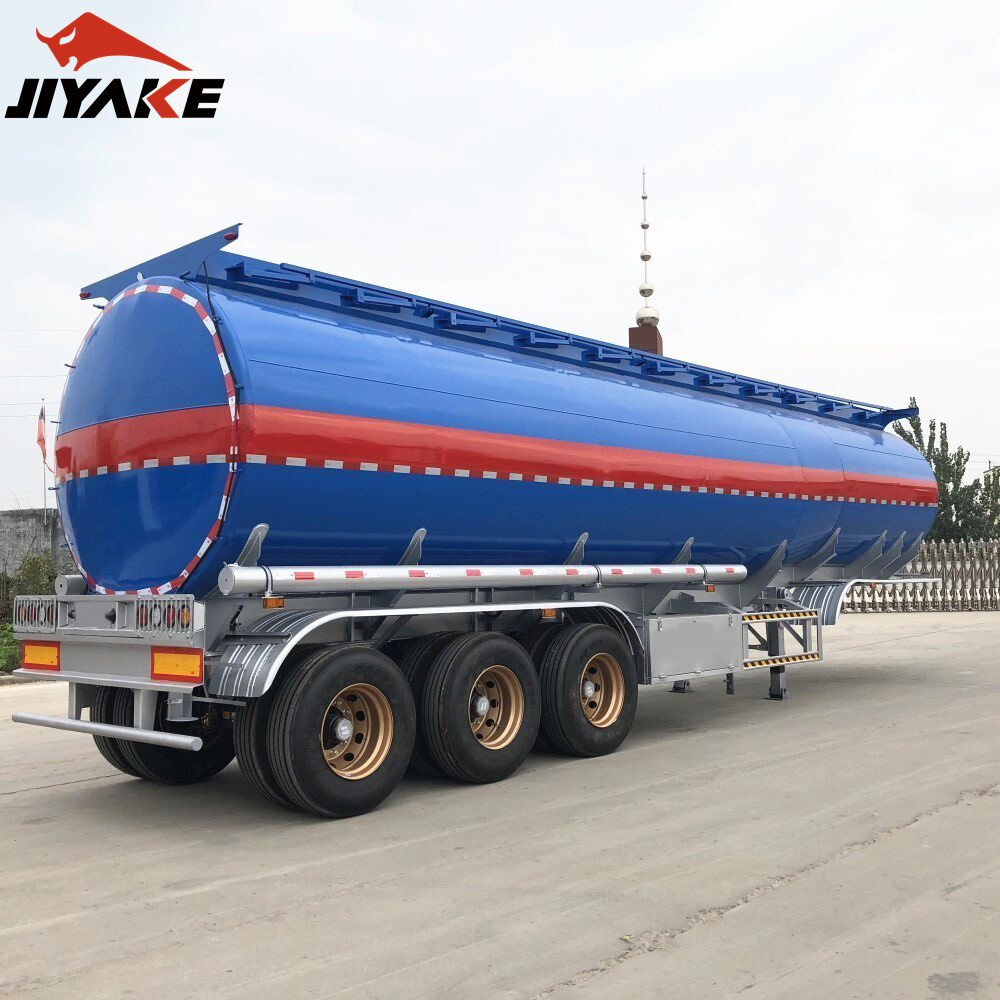
Cement Bulker Purchase Checklist: Tank Material, Compressor, Axles, and Cost
Start with the job, not the quote
A cement bulker can look competitive on paper and still be the wrong buy. Procurement teams usually feel the pain later: slow discharge at site, underwhelming payload because the tank is too heavy, repeated compressor issues, or axle specs that do not match road conditions. If you are buying a cement bulker, price matters, but it sits behind four checks that decide the real cost of ownership: tank material, compressor setup, axle configuration, and daily operating cost.
The practical way to evaluate one is to move in the same order the trailer will create cost or downtime in real work. That usually means checking the cargo and route first, then the tank body, then the unloading system, then the running gear, and only after that comparing commercial terms.
Check what material you will actually move
Not every “cement bulker” is working under the same conditions. Dry cement, fly ash, lime powder, and other fine bulk materials do not behave exactly alike. Before asking for a quotation, lock down three things internally: expected material density, discharge distance, and average unloading point conditions. Those three factors affect tank volume, compressor choice, pipe layout, and even whether a lighter tank or a tougher tank makes more financial sense.
A common buying mistake is choosing by cubic volume alone. Procurement sees a large tank and assumes more earning capacity. In reality, payload is limited by local gross vehicle weight rules, tractor matching, and the self-weight of the trailer. If the tank is oversized for the legal weight limit, you are paying for unused volume.
Tank material: ask about weight, wear, and weld quality together
Tank material is not just a durability question. It directly affects payload efficiency. A heavier tank may look stronger, but if your routes are weight-sensitive, every extra kilogram in trailer tare reduces billable cargo. On the other hand, going too light without understanding material thickness and reinforcement can create fatigue issues around supports, cone sections, and weld seams.
- What steel grade is used for the tank body and key structural parts?
- What is the shell thickness, and does it vary by section?
- Where are the main reinforcements placed around the tank, supports, and piping connections?
- What welding process is used on the tank body, and how consistent is the weld finish?
If the supplier only talks about “high quality steel” without giving a clear build description, that is not enough for a purchasing decision. You do not need a long metallurgy lesson, but you do need enough detail to compare tare weight against expected service life. For operations with rough roads, frequent loading cycles, or remote delivery points, reinforcement quality matters as much as plate thickness.
Do not treat the compressor as an accessory
This is where many low-price offers become expensive. The compressor determines unloading speed, pressure stability, and how hard the system works every day. If unloading is slow, your truck queues longer, site turnaround gets worse, and the operator may start overdriving the equipment just to finish the job.
Ask the supplier to define the compressor configuration in operational terms, not sales language. You need to know how the system performs with your expected material, typical discharge height, and pipe length. Also check what is included around it: air piping, valves, pressure gauge layout, power take-off matching, and access for maintenance.
If your operation includes remote sites, availability of filters, seals, and replacement parts can matter more than peak advertised performance.
Axles are a route decision
Axle selection should follow road condition, legal load distribution, and service network reality. Too many buyers only ask for “three axles” and stop there. That misses the point. You need to know axle rating, suspension type, brake setup, and how the full running gear package will survive your roads and maintenance habits.
For mixed road conditions, leaf spring suspension is still a practical choice because it is straightforward to maintain and widely understood by fleet workshops. What matters is whether the axle-suspension-tire package is balanced. Strong axles paired with weak tires or poor brake components will still create downtime.
Ask for the exact axle brand and rating, brake chamber arrangement, and tire specification in the quotation. If the delivery market includes rough construction access roads, damage tolerance becomes part of the cost calculation, not a technical footnote.
Look under the trailer, not just at the tank
A cement bulker earns through the tank, but it survives through the chassis. Main beam strength, landing gear quality, king pin specification, braking layout, and electrical reliability all affect uptime. Buyers in bulk transport sometimes focus so heavily on discharge performance that they miss the basics underneath.
This is also where a related trailer benchmark can help. For example, a product such as Side Tipper Trailer is built around heavy-duty structural priorities like a robust main beam, leaf spring suspension, 12R22.5 tires, double air chamber braking, and 28-ton two-speed landing gear. It is a different transport solution, but the procurement lesson carries over: when the structure and running gear specs are clearly stated, comparison becomes much cleaner and lifecycle risk is easier to price.
Separate purchase price from operating cost
The cheapest quotation often wins only if the buying process ignores how the trailer will work after delivery. A better comparison is to break total cost into five buckets:
- Trailer purchase price
- Expected payload efficiency based on tare weight
- Average unloading time per trip
- Routine maintenance and wear parts cost
- Downtime risk from compressor, axle, brake, or tank issues
That framework changes the conversation quickly. A slightly higher-priced cement bulker with lower tare and faster unloading may produce better revenue per shift. The reverse is also true: a light trailer that saves weight but spends more time off the road can still be the expensive choice.
Match the trailer to your service environment
Shandong Jiyake Automobile Sales Co., Ltd. operates across multiple special vehicle categories and export markets, which is relevant for one reason: buyers in Southeast Asia, Central Asia, and Africa do not all run under the same road, climate, and maintenance conditions. That means your specification should reflect where the trailer will work, not just what is standard in a brochure.
In hot climates and dusty sites, maintenance access and air-system cleanliness become more important. On poor roads, suspension durability and brake protection deserve more weight. In markets with uneven parts availability, simpler and more widely serviceable configurations can be the smarter commercial decision.
Documents to request before approval
Before issuing the purchase order, ask for documents that let your team compare offers line by line. At minimum, request a detailed specification sheet, axle and tire details, tank material description, compressor configuration, brake system description, dimension drawing, and a parts list for normal maintenance items. If the trailer must meet specific import or registration requirements in your destination market, check the compliance fields on the official vehicle documents required by that market, not just a sales quotation.
That step sounds basic, but it is where many procurement problems start. Verbal promises are hard to enforce once the trailer is built and shipped.
Use this buying order
Define the material and route first. Then compare tank material and tare weight. After that, review compressor performance in relation to discharge conditions. Only then move to axle and running gear, and finish with a total cost comparison that includes maintenance and downtime exposure. That order keeps the decision anchored in operating reality instead of chasing the lowest initial number.
For procurement teams, a good cement bulker is not the one with the most attractive quote sheet. It is the one that carries legal payload efficiently, unloads consistently, survives your roads, and stays serviceable without turning every repair into a parts hunt.
Leave A Reply

First class quality service and professional after-sales team.
Get in Touch
*We respect your confidentiality and all information are protected.