




Why Is a Cement Bulker Unloading Slowly? Common Causes and Practical Fixes
Why Is a Cement Bulker Unloading Slowly? Common Causes and Practical Fixes
When a cement bulker unloads too slowly, the problem usually shows up at the worst moment: the site is waiting, the compressor is already running, and the driver is watching discharge time stretch well beyond what should be normal for dry powder delivery. On paper, unloading looks simple. In the field, it depends on powder condition, air supply, pipeline layout, tank design, and how disciplined the operating routine is. If one part of that chain is off, discharge rate drops quickly.
The first mistake many operators make is blaming the tanker body immediately. Sometimes the vehicle is the issue, but just as often the restriction is at the receiving end. A cement bulker can only move material as efficiently as the pressure system and downstream pipework allow. If the silo line is too long, has too many elbows, or contains partial blockage from hardened residue, the truck may build pressure without producing stable flow. That is why two jobs using the same vehicle can unload at very different speeds.
Start with the Air System, Not the Tank
In most slow-unloading cases, compressed air is the first place worth checking. Bulk cement does not simply fall out of the vessel; it has to be fluidized and pushed. If the air compressor is underperforming because of wear, belt slippage, air leakage, or poor maintenance, the powder inside the tank will not reach the right flow condition. Operators then see a familiar pattern: pressure rises unevenly, discharge starts in pulses, and the final section of the load becomes very slow.
This is especially common on trucks working long routes in hot, dusty regions, where compressor maintenance intervals tend to stretch. Shandong Jiyake Automobile Sales Co., Ltd., which supplies modified trucks and special vehicles to markets across Southeast Asia, Central Asia, and Africa, works in operating environments where equipment is exposed to heat, fine dust, and inconsistent road conditions. Under those conditions, air leaks at hoses, seals, valves, and couplings are not minor details. They directly affect unloading time.
A practical check on site is simple: compare pressure build-up speed, listen for leakage around the manifold and valves, and inspect whether the compressor reaches stable working condition under load. If pressure looks acceptable on the gauge but material movement remains weak, the issue may be poor air distribution inside the tank rather than compressor output alone.
Powder Condition Changes Everything
Not all cement behaves the same in transport. Moisture contamination, long storage before loading, or blending differences can change how easily the material fluidizes. A driver may report that one load discharged cleanly while the next one from another batch became sluggish halfway through unloading. That does happen. Dry powder transport is sensitive to bulk density, moisture pickup, and compaction during travel.
Long-distance hauling on rough roads can make compaction worse, particularly when the tanker is loaded fully and then waits before discharge. Once material starts bridging or packing near the cone section, air may pass through easier channels while leaving dead zones behind. The result is reduced efficiency and more residual material left in the tank.
This is why unloading complaints should always include basic questions: How long was the load in transit? Was there rain exposure during loading? Was the cement warm when loaded and cooler at destination? Was the truck parked for many hours before discharge? These are not small operational details. They often explain why the same cement bulker performs differently from one trip to another.
The Pipeline Layout at Site Can Slow a Good Truck
A well-maintained tanker will still unload badly if the receiving setup is poor. Excessive hose length, sharp bends, vertical lift beyond what the system handles comfortably, and old pipe sections with internal buildup all increase resistance. Operators sometimes compensate by increasing pressure, but that is not always the right answer. Higher pressure can worsen wear and does not remove a physical blockage in the line.
Where site dust control is also a concern, support vehicles matter more than people think. On large construction and mining jobs, a dedicated Water Truck is often used nearby for dust suppression on haul roads and unloading zones. That does not change pneumatic discharge directly, but it helps maintain cleaner work areas and reduces secondary dust around connections and staging points. In operations where several special vehicles must work together, the real efficiency gain often comes from site coordination rather than from any single machine acting alone.
Before blaming the bulker, inspect the receiving silo line for residue buildup and confirm whether the hose diameter matches the intended discharge setup. A truck that unloads normally at one plant but struggles repeatedly at another is giving a useful clue: the restriction is probably outside the tanker.
Watch the Fluidization System and Internal Tank Condition
Inside the tank, the fluidizing bed or membrane has one job: distribute air so the powder behaves like a flowable medium. If the membrane is damaged, clogged, aged, or contaminated by moisture and fines, the airflow becomes uneven. The operator may still see pressure, but the material does not loosen properly. In practice, that often appears as slow discharge in the rear section or poor emptying toward the end of the cycle.
Routine inspection matters here because internal wear is easy to miss until unloading performance has already dropped. The same applies to discharge valves that no longer open fully, or cone sections where hardened cement has gradually reduced effective volume and flow path. These are not dramatic failures. They are gradual losses, and they usually show up first as longer unloading time.
Operating Method Still Matters
Not every unloading problem is mechanical. Inexperienced operators sometimes open valves in the wrong sequence, build pressure too aggressively, or fail to stabilize the system before full discharge. Parking position also matters more than it gets credit for. If the truck is standing on uneven ground, material flow inside the vessel may become less predictable, especially near the end of unloading.
The better crews treat unloading as a controlled process. They monitor pressure, watch flow behavior, and adjust step by step instead of chasing speed immediately. That approach usually saves time because it prevents blockage, over-pressurization, and repeated restart attempts.
Equipment selection also plays a role over the longer term. In fleets that operate across construction sites, mining roads, and municipal support work, companies often standardize several special vehicles around durability and service access. A water tanker built in Carbon steel Q235B, for example, is chosen for rugged dust control and water distribution tasks because the structure has to tolerate repeated field use, not just look good in catalog specifications. The same logic applies when choosing a bulk powder trailer: easy maintenance access and stable pneumatic performance usually matter more than headline claims.
What to Fix First
If unloading is consistently slow, work through the system in order. Check powder condition and loading history. Confirm compressor health and air leaks. Inspect the site pipeline and receiving connection. Then move inside the tanker: fluidization membrane, discharge valves, cone cleanliness, and residual buildup. This sequence avoids the common habit of replacing parts before the actual bottleneck is identified.
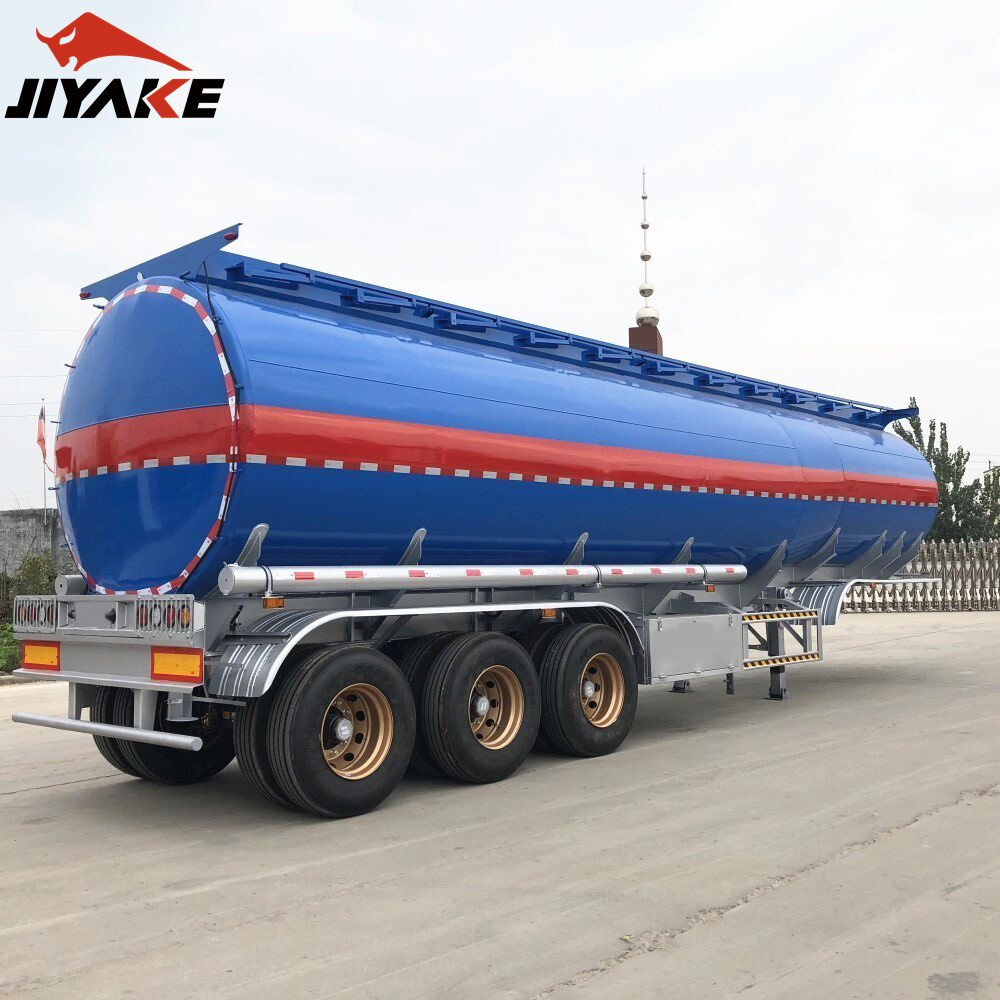
A cement bulker that unloads slowly is not always a bad tanker. More often, it is a mismatch between material condition, air delivery, and site setup. Once those factors are separated clearly, the fix is usually practical: better maintenance discipline, cleaner lines, drier material handling, and more consistent operating procedure. That is where unloading speed is really won or lost.
Leave A Reply

First class quality service and professional after-sales team.
Get in Touch
*We respect your confidentiality and all information are protected.