




How to Compare Steel and Aluminum Water Tanker Bodies for Weight and Corrosion Control
Weight and corrosion are where the steel-versus-aluminum decision actually gets expensive
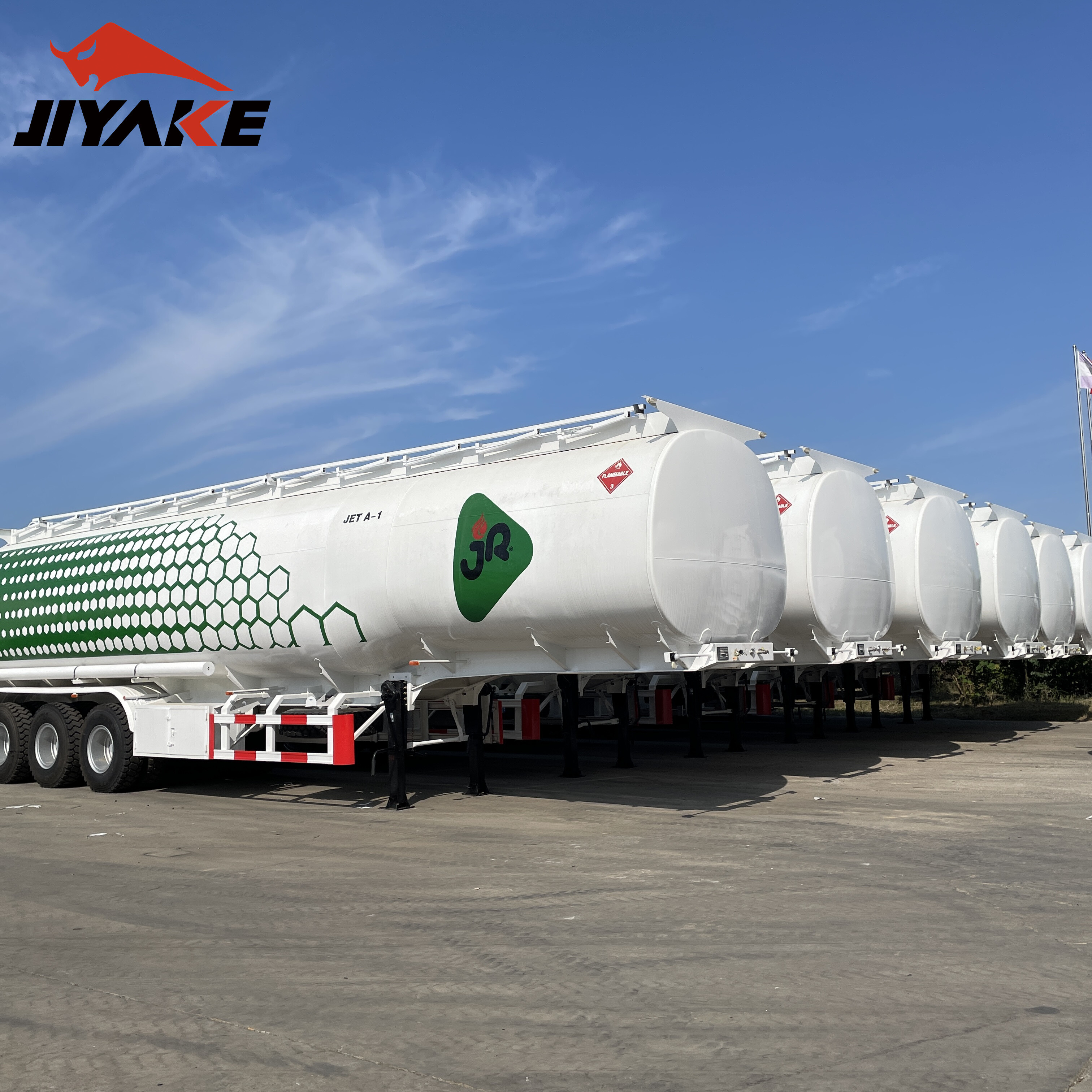
When buyers compare a water tanker body in steel and aluminum, they often start with purchase price and payload. That is not wrong, but it is incomplete. In heavy truck use, the real decision sits at the intersection of tare weight, corrosion behavior, repair practicality, and how the vehicle will actually be dispatched. A tanker working on municipal water delivery, road construction support, mining sites, or agricultural haulage may all carry the same liquid, yet the material decision can point in different directions.
For a water tanker, “lighter” does not automatically mean “better,” and “stronger” does not automatically mean “longer lasting.” Steel and aluminum solve different operating problems. The useful comparison is not which one is superior in theory, but which one controls total operating risk under your route, water quality, climate, maintenance routine, and axle loading constraints.
Where steel still makes sense
Steel tanker bodies remain common because they are familiar, widely repairable, and structurally forgiving in rough service. On demanding roads, repeated vibration, twisting, and occasional impact from loading environments can matter as much as brochure specifications. A well-built steel tank is often chosen where repair access is more important than shaving every possible kilogram. In many markets, fabrication shops and field welders are better equipped to deal with steel than aluminum, which reduces downtime after accidental damage.
That said, steel introduces a predictable problem: corrosion does not need a dramatic failure event to become expensive. Water is not chemically neutral in every operating condition. Tank interiors may see mineral content, inconsistent cleaning, standing water, or sediment accumulation. Externally, road spray, humidity, and poor coating maintenance accelerate rust at welds, seams, supports, and drain areas. So steel is usually less about “whether it corrodes” and more about how well the tank is protected, inspected, and maintained over time.
Why aluminum changes the operating equation
Aluminum’s first advantage is obvious: lower body weight. In practical procurement terms, that can mean more legal payload, a better weight distribution strategy, or simply lower fuel consumption depending on duty cycle and regulations. On routes with long mileage and frequent refill cycles, this can become meaningful over the vehicle’s service life.
Its second advantage is more strategic. Aluminum naturally forms a protective oxide layer, so it does not rust in the same way carbon steel does. That does not make it corrosion-proof. It means the corrosion mechanism is different. In clean-water applications and environments where coating damage is hard to prevent, aluminum often gives buyers more comfort on long-term body condition. Fleets focused on appearance retention and lower repainting frequency also tend to look at aluminum more seriously.
But aluminum is not a free pass. It is more sensitive to certain repair practices, more dependent on correct fabrication quality, and can be affected by galvanic corrosion if dissimilar metals are poorly isolated in fittings or structural connections. Buyers who assume “aluminum means no corrosion issue at all” are usually oversimplifying the decision.
A practical comparison buyers can actually use
The mistake of evaluating only the shell material
Procurement teams sometimes ask for steel or aluminum as if the tanker body were a single-material object. In practice, corrosion control and service life depend on details around the shell: baffles, manholes, piping, pump interfaces, mounting points, ladder fixings, spray bars, and drainage design. A lighter tank body with poor connection design can create avoidable maintenance issues. A steel tank with proper coating, drainage, and disciplined inspection can outperform a cheaper tank made from the same base material but with weak fabrication control.
This is why manufacturing capability matters. Companies serving export markets across different road and climate conditions usually see these material decisions less as a catalog choice and more as a configuration exercise. Shandong Jiyake Automobile Sales Co., Ltd., for example, works in full-size modified trucks across more than 60 countries and produces tanker and special-vehicle products with equipment such as CNC cutting, automatic welding, large bending, and tank automatic welding machines. For buyers, that kind of production background matters because body material choice only performs as expected when forming, welding, and assembly quality are controlled consistently.
How corrosion should be judged in real operating terms
Corrosion risk should be tied to use, not treated as an abstract material property. Ask what water is being transported, how often the tank sits partially filled, whether the truck works near coastal air, whether washdown is regular, and how damage to coating or fittings is normally handled. Internal cleanliness also matters. Sediment retention and trapped moisture can change how aggressively corrosion develops in local areas.
There is also a support question behind the vehicle itself: how quickly can replacement components be sourced when valves, brackets, seals, or related assemblies need attention? In fleets running Sinotruk HOWO-based units, buyers often think beyond the tank body and keep an eye on service continuity through available components such as Parts. That is not the core of the steel-versus-aluminum choice, but it does affect downtime planning, especially in export operations where freight schedules and workshop access are less predictable.
When aluminum is the stronger business case
Aluminum usually becomes more compelling when payload margin has commercial value, when the vehicle is expected to stay in service for a long cycle, or when corrosion appearance and body preservation matter enough to justify higher upfront spend. It is also a reasonable direction where operators have the maintenance discipline and technical support to protect the rest of the system from avoidable material-pairing problems.
The argument gets stronger if the route profile rewards lower unladen weight repeatedly rather than occasionally. In those cases, the buyer is not just purchasing a lighter water tanker body; they are purchasing operating flexibility.
When steel remains the better choice
Steel is often the more rational option where impact resistance, workshop familiarity, and lower acquisition cost outrank tare weight reduction. It also suits operations where tanker damage is a realistic risk and rapid local repair matters more than keeping the body as light as possible. If the fleet already has a proven coating maintenance routine, steel can remain a sound specification rather than a compromise.
A careful buyer should therefore frame the decision this way: if you are mostly buying down initial cost and preserving repair simplicity, steel is still hard to dismiss. If you are buying lower body weight and a different long-term corrosion profile, aluminum deserves serious consideration. The right water tanker choice is less about material preference and more about whether the body specification matches the truck’s real service life, route discipline, and maintenance capability.
Leave A Reply

First class quality service and professional after-sales team.
Get in Touch
*We respect your confidentiality and all information are protected.