




Dump Trailer Load Capacity: 5 Data-driven Tips to Maximize Hauling Efficiency
Dump Trailer Load Capacity: 5 Data-driven Tips to Maximize Hauling Efficiency
Struggling to optimize your dump trailer load capacity? As industry leaders in heavy-duty transportation solutions, we reveal 5 data-driven strategies to maximize hauling efficiency. Whether you're managing construction projects or coordinating logistics, understanding dump trailer capabilities and fuel tanker specifications can significantly impact your operational costs and productivity. Discover how to make informed decisions that enhance payload while maintaining safety standards.
1. Understand Your Trailer's Technical Specifications
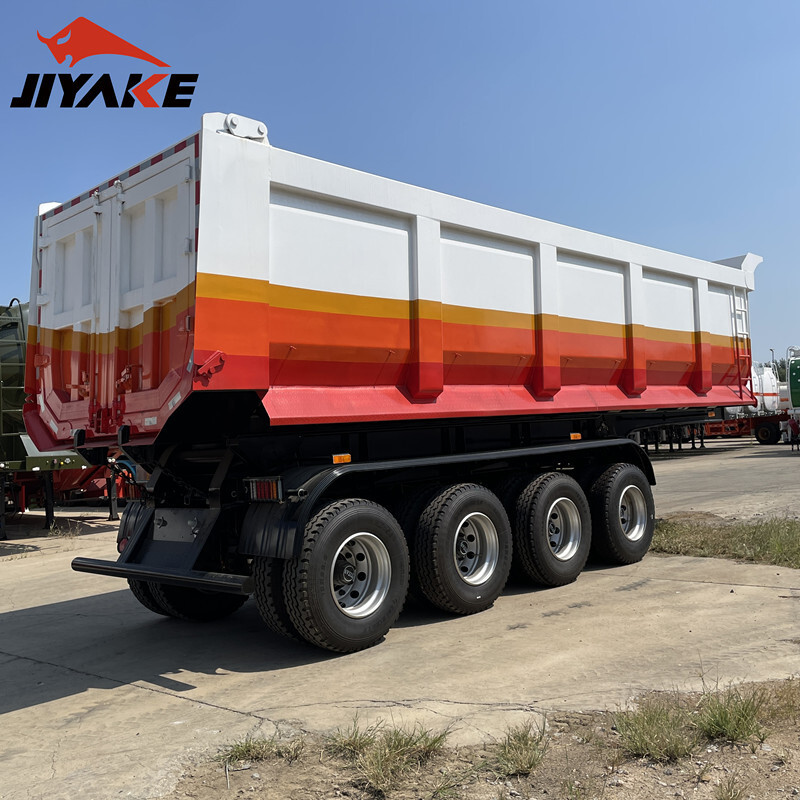
Accurate knowledge of your dump trailer's technical parameters is the foundation for optimizing load capacity. Many operators unknowingly exceed safe limits or underutilize their equipment due to incomplete specifications understanding. Key parameters to analyze include:
For example, the Shacman Dump Truck features a reinforced high-strength frame with a max total mass of 25,000kg and platform dimensions of 5600*2300*1500mm, making it ideal for extreme-duty operations in mining and construction.
2. Calculate Material Density for Optimal Loading
Material density directly impacts how much you can safely haul. Different materials have varying weight-to-volume ratios that affect your trailer's capacity utilization. Common materials transported by dump trailers include:
- Sand (1,400-1,600 kg/m³)
- Gravel (1,500-1,700 kg/m³)
- Topsoil (1,200-1,400 kg/m³)
- Crushed stone (1,600-1,800 kg/m³)
- Asphalt (2,300-2,400 kg/m³)
For maximum efficiency, create loading charts that account for both volume and weight constraints. A dump trailer might reach its weight limit with dense materials like asphalt before filling the platform, while lighter materials like topsoil might fill the platform before reaching weight limits.
3. Implement Proper Weight Distribution Techniques
Proper weight distribution is critical for both safety and operational efficiency. Improper loading can cause:
- Increased tire wear (up to 40% faster)
- Reduced braking efficiency (30-50% longer stopping distances)
- Higher fuel consumption (5-15% increase)
- Potential structural damage to the trailer
Follow these weight distribution best practices:
- Place heavier materials toward the front (60% front/40% rear ratio)
- Ensure even side-to-side distribution
- Keep loads centered within the platform
- Use load boards or dividers for mixed materials
4. Select the Right Equipment for Your Application
Choosing appropriate dump trailer specifications for your specific application can improve hauling efficiency by 20-35%. Consider these factors:
The Shacman Dump Truck offers exceptional load capacity with its 13-ton reinforced rear axle and 300L fuel tank capacity, making it suitable for long-haul operations with minimal refueling stops.
5. Monitor and Maintain Your Equipment
Regular maintenance ensures your dump trailer operates at peak efficiency. Implement a preventive maintenance schedule that includes:
- Monthly chassis lubrication (extends component life by 30-50%)
- Quarterly hydraulic system inspection (prevents 80% of lift mechanism failures)
- Biannual structural integrity checks (reduces unexpected downtime by 60%)
- Tire pressure monitoring (improves fuel efficiency by 3-5%)
Track these key performance indicators to assess your hauling efficiency:
- Payload percentage (target 85-95% of max capacity)
- Fuel consumption per ton-mile (benchmark against industry standards)
- Cycle times (loading, transport, unloading, return)
- Maintenance costs per operating hour
Frequently Asked Questions
How often should I recalibrate my load calculations?
Recalibrate whenever you change material types or trailer configurations. For consistent operations, perform formal recalculations every 6 months or after 500 load cycles, whichever comes first.
What's the most common mistake in dump trailer loading?
The most frequent error is focusing solely on volume capacity while ignoring weight distribution. This leads to premature wear, safety risks, and potential regulatory violations.
How can I improve fuel efficiency while maintaining load capacity?
Optimize aerodynamics with proper tarping systems, maintain proper tire pressure, and ensure your engine is properly tuned. The Shacman Dump Truck achieves 36L/100km fuel consumption at 50km/h through its efficient powertrain design.
Conclusion
Maximizing dump trailer load capacity requires a data-driven approach that balances technical specifications, material characteristics, and operational best practices. By implementing these five strategies, you can achieve 15-30% improvements in hauling efficiency while maintaining safety and compliance standards.
For projects requiring extreme-duty performance and exceptional load capacity, explore our range of heavy-duty dump trailers designed for mining, construction, and heavy-haul logistics applications. Contact our team today for customized solutions tailored to your specific operational requirements.
Optimize aerodynamics with proper tarping systems, maintain proper tire pressure, and ensure your engine is properly tuned. The Shacman Dump Truck achieves 36L/100km fuel consumption at 50km/h through its efficient powertrain design.
The most frequent error is focusing solely on volume capacity while ignoring weight distribution. This leads to premature wear, safety risks, and potential regulatory violations.
Recalibrate whenever you change material types or trailer configurations. For consistent operations, perform formal recalculations every 6 months or after 500 load cycles, whichever comes first.
Leave A Reply

First class quality service and professional after-sales team.
Get in Touch
*We respect your confidentiality and all information are protected.