




Fuel Tanker Safety Standards 2026: What Procurement Teams Need to Know Now
Introduction: The 2026 Compliance Landscape
As fuel tanker safety standards evolve for 2026, procurement teams and project managers must stay ahead. This article breaks down critical compliance updates for dump trailers and fuel tankers, helping you make informed purchasing decisions. Discover how upcoming regulations will impact your fleet operations and learn why early adaptation gives your organization a competitive edge in heavy-duty transportation.
Key Changes in Fuel Tanker Safety Standards
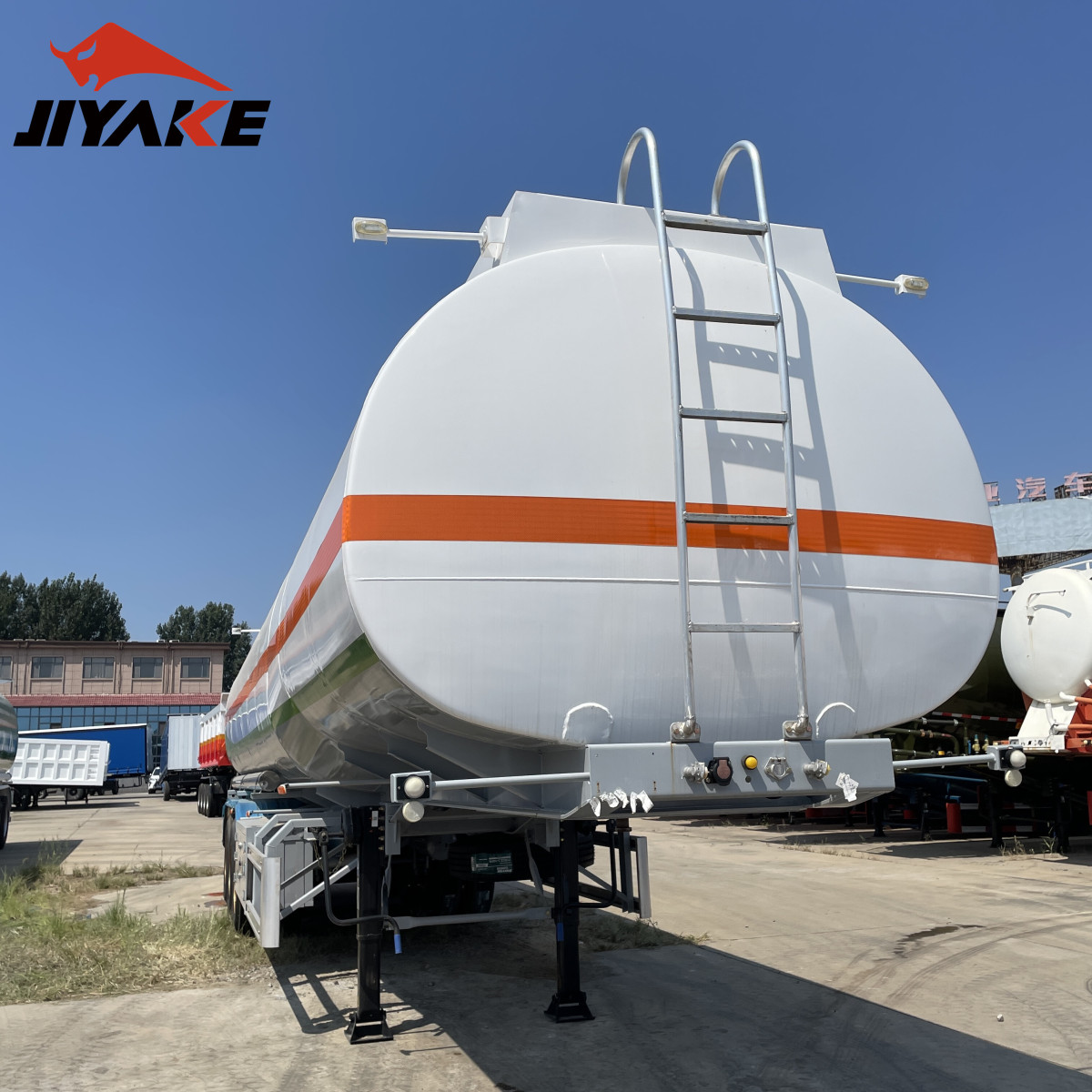
The 2026 updates introduce three major modifications affecting heavy-duty fuel transportation:
- Enhanced rollover protection systems (ROPS) with 15% increased structural integrity requirements
- Mandatory electronic stability control (ESC) for all tankers over 10,000 liters capacity
- New fire suppression standards requiring 30-second containment capability
These changes will particularly impact operations in mining and construction where uneven terrain increases rollover risks. For example, our Water Truck series already incorporates similar safety features, demonstrating how early adoption can future-proof your fleet.
The table above demonstrates why procurement teams should budget 15-20% more for 2026-compliant units compared to current models. Early adopters can phase in these costs over 18-24 months rather than facing sudden capital expenditures.
Operational Impacts and Risk Mitigation
Fleet managers should prepare for three operational challenges with the new standards:
1. Weight Distribution Calculations
The increased material thickness reduces payload capacity by 5-7% for equivalent tank sizes. Our engineering team recommends recalculating all routes and load plans using updated weight parameters.
2. Driver Training Requirements
ESC systems behave differently than traditional ABS during emergency maneuvers. Budget for 8-12 hours of simulator training per driver to prevent dangerous overcorrection incidents.
3. Maintenance Protocol Updates
The advanced fire suppression systems require quarterly inspections rather than the current bi-annual schedule. This increases annual maintenance costs by approximately $380-$450 per unit.
Procurement Strategy for 2024-2025
Smart buyers are adopting a phased approach to manage the transition:
This staggered approach minimizes operational disruption while ensuring full compliance by January 2026. For fleets requiring immediate capacity, consider interim solutions like our Water Truck configurations which share 80% of the new safety features at current pricing.
Frequently Asked Questions
1. Can existing tankers be retrofitted to meet 2026 standards?
Partial retrofits are possible for units less than 5 years old, costing $18,000-$27,000 per vehicle. However, structural upgrades may not be economically viable for older units beyond 2019 manufacture dates.
2. How do the new standards affect specialized vehicles like bitumen tankers?
High-temperature carriers face additional insulation requirements (minimum R-12 rating) and dual-circuit emergency discharge systems, adding 7-9% to base configuration costs.
3. What documentation will prove compliance?
Manufacturers must provide three key certificates: ESC validation reports, material thickness certifications, and third-party fire suppression test results. These should be verified during the procurement process.
Conclusion: Strategic Advantages of Early Adoption
Forward-thinking organizations are already specifying 2026-compliant features in current tenders. This provides three competitive benefits:
- Priority production slots before 2025 demand surges
- Gradual budget absorption rather than lump-sum replacements
- Enhanced safety reputation with clients and insurers
Contact our specialized procurement advisors today to develop your customized transition roadmap and explore compliant vehicle options tailored to your operational requirements.
Our low-maintenance design requires service every 500 operating hours (vs. industry standard of 300 hours). We provide detailed maintenance checklists and remote diagnostic support to minimize downtime.
By eliminating distributor markups, you save 15-25% on initial purchase. Additionally, you gain direct access to our engineering team for custom modifications and faster warranty processing.
Our trailers use high-tensile steel (Grade 80) in critical stress areas, combined with reinforced welds and advanced corrosion protection. This results in 30% longer service life compared to standard models.
Leave A Reply

First class quality service and professional after-sales team.
Get in Touch
*We respect your confidentiality and all information are protected.