




Can a semi trailer manufacturer match suspension to local roads?
Yes, a capable Semi Trailer Manufacturer can match suspension systems to local roads, but only when it understands your route conditions, payload pattern, and operating priorities.
For end users, suspension selection is not a minor specification. It directly influences cargo protection, tire life, fuel use, driver fatigue, maintenance intervals, and trailer uptime.
Rough village roads, construction entrances, broken pavement, and long highway sections place very different demands on a semi-trailer. The right configuration should reflect daily reality.
Start With the Roads Your Trailer Actually Uses
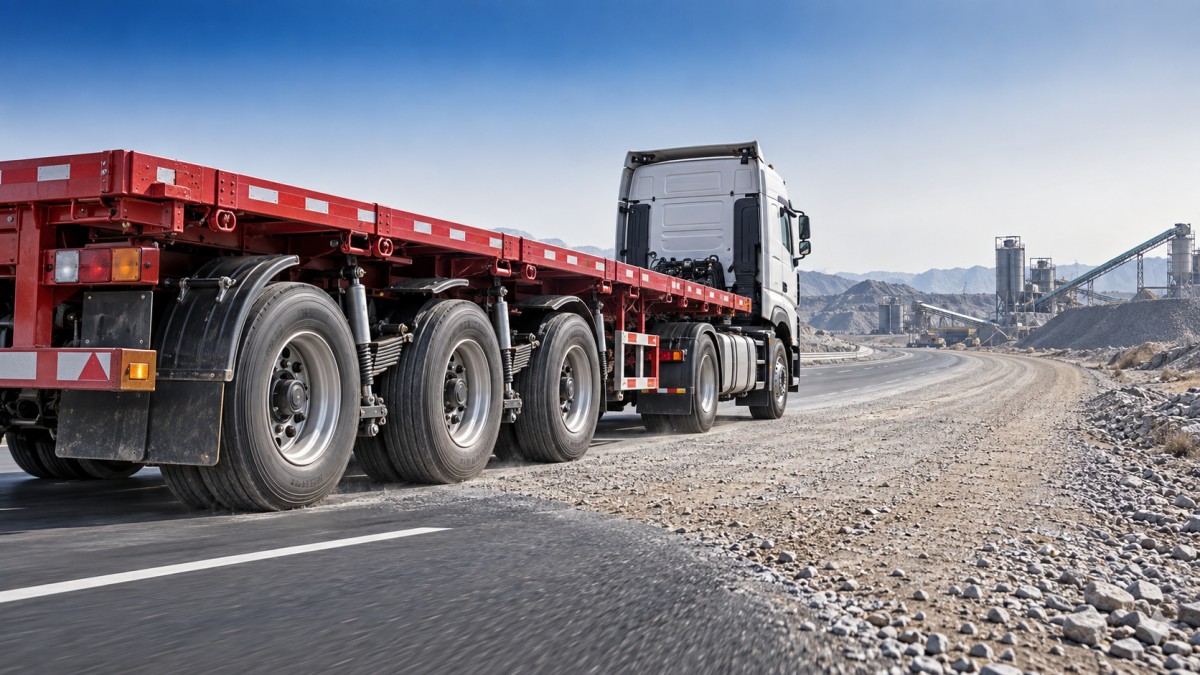
Before choosing a trailer, describe the full route rather than only the final destination. A highway-based operation may need different suspension characteristics from mixed rural deliveries.
Ask where the trailer spends most of its loaded kilometers. Consider paved highways, gravel roads, port yards, quarry access roads, urban streets, and uneven loading areas.
Road surface matters because repeated shock loads can damage cargo, loosen fasteners, accelerate bushing wear, and create uncomfortable trailer movement. Suspension helps control those forces.
Seasonal conditions also deserve attention. Heavy rain can create potholes, unpaved routes may become soft, and high temperatures can affect tires, bushings, and braking performance.
A Semi Trailer Manufacturer should ask practical questions about route elevation, turning frequency, average speed, road repair quality, axle-load restrictions, and loading-site ground conditions.
When a supplier only recommends a standard suspension without gathering this information, buyers may receive a trailer that works acceptably but costs more to operate later.
Mechanical Suspension or Air Suspension?
Mechanical leaf-spring suspension remains a practical choice for many heavy-duty applications. It is durable, comparatively simple, widely understood by repair shops, and suitable for demanding roads.
For rough routes carrying bulk materials, construction equipment, timber, or agricultural loads, robust mechanical suspension can offer dependable performance with straightforward inspection and repair requirements.
However, a mechanical system generally transfers more vibration to the trailer body and cargo. This can be important when transporting fragile goods or consistently operating at higher speeds.
Air suspension uses airbags and control valves to improve ride quality. It can reduce shock transmission, help protect sensitive loads, and provide easier ride-height adjustment.
Air systems are often attractive for highway freight, containers, palletized goods, tankers, and cargo requiring lower vibration. They can also support loading-dock compatibility in some operations.
The tradeoff is complexity. Air suspension needs disciplined maintenance, reliable air-system components, and access to technicians who can inspect leaks, valves, shock absorbers, and leveling controls.
The correct answer is not that one system is always superior. It depends on local service capability, cargo value, road quality, expected mileage, and acceptable maintenance cost.
Payload and Cargo Stability Change the Recommendation
A trailer carrying the same maximum tonnage every day needs a different suspension strategy from one regularly operating with partial loads or highly variable cargo weights.
Heavy, dense cargo creates sustained axle stress. Cement, steel, aggregates, and machinery may require suspension, axle, frame, and tire specifications designed as one complete system.
High-center-of-gravity cargo creates another concern. Tankers, tall palletized loads, and some equipment loads can become less stable when roads are uneven or corners are taken quickly.
Suspension tuning cannot replace safe loading practices, but it can improve axle articulation, reduce excessive body roll, and maintain more predictable tire contact on poor surfaces.
Buyers should provide the manufacturer with the normal load range, cargo dimensions, loading method, center-of-gravity concerns, and whether loads shift during transport.
For example, a bulk-material trailer used on quarry roads may prioritize rugged components, while a highway tanker may prioritize controlled ride behavior and stable handling.
Matching suspension without reviewing cargo is incomplete engineering. The trailer must handle road impact and load dynamics together, especially when operating near its rated capacity.
What Specifications Should End Users Compare?
Do not compare trailers only by price or axle count. Ask for suspension brand, spring or airbag type, axle rating, shock absorber specification, bushing material, and mounting design.
Also confirm the relationship between suspension capacity and legal axle-load limits. A stronger suspension does not automatically permit a heavier legal payload on public roads.
Check whether the axle spacing and suspension geometry suit your local regulations, turning conditions, and tire requirements. These details influence maneuverability, wear patterns, and inspection compliance.
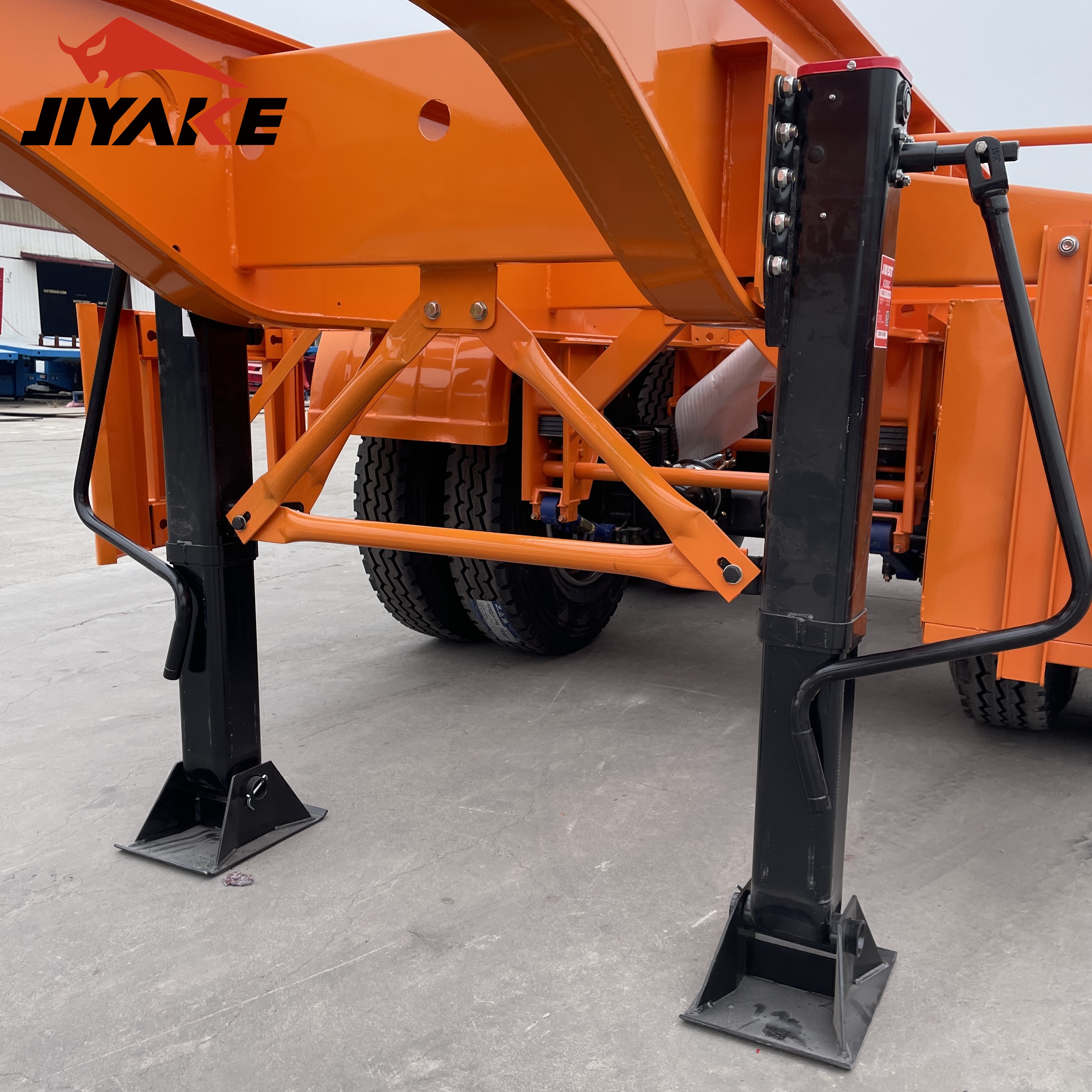
Ground clearance should be reviewed for access roads, ramps, and uneven job sites. Insufficient clearance can cause damage to landing gear, cross members, brake lines, or trailer protection components.
Suspension travel is equally important on broken roads. A system that frequently bottoms out transfers sharp impact into the frame, cargo body, and connected equipment.
Ask for written documentation listing component ratings and recommended maintenance intervals. Clear specifications make it easier to compare competing offers on lifetime value rather than initial price.
For mixed local work, a Light Truck may also be useful for shorter deliveries, job-site movement, or lower-volume cargo tasks that do not require a semi-trailer.
How Local Service Conditions Affect Your Choice
The best suspension design is one your operation can maintain. Availability of replacement parts and qualified technicians should influence the specification before the purchase order is signed.
In remote areas, simple and proven mechanical systems may reduce downtime because common wear parts are easier to source and local workshops understand the repair process.
Where trained service teams and reliable parts networks exist, air suspension may provide worthwhile cargo protection and ride-quality benefits for regular long-distance transport operations.
Consider the likely maintenance items over several years. Bushings, springs, airbags, shock absorbers, height-control valves, U-bolts, and fasteners all have different replacement needs.
A responsible Semi Trailer Manufacturer should provide parts support, inspection guidance, and clear communication about maintenance responsibilities. Promising low maintenance without explaining service requirements is insufficient.
Ask local fleet operators which suspension failures occur most frequently in your region. Their experience often reveals issues that a generic brochure cannot show.
It is also wise to check the supplier's parts lead time. A less expensive trailer can become costly when an unavailable component keeps it parked for weeks.
Questions to Ask Before You Place an Order
Prepare a route-and-load summary before talking to suppliers. Include road photographs, distances, cargo weight ranges, average trips per month, local temperatures, and known rough sections.
Ask which suspension configuration the manufacturer recommends and why. The explanation should connect directly to your operation instead of relying on vague claims about heavy-duty performance.
Request information about similar trailers already working in comparable countries or terrain. Relevant references are more useful than examples operating only on smooth expressways.
Confirm whether the trailer frame, axle, braking system, tires, and suspension were selected together. A mismatch between these components can reduce durability and complicate maintenance.
Discuss options rather than assuming a standard build is fixed. Suspension brackets, shock absorbers, axle capacities, tire sizes, and ride heights may be adjustable during specification.
Finally, compare the total operating picture: purchase cost, expected tire life, cargo-damage exposure, repair access, downtime risk, and resale value in your local market.
Choose a Trailer Built for the Work, Not the Brochure
Local-road matching is possible when the manufacturer listens carefully, uses appropriate engineering data, and offers configuration choices supported by real component specifications.
For end users, the most useful decision is rarely the cheapest suspension or the most advanced one. It is the system that fits roads, loads, maintenance resources, and utilization.
Provide honest operating details, request a documented recommendation, and evaluate the complete trailer package. That approach helps protect your investment and supports reliable transport performance over time.
Leave A Reply

First class quality service and professional after-sales team.
Get in Touch
*We respect your confidentiality and all information are protected.