




Recent Posts
 Thailand Clients Visit JIYAKE to Inspect Brand-New Semi-Trailers and Reach Cooperation AgreementNov 21, 2026
 Guinea Clients Visit JIYAKE to Inspect Brand-New SINOTRUK Vehicles and Reach Strategic CooperationNov 21, 2026
 When can an electric dump truck work on a fixed site?Oct 30, 2026


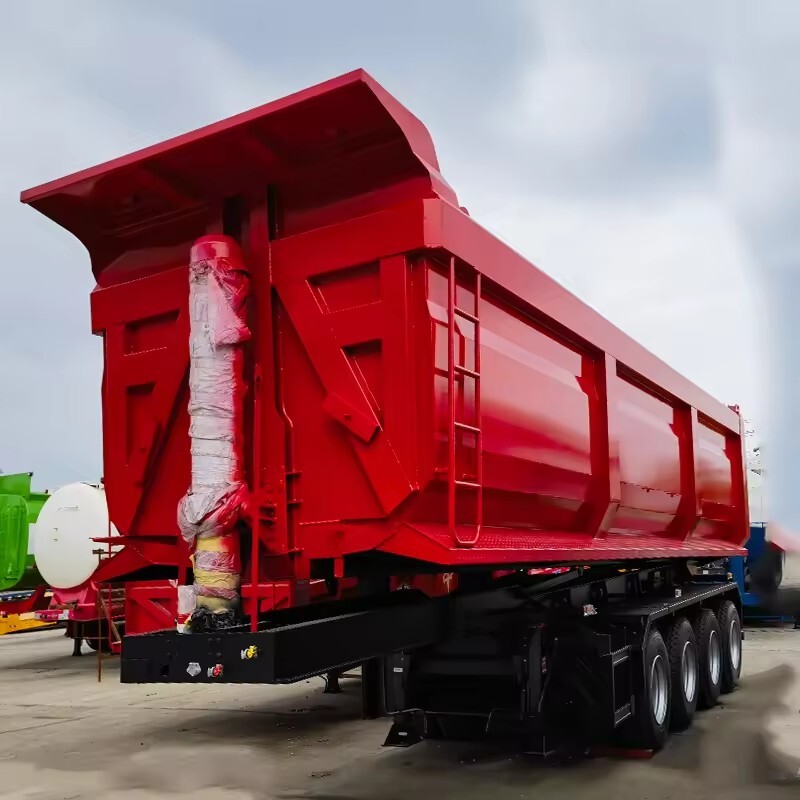

When can an electric dump truck work on a fixed site?
An electric dump truck can be a practical choice for a fixed site when routes are predictable, daily hauling demands are understood, and charging infrastructure can support the operating schedule.
For business evaluators comparing a dump truck for sale, the decision involves more than the purchase price: payload requirements, terrain, energy costs, vehicle availability, and site infrastructure all affect the total cost of ownership.
This article examines the conditions that make electric dump trucks suitable for fixed-site operations and the factors to assess before investing.
When Is a Fixed Site a Good Fit for an Electric Dump Truck?
The strongest candidates are sites with repeatable routes, defined loading and unloading points, and enough downtime to recharge without interrupting production or requiring extra vehicles.
Quarries, mines, construction projects, industrial yards, and material handling facilities can meet these conditions. Suitability depends on the duty cycle, not simply the type of site.
A predictable route makes it easier to estimate daily energy use and position chargers. It also allows operators to test the truck against actual gradients and payloads.
Conversely, a site with frequently changing routes, uncertain shifts, or limited electrical capacity may struggle to keep an electric truck productive without costly operational changes.
Can the Truck Complete the Required Hauling Schedule?
Begin with the work the truck must perform: tonnes moved per shift, payload per trip, round-trip distance, loading time, queue time, and planned operating hours.
Divide the required tonnes by the practical payload to estimate the number of trips. Then check whether loading, travel, unloading, and charging fit within the shift.
For example, moving 600 tonnes with a practical payload of 30 tonnes requires 20 loaded trips. A lower payload or additional delays will increase that number.
Use the vehicle's allowable payload under local rules and site conditions, not just a headline capacity. Battery weight, body configuration, and axle limits can affect usable capacity.
Compare equivalent outputs when evaluating a diesel dump truck for sale. A lower running cost per hour matters less if the truck completes fewer tonnes per shift.
How Do Terrain and Route Conditions Affect Energy Use?
Steep loaded climbs, soft ground, frequent stopping, and heavy traffic increase energy demand. Test estimates against the actual route rather than relying on a published range alone.
Regenerative braking may recover some energy on suitable downhill sections, but the benefit depends on vehicle controls, battery conditions, speed, and the direction of the loaded journey.
Cold or hot weather, auxiliary equipment, battery ageing, and changes in road condition can also reduce the energy available for hauling. Include a practical operating reserve.
Ask suppliers for energy consumption estimates in kilowatt-hours per shift or per tonne moved, with assumptions for payload, gradient, temperature, and operating speed clearly stated.
Is Charging Available When the Truck Needs It?
A charging plan must match the production schedule. Identify whether the vehicle can charge overnight, during meal breaks, between shifts, or only during brief loading pauses.
Estimate charging time using the energy that must be replenished and the charging power the vehicle and charger can actually sustain. Allow for charging losses and limitations.
As an illustration, replacing 200 kWh at an average delivered power of 100 kW takes roughly two hours, before accounting for losses or reductions in charging speed.
Confirm the site's electrical connection, available capacity, charger compatibility, installation requirements, and local approval process. A charger alone does not guarantee sufficient power at the required time.
Also assess the cost and lead time of transformers, cabling, civil works, protective equipment, and utility upgrades. These items can materially change the investment decision.
Consider what happens during a power outage or charger fault. A backup vehicle, alternative charging location, or revised dispatch plan may be necessary for critical operations.
What Does the Total Cost of Ownership Look Like?
Build a comparison over the expected ownership period using the same annual tonnage, route, operating hours, financing assumptions, and replacement schedule for both electric and diesel options.
Include vehicle purchase price, charging equipment, installation, electricity, demand charges where applicable, maintenance, insurance, operator training, downtime, and any battery-related costs outside the warranty.
For diesel trucks, include fuel, maintenance, emissions-related equipment where applicable, and relevant site operating costs. Use local prices and realistic consumption data for both alternatives.
Calculate cost per tonne moved as well as annual cost. This makes differences in payload, charging downtime, and vehicle availability visible to decision makers.
Potential savings can come from lower energy or maintenance costs, but they are site-specific. Do not assume an electric truck is cheaper without testing the complete duty cycle.
Run sensitivity cases for electricity and diesel prices, utilisation, charger expenditure, battery life, and resale value. Exclude incentives unless eligibility and payment conditions are confirmed.
What Risks Should Buyers Check Before Ordering?
Request written specifications for payload, battery capacity, charging interface, maximum charging power, operating temperature, gradeability, and expected performance under the site's loaded conditions.
Review warranty coverage for the battery, traction system, and charger, including duration, usage limits, exclusions, capacity guarantees if offered, and responsibilities for diagnosis and replacement.
Check the supplier's service coverage, technician availability, spare parts lead times, and remote diagnostic support. A low operating cost offers little value when repairs halt production.
Where practical, arrange an on-site trial covering normal loads, gradients, weather, and shift patterns. Record energy consumed, tonnes moved, charging time, and any interruptions.
Use the trial to confirm whether the truck can meet peak demand as well as average output. A vehicle sized only for quiet days may create bottlenecks.
How Does an Electric Dump Truck Fit into the Wider Fleet?
Fixed-site hauling is only one transport requirement. Businesses may also need separate equipment to move construction materials, industrial goods, or containers between facilities and project sites.
For those tasks, the 80 Ton Fence Cargo Trailer is a separate trailer option, not an electric dump truck or a substitute for site tipping operations.
Its listed features include a modular aluminum fence system and container twist locks. The supplied specifications state a 30–40 tonne payload, despite the product title.
Confirm the configured payload, container compatibility, tractor requirements, axle ratings, and applicable road regulations with the supplier before comparing it with other freight equipment.
What Is the Practical Decision?
An electric dump truck is worth serious consideration when it can meet required tonnes per shift, recharge within available windows, and operate reliably on the actual route.
Proceed when a documented cost comparison, infrastructure assessment, and preferably an on-site trial support the business case. Otherwise, address the gaps before committing to a purchase.
Leave A Reply

First class quality service and professional after-sales team.
Get in Touch
*We respect your confidentiality and all information are protected.