




Recent Posts
 Thailand Clients Visit JIYAKE to Inspect Brand-New Semi-Trailers and Reach Cooperation AgreementNov 21, 2026
 Guinea Clients Visit JIYAKE to Inspect Brand-New SINOTRUK Vehicles and Reach Strategic CooperationNov 21, 2026
 When can an electric dump truck work on a fixed site?Oct 30, 2026

How to reduce rollover risk when unloading a dump truck
How to Reduce Rollover Risk When Unloading a Dump Truck
Dump truck rollovers during unloading can cause serious injuries, equipment damage, and costly downtime. For quality control and safety managers, reducing this risk starts with assessing ground stability, load distribution, vehicle condition, and unloading procedures. Whether you are evaluating a dump truck for sale or reviewing the safety of an existing fleet, understanding the main rollover hazards can help you establish more effective inspection and operating practices. This guide covers practical steps to make each tipping operation safer.
Why tipping changes the stability of the truck
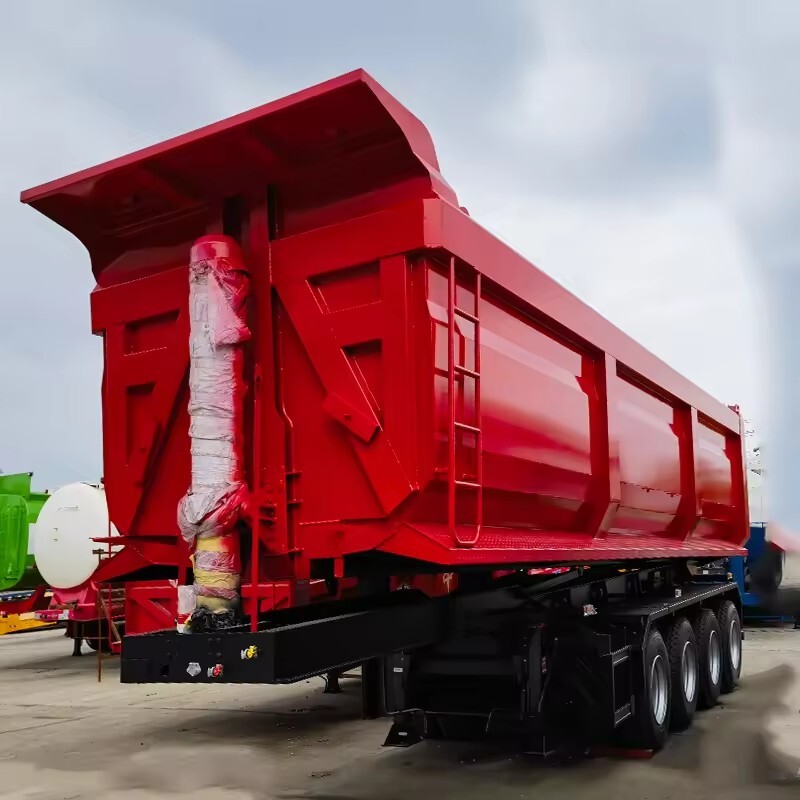
A truck that feels stable while travelling can become unstable when its body rises. The center of gravity moves upward, and any sideways lean has a greater effect. If material sticks to one side of the body, the remaining load can pull the raised body farther off balance.
The hazard is rarely caused by one factor alone. A slightly uneven surface, a soft patch under one wheel, and a load of wet material may each seem manageable until they occur together. An effective unloading procedure therefore checks the whole operation, not just the hydraulic lift.
Choose and maintain a safe tipping area
The tipping surface should be firm, level and capable of supporting the loaded truck throughout unloading. A surface that supported an empty vehicle earlier in the day may behave differently under a loaded axle, particularly after rain or repeated traffic. Inspect the area again when conditions change.
Look for ruts, loose fill, buried voids and recently disturbed ground. Pay particular attention to differences between the left and right wheel tracks: if one side sinks while the body is raised, the truck can lean rapidly. Keep the vehicle away from excavation edges, embankments and stockpile edges unless the site has assessed their stability and established a safe stopping position.
Check overhead clearance before raising the body. Power lines, structures and other obstructions introduce hazards that are separate from rollover but must be controlled at the same time. Use the site’s electrical safety procedures and applicable local clearance requirements; do not rely on visual estimation alone.
Control the load before the truck reaches the tip
A balanced load is easier to discharge predictably. Distribute material evenly across the body and avoid concentrating heavy material on one side. Confirm that the actual payload and axle loads remain within the limits applicable to the vehicle and operating site. A nominal payload figure alone does not account for body equipment, load placement or local road requirements.
Material characteristics matter as much as weight. Wet soil, clay, frozen material and material compacted during transport may cling to the body instead of flowing freely. Large pieces can obstruct the tailgate or discharge unevenly. Before loading, consider whether the material and body configuration are compatible and whether the unloading area provides room to deal with a blockage safely.
If a load regularly sticks, investigate the cause rather than treating each event as an operator problem. Body condition, damaged liners where fitted, material moisture and loading practices can all be relevant. Any modification to the body or discharge arrangement should be reviewed against the manufacturer’s guidance.
Inspect the truck as a stability system
A pre-use inspection should identify defects that could allow the body or chassis to twist, shift or rise unevenly. It is especially important after harsh off-road use, repairs or an incident involving a blocked load.
- Tires and suspension: Check for visible tire damage, uneven inflation and damaged or sagging suspension components. Differences between sides can affect the truck’s stance.
- Body and chassis: Look for cracks, deformation, damaged mounting points and excessive wear around pivots and hinges.
- Hoist and hydraulics: Check for leaks, damaged hoses, worn pins and signs of abnormal movement. A leaking system or damaged component should be assessed before tipping.
- Tailgate: Verify that latches, hinges and release mechanisms operate as intended. A gate that cannot open properly can prevent the load from leaving evenly.
Record defects and remove the truck from service when safe operation is in doubt. Inspection beneath a raised body requires the manufacturer’s approved mechanical support and the site’s isolation procedure; hydraulic pressure alone must not be relied on to hold the body up.
Make the unloading sequence predictable
Before tipping, position the truck straight on the approved surface, secure it according to the manufacturer’s instructions and confirm that the discharge area is clear. Establish an exclusion zone around the truck and expected material flow. A spotter, where needed, should remain in a safe position with a clear escape route and use agreed signals.
Raise the body smoothly while watching for abnormal lean, uneven discharge or movement of the ground. Stop the operation if something looks wrong. Do not drive forward with the body raised, jerk the vehicle or use abrupt braking to free a stuck load unless a manufacturer-approved procedure specifically permits the action and the site has assessed the risk.
If material remains stuck, stop raising the body and keep people clear. Lower it if this can be done safely under the manufacturer’s instructions, then isolate the vehicle and follow the site’s blockage-removal procedure. Never send someone beneath or behind an unsecured raised body or into the path of material that could release unexpectedly. If the body cannot be lowered safely, keep the area isolated and obtain qualified assistance.
Assess equipment against the actual duty
When reviewing a dump truck for sale, ask for the configuration and operating limits of the specific vehicle, not just the model family. For example, the HOHAN 6X4 Dump Truck is offered for construction and mining applications with a 6x4 drive layout, high-strength steel construction, a middle-lifting arrangement and a stated 25-ton payload capacity. Those details help frame an assessment, but they do not establish safe tipping conditions at a particular site.
Confirm the body dimensions, axle ratings, unladen weight, hoist arrangement and permissible operating conditions for the truck being supplied. Check whether its body and tailgate suit the material, and request the operating, inspection and maintenance instructions. Engine and emissions configurations can vary, so verify the proposed specification against the destination market’s requirements.
Shandong Jiyake Automobile Sales Co., Ltd. supplies dump trucks and other special vehicles and combines vehicle-related production, trade and parts activities. For a safety review, that makes the practical next step a documented discussion of the intended load, ground conditions, parts support and the exact vehicle configuration. A suitable truck still needs a controlled tipping area, trained operators and a reliable process for reporting defects.
Leave A Reply

First class quality service and professional after-sales team.
Get in Touch
*We respect your confidentiality and all information are protected.