




What warranty terms reveal about a dump trailer manufacturer
A warranty is not simply a repair promise. In a dump trailer purchase, it is one of the clearest documents for judging whether a Dump Trailer Manufacturer understands its own product, controls its production process, and can support equipment after delivery. A low purchase price can quickly lose its advantage when a cracked body, failed hydraulic component, or unavailable spare part keeps a trailer out of service.
For a business evaluator, the useful question is not “How long is the warranty?” It is: what is covered, who carries the cost, how quickly can the trailer return to work, and what does the supplier exclude? Those answers reveal much more than a headline warranty period.
Read the coverage scope before comparing warranty length
A longer warranty is not automatically better. One supplier may advertise broad coverage but exclude the components most likely to cause downtime in severe tipping work. Another may offer a shorter period with clearer protection for the trailer structure, hoist system, electrical parts, and supplied components.
Ask for coverage to be separated by system. The main areas normally worth reviewing are:
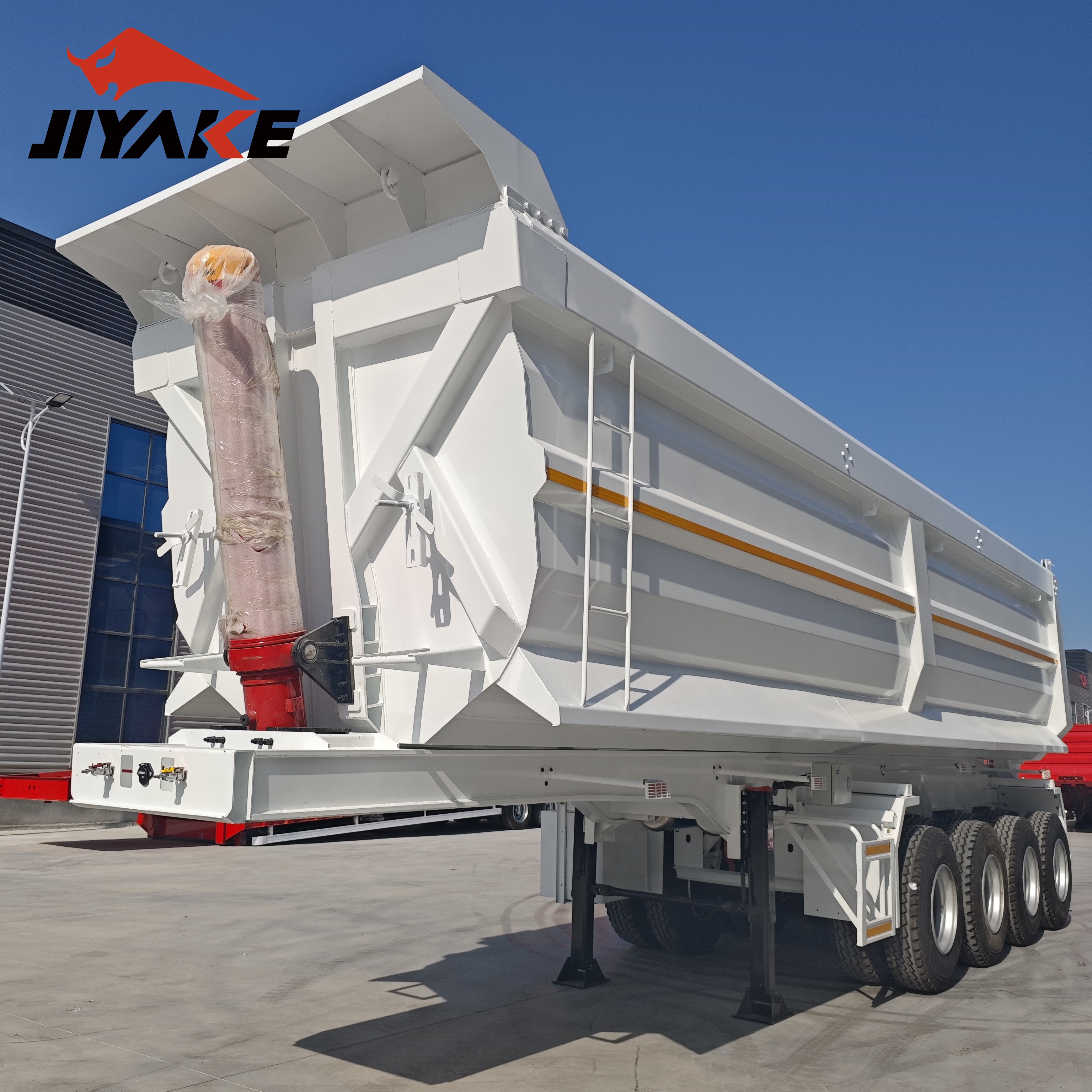
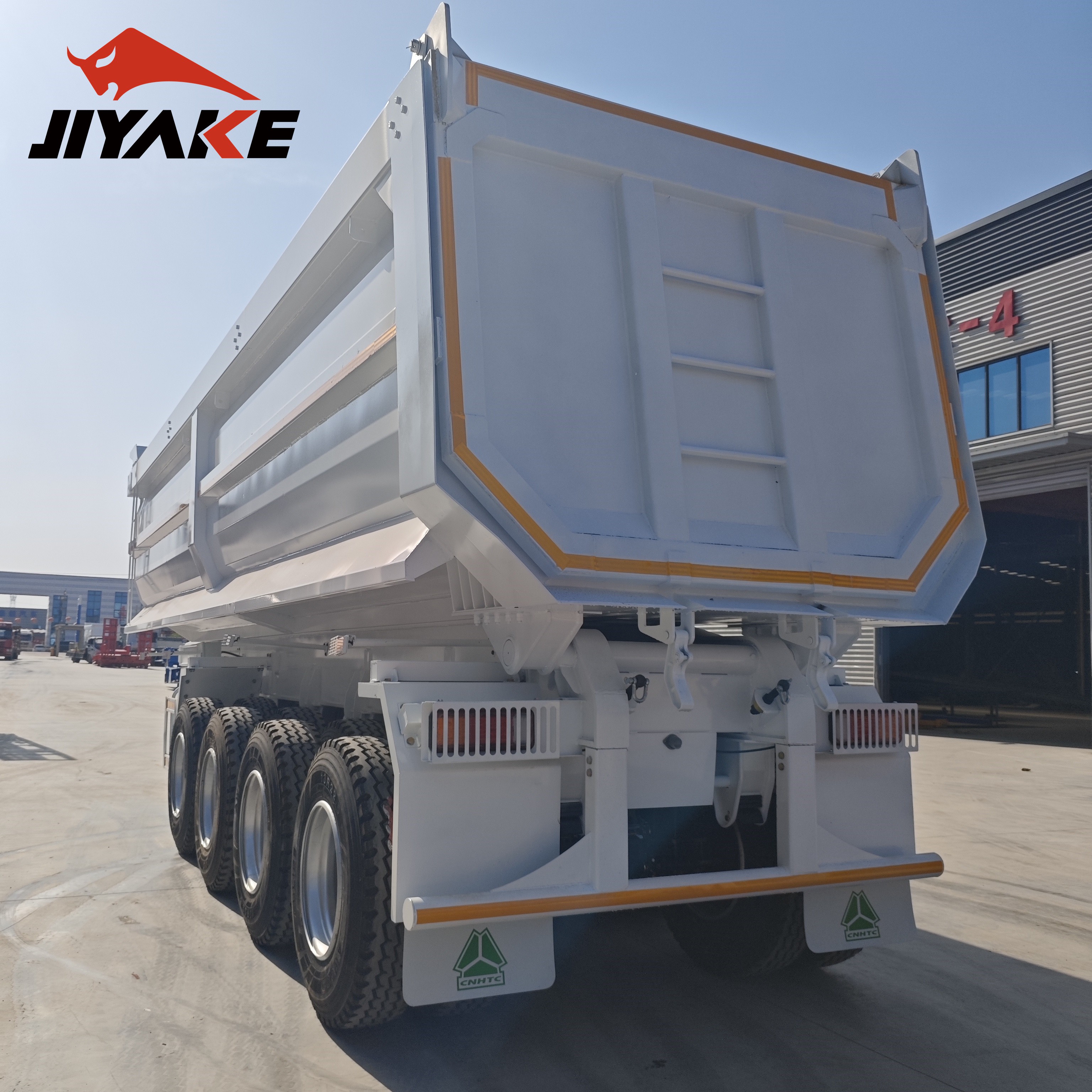
- Structural components: chassis rails, cross-members, body floor, sidewalls, tailgate frame, kingpin area, suspension mounts, and welds.
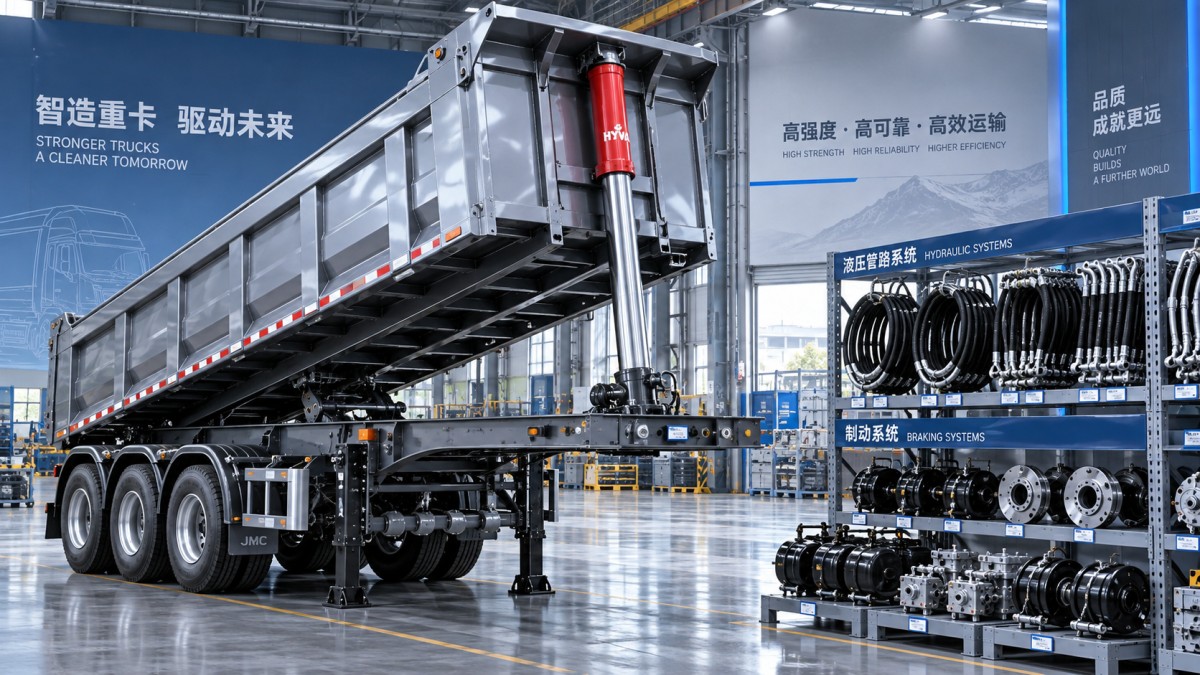
- Tipping system: hydraulic cylinder, pump, hoses, valves, oil tank, power take-off interfaces, and control hardware.
- Running gear: axles, suspension, hubs, brakes, landing gear, rims, and tires. These may have separate supplier warranties.
- Electrical equipment: lamps, wiring harnesses, connectors, reversing alarms, and any installed monitoring equipment.
- Paint and corrosion protection: especially relevant where trailers operate near coastlines, in wet aggregate yards, or with corrosive bulk materials.
The distinction matters because a dump trailer can remain mechanically usable while a structural repair still makes it unavailable for loading. If the body floor deforms under repeated rock loading, or a hoist mounting area develops a crack, the financial impact is not limited to the repair invoice. It includes lost trips, replacement equipment, scheduling disruption, and potential load rejection.
A manufacturer that clearly identifies covered assemblies, limits, and claim paths is usually easier to evaluate than one that relies on a broad phrase such as “quality guaranteed.” Precision does not make a warranty restrictive by itself; it makes commercial risk measurable.
Exclusions show where the manufacturer draws the line
Every warranty has exclusions. The concern is not that exclusions exist, but whether they are reasonable for the intended job and explained in practical terms.
Wear items are commonly excluded because brake linings, tires, seals, and body surfaces naturally degrade in service. That is normal. More concerning language includes broad exclusions for “overloading,” “misuse,” “rough roads,” or “improper operation” without defining the operating limits or evidence required to make that judgment.
Dump trailers work in conditions that are inherently demanding: uneven construction sites, quarry approaches, repeated tipping cycles, abrasive loads, and occasional side loading during discharge. A warranty should distinguish normal heavy-duty service from preventable abuse. If nearly every realistic operating condition can be treated as misuse, the stated protection has little practical value.
Service response matters more than a replacement promise
For equipment operating far from the factory, a warranty claim is only useful when the supplier can provide a workable remedy. Business evaluators should look beyond whether replacement parts are promised and examine the route from fault report to restored operation.
Useful questions include whether claims can be assessed through photos and video, whether the manufacturer can provide repair instructions to a local workshop, whether critical parts are stocked or made to order, and whether the buyer must return failed components before a replacement is released. These details matter particularly for export purchases, where shipping a hydraulic cylinder or axle component can extend downtime considerably.
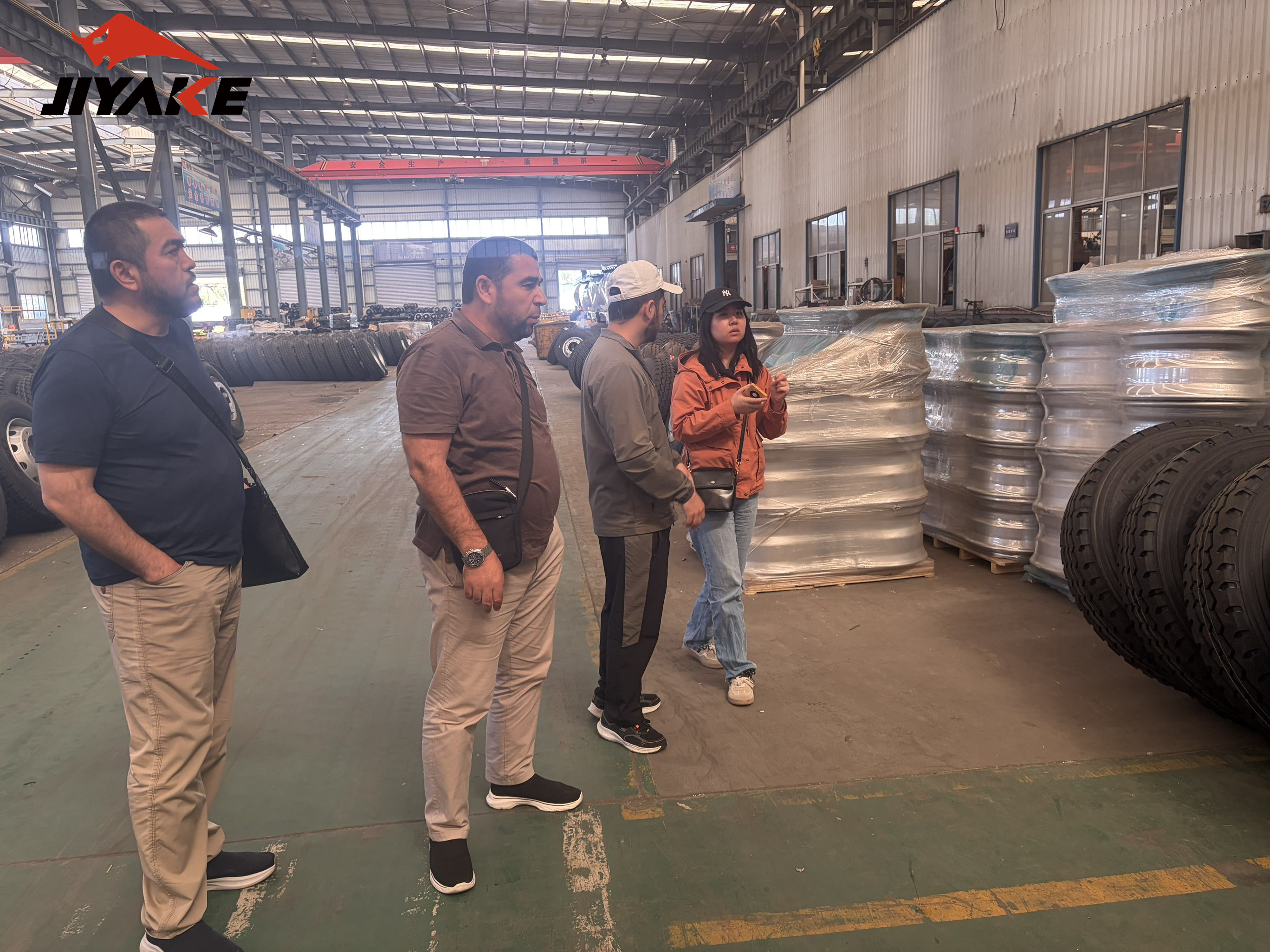
Parts availability is also a manufacturing signal. A company with integrated production capacity for vehicle fabrication and fittings, such as Shandong Jiyake Automobile Sales Co., Ltd., can be better positioned to coordinate trailer-related components and repairs than a trading-only supplier. Its production base includes CNC cutting, automated welding, large bending, and tank welding equipment, which are relevant capabilities when assessing consistency in fabricated heavy-vehicle products. The commercial question remains practical: can the supplier identify the exact part, provide its drawing or specification, and deliver a solution that works in the buyer’s market?
Match warranty expectations to the load and operating cycle
A trailer moving light bulk material on paved routes faces different failure risks from one carrying blasted stone through quarry roads. Warranty evaluation should start with the actual duty cycle: material density, average load, loading method, road condition, tipping frequency, climate, and workshop capability.
For abrasive aggregate or demolition debris, body floor thickness, reinforcement layout, tailgate hinges, and weld quality deserve more attention than cosmetic paint coverage. For long-haul bulk movement, suspension durability, brake support, tire specification, and compatible tractor-trailer operation become more significant. The tractor unit affects the whole working combination: a mismatched fifth-wheel arrangement, hydraulic interface, or braking setup can create problems that a trailer warranty may exclude.
When sourcing both sides of the combination, reviewing the towing specification alongside the trailer reduces ambiguity. For example, a 6x4 Tractor Truck configured for heavy semi-trailer hauling should be assessed for coupling compatibility, braking integration, and the operating load rather than treated as a separate purchase. This is especially important where the trailer supplier and tractor supplier may each attribute a failure to the other system.
Calculate the warranty’s cost impact, not just its value on paper
The lowest quoted trailer price can be sensible when the work is light, local repair capability is strong, and replacement units are available. It becomes less attractive when the trailer is expected to run continuously or serve a contract with penalties for missed deliveries.
Instead of assigning an abstract value to the warranty, compare the likely buyer-paid exposure under each offer:
- Labor required to diagnose and replace a failed item.
- Freight cost and lead time for parts.
- Whether local repair is authorized without voiding coverage.
- Cost of a replacement trailer or missed operating days.
- Expected availability of ordinary service parts after the warranty period.
A supplier that offers a modest warranty but maintains clear drawings, part numbers, responsive technical support, and repair authorization may produce lower lifecycle risk than one offering generous language with no operational support process.
Use the warranty document as a supplier audit tool
Before placing an order, request the complete warranty terms with the quotation and technical specification, not after the deposit is paid. Then compare the document against the trailer configuration: body type, axle and suspension selection, hydraulic equipment, paint system, and intended payload. Any mismatch between sales promises and written terms should be resolved in the purchase contract.
Also ask the manufacturer to provide a simple claim workflow: required evidence, approval authority, expected response path, parts dispatch procedure, and responsibility for labor and transport. This request is revealing. A capable supplier can usually explain the process directly because it has handled the operational questions before.
The warranty should not replace a technical inspection of materials, weld quality, component brands, and design suitability. It does, however, expose how a dump trailer supplier manages responsibility when those controls fail. For procurement decisions, that is often a more useful indication of long-term value than an attractive brochure specification.
Leave A Reply

First class quality service and professional after-sales team.
Get in Touch
*We respect your confidentiality and all information are protected.