




Can a dump trailer manufacturer match body steel to abrasive loads?
A dump trailer manufacturer can match body steel to abrasive loads, but only when the buyer provides a realistic description of the material, loading method, duty cycle, and discharge conditions. “Abrasion-resistant steel” alone is not a complete specification. Gravel, sharp quarry stone, wet sand, iron ore, demolition debris, and scrap can all wear a body differently, even when their nominal payload is similar.
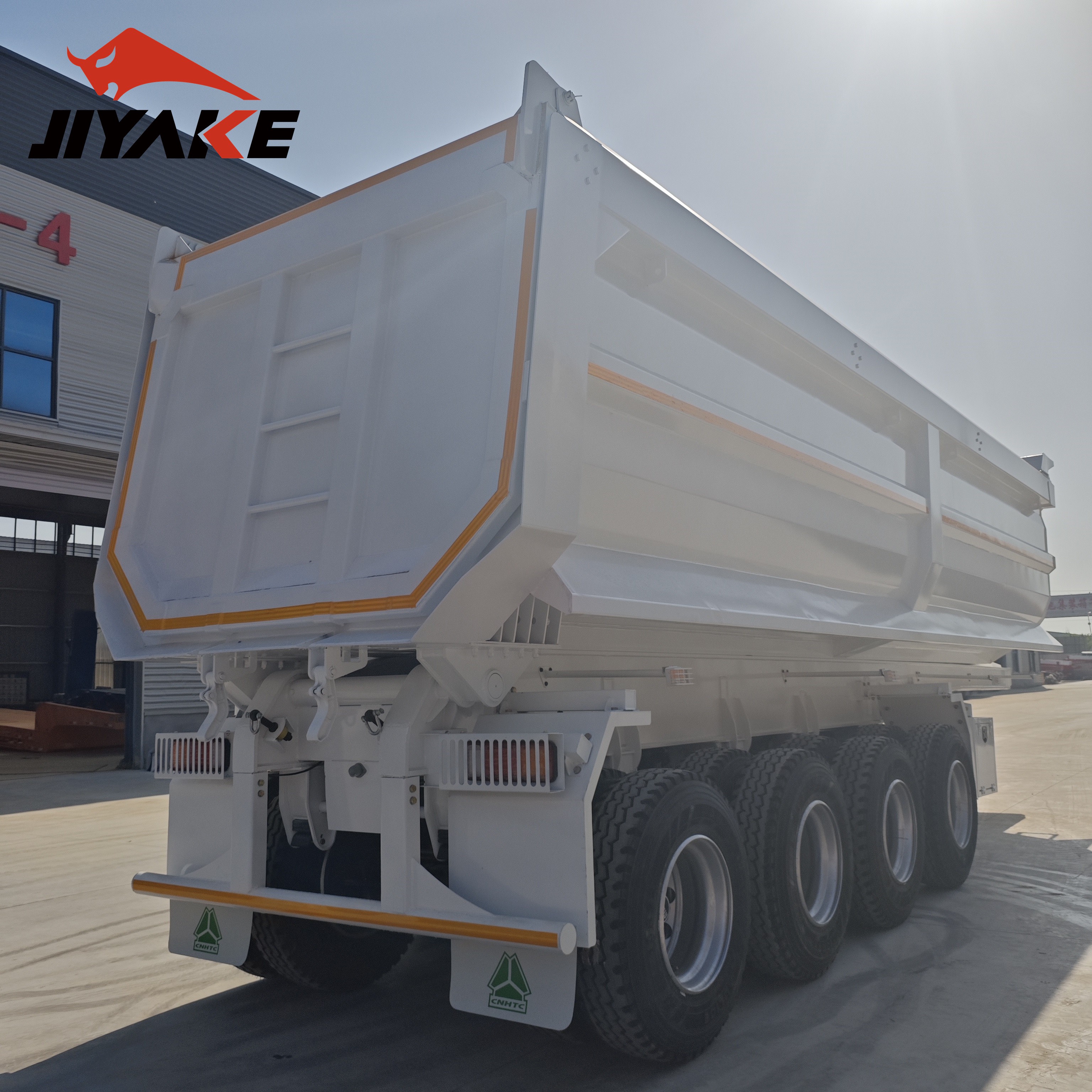
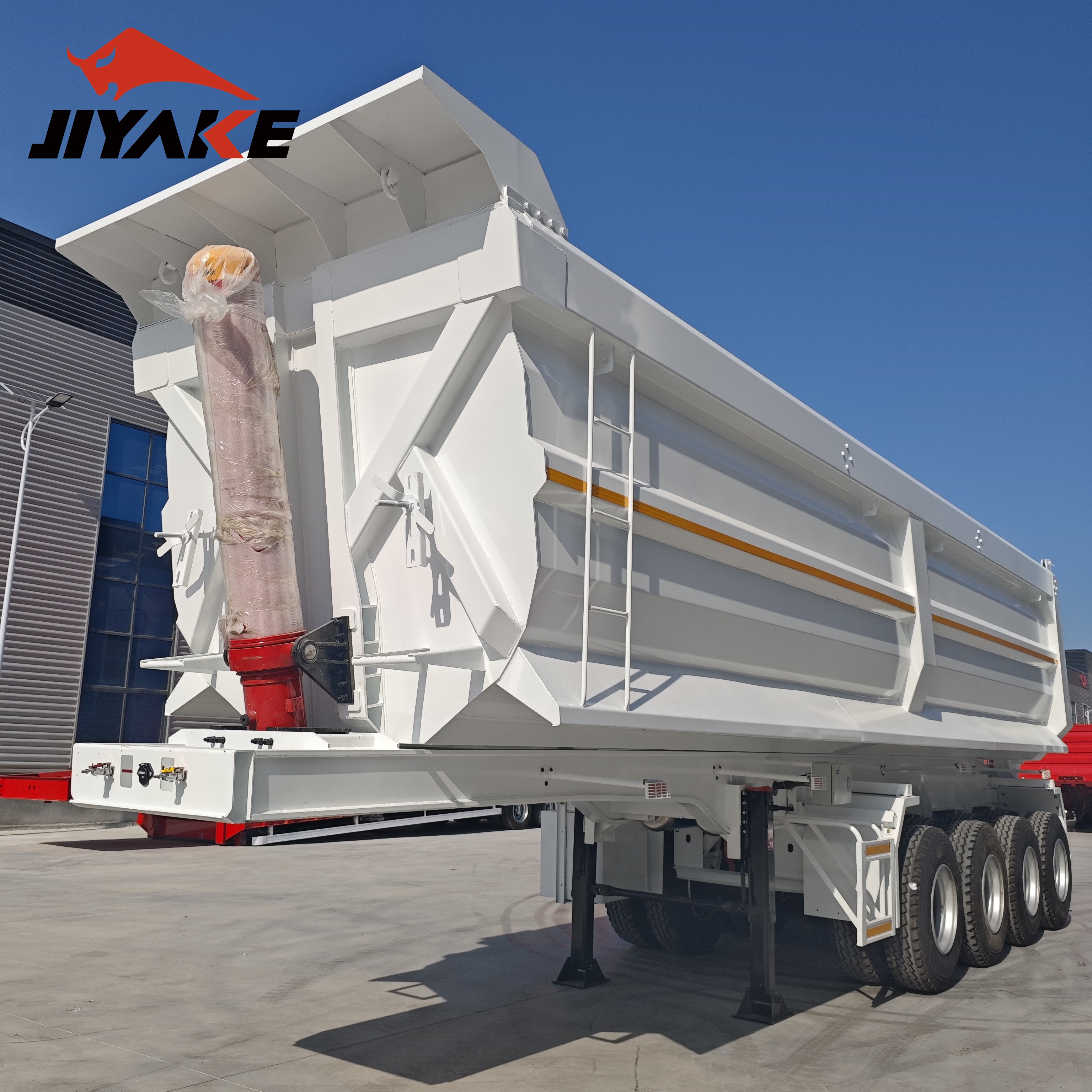
The problem often becomes visible after the trailer enters service: the floor develops grooves near the rear, sidewalls thin around the loading zone, weld areas begin to crack, or material no longer slides out cleanly. These issues affect more than appearance. They can increase repair downtime, add dead weight through repeated patching, reduce payload efficiency, and eventually shorten the useful life of the trailer body. A capable Dump Trailer Manufacturer should therefore match the body material system—not simply select the thickest available plate.
Start with the material’s wear behavior, not its name
Procurement specifications often state only “sand,” “stone,” or “ore.” That is usually too broad for body steel selection. The manufacturer needs to understand particle size, edge sharpness, moisture, density, drop height, and whether the load is likely to stick during unloading.
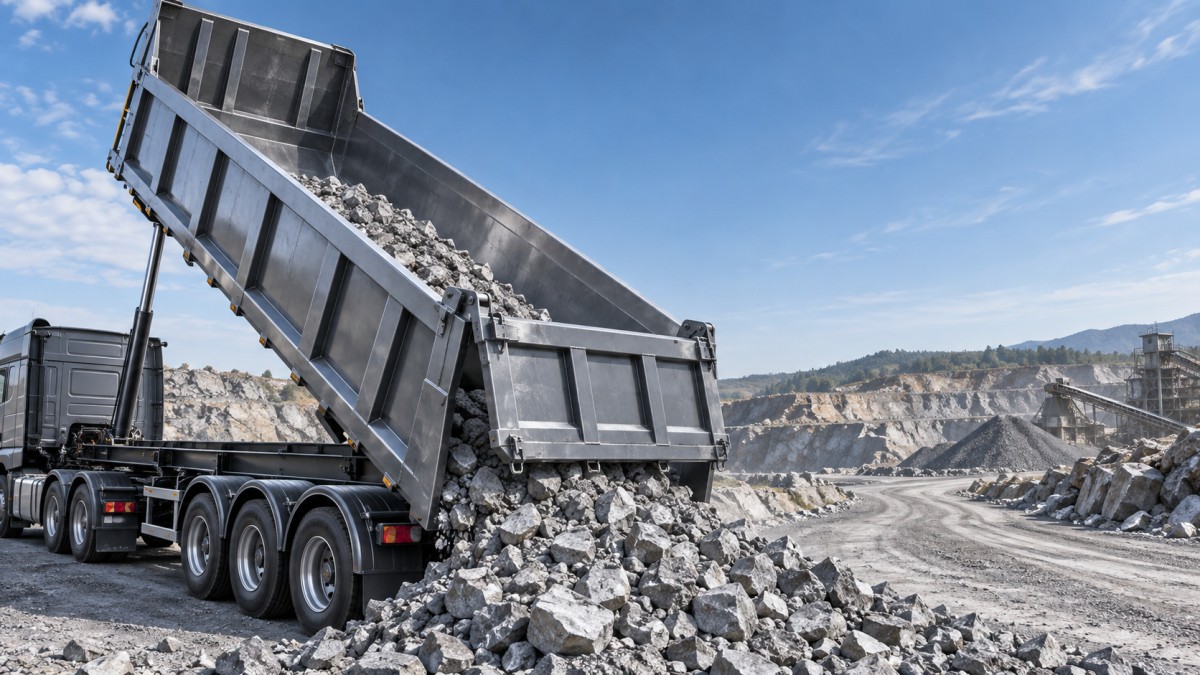
Fine dry sand may create steady sliding wear across the floor. Large angular aggregate can cause both abrasion and impact damage when dropped from a loader bucket. Demolition debris may introduce point loading from rebar, broken concrete, and irregular steel pieces. Wet clay-rich material may be less abrasive than stone but can cling to the body, increasing the force needed to unload and placing stress on the floor, hoist system, and rear hinge area.
- Sliding abrasion: Material moves across the floor during loading, transport vibration, and tipping.
- Impact abrasion: Hard particles strike the floor or front wall from a bucket, excavator, or conveyor.
- Localized wear: Repeated loading in the same area creates thin spots rather than uniform wear.
- Corrosion-assisted wear: Moist, salty, or chemically active materials can damage coatings and accelerate steel loss.
- Unloading stress: Sticky loads or uneven discharge can increase stress near the rear section and side panels.
A useful purchasing conversation begins with the actual loading material and how it enters the trailer. Two operators hauling crushed stone may need different body specifications if one is loaded from a high bucket and the other from a low conveyor.
Steel grade and thickness must work together
Higher-strength or wear-resistant plate can improve resistance to abrasion, but grade alone does not solve every problem. A very hard floor plate may resist surface wear well, yet the body still needs appropriate thickness, structural support, weld design, and reinforcement around impact zones. Conversely, adding thickness everywhere can unnecessarily increase tare weight and reduce the legal payload available for each trip.
The right approach is to divide the body into wear zones. The floor usually receives the greatest sliding wear. The front wall may need added protection when loading equipment drops material forward. The rear floor section can wear heavily because material shifts and exits through that area during dumping. Sidewalls may need reinforcement if the material is loaded against them or if oversized rock rolls during transport.
Buyers should ask whether the proposed steel thickness applies to the floor, sidewall, front wall, and tailgate separately. A quotation that provides one body thickness without identifying these zones may conceal a design that is not aligned with the actual duty cycle.
Where reinforcement matters more than heavier plate
Body wear is not always a plate-material issue. Recurrent cracks around crossmembers, hinge supports, front wall joints, or top rails can indicate insufficient structural reinforcement, poor load distribution, or a mismatch between body shape and the material being hauled. Adding a harder floor plate will not correct a body that flexes excessively under dense loads.
Ask the manufacturer how the floor is supported, where crossmembers are concentrated, and whether the rear discharge area receives additional attention. For severe aggregate service, the transition between the floor and front wall is often important because loaders may repeatedly strike or drop material there. In a body intended for mixed loads, replaceable wear liners or localized wear plates may be more practical than increasing the thickness of the entire body.
Weld access also matters. A body built for abrasive service should allow practical inspection and repair of wear areas without requiring excessive disassembly. Procurement teams should not evaluate body steel separately from fabrication quality, reinforcement layout, tailgate design, and tipping geometry.
Questions that reveal whether the manufacturer understands the application
A reliable manufacturer should be able to discuss trade-offs rather than offer a single generic “heavy-duty” configuration. During technical review, request clear answers to the following points:
- Which material grade is proposed for the floor, sidewalls, front wall, and tailgate?
- What is the thickness of each panel, and where are additional wear plates used?
- What loading equipment will be assumed: wheel loader, excavator, conveyor, or another system?
- What maximum material density and typical payload are being used for the design?
- How does the body design limit impact damage from large rock or debris?
- Are wear liners available where replacement is more economical than rebuilding the body?
- How will the proposed steel affect tare weight, payload, repair methods, and spare-part availability?
These questions are especially useful when several suppliers quote trailers with similar overall dimensions. A body can look comparable in photographs while having very different floor support, plate specification, reinforcement details, and expected repairability.
Do not specify maximum hardness for every load
One common purchasing mistake is treating the hardest available steel as automatically superior. Harder plate can be appropriate for severe abrasion, but it may increase cost, require more controlled fabrication, and offer little value when the main issue is impact, flexing, corrosion, or sticky unloading. The correct body should suit the work instead of being built around an isolated material claim.
Another mistake is choosing a lightweight body solely to maximize payload without considering daily loading conditions. A lighter configuration can be appropriate for less aggressive bulk materials and controlled loading. It becomes a poor economy when sharp rock, oversized aggregate, or demolition debris causes early floor and wall repairs.
Fleet purchasing also benefits from separating equipment categories rather than trying to make one trailer perform every task. Container movements, for example, require a different chassis arrangement from abrasive bulk hauling. A Skeleton Semi Trailer is designed around container transport, with configurations for 20-foot, 40-foot, and 45-foot containers, while a dump body must be evaluated around wear, discharge, and impact conditions. Keeping these operating requirements distinct prevents unsuitable specifications from being carried across trailer types.
Build the specification around the hardest regular duty
The best reference point is not the lightest load occasionally carried, nor the most extreme one-off material. Define the most abrasive or damaging load that will be hauled regularly, then verify how often it occurs and how the trailer is loaded. A trailer that spends most of its time on sand but regularly carries sharp rock may need selective floor and front-wall protection rather than a fully heavy body. A unit dedicated to dense, angular ore may justify a more robust floor, reinforcement package, and chassis review from the outset.
Before issuing a purchase order, provide the manufacturer with material photos where available, typical particle size, payload range, loader type, drop height, road conditions, expected trips per shift, and whether loads are mixed. That information gives the manufacturer a basis for matching steel grade, plate thickness, wear protection, and structural design to the actual abrasive load—not to a generic trailer category.
Leave A Reply

First class quality service and professional after-sales team.
Get in Touch
*We respect your confidentiality and all information are protected.