




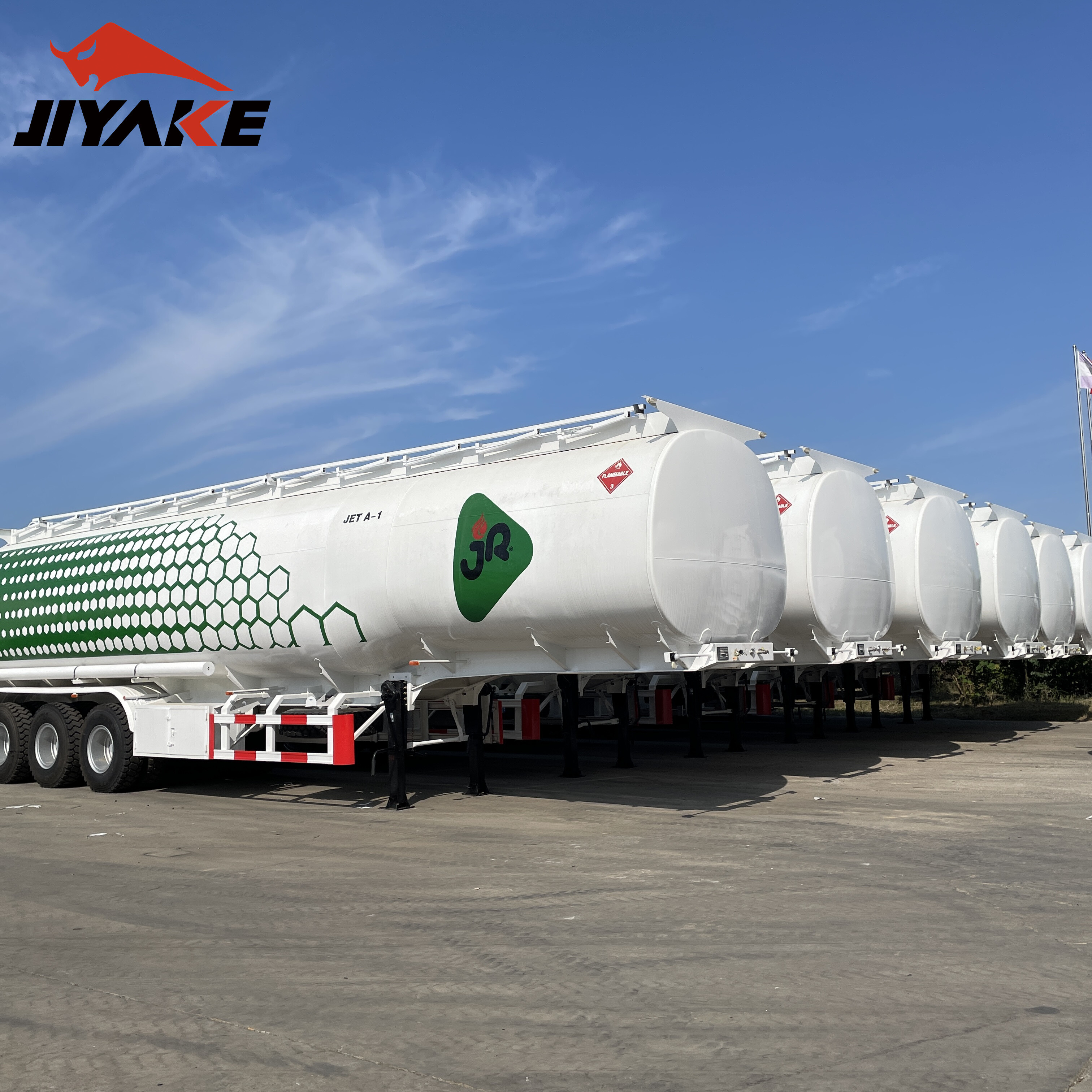
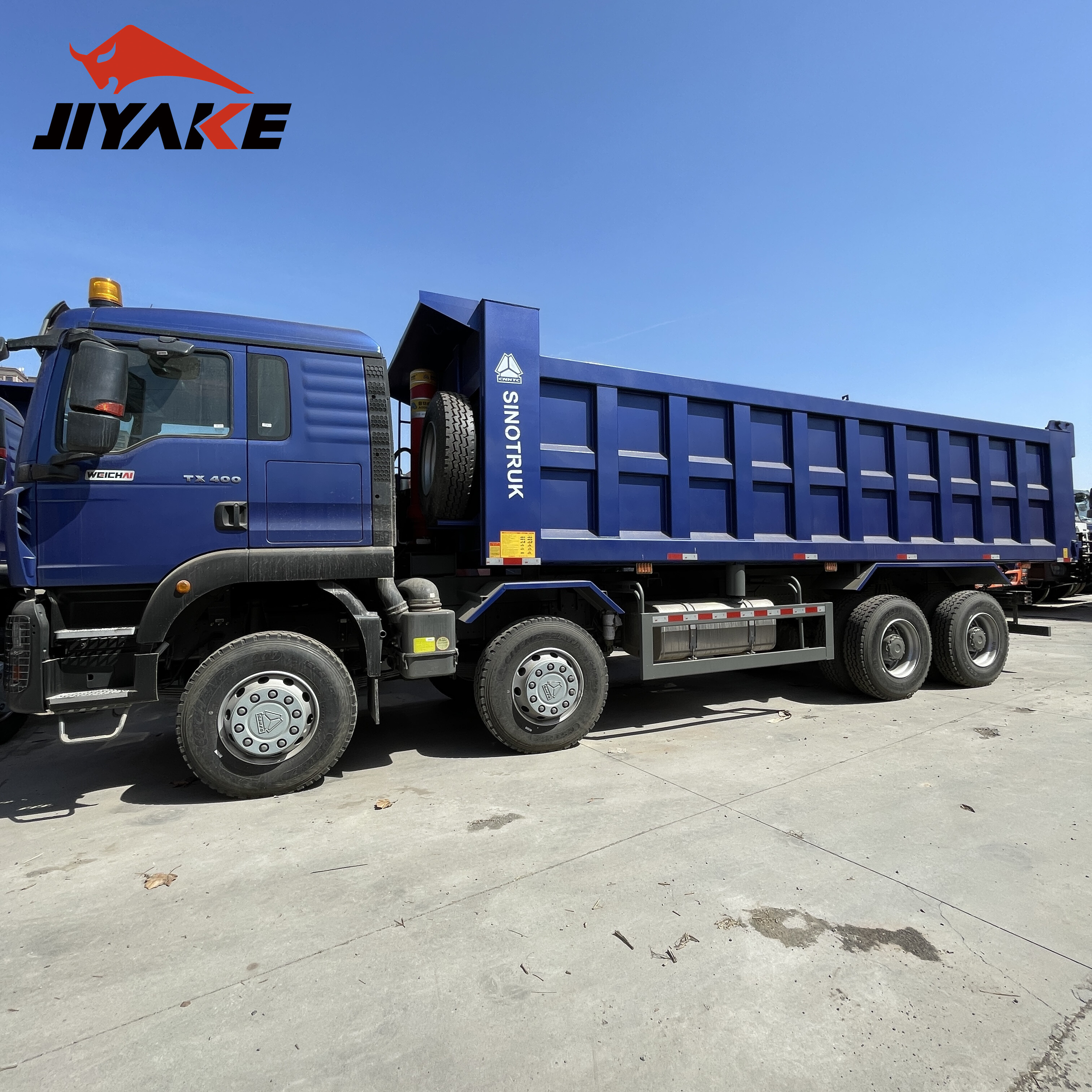
The Economics of Lightweighting: Aluminum vs. Composite Materials in Tankers
The Economics of Lightweighting: Aluminum vs. Composite Materials in Tankers
In the specialized vehicle industry, particularly for aluminum tankers and side tippers, material selection directly impacts operational efficiency and total cost of ownership. As a factory-direct manufacturer with 15 years of expertise, Shandong Jiyake Automobile Sales Co., Ltd. provides data-driven insights to help fleet operators optimize their investments in special vehicles.
Why Lightweighting Matters for Special Vehicles
Every 10% reduction in tanker weight translates to 6-8% improved fuel efficiency. Our comparative analysis reveals how material choice affects:
- Payload capacity optimization
- Maintenance frequency and costs
- Regulatory compliance (e.g., gross vehicle weight limits)
- Resale value retention
Factory-Direct Cost Advantages: Aluminum vs. Composite
As a vertically integrated manufacturer, we eliminate middleman markups. The table below compares our direct pricing for common fence trailer and tanker configurations:
Durability Comparison: Real-World Performance Data
Our 2025 field study tracked 120 tankers across mining and chemical transport applications:
Total Cost of Ownership Analysis
When evaluating aluminum tanker investments, consider these 10-year projections:
Precision Manufacturing Capabilities
Our 300,000m² facility utilizes advanced equipment like Cold-rolled Uncoiling And Slitting Lines to ensure material consistency. This industrial-scale precision allows for:
- ±1.5mm dimensional tolerance on all side tipper components
- Automated weld seam tracking for leak-proof joints
- Custom alloy formulations for specific chemical compatibilities
Frequently Asked Questions
Q: How does aluminum compare to composites for hazardous material transport?
A: Aluminum alloys (especially 5083/5383) offer superior chemical resistance to most hydrocarbons and acids, with easier decontamination procedures than porous composites.
Q: What's the break-even point for aluminum's higher initial cost?
A: Typically 2-3 years for fuel tankers, 3-4 years for chemical carriers - based on 80,000km annual mileage.
Q: Can you customize aluminum thickness for different fence trailer compartments?
A: Yes, our engineers optimize wall thickness (3-6mm typically) based on compartment size and load characteristics, verified through FEA simulations.
Why Choose Our Factory-Direct Solutions
With 60+ countries served, Shandong Jiyake delivers:
- 30% faster lead times than dealer networks
- Material traceability from mill to final assembly
- Dedicated engineering support for special vehicle configurations
- 5-year structural warranty on all aluminum tankers
Expert Tip: For fleets operating in corrosive environments, our proprietary Al-Mg-Si alloy (JY-AL502) provides 40% better pitting resistance than standard 5083 at only 3% cost premium.
Request your customized lightweighting analysis today - our engineering team will provide material comparisons specific to your operational parameters and regulatory requirements.
Leave A Reply

First class quality service and professional after-sales team.
Get in Touch
*We respect your confidentiality and all information are protected.