




High-Strength Steel Applications in Modern Dump Semi-Trailers
High-strength steel is transforming the performance, payload capacity, and durability of modern dump semi-trailers.
For heavy-duty transport, the right trailer structure directly affects operating cost, safety, and long-term profitability.
Advanced steel materials reduce tare weight while maintaining resistance to impact, bending, fatigue, and harsh road conditions.
This article explains how high-strength steel improves dump semi-trailers across construction, mining, logistics, and export markets.
Scene-Based Value of High-Strength Steel in Dump Semi-Trailers
Dump semi-trailers face different stress patterns depending on load type, road surface, unloading frequency, and regional operating habits.
A trailer hauling sand on paved roads has different structural needs from one carrying rocks inside a mining site.
High-strength steel helps match structure to working conditions without simply adding more material and weight.
This is important because excessive tare weight reduces payload, increases fuel use, and may lower transport efficiency.
Construction Sites: Balancing Payload and Frequent Unloading
Construction transport often involves soil, gravel, demolition material, and mixed aggregates with uneven density.
In this scene, the trailer body must handle repeated loading impacts and frequent hydraulic tipping cycles.
High-strength steel side walls and floor plates can improve deformation resistance during rough bucket loading.
For urban construction routes, lighter dump semi-trailers also support better fuel economy and more flexible payload planning.
Key Judgment Points for Construction Hauling
- Check whether the material includes sharp stones or reinforced waste.
- Evaluate daily unloading frequency and hydraulic system workload.
- Match floor thickness with impact intensity, not only rated payload.
- Consider turning radius and site access when selecting trailer length.
Mining Roads: Prioritizing Impact Resistance and Frame Strength
Mining applications place stronger demands on dump semi-trailers than most road-based transport tasks.
Heavy rocks, steep gradients, uneven ground, and continuous vibration can quickly expose weak structural design.
High-strength steel improves frame rigidity and helps reduce cracking around suspension mounts and cross members.
Wear-resistant steel is often selected for floors, while high-strength structural steel supports beams and chassis areas.
For extreme-duty operations, tractor and truck matching also matters.
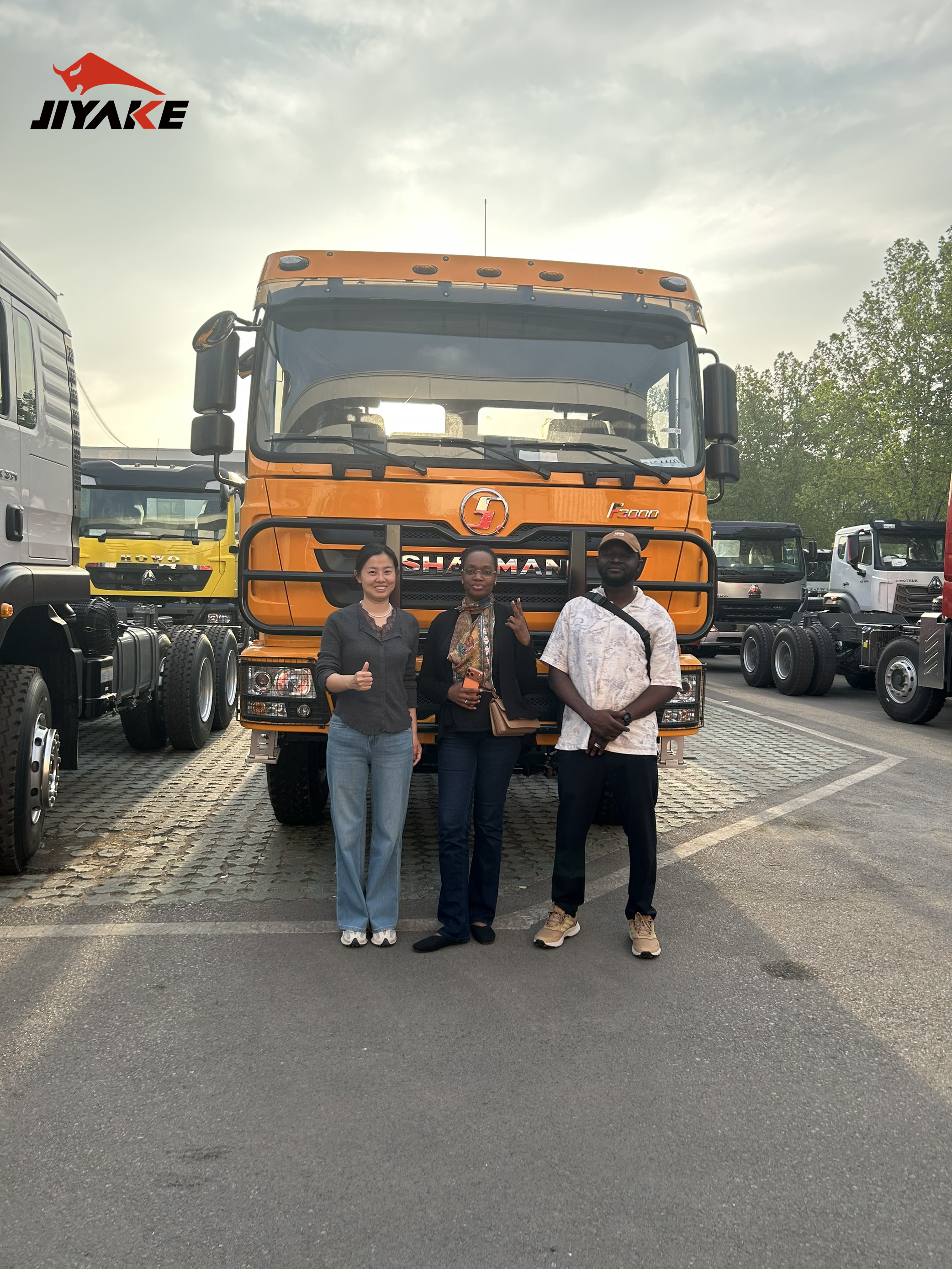
A compatible option is the Shacman Dump Truck, designed for mining, construction, and heavy-haul logistics.
Its reinforced high-strength frame, powerful drivetrain, and off-road performance support demanding projects worldwide.
Long-Distance Hauling: Reducing Tare Weight for Operating Efficiency
Long-distance aggregate or coal transport requires a different decision model from short-cycle site operations.
Here, the main value of high-strength steel is often weight reduction without sacrificing structural safety.
A lighter dump semi-trailer can carry more legal payload or reduce fuel consumption under the same load.
This advantage becomes significant when routes involve tolls, border checks, or strict axle-load regulations.
However, weight saving should never remove reinforcement from stress concentration zones.
Critical areas include lifting brackets, rear hinges, suspension connections, kingpin plates, and chassis transitions.
Export Markets: Adapting Steel Design to Local Conditions
Export-ready dump semi-trailers must handle different climates, loading habits, maintenance levels, and road quality.
In hot regions, fatigue resistance and stable welding quality are essential for long service life.
In humid or coastal areas, protective coating and drainage design help reduce corrosion risk.
For rough African, Middle Asian, and Southeast Asian routes, chassis durability may matter more than minimum tare weight.
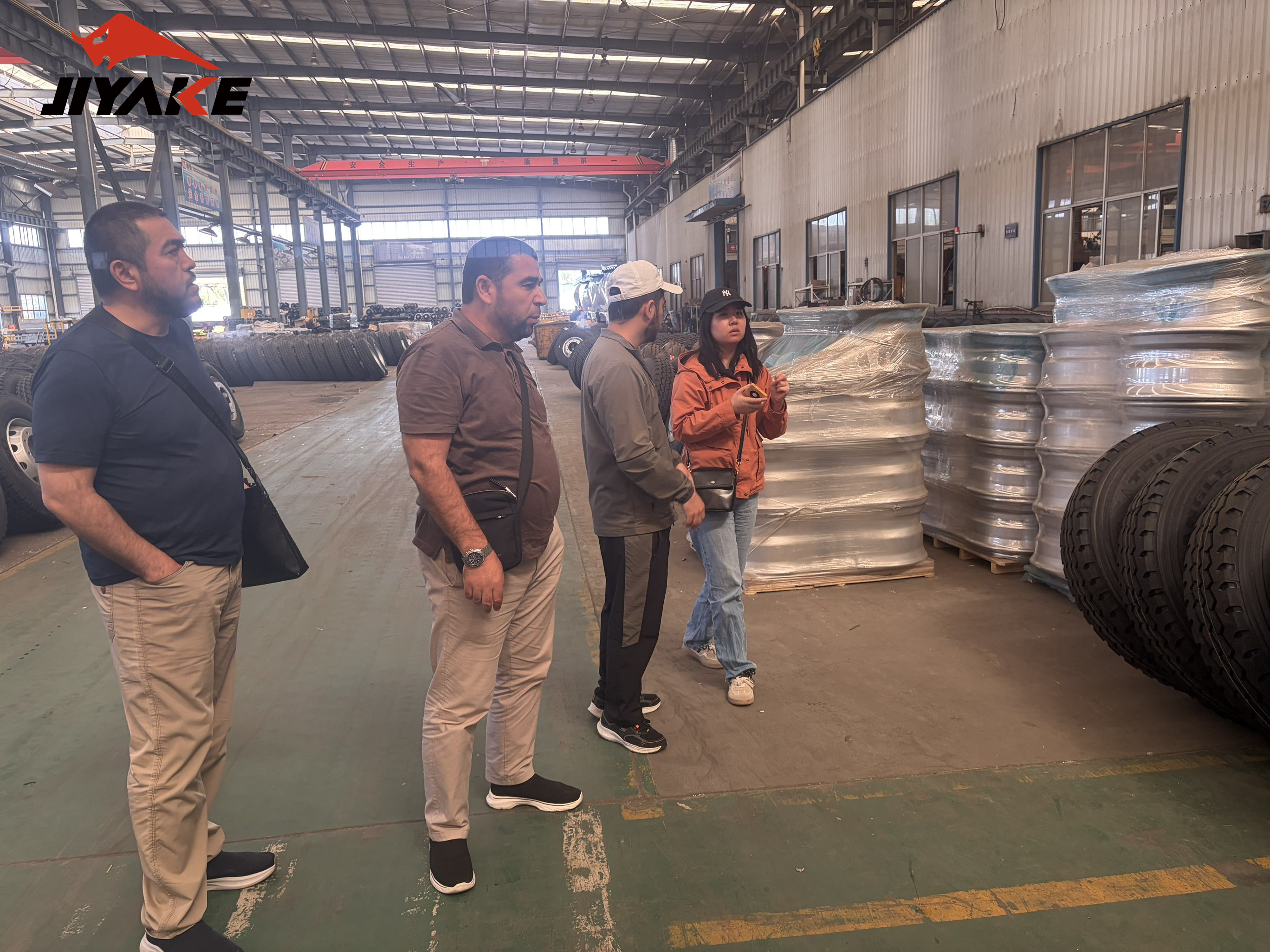
Shandong Jiyake Automobile Sales Co., Ltd. serves over 60 countries with semi-trailers, dump trucks, tankers, and special vehicles.
Its production base covers 300,000 square meters and uses CNC cutting, automatic welding, bending, and tank welding equipment.
Different Scenarios Require Different Steel Priorities
Scene Adaptation Suggestions for Dump Semi-Trailer Selection
Selecting high-strength steel dump semi-trailers should begin with real operating data, not only rated loading capacity.
The following checklist helps connect working conditions with structural decisions.
- Define the main cargo, including density, abrasiveness, and particle size.
- Measure route conditions, including slopes, potholes, curves, and unloading space.
- Confirm legal axle-load limits and target payload requirements.
- Review welding quality, steel grade, reinforcement layout, and surface protection.
- Match tractor power, braking system, suspension, tires, and hydraulic lifting system.
Where High-Strength Steel Creates the Most Value
The strongest benefit appears where payload, durability, and operating cost are all important.
High-strength steel is especially valuable when trailers face repeated stress but must remain productive and fuel-efficient.
It supports longer service life, fewer structural failures, and improved load efficiency when engineered correctly.
Common Misjudgments in High-Strength Steel Applications
One common mistake is assuming stronger steel always means a thinner and better trailer body.
If impact is extreme, improper thickness reduction may increase denting, cracking, or premature floor wear.
Another issue is focusing only on steel grade while ignoring welding technology and production consistency.
High-strength steel requires controlled cutting, bending, welding, and heat input to preserve mechanical performance.
Ignoring maintenance access is also risky, especially for remote projects with limited workshop support.
A durable dump semi-trailer should be strong, repairable, and suitable for local spare parts availability.
How Better Steel Design Supports Lower Total Cost
High-strength steel improves more than the trailer body; it supports a lower total cost of ownership.
Lower tare weight can improve fuel efficiency, while stronger structures reduce downtime and repair frequency.
For heavy truck operations, these savings often matter more than the initial purchase price difference.
The best result comes from matching steel grade, trailer geometry, production process, and actual route demands.
Action Guide for Reliable Heavy-Duty Trailer Projects
Before confirming a dump semi-trailer specification, collect cargo details, route conditions, loading methods, and service expectations.
Then compare steel material, frame design, welding process, hydraulic configuration, suspension type, and tire selection together.
This approach avoids overbuilding, underbuilding, and costly mismatch between equipment and working conditions.
High-strength steel applications in modern dump semi-trailers deliver real value when designed for the right scenario.
For demanding heavy truck projects, a scenario-based specification is the practical next step toward safer and more profitable hauling.
Leave A Reply

First class quality service and professional after-sales team.
Get in Touch
*We respect your confidentiality and all information are protected.