





Can a truck tractor for sale match your trailer coupling needs?
A truck tractor for sale can match your trailer coupling needs, but only when the tractor, trailer, load profile, and operating environment are assessed as one working combination. Engine output matters, yet it does not correct a mismatched fifth wheel, unsuitable axle layout, poor height alignment, or an inadequate rear-axle load rating. For project-led transport, these details determine whether equipment moves on schedule or loses time at the loading yard, site entrance, or workshop.
Start with the trailer you already operate or intend to buy. A tractor unit should be selected around its actual coupling duty, not around a brochure specification or the lowest purchase price.
Begin with the fifth wheel and kingpin connection
The fifth wheel is the primary mechanical connection between tractor and semi-trailer. Its rating, locking mechanism, mounting position, and height must suit the trailer kingpin and the expected vertical load transferred to the tractor. A connection may appear to fit during a static inspection but still perform poorly when the trailer is loaded, turning on uneven ground, or braking downhill.
Check whether the trailer uses the kingpin size common in your operating market and whether the selected fifth wheel is designed for that application. The locking jaws should fully engage the kingpin, and the release system must be protected from unintended operation. During evaluation, do not accept “it couples” as the final answer. Confirm that the connection remains correctly seated at normal ride height and through the suspension movement expected on site roads.
Fifth-wheel height is often the first hidden mismatch. If the tractor fifth wheel sits too high or too low relative to the trailer landing surface, the trailer can run nose-up or nose-down. That changes axle loading, can reduce ground clearance at the wrong point, and may make loading ramps, uneven yards, or site access more difficult. A tractor with an adjustable fifth-wheel position can be useful where the fleet includes trailers with different deck heights, but adjustment should be specified before purchase rather than treated as an afterthought.
Match axle configuration to real pin load, not only gross load
A trailer’s total payload does not tell the full coupling story. The tractor’s drive axles carry part of the trailer weight through the kingpin, while the trailer axles carry the remainder. Container work, bulk material transport, and construction-related loads can place very different vertical loads on the tractor even when their overall weights appear similar.
Ask for the expected loaded kingpin weight for each trailer type, then compare it with the tractor’s permitted fifth-wheel and rear-axle capacity. This is especially important if trailers are loaded inconsistently or if a project includes partial loads, unusual cargo positioning, or frequent travel across rough ground. A tractor that is adequate for a balanced highway trailer may not provide the same stability with a trailer that transfers more weight forward.
Air and electrical connections need the same attention
A mechanically correct coupling is still unsuitable if the service lines are wrong, too short, poorly routed, or incompatible with the trailer system. The tractor must provide the required braking air connections and electrical socket arrangement for the trailer. Hoses and cables need enough length for full articulation without dragging, stretching, or catching on the catwalk, chassis, or landing legs.
Inspect the connections with the tractor and trailer at straight alignment and at tight turning angles. On uneven project yards, the relative movement between tractor and trailer can be greater than on level pavement. Line damage may begin as an intermittent lighting or brake issue, then turn into avoidable downtime. A practical routing layout, protective springing, and accessible connection points are more valuable than a neat-looking installation that only works in a parked position.
Trailer braking behavior also deserves a road test under controlled conditions. The combination should brake predictably when loaded and unloaded, without pulling, delay, or unstable trailer movement. This is a system check: tractor brake response, trailer condition, air supply, load distribution, and coupling geometry all contribute.
Container chassis require a separate compatibility check
For intermodal work, the tractor must be evaluated alongside the container chassis rather than with a generic semi-trailer assumption. A 20-foot, 40-foot, or 45-foot chassis can have different length, axle placement, deck height, and load transfer characteristics. Twist locks secure the container to the chassis, but they do not remove the need to match the chassis kingpin position and loaded ride height to the tractor.
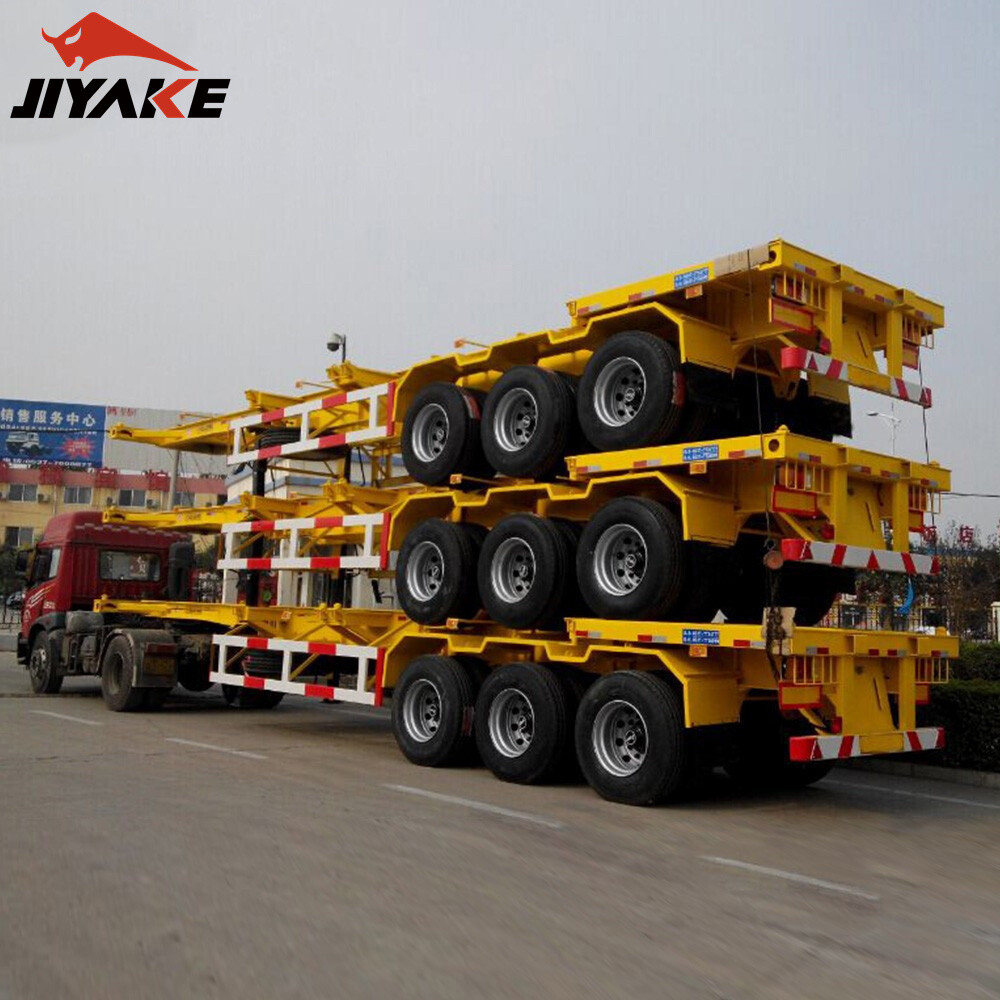
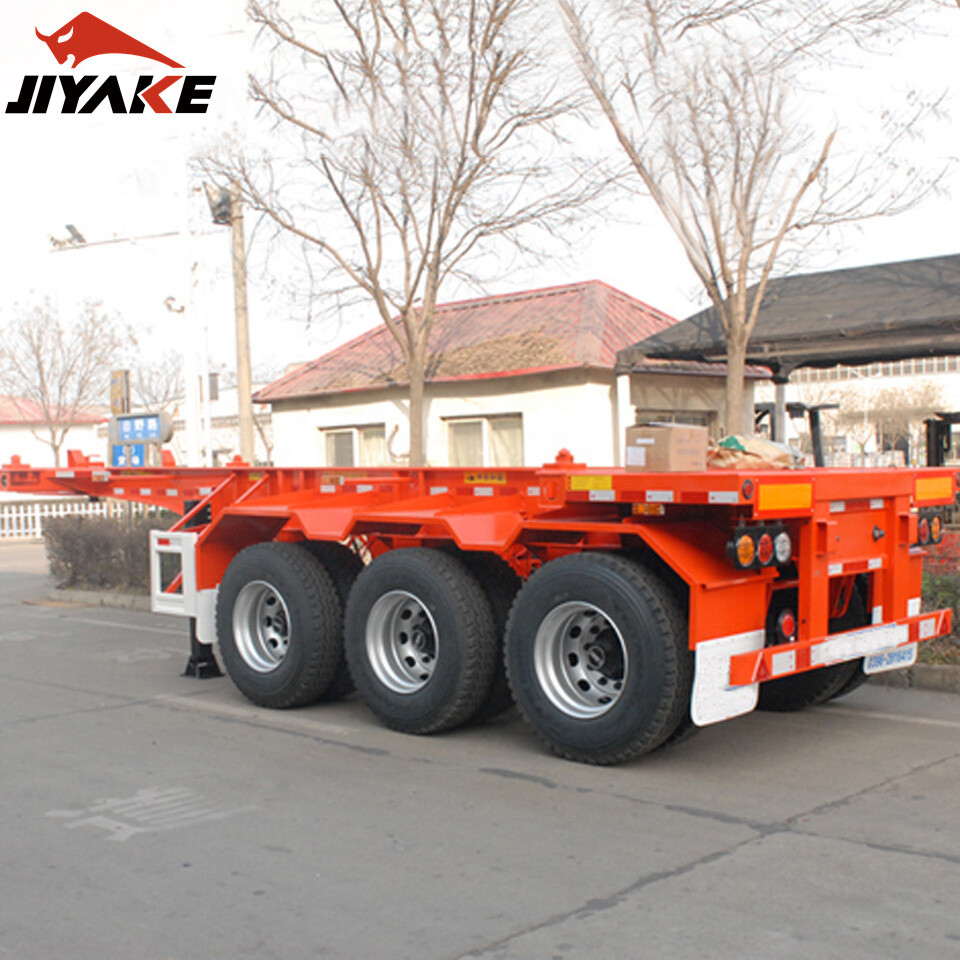
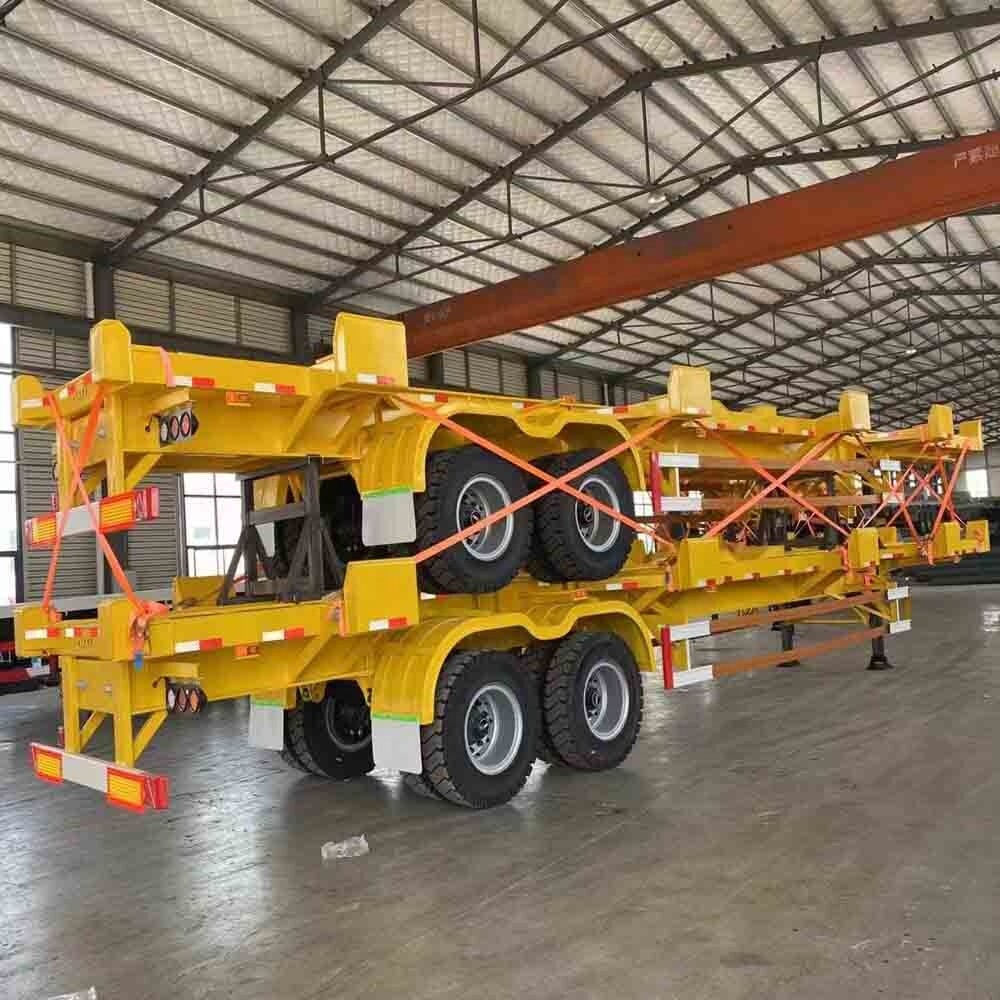
For example, a Skeleton Semi Trailer may be configured for 20-foot, 40-foot, or 45-foot containers, with two or three axles and customizable chassis dimensions and ground height. Its stated load range of 30 to 60 tons makes the tractor-side assessment more important, not less: the selected tractor needs an axle and fifth-wheel arrangement appropriate to the actual container, chassis configuration, and route conditions. Four twist locks for a 40-foot container address container retention; they are separate from the tractor-trailer coupling decision.
Lightweight chassis can help preserve payload capacity, but a lower chassis or a different deck arrangement may alter the required fifth-wheel height. Before approving a tractor, place the intended chassis and typical container load into the selection calculation.
Do not choose power before defining the route
Powertrain selection follows coupling compatibility, but it still affects whether the combination works efficiently. A tractor running mainly on paved intercity routes may favor a configuration optimized for steady-speed fuel use. A unit hauling through soft access roads, grades, temporary site tracks, or repeated stop-start cycles may require a different gearbox ratio, driveline layout, and traction capability.
More engine power does not solve excessive pin load, poor trailer attitude, or inadequate traction. Conversely, an appropriately matched tractor should not be oversized simply because the trailer has a high rated capacity when most project loads are materially below that limit. Define the normal load, the heaviest planned load, route gradient, surface condition, trip frequency, and expected trailer types before comparing engines.
A purchasing check that prevents costly mismatch
Before committing to a truck tractor for sale, prepare one combination sheet for every trailer family in the project fleet. It should record:
- Trailer model, kingpin arrangement, loaded and unloaded coupling height, and expected kingpin load.
- Trailer axle count, deck or chassis height, and the cargo position that represents normal work.
- Required air-line and electrical connection layout.
- Operating surfaces, turning constraints, grades, and site clearance risks.
- Tractor fifth-wheel rating, height, mounting position, rear-axle capacity, wheelbase, and drive configuration.
Then carry out a physical coupling trial using a representative trailer in the loaded condition that the operation will actually see. Check fifth-wheel lock engagement, trailer attitude, hose movement, cab-to-trailer clearance, turning clearance, and landing-leg clearance. A short trial that includes tight turns and uneven ground can reveal issues that a specification comparison cannot.
The best tractor choice is rarely the unit with the largest headline figures. It is the one that couples cleanly, carries the expected pin load within its intended configuration, keeps air and electrical lines protected, and remains stable on the routes where the project will operate. Making that decision from the trailer backward gives the fleet a more reliable starting point than choosing a tractor first and trying to adapt every trailer around it.
Leave A Reply

First class quality service and professional after-sales team.
Get in Touch
*We respect your confidentiality and all information are protected.