




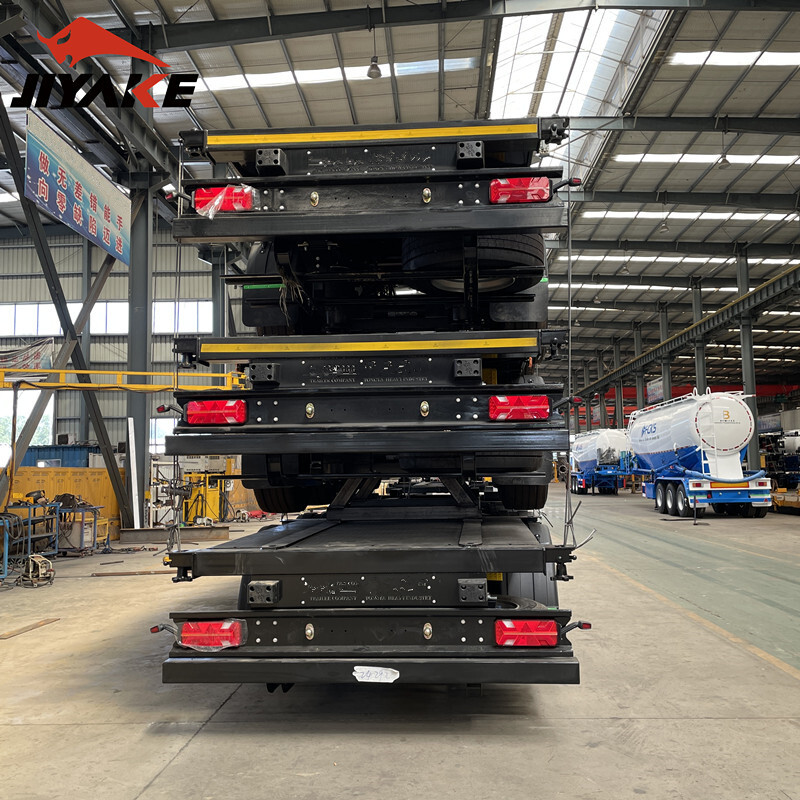
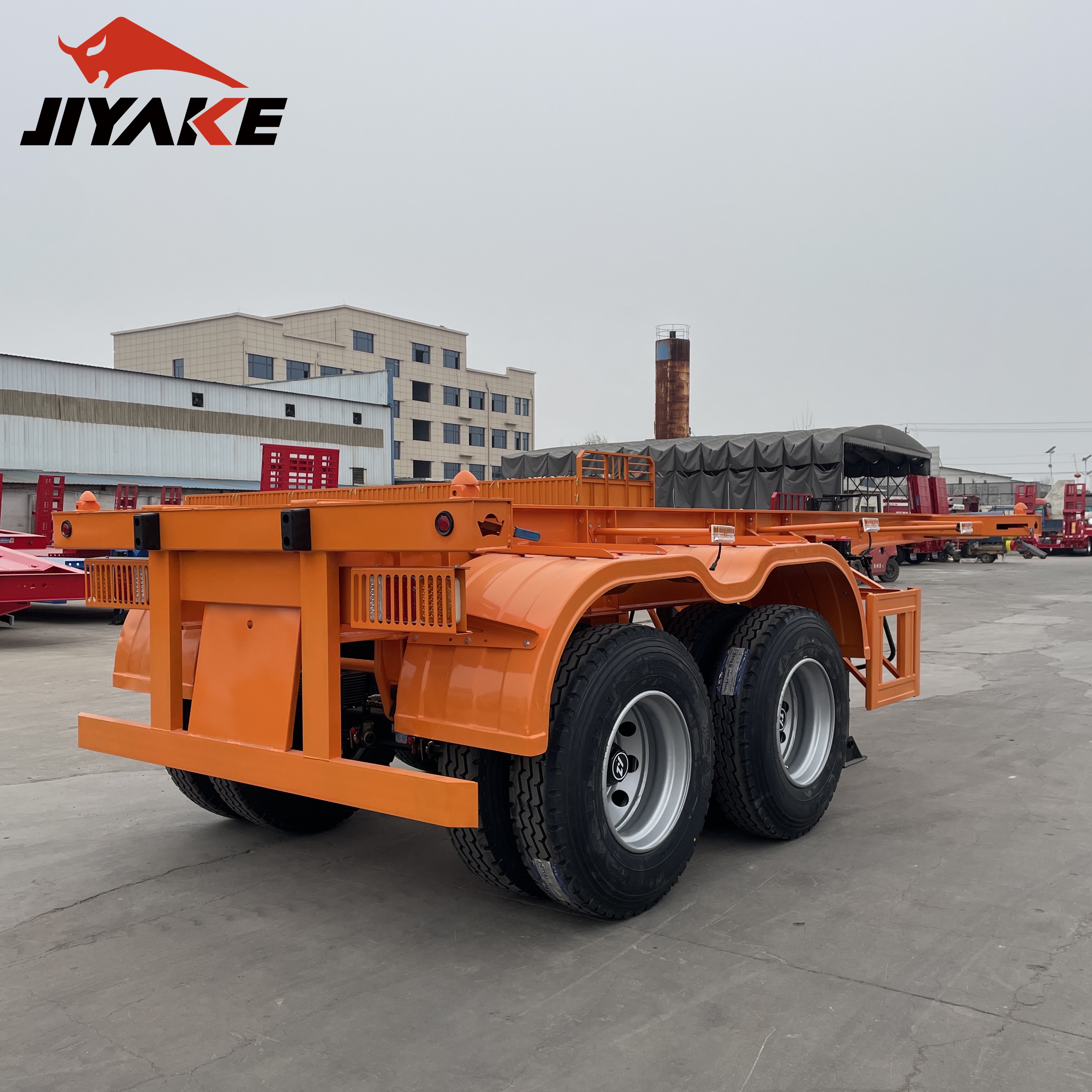
Best Road Conditions for a 3 Axle Lowbed Semi Trailer
Best Road Conditions for a 3 Axle Lowbed Semi Trailer
Choosing the right route for a 3 Axle Lowbed Semi Trailer affects safety, loading stability, tire wear, and delivery time more than many expect.
In heavy transport, road condition is never just about whether a truck can pass. It also decides whether the trailer can work efficiently for years.
A lowbed trailer carries oversized or heavy cargo with a lower center of gravity. That helps on the road, but it also creates stricter demands.
In practical operations, surface quality, slope, width, turning radius, and weather often matter as much as trailer specification.
Companies with broad export and production experience, such as Shandong Jiyake Automobile Sales Co., Ltd., usually evaluate route conditions together with axle load, suspension, and cargo profile.
What road surface works best for a 3 Axle Lowbed Semi Trailer?
The best road surface is firm, level, and continuous. Well-maintained asphalt and reinforced concrete roads are usually the safest choice.
A 3 Axle Lowbed Semi Trailer performs best where vibration stays controlled. Smooth pavement reduces shock transfer to the frame, axles, tires, and cargo restraints.
Even small defects become serious under heavy loads. Repeated impact from potholes or broken edges can damage suspension parts and increase tire heat.
- Preferred: paved highways, industrial roads, port access roads, compact concrete yards.
- Acceptable with caution: compacted gravel roads with low rut depth.
- Higher risk: muddy roads, soft shoulders, loose stone surfaces, deeply corrugated tracks.
If the cargo is tall or wide, road smoothness matters even more. Trailer bounce can shift the load and create instability at moderate speed.
Are slopes, bends, and narrow roads a problem?
They can be. A 3 Axle Lowbed Semi Trailer handles best on moderate grades, wide curves, and roads with enough shoulder support.
Steep climbs increase traction demand on the tractor. Long descents raise brake temperature and can push weight forward during emergency braking.
Narrow roads create another issue. Lowbed trailers need space not only for width, but also for turning sweep and load overhang.
The common mistake is checking legal width only. In reality, bridge entrances, village turns, and site gates often become the real limit.
A simple route survey often prevents expensive recovery work later. That is especially true for remote construction and mining access roads.
How does weather change the best road conditions?
Weather can turn an acceptable road into a poor one within hours. Rain is usually the biggest factor for a 3 Axle Lowbed Semi Trailer.
On wet roads, braking distance increases and soft shoulders lose support. A trailer loaded near capacity may sink or lean during roadside stops.
In hot regions, high pavement temperature raises tire stress. In colder zones, frost cracks and ice make surface stability less predictable.
This matters for international transport too. Operators working across Africa, Central Asia, or Southeast Asia often face rapid changes between paved highways and seasonal access roads.
- After rain, recheck site entrances and loading areas.
- During heat, monitor tire pressure and tread condition closely.
- In windy conditions, lower speed when carrying tall machinery.
What should be checked before sending a 3 Axle Lowbed Semi Trailer onto mixed roads?
Mixed roads are common, so planning matters more than chasing an ideal route. The useful question is whether the trailer-road combination stays stable from start to finish.
Start with load details. Weight, height, and load distribution determine how sensitive the trailer will be to road defects and side slope.
Then check trailer condition. Axles, landing gear, king pin, suspension, and tires all affect how safely the trailer absorbs uneven terrain.
Manufacturing quality also matters here. A factory with large-scale production, CNC cutting, and automatic welding can support better consistency in frame strength and fit-up.
In related transport work, some operators also use an Fence Cargo Trailer for lighter but bulky cargo.
That type of aluminum trailer suits construction materials, agricultural products, landscaping gear, and industrial equipment where flexibility matters more than low deck height.
Its modular fence layout, 30-40T loading capacity, 13 ton Fuwa axles, and quick open or enclosed setup show how route choice should match trailer design.
Which mistakes shorten trailer life on poor roads?
The biggest mistake is assuming a heavy trailer can tolerate any rough route because it looks strong. Strength and long-term durability are not the same thing.
Another mistake is driving too fast on uneven sections. Speed multiplies impact force and makes axle hop more likely.
Ignoring transition areas causes trouble as well. Workshop ramps, bridge joints, ferry decks, and site entrances often scrape low clearance points.
Watch for these warning signs:
- Uneven tire wear after repeated off-road use.
- Loose fasteners around suspension mounts.
- Visible frame stress near the main beam area.
- Frequent cargo strap retightening during one trip.
When these signs appear, the issue is often route suitability, not only component quality.
So, what are the best road conditions to aim for?
For a 3 Axle Lowbed Semi Trailer, the best road conditions are paved, level, dry, wide enough for turning sweep, and free from sudden grade changes.
If the route includes rough sections, compact surfaces and stable shoulders are usually more important than absolute road smoothness.
A practical decision process is simple:
- Map the full route, including the last kilometer.
- Check slope, width, turning space, and weather exposure.
- Match road reality with load size and trailer setup.
- Inspect tires, suspension, and clearance before departure.
The best results usually come from combining route assessment with the right trailer configuration, rather than relying on load capacity figures alone.
Before the next move, compare actual road conditions against the trailer’s working limits, confirm seasonal risks, and review whether another transport setup would perform better.
Leave A Reply

First class quality service and professional after-sales team.
Get in Touch
*We respect your confidentiality and all information are protected.