




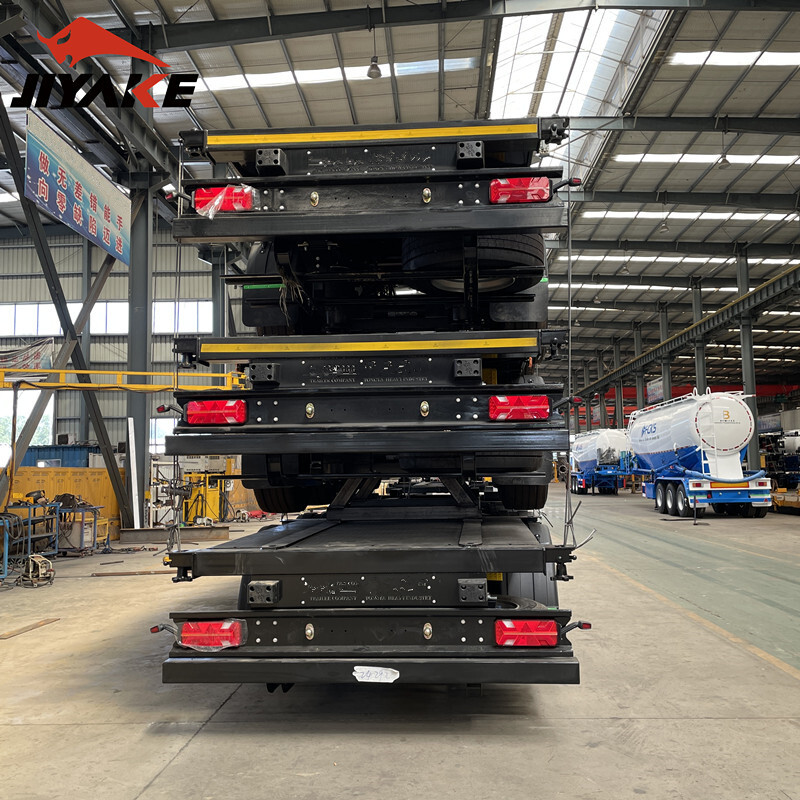
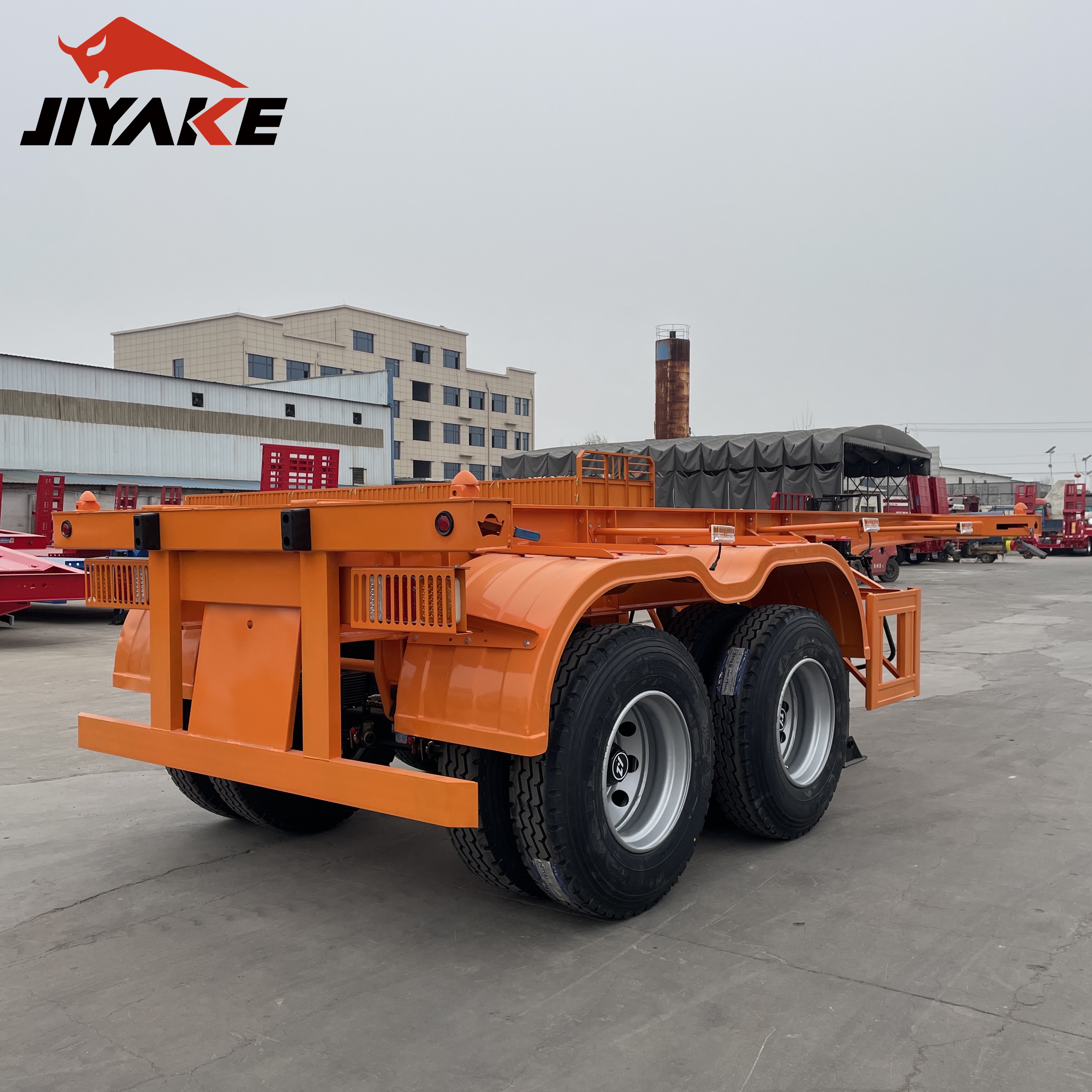
3 Axle Lowbed Semi Trailer Load Limits Explained for Safer Hauling
Understanding 3 Axle Lowbed Semi Trailer load limits is essential for quality control and safety management teams aiming to reduce transport risks and improve compliance. This guide explains key capacity factors, structural considerations, and safe loading practices while drawing on heavy truck manufacturing expertise to help you make more informed hauling decisions.
For teams responsible for inspection, dispatch approval, and route safety, load limits are not just a number on a specification sheet. They affect axle stress, braking distance, deck stability, tire life, and legal road compliance across construction, mining, and project logistics operations.
In heavy truck transport, even a 5% loading error can increase structural fatigue over repeated trips. That is why buyers and fleet managers must assess gross payload, cargo footprint, center of gravity, axle distribution, and road conditions together rather than treating rated capacity as a standalone indicator.
What Load Limits Really Mean in Lowbed Hauling
A load limit on a lowbed trailer usually refers to the safe working payload under defined operating conditions. In practice, quality control personnel should verify at least 4 variables before approving loading: cargo weight, cargo dimensions, support points, and axle distribution.
Rated Capacity vs. Real Operating Capacity
A trailer may be listed with a 10-ton loading capacity, but real operating capacity can be lower if the machine has a concentrated footprint, an uneven center of gravity, or must travel on poor road surfaces. Sloped access ramps, frequent braking, and off-pavement hauling can all reduce the safe margin.
This is especially important for front loader lowbed trailer applications where equipment weight may be concentrated over 2 contact zones. If the load sits too far forward or rearward by even 200–300 mm, axle loads and kingpin pressure can shift outside preferred operating balance.
Key factors that change usable load limit
- Axle arrangement and equalization across 3 axles
- Deck length and contact point spacing
- Ground clearance from 1000–1300 mm during uneven access
- Suspension choice: mechanical suspension or air suspension
- Road profile, turning radius, and braking frequency
The table below helps safety managers distinguish between nominal payload figures and field conditions that often reduce effective carrying capacity in heavy equipment transport.
The main takeaway is that a safe loading decision should include both static weight and dynamic operating conditions. For QC teams, a 3-step review process before dispatch is often more effective than relying only on the sales specification.
Why the 3-axle layout matters
A 3-axle lowbed trailer spreads weight more effectively than a lighter configuration, which improves stability and braking under heavy cargo. However, distribution is only effective when each axle shares load within an acceptable range and the suspension is correctly selected for the job cycle.
For cross-border or long-distance operations in Southeast Asia, Central Asia, and African project routes, safety managers should also account for road variability, seasonal temperature differences, and maintenance intervals of 30, 60, or 90 days depending on mileage intensity.
Structural Features That Influence Safe Payload
Load limits are closely linked to frame design, beam thickness, axle quality, suspension type, and brake system response. In other words, the structure determines whether the trailer can carry a given load repeatedly, not just once under ideal conditions.
Main beam strength and deck construction
A common reference configuration for heavy-duty lowbed transport uses Q345B carbon steel for the main beam. In one typical layout, beam height reaches 500 mm, with a 16 mm upper plate, 18 mm lower plate, and 10 mm middle plate. This combination supports bending resistance and long-term fatigue control.
The platform may use a 3 mm diamond plate, which improves traction during loading and unloading. While deck plate thickness does not replace beam strength, it contributes to surface durability and safer machine movement, especially when tracked or wheeled equipment is loaded in wet or dusty conditions.
Brake and suspension systems in safety control
For safety managers, braking performance is as important as payload. A practical configuration may include a WABCO RE6 relay valve, T30/30 spring brake chamber, 40L air tanks, dual-line steel tube braking for low-temperature environments, and six double brake chambers. These details matter because stopping performance changes quickly when loads approach upper limits.
Mechanical suspension is often chosen for rugged simplicity and easier field maintenance. Air suspension may provide better vibration management for certain equipment profiles, but it requires closer inspection discipline and may not be the first choice for all rough-road logistics routes.
The following table shows how several structural specifications connect directly to quality inspection and transport risk evaluation.
For repeat-haul applications, the durability of the structure is often more valuable than a headline payload number. Quality teams should look at the complete system: beam design, axle brand, suspension, braking, lighting, and corrosion protection.
Surface treatment and long-term reliability
Corrosion control has a direct effect on load security because rust can weaken critical joints and brackets over time. Standard SA 2.5 shot blasting before primer, followed by anti-rust coating and polyurethane top coat with total DFT not less than 100 um, is a practical benchmark for project transport fleets operating in humid, coastal, or dusty conditions.
Manufacturing capability also matters. A plant with CNC cutting, automatic welding, large bending, tank welding, and controlled fabrication processes is better positioned to maintain consistency in alignment, weld quality, and dimensional accuracy across batches.
Safe Loading Practices for QC and Safety Teams
Even a well-built trailer can become unsafe if the loading sequence is poorly controlled. For quality control and safety management teams, the most practical approach is to standardize loading in 5 checkpoints: pre-inspection, deck preparation, positioning, securing, and dispatch verification.
A 5-checkpoint loading workflow
- Confirm cargo weight, dimensions, and support points against trailer specification.
- Inspect ramps, deck surface, brake air condition, lighting, and kingpin connection.
- Center the load laterally and adjust front-rear position for balanced axle loading.
- Use suitable lashings, wheel blocks, and tie-down angles based on cargo geometry.
- Complete final verification with driver, dispatcher, and safety sign-off.
This process is especially useful when hauling heavy equipment with high centers of gravity, such as compact loaders, rollers, or field machinery for infrastructure logistics. A missed securing point can create enough movement to damage the deck, suspension, or cargo itself within the first 20–50 km.
Common loading mistakes
- Using payload rating without checking axle-by-axle distribution
- Ignoring ramp impact during self-loading equipment movement
- Matching the wrong tractor fifth wheel to a 2" or 3.5" traction pin
- Skipping post-loading brake and light inspection
- Overlooking low-temperature air line performance
If your team is evaluating a field-ready option for heavy equipment, energy projects, or infrastructure logistics, review the 3 Axle Lowbed Semi Trailer configuration in relation to your route profile, machine dimensions, and inspection standards rather than selecting by price alone.
How to Evaluate a Supplier and Trailer Configuration
For procurement, QC, and EHS decision-makers, supplier evaluation should cover more than product appearance. A practical shortlist often uses 4 dimensions: manufacturing capability, configuration transparency, inspection support, and after-sales responsiveness.
What to check before purchase approval
Ask for detailed information on axle brand, beam material, plate thickness, brake chamber setup, paint process, electrical layout, and optional ladder type. Mechanical or hydraulic ladders should be selected according to loading frequency, machine weight, and site conditions.
Shandong Jiyake Automobile Sales Co., Ltd. operates in the heavy truck sector with integrated design, research, production, and sales capabilities. Its manufacturing footprint includes a 300000 m2 factory, 500 employees, and equipment such as CNC cutting and automatic welding machines, which is relevant for buyers assessing production consistency and fabrication capacity.
The table below outlines a practical supplier review framework for heavy-haul fleets and project logistics departments.
A well-documented trailer specification reduces disputes during acceptance and helps safety teams build standard operating procedures faster. It also improves traceability when a fleet reviews damage, wear patterns, or recurring route-related failures.
When customization is the better choice
Standard trailers are suitable for many operations, but customization becomes valuable when cargo dimensions, road regulations, or tractor matching differ by market. For example, beam reinforcement, suspension selection, deck length, and ladder type may need adjustment if the same fleet serves both paved infrastructure routes and remote project roads.
That is where a configurable 3-axle platform becomes useful. Instead of overbuying capacity or accepting unnecessary weight, buyers can align the trailer with actual load cycles, expected service intervals, and compliance targets.
Practical Risk-Control Recommendations
For safety management teams, the most effective control plan combines engineering review, loading discipline, and routine maintenance. A monthly inspection for structural cracks, brake chamber leakage, deck damage, and lighting faults can prevent minor defects from becoming transport incidents.
Recommended control points
- Inspect beam weld areas every 30 days under intensive duty
- Verify axle alignment and tire wear every 5,000–10,000 km
- Review brake response before each dispatch cycle
- Check tie-down hardware condition after every loaded trip
- Reassess loading SOPs after any route, cargo, or tractor change
For organizations moving heavy equipment across variable road conditions, the right trailer is one that maintains repeatable safety performance, not just one with a favorable purchase price. Strong structure, correct axle loading, dependable braking, and disciplined inspection together define safe hauling.
If you are reviewing specifications, comparing suppliers, or preparing a safer heavy-haul procurement plan, now is the right time to consult product details, request a tailored configuration, and align the trailer with your actual operating risks. Contact us to discuss your application, get a customized solution, and learn more about suitable heavy truck transport options.
Leave A Reply

First class quality service and professional after-sales team.
Get in Touch
*We respect your confidentiality and all information are protected.