




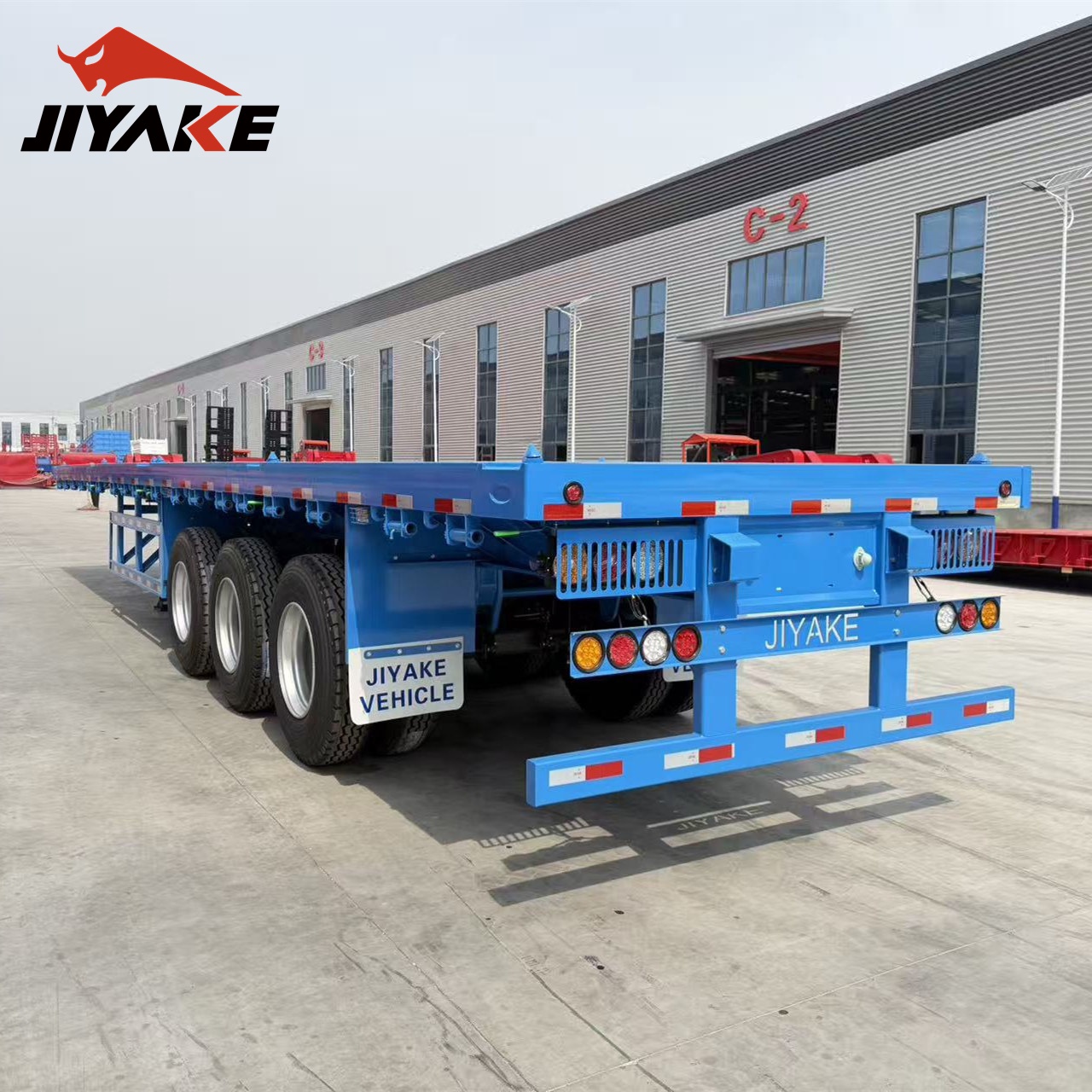
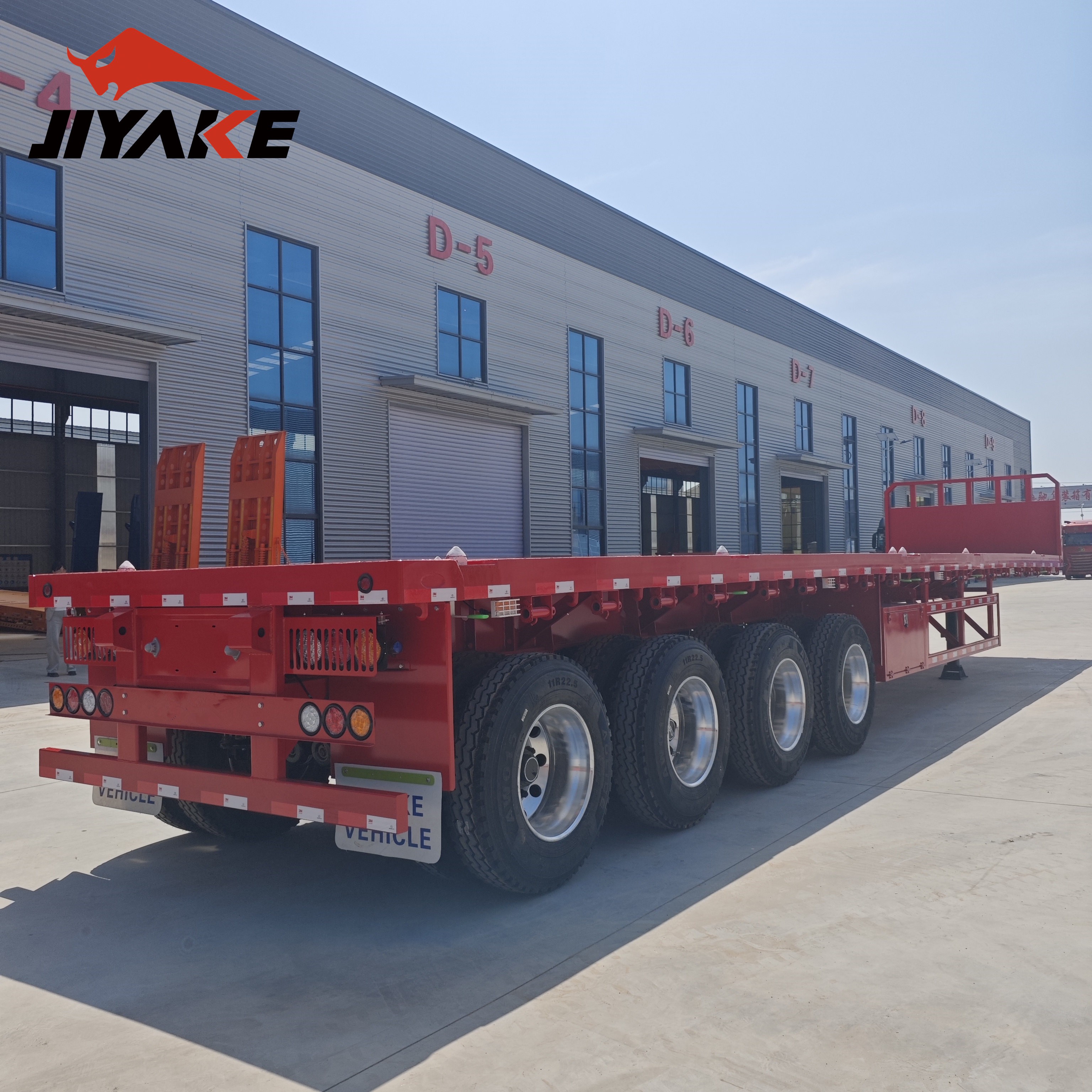
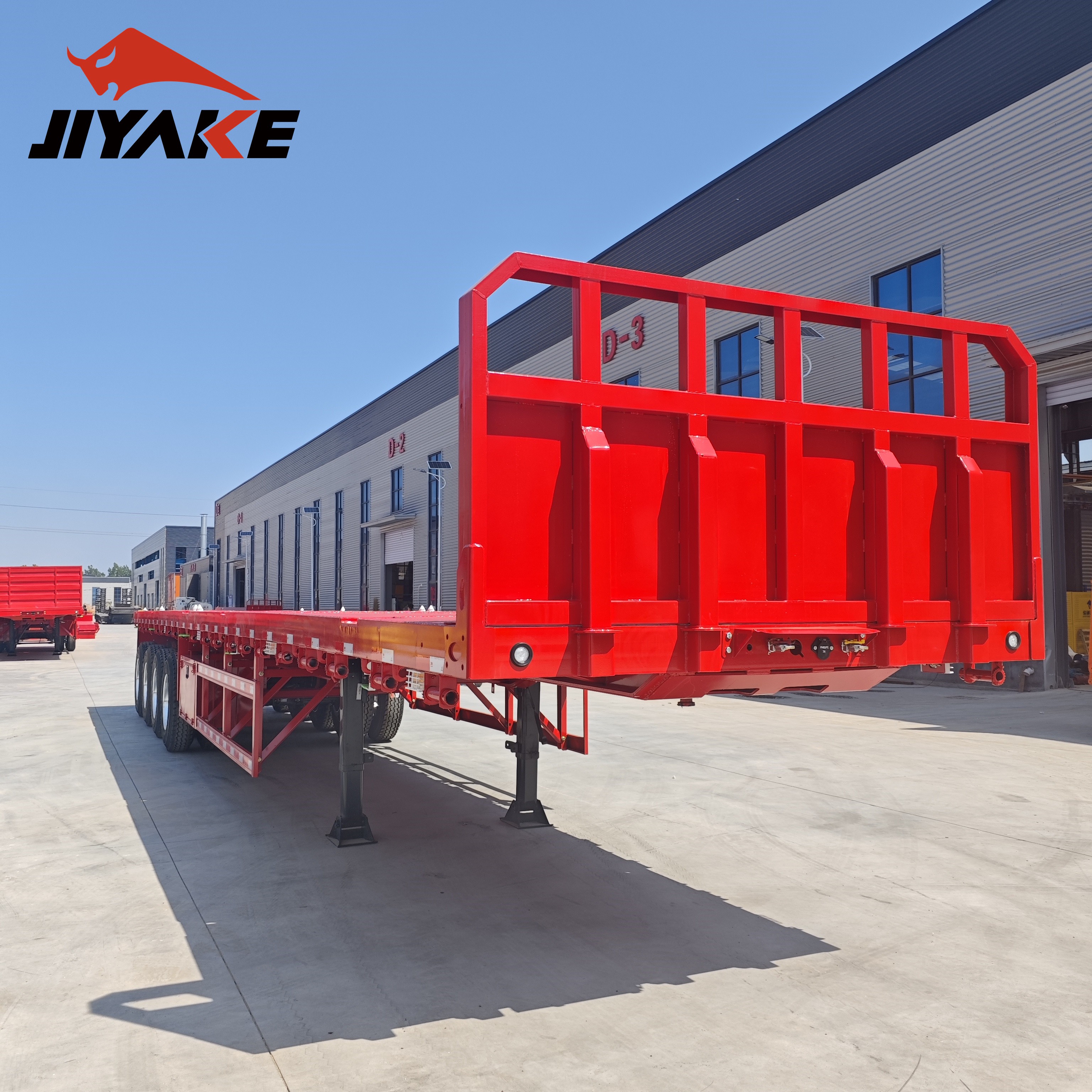

When a 3 Axle Lowbed Semi Trailer Is the Right Fleet Upgrade
A 3 Axle Lowbed Semi Trailer becomes the right fleet upgrade when heavy equipment transport starts demanding more than basic hauling capacity. In construction, mining, and industrial logistics, trailer choice shapes route stability, payload options, operating cost, and even delivery reliability over time.
That is why the 3 Axle Lowbed Semi Trailer is often evaluated not as a standalone asset, but as part of a wider heavy truck strategy. The decision usually reflects jobsite realities, road conditions, equipment dimensions, and the need to balance utilization with risk control.
Why this trailer format matters in heavy transport
A lowbed trailer is designed for machinery that cannot be moved safely on a standard flatbed. The lowered deck helps reduce total transport height and improves center-of-gravity control.
Adding a three-axle configuration changes the business value. It supports higher load distribution, better road contact, and stronger confidence when moving excavators, loaders, rollers, and other oversized equipment.
In heavy truck operations, this matters because one poor trailer match can create repeated penalties. These may include underused tractor power, route restrictions, premature tire wear, and unstable braking under load.
When a 3 Axle Lowbed Semi Trailer is the practical upgrade
The upgrade usually makes sense when transport tasks are no longer occasional. If machinery movement is frequent, the trailer must handle varying equipment sizes without creating scheduling delays.
- Equipment weights are increasing beyond the comfort range of lighter trailer setups.
- Projects involve mixed routes, including rough access roads and uneven loading areas.
- Transport planning needs more flexibility across different machine types.
- Downtime caused by trailer mismatch is becoming more expensive than the upgrade itself.
- Compliance and safety reviews are getting stricter on axle load distribution.
In these situations, a 3 Axle Lowbed Semi Trailer often delivers value through steadier operation rather than headline specifications alone.
What decision-makers should evaluate beyond payload
Payload rating is important, but it is not the only factor. The right trailer should fit the fleet’s full operating pattern, not just the heaviest machine on paper.
A fleet upgrade should also match the tractor head, maintenance ability, and regional parts access. Otherwise, a technically strong trailer may still perform poorly in daily use.
The business case: stability, utilization, and lifecycle value
For many operators, the strongest case for a 3 Axle Lowbed Semi Trailer is not simply carrying heavier machinery. It is carrying more jobs with fewer compromises.
Better stability can reduce driver fatigue and improve confidence during braking, cornering, and uneven surface travel. That tends to support safer delivery performance and lower unplanned repair exposure.
Utilization matters as well. If one trailer can serve several equipment categories, dispatch planning becomes easier. That helps avoid idle assets and cuts the need for separate specialized units.
Lifecycle value depends on build quality. Shandong Jiyake Automobile Sales Co., Ltd. operates across design, research, production, and sales in the modified truck field, with products serving more than 60 countries.
Its 300000m2 factory and large-scale equipment, including CNC cutting and automatic welding systems, reflect the kind of manufacturing depth buyers often look for in heavy-duty trailer sourcing.
Typical operating scenarios where the upgrade pays off
Construction fleets
Projects with repeated movement of excavators, pavers, or compactors benefit from a 3 Axle Lowbed Semi Trailer because load security and schedule consistency become easier to manage.
Mining and quarry support
Harsh road conditions and heavy machinery create a stronger need for durable beams, dependable suspension, and stable axle performance under pressure.
Industrial equipment relocation
Factories and infrastructure projects often involve oversized units with strict transport windows. A lower deck and balanced axle arrangement help reduce movement risk.
In mixed fleets, this upgrade can sit alongside liquid transport equipment. For example, operations handling machinery and energy supply may also review an Fuel Tanker Trailer for petroleum, chemical, or food-grade liquid distribution.
That trailer category commonly uses carbon steel Q235, aluminum, or high tensile steel Q345B, with capacities from 40000L to 60000L and loading ranges from 45 to 70 tons.
The point is not product overlap. It is fleet planning logic: transport businesses increasingly choose equipment platforms that support different cargo profiles while keeping maintenance standards consistent.
Signs that a lighter trailer setup may no longer be enough
Some upgrade decisions become obvious only after repeated operational friction. The warning signs usually appear in cost records and jobsite delays before they appear in strategic reviews.
- Frequent load rearrangement to stay within axle limits.
- Rising tire and suspension wear on existing trailers.
- More route restrictions caused by height or balance issues.
- Increased subcontracting for oversized machinery transport.
- Growing concern around transport safety during long hauls.
If these issues are recurring, a 3 Axle Lowbed Semi Trailer may solve more than one problem at once.
How to move from interest to a sound upgrade decision
Start with actual transport records, not assumptions. Review the heaviest loads, the most common machine dimensions, route surfaces, loading frequency, and annual repair patterns.
Then compare those findings with trailer structure, beam materials, axle options, and suspension design. A well-matched 3 Axle Lowbed Semi Trailer should reduce compromise, not add complexity.
It also helps to assess supplier capability, especially fabrication quality and long-term support. In heavy truck operations, the best specification sheet still depends on reliable manufacturing execution.
A practical next step is to build a shortlist based on load profile, road environment, and maintenance readiness. That approach makes it easier to judge whether a 3 Axle Lowbed Semi Trailer is a timely upgrade or a future-phase investment.
Leave A Reply

First class quality service and professional after-sales team.
Get in Touch
*We respect your confidentiality and all information are protected.