





What makes one fuel tanker supplier easier to work with
Choosing a fuel tanker supplier should be simple, reliable, and profitable for distributors, dealers, and agents. The right partner offers more than products—they provide stable quality, flexible customization, efficient communication, and dependable delivery. For buyers in the heavy truck industry, understanding what makes one fuel tanker supplier easier to work with can reduce risk, improve customer satisfaction, and create stronger long-term business growth.
What distributors are really searching for when they compare a fuel tanker supplier
When someone searches for a fuel tanker supplier, they are usually not looking for a basic product definition. They want to know which supplier will be easiest to cooperate with in real business situations. For distributors, agents, and dealers, the question behind the search is practical: which company can help me sell with less risk, fewer delays, fewer complaints, and better long-term margin?
That means the decision is rarely based on price alone. A low quote may look attractive at the beginning, but if the supplier creates problems with inconsistent welding quality, unclear specifications, weak after-sales support, or slow spare parts response, the total cost quickly becomes much higher. A supplier becomes easier to work with when they reduce friction across the full order cycle, from inquiry to production to delivery to post-sale support.
In the heavy truck industry, buyers also need confidence that the supplier understands different market requirements. Customers in Africa, Southeast Asia, and Central Asia often work in very different operating conditions, fuel regulations, road environments, and loading practices. A strong supplier does not just manufacture a tanker. They help their partners match the product to the market in a way that supports repeat business.
Easy cooperation starts with stable and visible manufacturing quality
The first thing that makes one fuel tanker supplier easier to work with is manufacturing consistency. Dealers do not want to inspect every unit with uncertainty. They want to know that each tanker delivered will match the approved design, use reliable materials, and perform safely in actual transport conditions. Predictability is one of the biggest forms of value a supplier can offer.
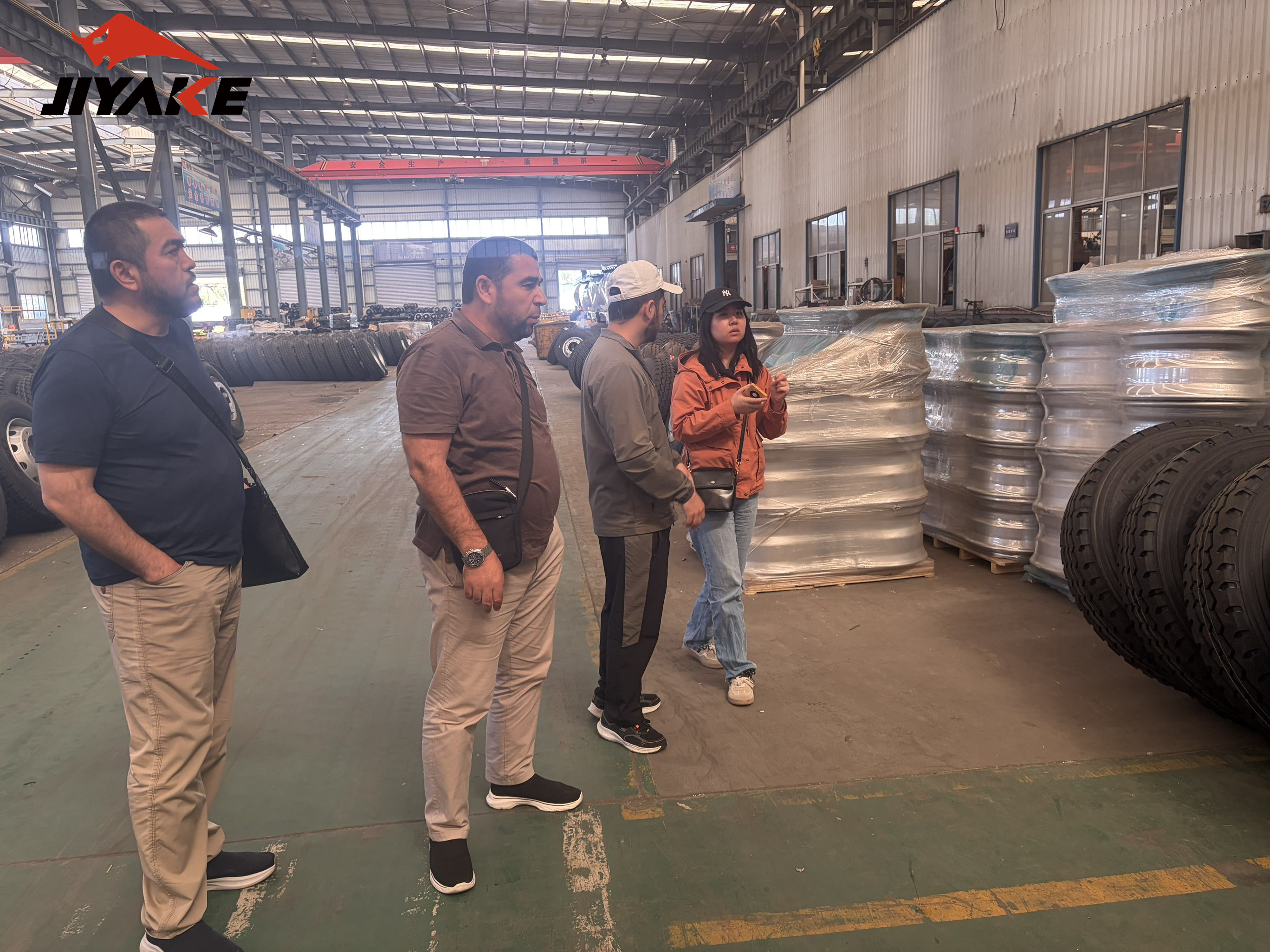
This is where real factory capability matters. A supplier with organized production, experienced labor, and modern equipment is usually easier to trust than a trading-only company with limited control over fabrication. When a manufacturer operates with CNC cutting machines, automatic welding systems, large bending machines, and tank automatic welding equipment, it becomes easier to control dimensions, weld quality, and production efficiency at scale.
For distributors, visible production strength also supports sales conversations. End buyers often ask where the tanker is made, what steel is used, how the tank body is processed, and how quality is checked before shipment. A supplier that can answer these questions clearly helps the dealer close orders faster. It also lowers the chance of disputes caused by unclear expectations or undocumented changes.
Clear communication is often more valuable than a small price difference
Many cooperation problems in export vehicle business do not begin in production. They begin in communication. A fuel tanker supplier becomes easier to work with when they respond quickly, confirm details clearly, and explain technical differences in simple business language. Dealers and agents need a partner who can turn customer requirements into correct specifications without repeated misunderstandings.
Fast communication matters because sales opportunities move quickly. If a distributor has to wait too long for a drawing, quotation update, tank volume confirmation, axle option, or delivery schedule, the customer may choose another brand. Suppliers that answer in a structured way save time for their partners and make them look more professional in front of local buyers.
Good communication also includes honesty. Not every request should be answered with “yes” if it creates technical risk or compliance problems. The best suppliers explain what is possible, what should be modified, and what lead time is realistic. This kind of transparency may not sound impressive in a brochure, but in daily cooperation it is one of the strongest reasons partners stay loyal.
Customization should feel manageable, not complicated
In many markets, standard specifications are only a starting point. Local fuel type, road conditions, legal axle limits, climate, and customer unloading habits all affect what kind of tanker is most suitable. A supplier is easier to work with when they can customize without creating confusion, excessive delay, or uncontrolled cost increases.
Dealers often need flexibility in tank capacity, compartment design, axle configuration, suspension type, braking system, material thickness, manhole arrangement, pumping system, and safety accessories. The issue is not whether customization exists, but whether the supplier manages it well. A reliable partner should provide drawing confirmation, option lists, technical explanation, and quotation logic that make decisions easy for the buyer.
This kind of capability usually reflects wider engineering strength. For example, companies that handle multiple special vehicle categories tend to understand how to adapt products to different logistics uses. A manufacturer serving not only fuel tankers but also semi-trailers, dump trucks, bitumen tankers, bulk powder tankers, and other transport equipment often has broader technical experience. In some dealer portfolios, this also creates cross-selling opportunities. A customer who buys a fuel tanker today may later need dry bulk equipment for industrial transport, such as an Cement Bulker Trailer for batching plants or construction projects.
Reliable delivery protects your reputation as much as product quality does
From a dealer’s perspective, late delivery is not a small problem. It can damage customer trust, delay project operations, and create financing pressure. That is why one major sign of a good fuel tanker supplier is dependable scheduling. Buyers need realistic lead times, production updates, and shipment coordination that reflect actual factory capacity rather than optimistic promises.
Suppliers with stronger production organization usually perform better here. A factory with substantial space, skilled employees, and integrated manufacturing resources is more likely to keep order flow stable during busy periods. This matters especially for distributors planning multiple units, mixed model orders, or repeat procurement for government, commercial fleet, or contractor customers.
Dependable delivery also includes export readiness. Documents, packing logic, chassis matching, pre-shipment inspection, and loading plans all affect whether goods move smoothly. Dealers working across regions want a supplier who has export experience and understands how to support overseas customers efficiently. A manufacturer that already serves more than 60 countries generally brings more practical knowledge to international order handling than a company with limited shipment history.
After-sales support is where easy suppliers separate themselves from difficult ones
Many suppliers look similar before payment. The real difference appears after delivery. A fuel tanker supplier becomes easier to work with when they stay responsive after the product reaches the customer. Dealers need technical guidance, parts support, troubleshooting help, and a clear process for handling claims if something goes wrong.
This is especially important because tankers operate in demanding environments. Wear parts, valve issues, brake components, suspension items, and usage-related maintenance questions are normal over time. If a supplier disappears after shipment or gives slow, vague replies, the dealer has to solve the customer’s problem alone. That increases service cost and damages trust in the local brand.
Strong after-sales support does not always mean every issue is free. It means the supplier is reachable, organized, and fair. They should be able to identify whether the issue is manufacturing-related, maintenance-related, or caused by misuse, then provide workable solutions quickly. Dealers prefer suppliers who understand that protecting the local partner’s customer relationship is part of long-term business success.
Compliance, safety, and durability are not optional selling points
For fuel transport equipment, safety is not a marketing detail. It is central to resale value and long-term cooperation. Distributors want a supplier that takes tanker structure, sealing performance, braking systems, rollover considerations, and loading stability seriously. This reduces operational risk for the end user and business risk for the dealer.
Buyers should look beyond surface appearance and ask detailed questions. What materials are used? How is the tank welded? What inspection process is followed? How are valves and piping selected? How are suspension and axle choices matched to payload and road conditions? A supplier that answers these questions professionally is generally easier to work with because they understand what matters after the sale, not only before it.
Durability also affects profitability. A tanker that lasts longer, requires fewer repairs, and stays reliable in local operating conditions gives the dealer a stronger reputation and more referral business. In commercial vehicle markets, repeat orders often come from equipment that performs consistently over time. That is why experienced distributors evaluate lifetime value, not just purchase cost.
Business-friendly suppliers help dealers win more orders
Ease of cooperation is not only about factory operations. It is also about whether the supplier helps the distributor succeed commercially. A dealer-friendly fuel tanker supplier supports quotations, product data, specification sheets, images, and technical explanations that can be used in local sales efforts. This saves time and improves the professionalism of the dealer’s offer.
Some suppliers also make cooperation easier by understanding market positioning. Not every customer wants the same level of configuration. Some need an economical tanker with reliable core performance. Others need stronger material, more specific safety systems, or customized branding. A supplier who can structure options for different customer budgets gives the distributor more flexibility in negotiations.
Broader product knowledge is useful here as well. Dealers often handle more than one transport segment, and industrial clients may ask for different trailer types depending on cargo. In those cases, working with a supplier that understands both liquid and dry bulk logistics can create additional value. For example, a technically organized product like a 40 m3 single-compartment bulk powder trailer with pneumatic unloading, strong sealed tank construction, and configurations suited for large-scale construction projects can appeal to the same commercial buyers managing diversified transport fleets. This is one reason some dealers prefer manufacturers with a wide special-vehicle portfolio rather than a narrow single-product operation.
How to evaluate whether a fuel tanker supplier will be easy to work with before you place an order
Distributors can reduce risk by using a simple evaluation framework before committing. Start with factory verification. Confirm whether the supplier is a true manufacturer, what equipment they use, how many workers they employ, and what their main product categories are. Ask for workshop photos, production videos, and examples of similar export orders.
Next, test communication quality during the quotation stage. Are replies clear and complete? Do they confirm key technical details? Can they explain optional configurations and lead time honestly? The early communication process often predicts what future cooperation will feel like. If it is already confusing before payment, it rarely improves later.
Then review technical and commercial discipline. A strong supplier should provide specification clarity, drawing confirmation when needed, payment terms with logic, production scheduling information, and after-sales commitments in a usable format. You should also ask how they handle spare parts, warranty concerns, and urgent technical support. These questions reveal whether the company is structured for long-term distributor cooperation or only focused on closing a single order.
The easiest supplier to work with is the one that lowers total business friction
In the end, what makes one fuel tanker supplier easier to work with is not one feature alone. It is the combination of stable manufacturing, practical customization, responsive communication, dependable delivery, export experience, and real after-sales support. For distributors, dealers, and agents, these factors matter more than a small initial price advantage because they directly affect margin, customer satisfaction, and repeat business.
Shandong Jiyake Automobile Sales Co., Ltd. operates as a full-size modified truck enterprise that integrates product design, research and development, production, and sales. With a broad special-vehicle lineup, large factory area, skilled workforce, and equipment including CNC cutting and automatic welding systems, the company reflects many of the operating strengths that serious buyers look for in a long-term supply partner.
If you are comparing fuel tanker options, focus on the supplier’s ability to make your business easier, not just their ability to send a quote. The right partner helps you reduce risk, support customers with confidence, and grow steadily in your market. That is the real difference between a supplier that is merely available and one that is truly easy to work with.
Leave A Reply

First class quality service and professional after-sales team.
Get in Touch
*We respect your confidentiality and all information are protected.