




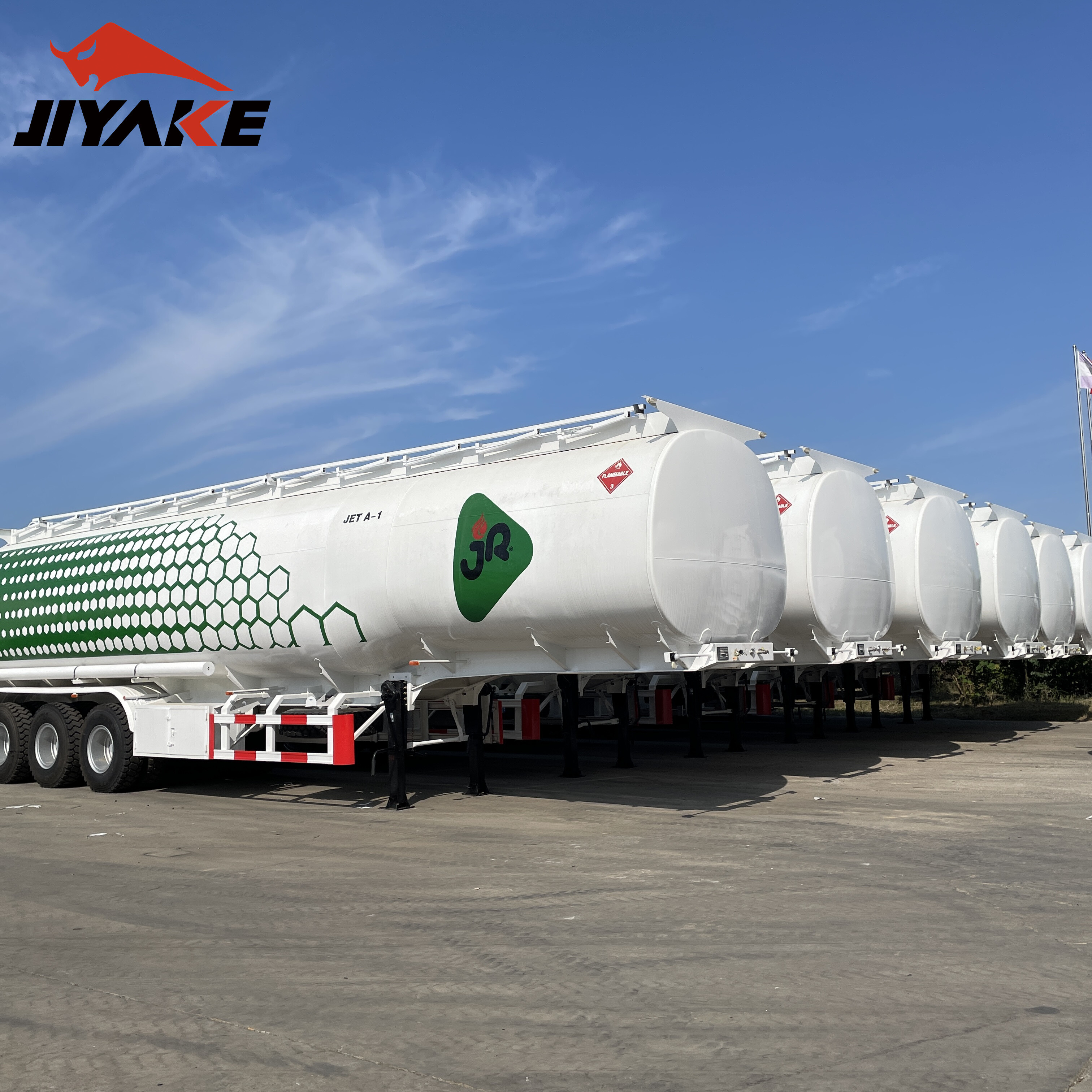
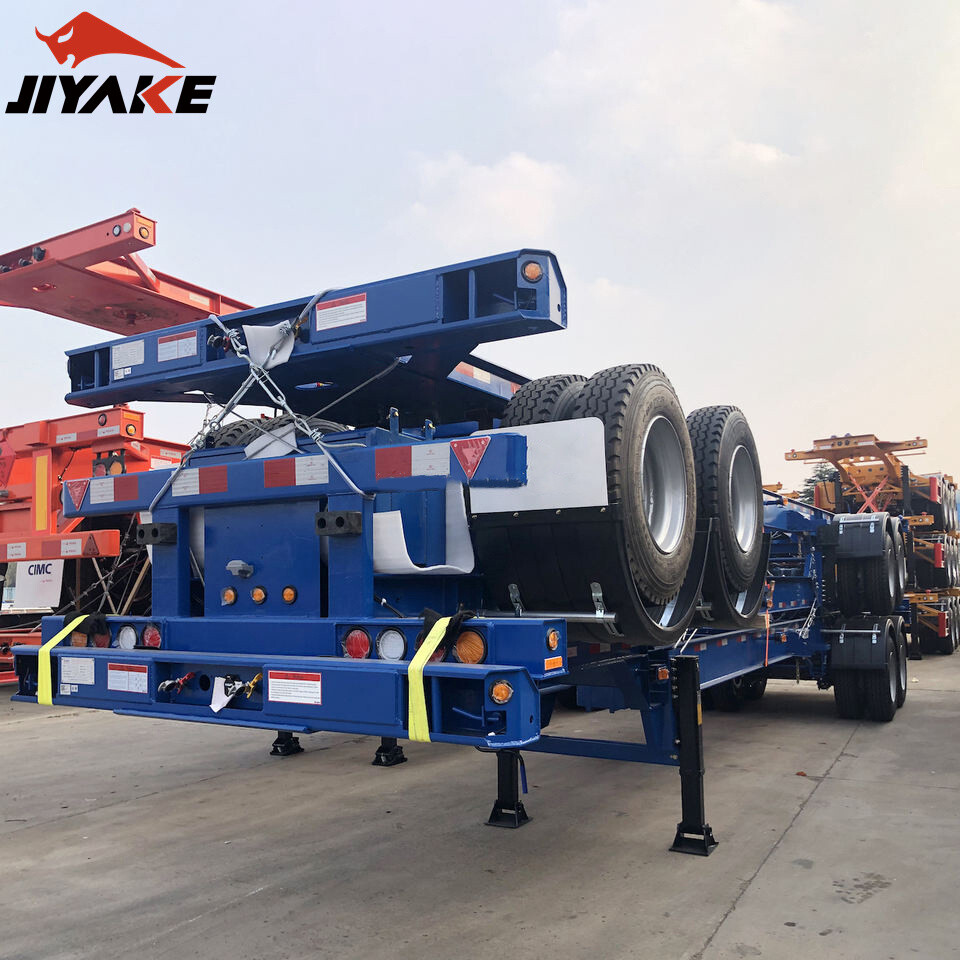
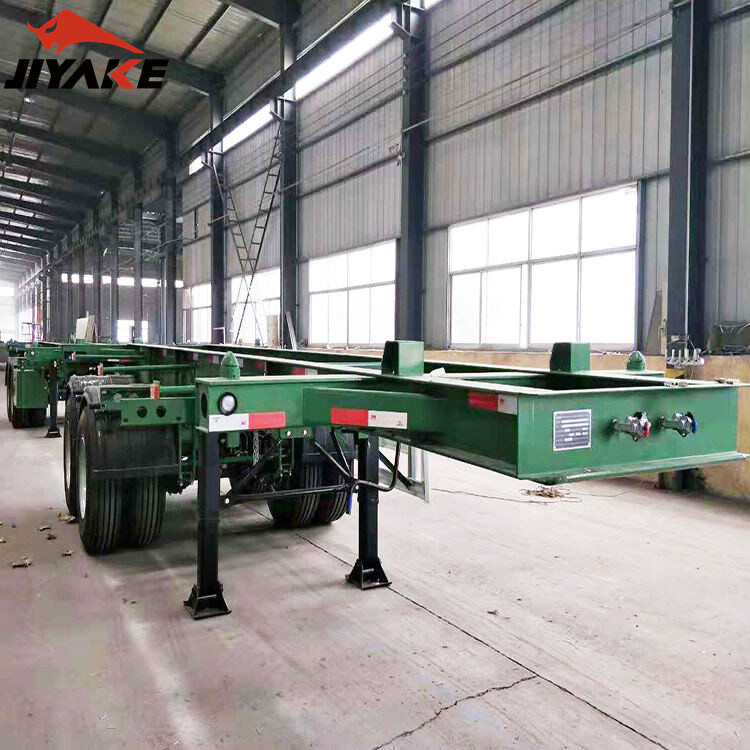
Fuel tanker regulations changing in 2026: what to prepare for
With fuel tanker regulations set to change in 2026, business decision-makers need to prepare early for compliance, fleet upgrades, and operational risk control. From tank design and safety standards to production capability and cross-border delivery requirements, every fuel tanker investment will face closer scrutiny. Understanding what is changing now can help companies protect margins, avoid disruptions, and choose reliable manufacturing partners for the road ahead.
For operators in the heavy truck sector, the issue is not only legal compliance. A fuel tanker purchase affects transport safety, insurance exposure, loading efficiency, route access, driver training, and long-term maintenance cost. When regulations shift, even a well-performing fleet can face new pressure within 12 to 24 months if specifications, documentation, or testing no longer align with market requirements.
This matters especially to fleet owners, distributors, contractors, and industrial buyers working across Southeast Asia, Central Asia, Africa, and other developing logistics corridors. Cross-border fuel movement often depends on consistent tank quality, durable chassis integration, and the ability of a manufacturer to deliver special vehicles at stable quality across multiple configurations.
Shandong Jiyake Automobile Sales Co., Ltd. operates in this space as a full-size modified truck enterprise integrating design, research, production, and sales. With a 300000m2 factory, 500 employees, and equipment such as CNC cutting machines, automatic welding systems, large bending machines, canning machines, and tank automatic welding machines, the company serves more than 60 countries with semi-trailers, fuel tanker trucks, dump trucks, tractor trucks, and other special-purpose vehicles.
What 2026 fuel tanker regulation changes are likely to affect buyers
Although exact implementation details vary by country, most 2026 fuel tanker regulatory updates are expected to focus on four practical areas: tank integrity, fire and spill prevention, traceable manufacturing records, and in-service inspection discipline. For buyers, this means the old approach of comparing only tank volume, axle count, and purchase price will no longer be enough.
In many markets, a fuel tanker will face stricter review of shell thickness, compartment design, anti-wave performance, emergency shut-off systems, grounding points, ladder and walkway safety, and bottom loading or discharge arrangements. Even where local law remains less detailed, project owners, oil depots, and insurers increasingly ask for more complete technical files before approving fleet access.
Decision-makers should also expect closer control over documentation. A fuel tanker supplier may need to provide clearer material records, weld inspection history, pressure or leak test records, dimensional consistency, and shipping documentation. In export business, these details can influence customs clearance time by 3 to 10 days if paperwork is incomplete or inconsistent.
Key compliance pressure points
The most common pressure points can be grouped into design, production, operation, and after-sales support. A tank that meets capacity requirements but lacks suitable safety features may create a larger lifecycle cost than a unit priced 5% to 8% higher but built to a stronger compliance standard. This is where procurement teams should align engineering review with finance and operations.
- Design review: verify tank structure, compartment layout, anti-overflow features, and access safety before confirming order.
- Production review: confirm welding process stability, thickness control, and test procedures at the factory stage.
- Operational review: assess routes, loading sites, fuel type, and average trip distance, often between 80 km and 600 km per mission.
- Support review: check spare parts response, technical communication speed, and export packing readiness.
The following table shows how likely 2026 regulatory focus areas translate into procurement action for a heavy truck buyer.
The main takeaway is simple: in 2026, a fuel tanker is increasingly judged as a full compliance asset rather than just a transport container. Buyers that review design details early can avoid expensive retrofits after delivery.
How regulation changes affect tank design, chassis matching, and fleet safety
A fuel tanker performs as a system, not as an isolated tank. The shell, subframe, piping, braking layout, suspension behavior, and chassis geometry all influence safe handling. Newer safety expectations are pushing buyers to ask more detailed questions about how the tank body is integrated with the heavy truck platform, especially under full load, cornering, and uneven-road conditions.
One common mistake is to focus only on nominal tank volume, such as 18000 liters or 30000 liters, without considering liquid surge management. Poor internal design can increase vehicle instability, especially during repeated braking at urban delivery speeds of 30 to 50 km/h or highway emergency maneuvers at 70 to 90 km/h. For petroleum transport, this is not a minor issue but a core safety factor.
The chassis side also matters. Engine output, axle capacity, brake configuration, and frame reinforcement should match the real operating route rather than brochure expectations. A fuel tanker working in mining access roads, depot yards, and regional highways will need a different setup from one serving smooth intercity fuel corridors. That is why procurement teams should review full vehicle matching, not only tank fabrication.
Design features that deserve closer attention
When comparing fuel tanker offers, decision-makers should request practical detail on safety and durability features. Strong manufacturers are usually comfortable discussing fabrication logic, process consistency, and why certain material or thickness choices were made for specific markets.
- Compartment configuration: important for multi-product distribution and load balance control.
- Tank thickness selection: should reflect route condition, product density, and expected annual mileage, often 30000 to 120000 km.
- Bottom structure and valve protection: critical for rough-road service and accidental impact reduction.
- Walkway, ladder, and manhole layout: improves operator safety during inspection and loading.
- Weld quality consistency: affects leak risk, maintenance intervals, and long-term corrosion control.
A related special-vehicle perspective
Many fleet buyers managing fuel logistics also operate support vehicles for dust control, site preparation, or road service. In that context, a specialized Water Truck can complement fuel tanker operations in construction sites, mining operations, road maintenance, and agricultural irrigation. Typical options include 5,000 liters, 8,000 L, 10,000 liters, and 20,000 liters, often on a 6x4 platform with 371hp and a tank body built from Carbon steel Q235B, with 4mm shell and 5mm end dish. While this is a different application, it reflects the same procurement principle: buy special vehicles based on route, duty cycle, and build quality rather than only upfront price.
For fuel tanker buyers, the lesson is that robust fabrication and proper chassis integration directly influence uptime in difficult environments. A low-cost build can become expensive if it leads to valve damage, unstable handling, or frequent workshop time within the first 18 months.
What procurement teams should ask manufacturers before placing a fuel tanker order
In a tighter regulatory environment, vendor selection becomes a risk control decision. Buyers should not evaluate a fuel tanker supplier only by quotation speed or visible workshop size. The right question is whether the manufacturer can repeatedly deliver special vehicles with stable process quality, practical engineering communication, and export-ready documentation.
A capable manufacturer should be able to explain production flow, inspection checkpoints, and how different customer markets influence design choices. This is particularly important for companies purchasing 5 units, 20 units, or mixed fleets over several batches. Inconsistent fabrication between orders can complicate spare parts planning and driver familiarization.
Shandong Jiyake Automobile Sales Co., Ltd. combines product design, scientific research, production, and sales under one operating structure, supported by subsidiaries covering vehicle production, vehicle trade, and fittings production. For B2B buyers, that kind of manufacturing depth can improve coordination across design review, parts support, and delivery planning.
Factory capability checklist
The table below can be used as a practical supplier evaluation tool during quotation comparison or factory audit.
A supplier with service history in 60+ countries may not automatically fit every order, but international delivery experience usually helps when project schedules are tight and destination requirements differ from one region to another.
Questions buyers should raise in the RFQ stage
- What shell thickness and end plate thickness are recommended for the intended fuel type and road condition?
- How will the manufacturer document weld inspection, leakage testing, and final release checks?
- What is the normal production lead time: 20 days, 30 days, or 45 days for the requested configuration?
- How are spare parts, fittings, and after-sales technical questions handled after shipment?
These questions help separate a quotation seller from a true manufacturing partner. In 2026, that distinction will affect not just compliance but fleet continuity.
Managing delivery, documentation, and operating risk across borders
For companies purchasing a fuel tanker for international deployment, compliance is only one side of the challenge. The other side is execution: production scheduling, pre-shipment checks, packing logic, customs paperwork, and final commissioning. A delay of 7 to 14 days at port can disrupt project mobilization, fuel supply planning, and contract service commitments.
Cross-border delivery becomes more sensitive when regulations tighten because authorities and end users may ask more questions about product description, technical specifications, and inspection evidence. This is why procurement leaders should involve logistics and operations teams early, not after the factory has completed production.
A structured implementation process can reduce risk. Instead of ordering solely on sales drawings, buyers should build a 5-step control path from technical confirmation to final acceptance. This is especially important for fuel tanker fleets entering oil field service, government supply contracts, or industrial distribution networks.
Suggested 5-step implementation path
- Define operating profile: fuel type, route length, climate, road condition, and legal payload threshold.
- Lock technical scope: volume, compartment number, chassis preference, discharge method, and safety accessories.
- Review manufacturing schedule: confirm milestones for plate cutting, welding, assembly, testing, and release.
- Check export file set: ensure invoice details, packing list, technical sheet, and inspection records are aligned.
- Plan arrival readiness: spare parts, operator training, and first 30-day inspection actions should be ready before vehicle dispatch.
The table below summarizes common risks and preventive actions for an imported fuel tanker project.
The practical conclusion is that operating risk starts before the vehicle leaves the factory. In many cases, better documentation and milestone control save more money than negotiating a small unit discount.
2026 preparation checklist for business decision-makers
The best time to prepare for 2026 fuel tanker regulation changes is now, especially for companies planning fleet renewal within the next 6 to 18 months. Waiting until enforcement begins can lead to rushed purchasing, weaker supplier leverage, and higher adaptation cost. Procurement teams should move from reactive buying to structured specification management.
Start by reviewing your current fleet profile. Identify which fuel tanker units are mission-critical, which routes involve higher rollover or impact risk, and which customers impose stricter safety requirements. Even a basic asset map covering age, tank capacity, average utilization, and maintenance frequency can reveal where future compliance pressure will be highest.
Next, standardize the purchase criteria. Many B2B buyers still compare offers using only total price and delivery promise. A stronger model uses at least 6 checkpoints: tank design, chassis suitability, document readiness, export experience, spare support, and whole-life maintenance practicality. This framework improves consistency across technical and commercial evaluation teams.
Action checklist
- Audit current fuel tanker fleet condition and service environment within the next 30 days.
- Update RFQ templates to include safety, fabrication, and documentation requirements.
- Request factory process details and pre-shipment inspection evidence from shortlisted suppliers.
- Align finance, operations, and procurement on a 3-year lifecycle cost view rather than unit price only.
- Prepare a phased replacement or upgrade plan for the next 12 months.
Final recommendation
A fuel tanker purchase in the heavy truck sector is becoming a strategic asset decision shaped by regulation, road safety, and supply chain reliability. Buyers who work with experienced manufacturing partners and ask sharper technical questions will be better positioned to control cost, reduce delay, and protect operating continuity.
If your business is reviewing upcoming fleet investments, this is the right moment to evaluate production capability, specification fit, and delivery support in one process. Shandong Jiyake Automobile Sales Co., Ltd. offers broad special-vehicle manufacturing experience, integrated production resources, and export service across multiple regions. Contact the team now to discuss your fuel tanker requirements, request a tailored configuration plan, or learn more about practical heavy truck solutions for 2026 and beyond.
Leave A Reply

First class quality service and professional after-sales team.
Get in Touch
*We respect your confidentiality and all information are protected.