




Fuel tanker cleaning intervals and what contamination can cost
For aftersales maintenance teams, setting the right fuel tanker cleaning interval is not just routine upkeep—it directly affects cargo purity, safety, and operating cost. Even minor contamination inside a fuel tanker can lead to fuel quality issues, equipment damage, delivery claims, and costly downtime. Understanding when to clean and what contamination can cost is essential for maintaining compliance and keeping fleet performance reliable.
Why a checklist approach works better for fuel tanker cleaning decisions
Aftersales maintenance personnel usually face the same challenge: there is no single cleaning interval that fits every fuel tanker. Route intensity, cargo type, storage conditions, previous loads, weather, and operator habits all affect the cleaning schedule. A fixed calendar-based rule may be simple, but it often causes either unnecessary cleaning expense or delayed cleaning that allows contamination to build up.
A checklist-based method is more reliable because it helps teams judge actual tank condition instead of guessing. This is especially important in heavy truck operations where one contaminated load can affect customer equipment, damage filters and pumps, or trigger a chain of service complaints that costs far more than the cleaning itself.
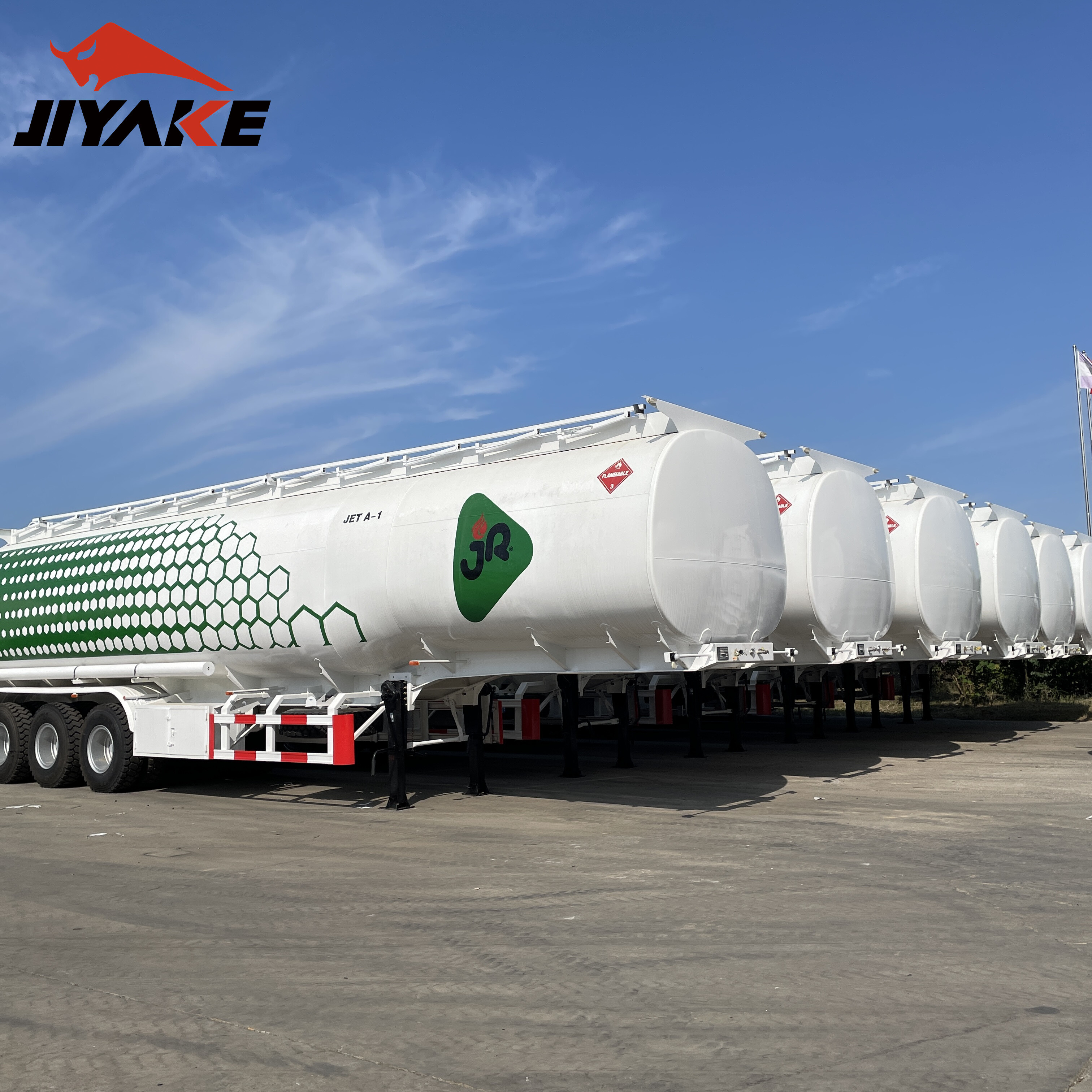
For companies such as Shandong Jiyake Automobile Sales Co., Ltd., which serve fleets across more than 60 countries and manufacture special vehicles including fuel tankers, practical maintenance standards matter as much as production quality. Strong fabrication, automated welding, and controlled tank manufacturing help create durable equipment, but field performance still depends on disciplined inspection and cleaning routines after delivery.
- Use cleaning intervals based on contamination risk, not only mileage or dates.
- Check internal condition after product change, long storage, water ingress, or repair work.
- Record findings so future cleaning intervals become more accurate and defensible.
First priority: the key factors that should trigger fuel tanker cleaning
Before setting a routine interval, maintenance teams should confirm the main triggers that increase contamination risk inside a fuel tanker. These are the first items to review during service planning. If more than one trigger is present, the tank should move higher on the cleaning schedule.
The most common mistake is treating visible residue as the only concern. In practice, water, microbial growth, trace sediment, incompatible previous cargo, and internal coating damage can all create quality problems long before obvious sludge appears. That is why trigger-based checks are more effective than visual judgment alone.
A useful working standard is to divide triggers into operational, environmental, and mechanical categories. This makes it easier to assign responsibility between drivers, depot staff, and aftersales maintenance teams.
Core trigger checklist
- Product switch between fuel grades or between diesel and other petroleum products.
- Water detected in sump drains, samples, or customer receiving tanks.
- Vehicle stored for an extended period, especially in humid or high-temperature conditions.
- Tank hatch, vent, seal, or piping repair that may introduce debris.
- Repeated filter blockage, slow unloading, or unusual pump wear.
- Customer complaint about fuel clarity, odor, color, or particulate matter.
- Evidence of rust, coating breakdown, or sediment after internal inspection.
Quick judgment standard
How to set practical cleaning intervals for different operating conditions
A practical cleaning interval for a fuel tanker should combine time, usage, and condition checks. In many fleets, a quarterly, semiannual, or annual cleaning rule is used as a starting point, but that baseline should be adjusted by actual service environment. High-turnover tankers working on predictable routes may stay cleaner than units parked outdoors for long periods between loads.
Aftersales teams should also consider whether the tanker handles one consistent fuel specification or multiple product categories. The more often the tank changes service conditions, the shorter the review interval should become. This avoids contamination transfer and supports cleaner delivery records.
Inspection frequency and cleaning frequency do not have to be identical. A smart plan may involve frequent sump draining and sample checks, while full internal cleaning is performed only when indicators show elevated risk.
Suggested interval guide
What maintenance teams should record every time
- Date of last internal cleaning and method used.
- Type of fuel carried since last cleaning.
- Any water drained and approximate volume.
- Filter replacement history and any repeated blockage.
- Customer complaints, sampling results, or nonconformance notes.
- Seal, hatch, valve, vent, and piping repair records.
What contamination can really cost a fuel tanker operation
The direct cost of cleaning is easy to see. The cost of contamination is often hidden across several departments. A single neglected fuel tanker may create losses in product disposal, emergency cleaning, transport delay, customer compensation, workshop labor, and damaged reputation. For aftersales teams, the financial case for preventive cleaning becomes clear when these costs are listed side by side.
Contamination cost is not limited to severe incidents. Small levels of water or debris may cause recurring filter issues that slowly increase service calls and parts consumption. If a customer’s machinery or storage system is affected, the dispute can extend well beyond the value of one load. That makes documentation and prevention just as important as cleaning itself.
In fleets that support construction, mining, and remote projects, downtime can be especially expensive because a delayed fuel delivery may stop multiple assets. The heavy truck sector should therefore treat tank cleanliness as an uptime issue, not only a hygiene issue.
Typical contamination cost categories
- Rejected load or downgraded fuel value.
- Customer claims for contaminated delivery.
- Pump, meter, or filter damage inside the tanker system.
- Workshop downtime and emergency labor cost.
- Extra flushing, disposal, and environmental handling expense.
- Loss of repeat business due to reliability concerns.
A practical rule for cost-based prioritization
If the likely cost of one contamination event is higher than several planned cleanings, the interval is too long. This simple rule helps maintenance managers defend preventive work during budget review. It also supports better communication with operations teams that may see cleaning only as lost utilization time.
Commonly overlooked risk points during inspection and cleaning
Even when a fuel tanker is cleaned on schedule, contamination can return quickly if hidden entry points or residue traps are missed. Many preventable issues come from incomplete inspection rather than the absence of cleaning. Aftersales staff should therefore inspect the entire product path, not only the main tank shell.
Attention should also be paid to component quality and durability, because structural reliability supports clean operation over time. In broader fleet planning, some operators that also move machinery for site service coordination may standardize support equipment from one supplier. For example, a heavy-haul unit such as the Lowbed Semi Trailer can be part of the same special-vehicle procurement strategy when fleets need dependable transport for heavy equipment, energy projects, and infrastructure logistics. While that product serves a different task, its Q345B carbon steel structure, FUWA 3 axles, and robust braking and suspension options reflect the same emphasis on durability and maintainability valued in tanker fleets.
For fuel systems specifically, the most overlooked contamination points are usually the simplest: drains not fully emptied, vents exposed to moisture, hose ends stored poorly, and internal corners where sediment remains after partial cleaning.
Do not miss these inspection items
- Bottom sump areas where water and particulate matter collect first.
- Manhole gaskets, hatch covers, and vent seals that allow moisture ingress.
- Discharge lines, valves, and hose couplings where residue may remain.
- Internal weld zones or coating damage that can trap or generate debris.
- Sampling procedures that may give false confidence if taken from only one point.
- Post-cleaning drying quality, because residual moisture can restart the problem.
Execution guide: how aftersales teams can build a better cleaning program
The most effective fuel tanker cleaning program is simple enough to use in daily operations and detailed enough to catch risk early. It should define who inspects, who approves cleaning, what evidence is required, and how exceptions are handled. Without these basics, even a technically sound interval will fail in practice.
Start by separating routine monitoring from full cleaning work. Drivers or yard staff can handle daily or weekly checks such as water draining, seal condition, and visible discharge quality. Aftersales maintenance personnel should own internal inspection standards, contamination diagnosis, and final release decisions after cleaning or repair.
It is also useful to classify each fuel tanker by risk profile. Units with stable single-product use can follow a standard program, while tankers exposed to mixed service, long idle periods, or sensitive customer contracts should enter a tighter review cycle.
Recommended implementation steps
- Define a baseline cleaning interval for each tanker type and route pattern.
- Add trigger rules for cargo change, water detection, complaints, and repairs.
- Standardize inspection points, sample methods, and record forms.
- Train teams to identify early signs of contamination, not just severe residue.
- Review contamination incidents monthly and adjust intervals using real data.
- Coordinate with OEM or supplier support when recurring tank design or component issues appear.
Final action checklist before the next service cycle
Before closing your maintenance plan, confirm five points: which fuel tanker units have the highest contamination exposure, which have recent complaint or filter history, which have been idle or repaired, whether sampling and draining records are complete, and whether the current cleaning interval is based on evidence rather than habit.
If more detailed support is needed, the best next step is to gather tanker specifications, operating routes, product mix, previous contamination events, and maintenance records before discussing interval optimization with your vehicle supplier or technical partner. Those details make it much easier to define a realistic cleaning plan, reduce unnecessary service work, and protect delivery quality across the fleet.
In short, the right fuel tanker cleaning interval is not the shortest possible interval or the cheapest one. It is the interval supported by risk checks, field data, and disciplined execution. For aftersales maintenance teams, that approach offers the best balance of safety, fuel quality, uptime, and cost control.
Leave A Reply

First class quality service and professional after-sales team.
Get in Touch
*We respect your confidentiality and all information are protected.