




Water Tanker Buying Guide: Tank Material, Pump Options, Spray System, and Budget
Start with the job, not the tank size
A water tanker looks simple until the wrong specification starts costing money every day. Capacity matters, but procurement teams usually feel the pain somewhere else first: slow fill and discharge times, corrosion showing up too early, poor spray coverage on site, or a truck that is oversized for the route and underused in real work. The practical way to buy a water tanker is to define duty before you compare quotes.
Write down three things before asking for pricing: where it will run, what the water is used for, and how many cycles it must complete in a shift. A tanker for municipal road washing is a different purchase from one used for dust suppression on construction roads or industrial site transfer. Once those conditions are clear, the rest of the checklist gets easier and the budget discussion becomes more honest.
Check the tank material against water quality and operating environment
This is where many buying mistakes begin. Buyers often compare only the initial price between carbon steel and aluminum options, then discover later that the service environment decides the real cost.
- Carbon steel usually makes sense when budget is tight and the tanker will be used in straightforward water delivery work with controlled maintenance. It can be a practical choice, but it needs attention to internal coating condition, weld quality, and long-term corrosion management.
- Aluminum can reduce tare weight and help where payload efficiency matters, though the purchase price is commonly higher. It is often considered when buyers want lower weight and good resistance to certain corrosion conditions.
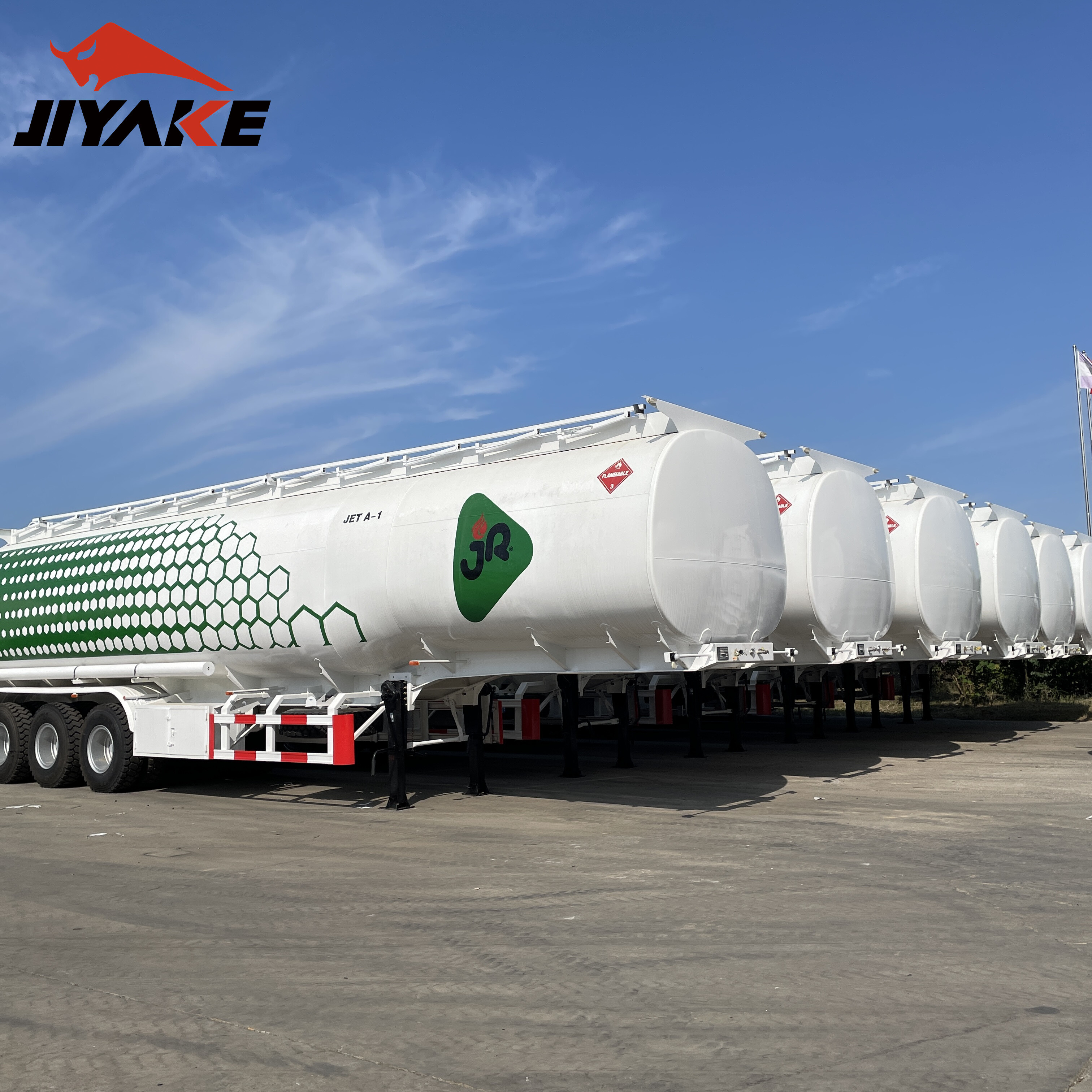
- The mistake to avoid: choosing material by unit price alone without asking what water will actually go into the tank. If the source water is untreated, carries sediment, or comes from mixed locations, ask the supplier to show the tank build details and protection system in the quotation, not just the material name.
Also ask about internal baffles. A large tank without proper baffling can affect vehicle stability during braking and turning, especially when the tanker runs partial loads rather than full loads.
Do not separate pump choice from daily cycle time
Procurement teams sometimes treat the pump as a secondary accessory. In practice, pump selection has a direct effect on working hours, idling time, and how useful the truck is across different jobs.
Ask the supplier to clarify the pump configuration in operating terms:
- How fast can the tank fill from your typical source?
- What is the discharge performance at normal working pressure?
- Is the pump matched for long spray operation, transfer duty, or both?
- How is the pump driven, and how easy is maintenance access?
If your job requires repeated fill-and-spray cycles, pump efficiency matters more than headline tank volume. A smaller tanker with a better-matched pump can finish more productive cycles in a day than a larger truck with slow filling and weak spray pressure.
Match the spray system to the actual application
A water tanker used for municipal cleaning, dust control, landscaping support, or industrial washdown does not need the same spray layout. This part should be specified with more care than many buyers give it.
Get the nozzle arrangement and valve layout listed in the offer. If that information is vague, the comparison between suppliers is not yet reliable.
Budget for the truck you will run, not the truck you can quote cheaply
A low purchase price is easy to explain in a meeting. A truck that spends time off the road is much harder to defend later. For a water tanker, budget review should cover four layers:
- Base vehicle and tank build
- Pump and spray equipment
- Wear parts, maintenance access, and service intervals
- Operating cost from weight, route conditions, and utilization rate
Ask for a quotation breakdown detailed enough to show where cost is being saved. If one supplier is sharply lower, the difference is often hiding in steel thickness, pump specification, valve quality, coating treatment, or the completeness of the spray system. Cheap quotes are rarely cheap in only one place.
Review the chassis and payload balance early
Water is heavy, and this sounds obvious until a buyer chooses capacity that does not match axle loading, road limits, or site access. Check the target route, turning space, road surface, and bridge or municipal restrictions before finalizing the tank volume. A tanker that looks efficient on paper can become awkward if it cannot enter a worksite fully loaded or if it spends half the day maneuvering in narrow access roads.
This is also where some fleets compare alternatives across special vehicles. For mixed transport tasks, a separate equipment decision may be more useful than forcing one truck to do everything. In operations that also move materials or gear, an aluminum solution such as Fence Cargo Trailer may serve a different logistics role with its 30-40T loading capacity and flexible open or enclosed configuration, while the water tanker stays focused on fluid service duty.
Inspect build details that affect reliability later
Experienced buyers spend time on small details because those are the parts that start arguments after delivery. Look closely at weld consistency, tank mounting structure, piping routing, valve protection, ladder and walkway practicality, and how easy it is to reach service points. A clean photo set helps, but for serious procurement, request the manufacturing details in writing.
If you are buying from a manufacturer with in-house production capability, ask how tank fabrication and welding are handled inside the plant. That question is not cosmetic. It helps you judge process control and whether the build quality is likely to be repeatable across units.
Keep the RFQ practical
When buyers send broad requests, they usually get broad answers. A better RFQ for a water tanker should state intended use, preferred tank material, expected fill source, discharge or spray requirement, road condition, and any chassis or payload limits. Then ask each supplier to respond against the same list. That makes comparison cleaner and reduces the chance that one quote is missing important equipment while still looking competitive.
A workable buying sequence is simple: define the duty, lock the tank material, match the pump to cycle time, confirm the spray system, and only then compare price. That order keeps budget decisions tied to field performance, which is where a water tanker proves whether it was bought well or merely bought cheaply.
Leave A Reply

First class quality service and professional after-sales team.
Get in Touch
*We respect your confidentiality and all information are protected.