





How to inspect a used skeleton trailer for frame damage
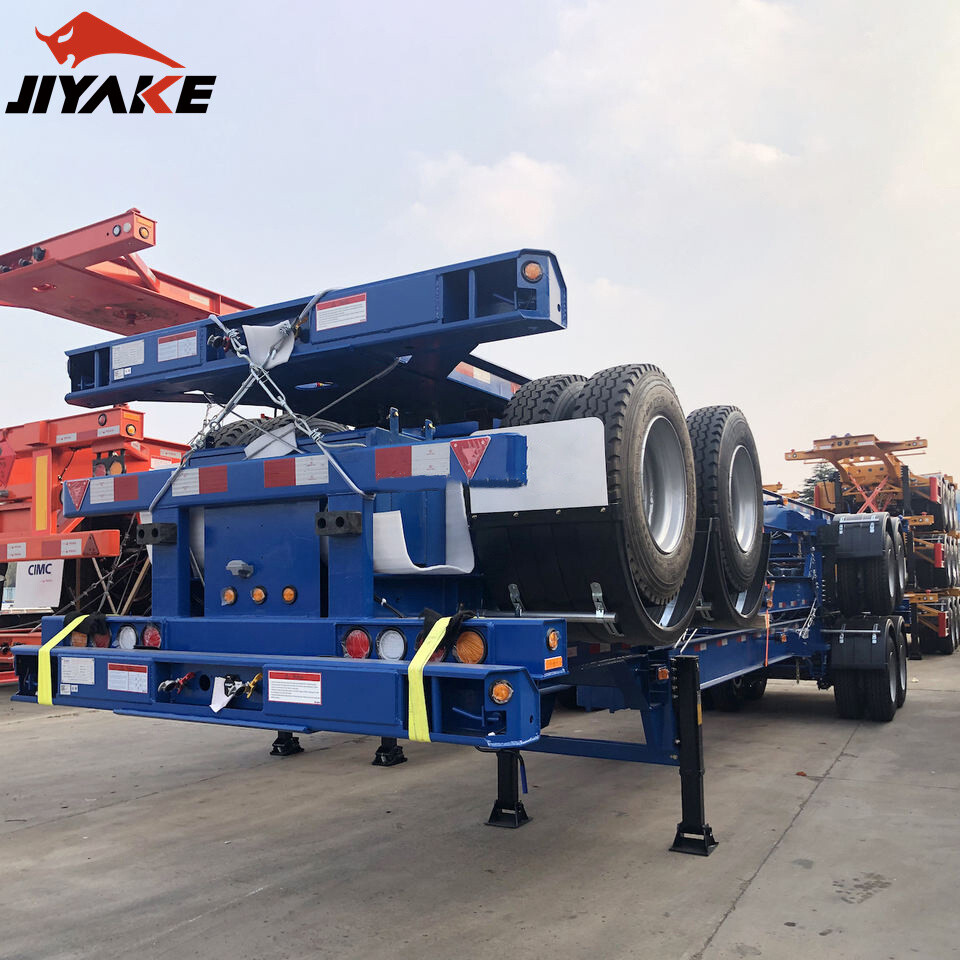
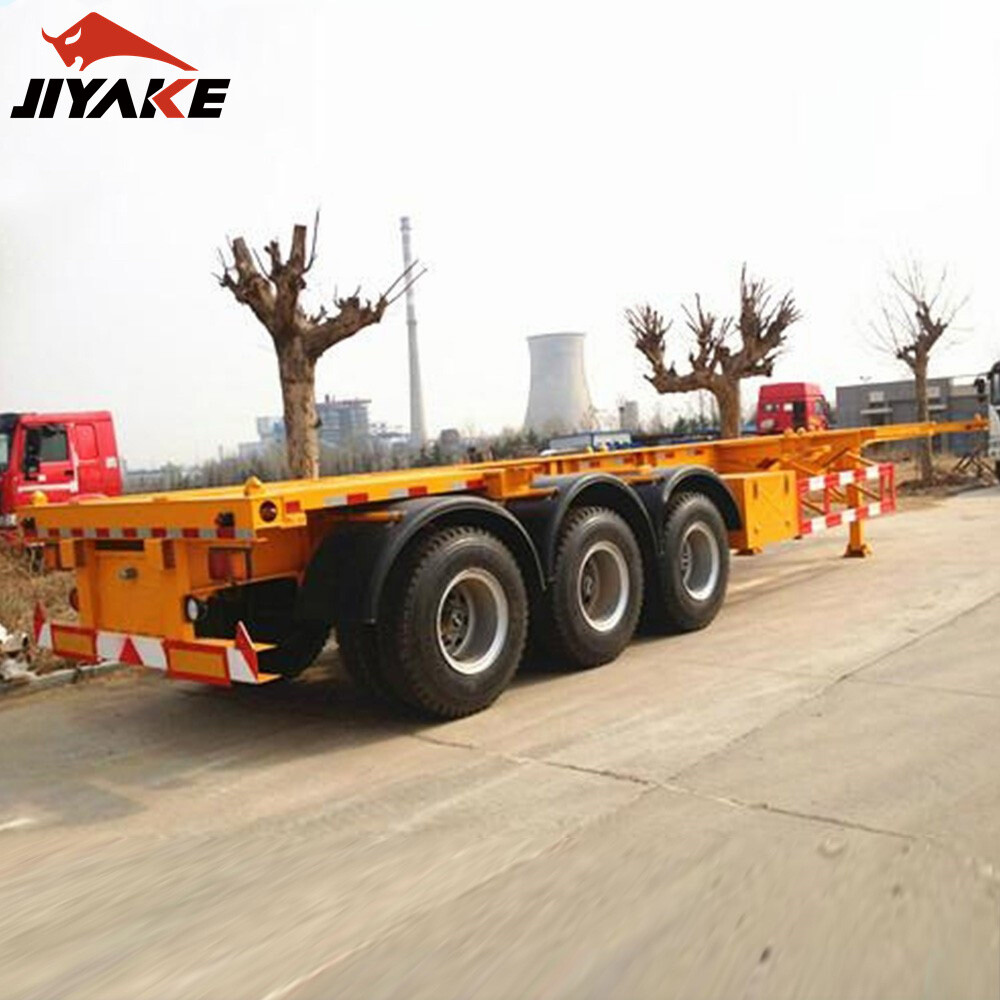
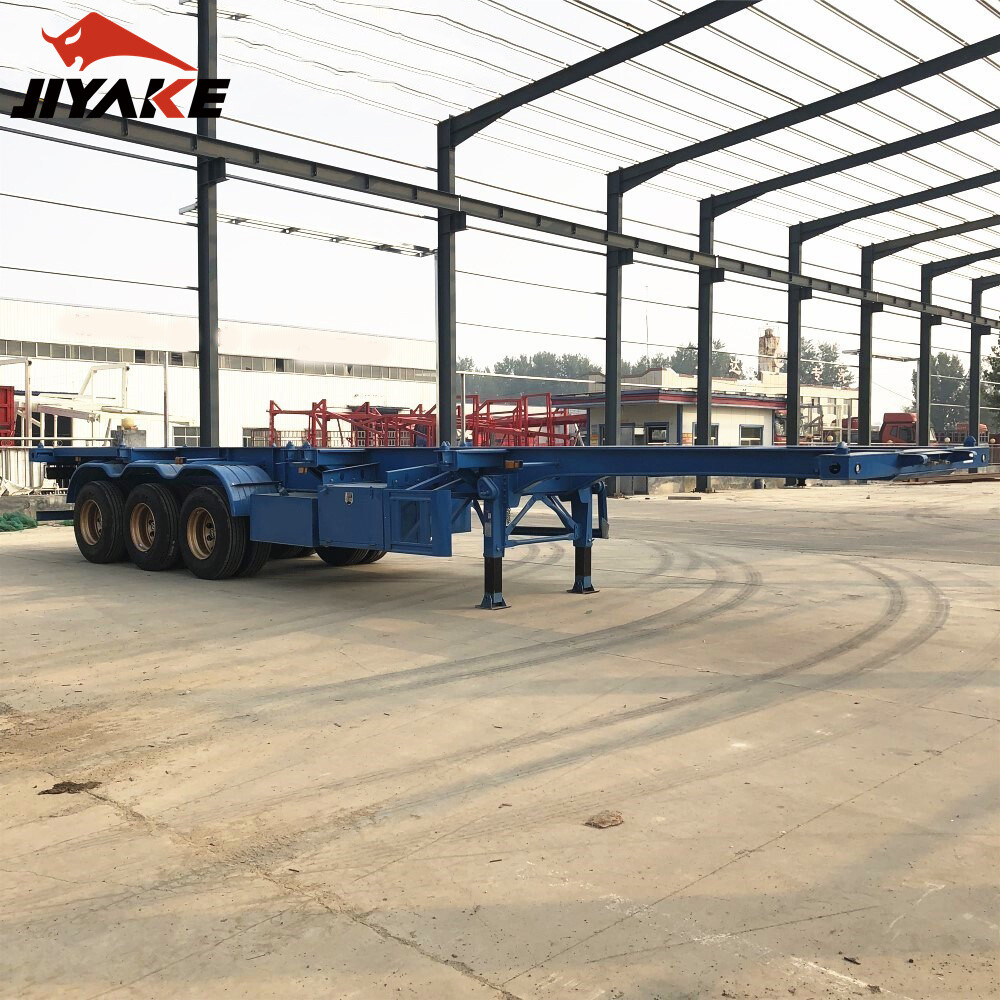
A low-priced used skeleton semi-trailer for sale is only a good purchase if its frame can carry the intended containers safely and remain economical to maintain. Surface rust alone does not condemn a trailer, but cracks around suspension brackets, distorted main beams or damaged twistlock supports can turn a modest repair budget into a major structural project.
Inspect the trailer unloaded, clean enough to expose its structural joints, and on firm, level ground. Record defects before discussing repairs or price. If the seller will not allow access underneath or remove a covering that conceals a suspect area, treat the unseen structure as an unresolved purchase risk.
Start with the trailer’s history and intended loads
Ask for the identification plate, service history, accident records and details of previous structural repairs. Compare the trailer’s rated capacity and container positions with the loads it will actually carry. A chassis used for repeated heavy container movements or rough terminal roads may have different fatigue exposure from one used mainly on smoother routes, even when their age and appearance are similar.
Check that the identification details match the sales documents and the trailer itself. Missing records do not automatically mean the frame is damaged, but they make the physical inspection and an independent assessment more important. Ask specifically whether the trailer has been straightened, welded after a collision or repaired around the suspension and kingpin.
Plan access before starting. Park securely, apply the parking brake and chock the wheels. Use suitable stands if the trailer needs support; do not rely on landing legs, a jack or air suspension alone while working underneath. A flashlight, inspection mirror, straightedge, tape measure and camera are useful for documenting what you can see. Do not put hands into moving twistlocks or suspension components.
Look for distortion before inspecting individual welds
Stand back and look along both main beams from the front and rear. A visible kink, uneven height, local buckling or a difference between the two sides warrants closer investigation. Check crossmembers and outriggers for bends, especially near container supports and areas that could have contacted loading equipment.
A trailer may not look perfectly symmetrical because of its design, so compare corresponding points and use the manufacturer’s drawings or a suitable reference for that model where available. Measure between repeatable points on the chassis and document any differences. Measurements taken on uneven ground, or from bent accessories rather than structural reference points, can be misleading.
Misaligned axles or unusual tire wear can also point to suspension damage or a distorted frame, although they do not prove which component is responsible. An alignment check helps establish the cause. Do not assume an adjustment at the axle will correct a bent chassis.
Trace the load path through high-stress areas
On a skeleton trailer, container loads enter the frame through the supports and travel through the beams, suspension and coupling. Concentrate on the joints connecting those parts, not just the broad, easily visible surfaces.
- Main beams and crossmembers: Inspect the beam webs and flanges, particularly near crossmember connections and abrupt changes in section. Look for cracks starting at weld ends, holes or damaged edges, and for ripples or buckling that suggest the metal has been overloaded.
- Suspension brackets: Examine hangers, equalizer supports and their attachment welds on both sides. Cracks, torn metal or movement marks around a bracket can affect axle location as well as frame strength.
- Kingpin and upper coupling area: Inspect the mounting structure and surrounding plate for cracks, distortion and corrosion. A damaged coupling area needs a competent inspection before the trailer is coupled or moved.
- Landing-leg mounts: Look at the brackets, cross-bracing and adjacent frame. Impact damage or cracking here may indicate the support has been overloaded or struck.
- Container supports and twistlocks: Inspect the supporting steel and welds beneath each lock, not just the operating handle. Check for cracks, bent plates, loose fasteners and distortion that could prevent the container corner from seating correctly.
Use the mirror and light to inspect the underside and reverse side of brackets. Dirt, grease and thick coatings can hide narrow cracks. Clean suspect areas with the owner’s permission, but avoid aggressive grinding that could remove evidence or damage sound material.
Separate superficial rust from structural loss
Light surface oxidation on an otherwise sound member is different from deep pitting, flaking or separation between joined plates. Probe accessible suspect areas carefully and pay attention to places where water and debris collect, including the tops of lower flanges, overlapping plates and the inside edges of brackets.
Corrosion near a weld or container support deserves particular attention because both the remaining metal and the connection may be compromised. Heavy undercoating or freshly painted patches can conceal deterioration as well as repairs. Ask what was prepared and coated, and inspect an accessible area before accepting appearance as evidence of condition.
Where metal loss appears significant, an experienced inspector can assess the remaining thickness and the extent of corrosion using an appropriate method. A visual inspection alone cannot establish the strength of a member whose original thickness or internal condition is unknown.
Evaluate previous repairs, not just their appearance
A repaired frame is not automatically unsuitable. The purchasing question is whether the damage was correctly identified and the repair was designed, performed and documented for the affected structure. Ask for photographs taken before repair, the repair scope and any inspection records. Compare the repair location with the seller’s account of the trailer’s history.
Be cautious with short welds placed over cracks, patches that end abruptly in high-stress areas, overlapping plates that trap moisture, or new paint concentrated around one suspension hanger. These are reasons for closer examination, not proof by themselves that a repair is defective. A neat weld bead also does not establish that the underlying crack was fully removed or that the surrounding material is sound.
If a crack is suspected, do not authorize a quick weld solely to complete the sale. Have a qualified trailer repairer assess its full extent and cause. Depending on the joint and material, the assessment may include an appropriate non-destructive testing method; the method and acceptance decision should be selected by a competent inspector.
Check whether the container will sit and lock correctly
Inspect the twistlock positions required for the containers in your operation. Each relevant lock should move and engage as intended, and its support should be firmly attached without visible distortion. Check the seating surfaces and surrounding crossmembers for impact damage. A working handle is not enough if the structure beneath it has moved.
Where practicable, assess fit with the intended container size under controlled conditions. The container should seat on the designated supports and the locks should engage without forcing components into position. A fit problem may originate in a damaged lock, a bent support or a distorted chassis; replacing the lock alone will not resolve every cause.
Turn findings into a purchase decision
Record each defect by location, photograph it with both close and wider views, and distinguish observed damage from its suspected cause. Price the trailer only after the required repair scope is clear. Include inspection, transport, parts, labor and time out of service, as well as the possibility that further damage will be exposed during dismantling.
Minor coating work or a replaceable, undamaged accessory can be manageable when the structural inspection is satisfactory. Cracks in primary members, distortion around the kingpin or suspension, extensive corrosion, or undocumented repairs to load-bearing areas justify an independent assessment before purchase. Walk away when the seller will not permit necessary inspection or when a competent repairer cannot establish a defensible repair scope.
For a buyer comparing other trailer configurations, the 60 Ton Fence Cargo Trailer is presented for cargo and container transport, with a modular fence system. It is a different configuration from a dedicated skeleton chassis, so compare the intended loads, container securing arrangements and operating requirements before treating it as an alternative. In either case, the condition and suitability of the actual frame matter more than the advertised name.
Leave A Reply

First class quality service and professional after-sales team.
Get in Touch
*We respect your confidentiality and all information are protected.