




Recent Posts
 Thailand Clients Visit JIYAKE to Inspect Brand-New Semi-Trailers and Reach Cooperation AgreementNov 21, 2026
 Guinea Clients Visit JIYAKE to Inspect Brand-New SINOTRUK Vehicles and Reach Strategic CooperationNov 21, 2026
 When can an electric dump truck work on a fixed site?Oct 30, 2026
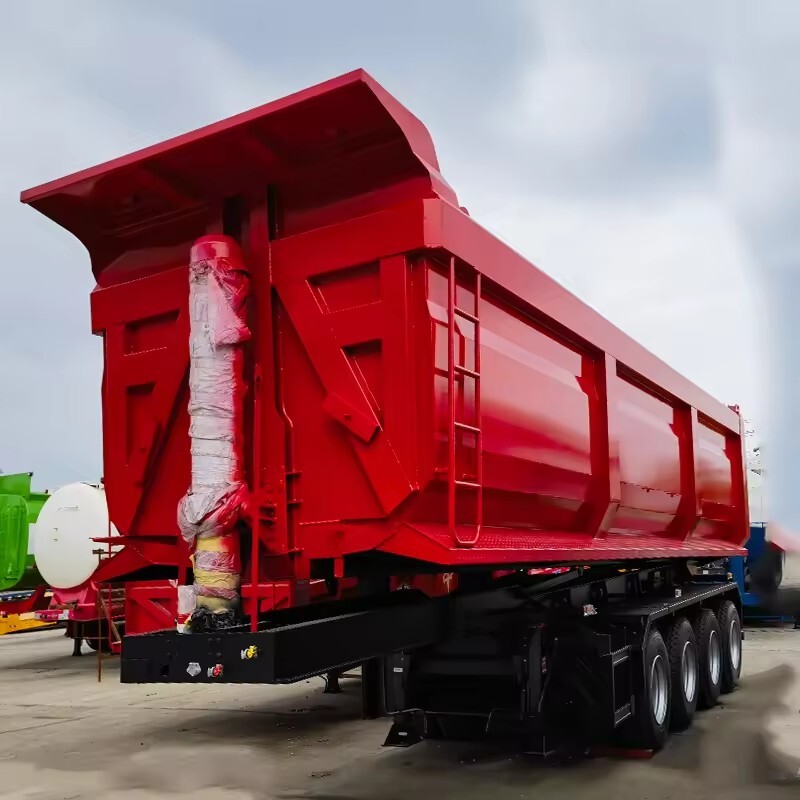

How to choose a dump truck payload for a construction site
The right dump truck payload is the amount a truck can carry legally and safely while meeting the site’s required haulage rate—not necessarily the highest figure in a sales specification. A larger truck can reduce trips, but only if its loaded weight is permitted on the route, the loading equipment can fill it efficiently, and the ground can support it.
When evaluating a dump truck for sale, start with the material, route and daily production target. Then work backward to a practical payload. This approach exposes a common mismatch: a truck may have enough body volume for a load but not enough legal weight capacity, or enough rated payload but too little body volume for a light material.
Establish the usable payload, not just the advertised rating
Payload is the weight of material the truck can carry. Gross vehicle weight is the combined weight of the truck, its occupants, fuel, equipment and load. The usable payload for a particular operation is limited by the lowest applicable constraint, which may be the manufacturer’s rating, a permitted gross weight, an axle limit or a site restriction.
A practical starting calculation is:
Available payload = permitted loaded vehicle weight − actual operating empty weight
Use the truck’s actual operating weight where possible, including the fitted dump body, driver, fuel, spare wheel and any other equipment carried during the shift. An estimated chassis weight alone is not sufficient. The calculation also assumes that axle loads remain within their respective limits; a legal total weight does not guarantee that every axle is legal.
For example, if a truck is permitted to operate at 26 tonnes gross and weighs 12 tonnes in working condition, its theoretical payload under that gross limit is 14 tonnes. If axle loading, the vehicle rating or a bridge restriction imposes a lower limit, that lower figure governs. All figures here are illustrative; the applicable limits depend on the vehicle and route.
Convert the material into both weight and volume
Dump bodies are commonly specified by volume as well as payload. To compare them, use the expected loose bulk density of the material as loaded, not the density of solid rock or the density of material compacted in place. Moisture, particle size and excavation method can change the weight of a bodyful.
Load weight = loose volume × loose bulk density
Suppose the available payload is 14 tonnes and the material’s estimated loose bulk density is 1.75 tonnes per cubic metre. The weight-limited volume is 8 cubic metres. A 10-cubic-metre body filled to that level could carry 17.5 tonnes, exceeding the available payload by 3.5 tonnes before considering load distribution.
The reverse occurs with light material. If its loose bulk density is 0.8 tonnes per cubic metre, a 10-cubic-metre load weighs 8 tonnes. The body is full before the truck reaches a 14-tonne payload. Choosing a larger body may improve utilisation, provided its dimensions, stability and loading arrangements remain suitable.
Use representative material data for planning and confirm loads on a weighbridge or suitable on-board weighing system. If material is sold or measured in bank or compacted cubic metres, apply an appropriate conversion to loose volume before estimating truckloads. Do not treat those measurements as interchangeable.
Match truck capacity to the required production rate
Payload has value only when the truck can complete enough cycles. Estimate cycle time from loading, loaded travel, queuing, tipping, return travel and any necessary manoeuvring. Use times that reflect the route and operating conditions expected during the shift.
Scheduled hourly haulage per truck = usable payload × 60 ÷ cycle time in minutes
As an illustration, a truck carrying 14 tonnes with a 30-minute cycle has a scheduled capacity of 28 tonnes per hour. At a 40-minute cycle, the same truck moves 21 tonnes per hour. Actual output will be lower if breakdowns, breaks, congestion or weather interrupt operation; allow for those separately when calculating the number of trucks needed.
Compare alternatives as a fleet, not just as individual vehicles. A larger truck may require fewer journeys, but it can also take longer to load, create longer queues or be restricted to a slower route. Conversely, a smaller truck may suit confined access but require more drivers and vehicle movements to meet the same target. Calculate the cost per tonne delivered using the expected productive hours, including fuel, labour, maintenance, ownership or hire costs, and likely waiting time.
Check the loading and tipping cycle before selecting a size
The excavator or wheel loader must be able to load the body without excessive passes or awkward positioning. Compare the loader’s effective bucket payload with the truck’s usable payload, recognising that bucket fill varies with material and working conditions. A truck that needs many small passes may hold up the loading point; a very large bucket relative to the truck can make the final pass difficult to control.
At the tipping point, check turning space, reversing arrangements and overhead clearance with the body fully raised. Soft ground or an uneven tipping surface can compromise stability, particularly with a sticky load that releases unevenly. Body shape, material flow and the provision for safe cleaning matter as much as nominal capacity. Never rely on a payload figure to justify tipping where ground conditions or the manufacturer’s operating instructions do not permit it.
Equipment delivery is a separate transport task from moving excavated material. A 3 Axle Lowbed Semi Trailer serves a different purpose: carrying equipment on a low platform rather than tipping bulk material. Its use does not change the payload calculation for the dump trucks moving material around or away from the site.
Let the route set the upper limit
Walk or survey the complete route, including public roads, site entrances, temporary haul roads, bridges and tipping areas. The controlling restriction may be a bridge load limit, an axle limit, a tight turn or a weak section of ground rather than the truck’s advertised payload. Confirm local road rules and permit conditions with the relevant authorities; limits vary by jurisdiction and vehicle configuration.
On unpaved ground, consider the loaded vehicle’s axle loads and tyre contact conditions, not gross weight alone. A larger truck can concentrate substantial loads at individual wheels and may damage an inadequately prepared haul road. Grades, traction and braking capacity also affect whether a truck can use the route consistently when loaded, especially in wet conditions.
Do not assume that a truck suitable for off-road use can travel loaded on public roads. If part of the haul crosses a public route, the legal road payload may be lower than the payload possible within a controlled site. That distinction can determine whether material must be reloaded or whether a different vehicle is needed.
Specify the payload against the job that must be delivered
Before committing to a truck size, document the material’s expected loose density and moisture range, the required tonnes per shift, the realistic cycle time and the route’s limiting weights. Ask for the proposed vehicle’s operating empty weight, gross and axle ratings, body volume and relevant dimensions in its intended configuration.
Then test the choice against a less favourable operating condition: wetter material, a longer queue or a restricted haul route. If the fleet meets the schedule only with every truck fully loaded and moving continuously, it has little room for normal interruptions. The preferred payload is the one that fits the tightest weight and site constraints while providing a credible production rate across the conditions the project must manage.
Leave A Reply

First class quality service and professional after-sales team.
Get in Touch
*We respect your confidentiality and all information are protected.