




Recent Posts
 Thailand Clients Visit JIYAKE to Inspect Brand-New Semi-Trailers and Reach Cooperation AgreementNov 21, 2026
 Guinea Clients Visit JIYAKE to Inspect Brand-New SINOTRUK Vehicles and Reach Strategic CooperationNov 21, 2026
 When can an electric dump truck work on a fixed site?Oct 30, 2026

How to check fence trailer side latches before a trip
How to Check Fence Trailer Side Latches Before a Trip
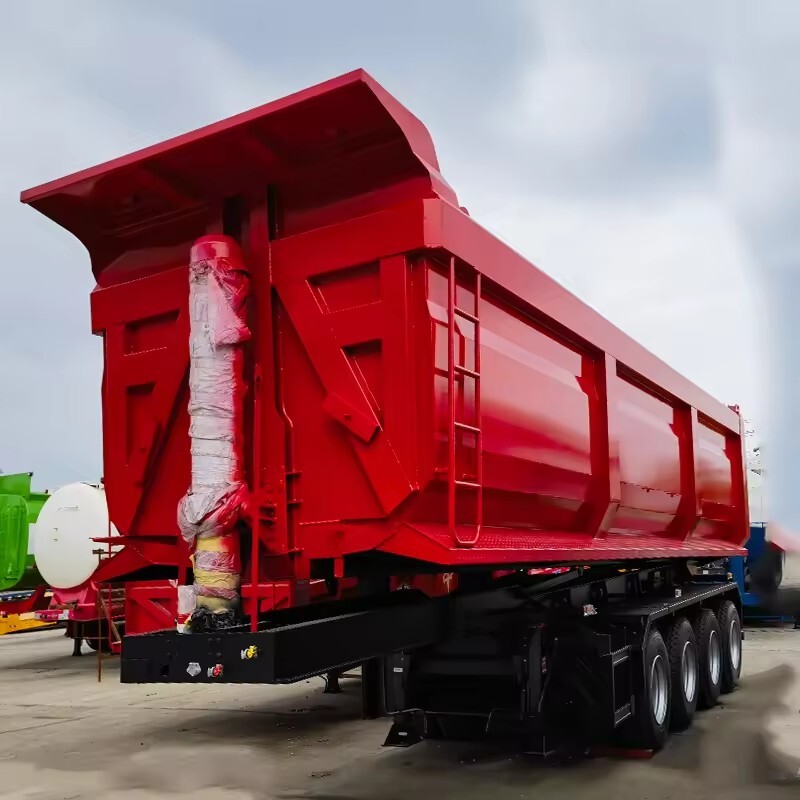
A loose or damaged side latch can turn a routine journey into a serious cargo safety risk. Before every trip, fence trailer operators should inspect each latch for wear, cracks, corrosion, secure engagement, and properly fitted locking pins. This guide explains what to check, how to spot common problems, and when repairs are needed before departure. Whether you operate an existing trailer or are considering a Fence Cargo Trailer for sale, these practical checks can help protect your load and support safer transport.
Make the Trailer Safe to Inspect
Park on firm, level ground, apply the parking brakes and follow your usual procedure for preventing unintended movement. Wear suitable gloves and keep clear of the path of any side panel that could swing or fall. A loaded panel may be under pressure even when the latch looks normal from the outside.
Walk around the trailer before touching the hardware. Look for a leaning fence section, cargo pressing against a gate, or a panel that sits higher or lower than its neighbors. If a latch is carrying the weight of a shifted load, do not simply pull the pin and release it. Arrange for the cargo and panel to be supported or made safe before opening.
Check every side, including the rear gate and any removable or folding sections. Damage is easily missed on the side facing a wall or loading dock. A flashlight is useful for seeing the back of a latch bracket and the area beneath a hinge.
Follow the Load Path, Not Just the Handle
A latch is only as reliable as the parts holding it to the trailer. Start at the handle or locking lever, then follow the mechanism to the hook, keeper, pin, mounting bracket and surrounding fence post. The exact arrangement varies, but the question is the same: can the panel remain closed when the trailer vibrates and the body flexes?
Look closely for cracks at weld toes, around bolt holes and where brackets meet the frame. Fresh rust staining, flaking paint or a shiny line around a weld can signal movement or a developing crack. Clean the area enough to see the metal; do not assume a painted surface is sound simply because it looks tidy.
Check bolts and fasteners for looseness, missing nuts and elongated holes. A bracket that shifts when the panel is moved needs attention even if all its bolts are present. On a welded assembly, a gap or visible movement at the attachment is a reason to stop and have it assessed.
Rust deserves a practical judgment. Light surface corrosion may clean off, but deep pitting, metal loss or a seized pivot can compromise the mechanism. Pay particular attention to the lower parts of the side fence, where road spray, mud and trapped moisture collect.
Check Engagement and the Locking Pin
With the panel safely closed, confirm that the latch engages its keeper fully and sits in its intended locked position. A hook resting on the edge of a keeper is not the same as a hook seated behind it. On an over-center latch, the lever should pass into the designed locked position rather than stop short because the panel is misaligned.
Fit the specified secondary locking pin, clip or safety catch where the design requires one. The pin should pass through the correct aligned holes and be retained as intended. A bent nail, loose bolt or piece of wire is not a dependable substitute: vibration can dislodge it, and an incorrectly sized part may leave too much play.
Once secured, gently pull on the latch handle and push or pull the panel without placing yourself in its possible opening path. You are checking for obvious movement, incomplete engagement or a catch that releases unexpectedly—not trying to force the assembly apart. Compare a questionable latch with another of the same design on the trailer, but use the manufacturer’s instructions to determine what is acceptable.
If the pin holes only line up when someone pulls hard on the gate, investigate the cause. The panel may be bent, a hinge may be worn, or the load may be pushing outward. Hammering the pin through can hide the problem and make the latch difficult or dangerous to release later.
When a Latch Needs More Than Lubrication
Dirt can make a sound latch stiff. Clean the pivot and apply a lubricant suitable for the mechanism and operating conditions, following the trailer manufacturer’s guidance. Wipe away excess so it does not collect grit. Lubrication may restore smooth movement; it will not repair a cracked hook, worn pin hole or bent keeper.
Do not depart with a latch that will not engage, a missing required locking device, a cracked structural attachment or a panel that can open when tested. Report the defect and have a qualified repairer assess it. Replacement parts should match the trailer’s latch design and intended duty; an improvised latch that happens to close may not hold the panel securely.
Welding deserves the same caution. A cracked bracket may be a symptom of impact damage or misalignment, so welding over the visible crack without inspecting the surrounding metal can leave the underlying problem in place. After repair, check alignment, operation and secondary locking before returning the trailer to service.
Consider the Cargo as Well as the Fence
Side fences help contain cargo, but they should not automatically be treated as the primary restraint for every load. Secure the load with suitable equipment and methods for its weight, shape and route, following the trailer manufacturer’s instructions and applicable local requirements. A bulging panel is a warning to reassess the load and its restraints, not an invitation to force the latch shut.
The same distinction applies when choosing trailer equipment. Shandong Jiyake Automobile Sales Co., Ltd. supplies several types of commercial vehicles, including the Lowbed Semi Trailer for applications such as heavy equipment and infrastructure logistics. A lowbed’s wide platform serves a different transport task from a fence trailer; its suitability, load capacity and securing arrangements need to be confirmed for the actual equipment being carried.
After loading, walk around once more. Confirm that no strap, rope or packaging is trapped in a latch, every required pin is retained, and the panels remain aligned. During the journey, recheck the load and closures at safe stops in accordance with operating procedures. If a latch has moved or a panel has begun to lean, deal with the cause before continuing.
Leave A Reply

First class quality service and professional after-sales team.
Get in Touch
*We respect your confidentiality and all information are protected.