




How to Select a Semi-Trailer for Long-Haul Cargo
How to Select a Semi-Trailer for Long-Haul Cargo
Choosing the right semi-trailer for long-haul cargo directly affects delivery efficiency, operating costs, and project reliability.
The best decision is rarely about price alone.
It depends on cargo type, route conditions, unloading method, and long-term maintenance demands.
In real transport operations, a semi-trailer must support stable performance under pressure.
That includes road vibration, loading cycles, axle stress, weather exposure, and strict delivery schedules.
A smart selection process reduces breakdowns, protects cargo, and improves total lifecycle value.
Start with Cargo and Operating Conditions
Every semi-trailer choice should begin with the cargo profile.
Long-haul cargo can include containers, aggregates, machinery, steel, fuel, timber, or dry bulk powder.
Each load creates different demands on trailer structure and unloading efficiency.
- High-density materials need stronger frame support.
- Fragile cargo needs better stability and smoother suspension.
- Powder cargo needs sealed tanks and clean discharge systems.
- Remote routes need durable components and easier service access.
Route quality also matters more than many buyers expect.
A semi-trailer running on highways faces different stress than one serving mining roads or mixed rural access.
This means axle rating, suspension type, tank thickness, and brake response should match actual use.
Evaluate the Right Trailer Type
There is no universal semi-trailer for every long-haul task.
The right model depends on how the cargo is loaded, carried, and unloaded at destination.
Flatbeds work well for oversized equipment and steel sections.
Low beds are better for heavy machinery with height restrictions.
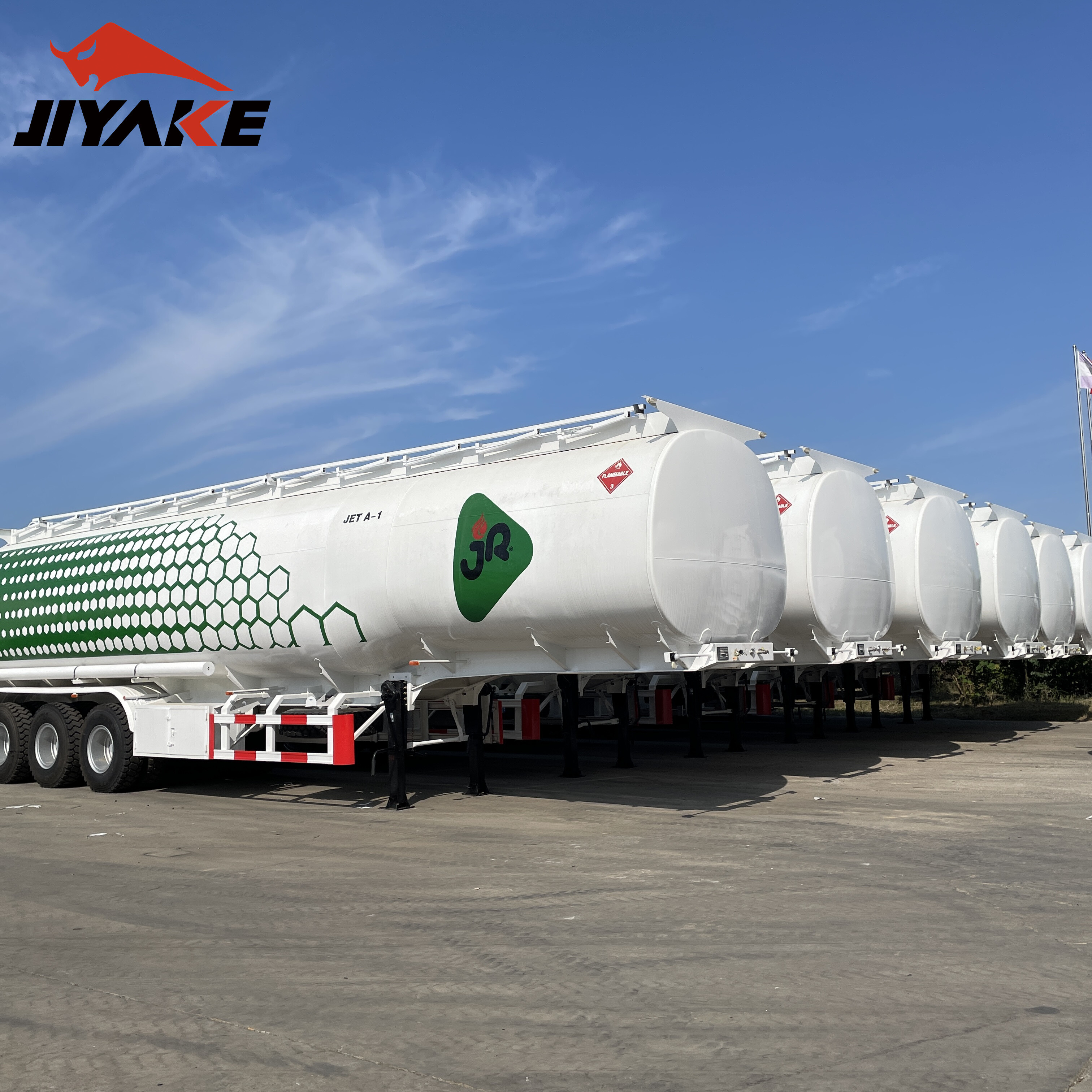
Tank trailers suit liquids, fuel, and specialized powders.
Tipper trailers improve unloading speed for sand, gravel, and construction material.
For cement and fly ash movement, a bulk powder semi-trailer often delivers better efficiency than bagged transport.
A practical example is the Cement Bulker Trailer.
It is designed for modern batching plants and large-scale construction projects.
Its pressurized pneumatic discharge supports fast, clean unloading directly into silos.
That saves labor time and reduces material loss during transfer.
Check Structural Strength and Key Specifications
A semi-trailer may look similar on the outside, yet perform very differently over years of use.
This is where materials and component selection become critical.
Look closely at frame steel, tank thickness, axle brand, suspension design, and braking capacity.
For bulk powder transport, sealed construction is especially important.
A robust tank body helps preserve product purity and limits waste on long routes.
One useful reference is a trailer with Q235A steel construction, 40 m3 effective volume, and 40 to 60 ton loading capacity.
Specifications like Fuwa 13-ton axles, leaf spring suspension, and a six-chamber braking system reflect heavy-duty intent.
Those details matter when the semi-trailer will run high mileage with full loads.
Consider Unloading Efficiency and Downtime Risk
Selection decisions often focus on payload, but unloading speed is just as important.
Slow unloading creates hidden costs across equipment, labor, and project timing.
For powder materials, pneumatic discharge is usually the better long-haul solution.
It offers cleaner transfer, lower contamination risk, and less manual handling.
Also check manhole layout, discharge valve size, pipe quality, and sealing reliability.
A 4-inch disc valve and 4-inch seamless steel discharge pipe can support smoother unloading performance.
This becomes even more valuable on projects where daily delivery windows are tight.
Look Beyond Purchase Price
A cheaper semi-trailer can become expensive very quickly.
Frequent repairs, early tire wear, weak welds, and poor braking all raise lifecycle cost.
The better question is simple.
Will this semi-trailer remain reliable after thousands of loaded kilometers?
- Compare tare weight against legal payload goals.
- Review spare parts access in your operating regions.
- Ask about welding processes and factory equipment.
- Confirm after-sales support for export markets.
- Match kingpin, landing gear, and tire setup to tractor compatibility.
Manufacturing capability is a useful signal here.
A producer with CNC cutting, automatic welding, and large-scale fabrication usually delivers more consistent build quality.
That consistency supports safer long-haul fleet performance over time.
Use a Practical Selection Checklist
Before final approval, use a short checklist to reduce decision risk.
- Define cargo type, density, and unloading method.
- Confirm route profile, climate, and road quality.
- Match trailer structure to payload and legal limits.
- Verify axles, brakes, suspension, and steel thickness.
- Estimate maintenance cost and expected service intervals.
- Check supplier experience in international delivery support.
For dry bulk operations, the second mention worth considering is the Cement Bulker Trailer.
With sealed tank construction and efficient unloading, it can help enhance logistics efficiency and reduce operational costs.
That makes it a practical option when bulk cement transport is a core project need.
Final Decision Guidance
The right semi-trailer is the one that fits the job, not just the budget sheet.
Strong structure, suitable capacity, reliable unloading, and dependable support should guide the final choice.
When evaluating long-haul cargo equipment, focus on daily performance, uptime, and lifecycle return.
That approach leads to a semi-trailer decision that supports safe transport, predictable delivery, and better project execution.
Leave A Reply

First class quality service and professional after-sales team.
Get in Touch
*We respect your confidentiality and all information are protected.