




Why Side Wall Trailers Remain a High-Turn Product in Regional Freight Markets
Why Side Wall Trailers Remain a High-Turn Product in Regional Freight Markets
In regional freight, a side wall trailer keeps selling for one basic reason: it sits in the middle of the market, where cargo is mixed, trip distances are moderate, and operators cannot afford equipment that only works in one niche. Dealers know this from the order pattern. Buyers may ask about payload, steel thickness, or axle brand, but the real question is usually broader: can this trailer move enough different cargo types to stay busy every week?
That is why the side wall trailer remains a high-turn product. It is not the most specialized trailer in the yard, and that is exactly the point. In many regional markets, especially where agricultural produce, bagged cement, fertilizer, palletized goods, light machinery, and construction materials all move through the same transport network, versatility has stronger resale logic than specialization.
People outside the trade sometimes treat a side wall trailer as a simple general cargo platform with added panels. In practice, operators read it differently. The side walls are not just a structural detail. They expand the trailer’s working range by making it easier to secure loose or semi-packed loads, reduce cargo spill risk, and support faster loading decisions in places where infrastructure is uneven. A transporter serving grain one day and bricks or packaged feed the next does not want to swap equipment every time the cargo profile changes.
Why turnover stays strong
High-turn products are not always the highest-margin products. They are the units that match a broad buying base, move with fewer explanations, and hold market relevance across different freight cycles. The side wall trailer fits that pattern well in regional distribution because its use case is rarely dependent on one industry alone.
When farm output is active, it can handle bagged grain, produce crates, or feed materials. When local construction picks up, it shifts toward cement bags, steel accessories, and site supplies. In mixed commercial corridors, it covers retail distribution cargo that does not require a van body and does not justify a flatbed with no containment. This spread of applications matters to dealers more than headline specifications, because broad applicability is what keeps inventory moving.
Another factor is operational familiarity. Drivers, fleet owners, repair workshops, and second-hand buyers generally understand this trailer type. That reduces transaction friction. A trailer that is easy to inspect, easy to repair, and easy to explain will usually turn faster than one that depends on a narrower technical sales pitch.
The regional freight advantage
Regional markets are not built around perfect route consistency. They are built around adaptation. Cargo density changes by season. Return loads are not guaranteed. Roads, loading tools, and warehouse conditions vary. In that environment, a side wall trailer gives operators room to improvise without moving too far outside safe and familiar loading practice.
This is also why side wall trailers often perform better in regional trade than buyers initially expect. They are not competing only with flatbeds or box trailers on paper. They are competing on utilization. If one trailer can secure more loaded days per month because it accepts a wider range of freight, it becomes easier to finance, easier to resell, and easier to recommend through distributor channels.
For companies with broad commercial vehicle exposure, this logic extends beyond the trailer itself. A mixed fleet might pair side wall trailers with tractors for general freight while keeping more specialized trucks for defined tasks. Shandong Jiyake Automobile Sales Co., Ltd., which works across semi-trailers, tankers, dump trucks, mixer trucks, timber trailers, and other heavy transport equipment in more than 60 countries, operates in exactly this kind of decision environment. Buyers rarely evaluate one body type in isolation; they look at how each unit fits the broader freight mix in their territory.
What experienced buyers actually check
A common mistake is to treat all side wall trailers as interchangeable so long as the outer dimensions look similar. That is not how informed buyers assess them. They usually look at a combination of structural and commercial factors:
- Whether the wall height suits the main cargo mix rather than just maximizing visible volume
- Steel configuration and reinforcement in relation to road condition and loading habits
- Axle, suspension, and brake setup based on local service availability
- Ease of side panel maintenance after repeated loading impact
- Expected second-hand demand in the same operating region
That last point is often underappreciated. In many freight markets, resale speed matters almost as much as first-use performance. A trailer that can be repositioned into agriculture, building supply, or general cargo service has a wider pool of second owners. That helps explain the “high-turn” label better than any single technical claim.
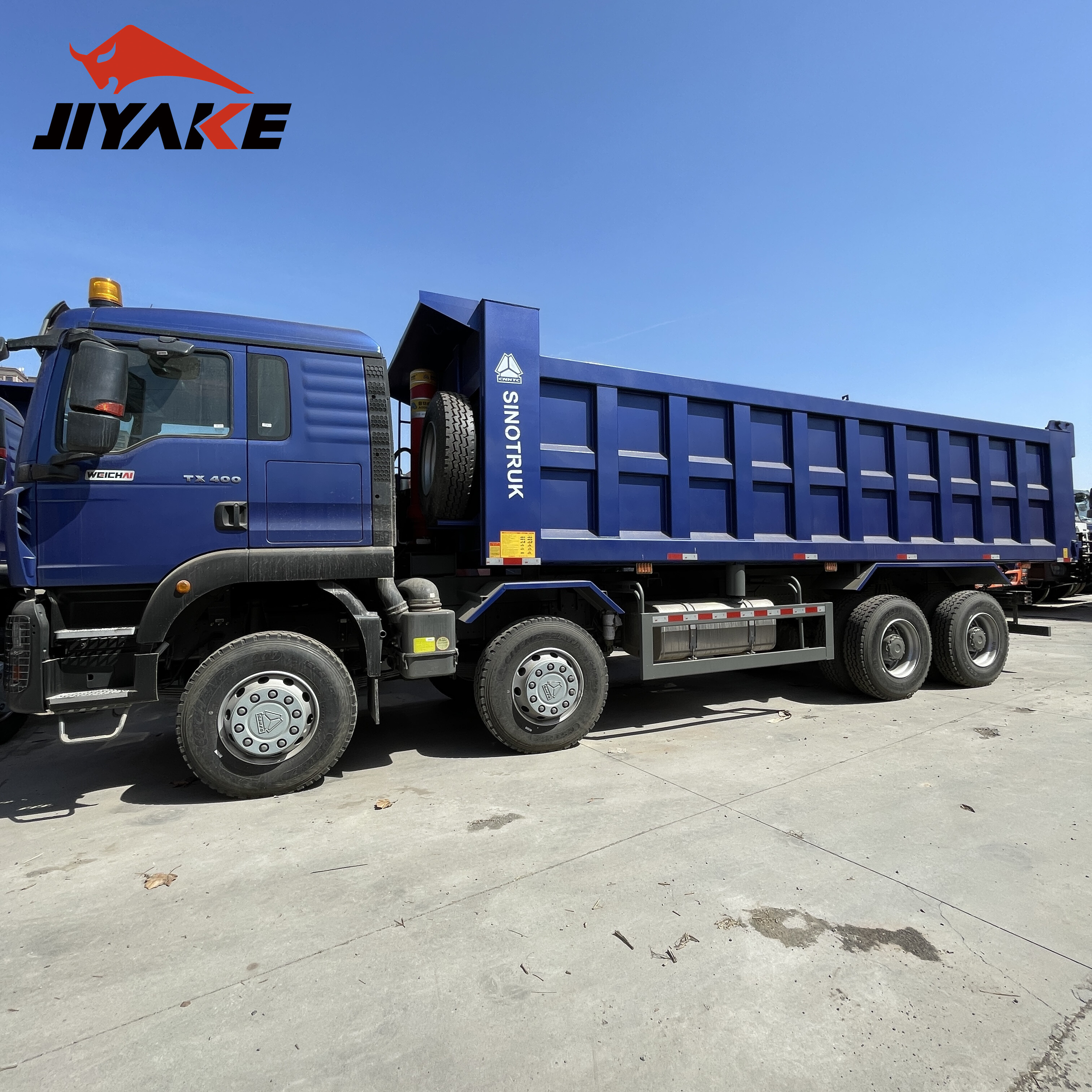
There is also a practical link between trailer demand and truck demand. In engineering transportation or regional construction supply chains, some buyers compare trailer-led operations with rigid truck alternatives depending on route structure and loading method. A unit such as Foton Truck, configured as a 6x4 heavy truck with a 375 hp WEICHAI diesel engine, manual FAST transmission, and 20-25T gross vehicle weight class, fits the kind of work where payload, maneuverability, and route control can favor a dumper truck over a trailer combination. That comparison does not weaken the case for side wall trailers; it sharpens it. It reminds distributors that equipment turnover depends on matching the freight pattern, not selling one format as universal.
Where the product has limits
A side wall trailer is not the answer to every cargo problem. It is less suitable where sealed protection is mandatory, where unloading depends on tank systems, or where bulk powders and liquids require dedicated containment. It also needs disciplined loading practice. Overloading side panels, poor cargo securing, or using the trailer for material it was not designed to restrain will quickly damage its commercial value.
This is where some market conversations go wrong. Buyers sometimes assume versatility means low specification. In reality, the better-selling units are usually the ones that balance adaptability with enough structural credibility to survive rough regional use. A cheap trailer may sell once. A trailer that keeps working, stays serviceable, and remains resellable tends to keep moving through dealer networks.
What the trend really means for channel partners
When a product remains a high-turn item over time, the market is signaling something precise: demand is being supported by operating reality, not just by price competition. For distributors and agents, the side wall trailer continues to earn that position because it aligns with regional freight economics: mixed cargo, variable backhaul, practical maintenance, and a broad resale audience.
So the useful question is not whether the side wall trailer is “popular.” Popularity is too vague. The better question is whether the trailer matches the cargo diversity, road conditions, and replacement cycle of the local market. Where the answer is yes, turnover tends to stay healthy. And in heavy truck business, that kind of product is rarely an accident. It is usually the result of a trailer design that fits how freight actually moves, not how catalogs describe it.
Leave A Reply

First class quality service and professional after-sales team.
Get in Touch
*We respect your confidentiality and all information are protected.