





How to Choose the Right Fuel Tanker Trailer for Your Transport Business
Key Factors to Consider When Choosing a Fuel Tanker Trailer
Selecting the optimal fuel tanker trailer requires careful evaluation of operational requirements, safety standards, and long-term cost efficiency. As a transport business owner or fleet manager, you need to balance payload capacity, material durability, and regulatory compliance to ensure seamless fuel transportation.
1. Capacity and Configuration Options
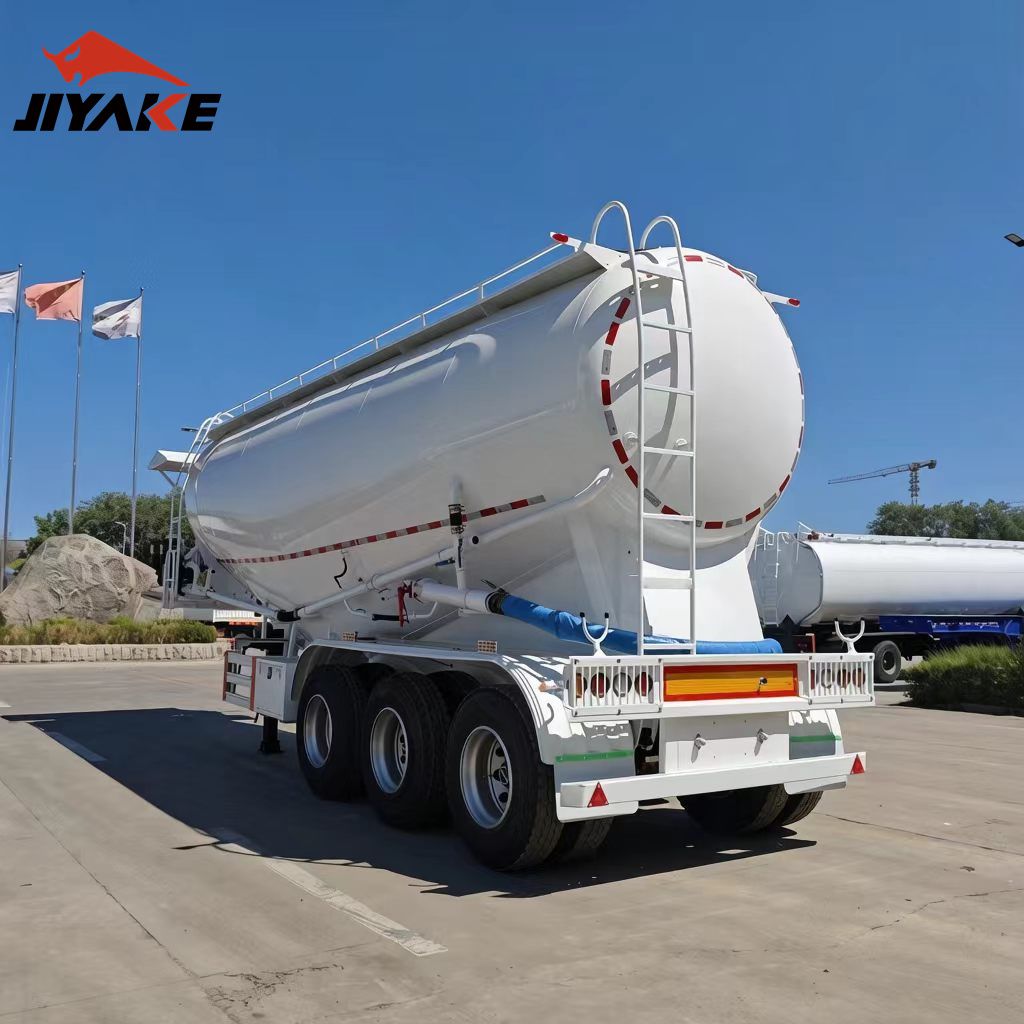
Fuel tanker trailers typically range from 5,000 to 11,000 gallons (19,000-42,000 liters) in capacity. Your choice should align with:
- Average daily transport volume
- Route restrictions (bridge weight limits, road regulations)
- Loading/unloading infrastructure at depots
Modern tankers feature compartmentalized designs with 2-5 separate tanks, allowing simultaneous transport of different fuel grades. This configuration improves efficiency by 15-20% compared to single-compartment units.
Material Selection and Construction Standards
The tanker's material composition directly impacts durability, maintenance costs, and product integrity. High-quality Parts for the braking system and chassis are equally critical for safe operation.
2. Tank Material Comparison
Our manufacturing facility utilizes CNC-cut steel plates and automatic welding machines to ensure precise tank construction with ≤0.3mm seam tolerances. This precision reduces stress points that could lead to fatigue cracks.
Safety Features and Regulatory Compliance
Fuel transport involves handling hazardous materials, making safety systems non-negotiable. Key components include:
- Rollover protection valves (RPVs) meeting API 650 standards
- Grounding systems with ≤10 ohm resistance
- Emergency shutoff valves within 15 feet of tank ends
- Vapor recovery systems for environmental compliance
3. Regional Certification Requirements
Different markets enforce specific regulations for fuel tankers:
- Europe: ADR 2019 certification with orange hazard panels
- North America: DOT 406 specifications with rear impact guards
- Middle East: API 12F compliance for desert operations
- Africa: SABS 0228 standards for tropical conditions
Operational Efficiency Considerations
Beyond basic specifications, smart features can significantly impact your bottom line:
4. Loading/Unloading Technology
Modern tankers offer various pumping configurations:
- Top-loading systems: 100-150 GPM flow rates
- Bottom-loading systems: 200-300 GPM with vapor recovery
- Hybrid systems: Combine both methods for flexibility
For Sinotruk HOWO tractors, specialized Parts ensure compatibility between the truck and trailer systems, reducing maintenance downtime by 20-30%.
5. Maintenance and Service Life
Proper maintenance extends tanker lifespan by 3-5 years:
- Quarterly ultrasonic thickness testing
- Annual valve and seal inspections
- Biannual pressure testing (5-7 PSI)
- Regular chassis lubrication (every 15,000 km)
Making the Right Investment Decision
When evaluating fuel tanker trailers, consider these final recommendations:
- Request material certificates (MTC) for all steel components
- Verify welding procedure qualifications (WPQ)
- Test all safety systems before acceptance
- Confirm spare parts availability for critical components
- Review manufacturer's corrosion warranty (typically 3-5 years)
With 500 skilled workers and 300,000m² production facilities, our company delivers customized fuel tankers with 7-15 day lead times, backed by flexible payment options and global shipping solutions.
Contact our engineering team today to discuss your specific fuel transport requirements and receive a tailored solution that maximizes safety, efficiency, and return on investment.
Leave A Reply

First class quality service and professional after-sales team.
Get in Touch
*We respect your confidentiality and all information are protected.