





How to Assess a Cement Bulker Trailer Manufacturer for Reliable Delivery
How to Assess a Cement Bulker Trailer Manufacturer for Reliable Delivery
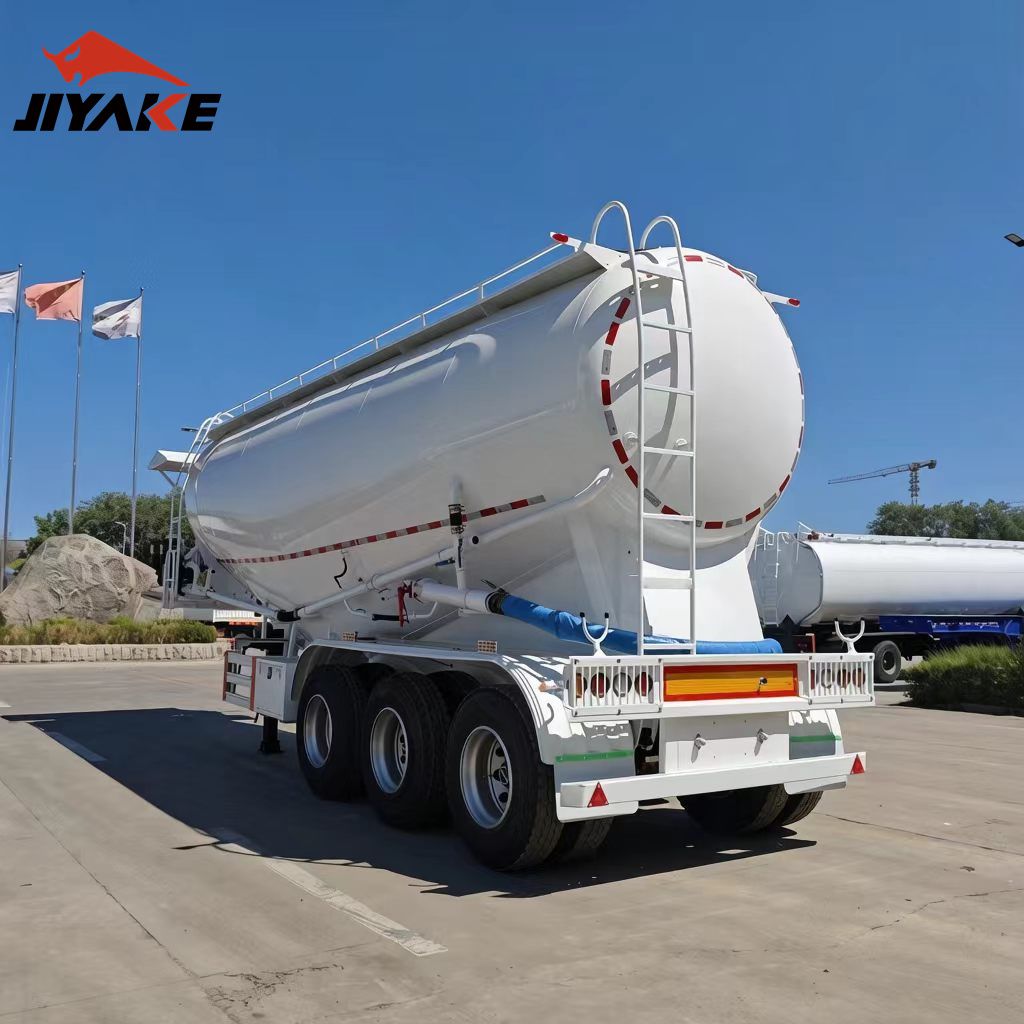
Choosing a reliable Cement Bulker Trailer Manufacturer is essential for procurement teams seeking consistent delivery, durable equipment, and long-term operating value across demanding construction supply chains.
Beyond the quoted price, buyers should assess production capacity, quality systems, engineering capability, export experience, delivery planning, and after-sales support before issuing a purchase order.
The core search intent is practical supplier qualification: procurement professionals want to identify manufacturers that can deliver compliant bulk cement trailers on schedule without creating operational risks later.
Start With Delivery Capability, Not the Lowest Quotation
A low trailer price has little value when delivery delays disrupt cement distribution, construction schedules, vehicle deployment plans, or customer commitments in regional transport markets.
Ask the Cement Bulker Trailer Manufacturer for a documented production schedule covering material procurement, tank fabrication, axle installation, pressure testing, painting, inspection, and shipment preparation.
A credible schedule identifies critical milestones, responsible departments, estimated completion dates, and possible bottlenecks instead of offering only a broad promise such as “delivery within 30 days.”
Buyers should also distinguish between normal lead time and actual available capacity. A factory may quote quickly while already carrying several large orders.
Request the manufacturer’s monthly output figures for similar pneumatic bulk trailers, including the number of units currently in production and the number awaiting shipment.
This information helps procurement teams determine whether the proposed completion date is based on realistic workshop capacity or optimistic sales assumptions.
Reliable suppliers can usually explain how they sequence orders, reserve key materials, manage supplier delays, and prioritize export projects requiring specific shipping windows.
It is also important to confirm whether the quoted delivery period begins after deposit receipt, drawing approval, technical confirmation, or completion of all export documentation.
Ambiguous starting points often cause preventable disputes. Purchase contracts should define the delivery clock clearly and state the remedies available when agreed milestones are missed.
Verify Manufacturing Resources Behind the Sales Promise
Production equipment does not guarantee quality alone, but it strongly affects consistency, throughput, and the manufacturer’s ability to control critical fabrication stages internally.
For cement bulker trailers, inspect whether the factory has CNC cutting equipment, automatic welding stations, large bending machines, tank rolling equipment, and dedicated pressure-testing facilities.
Internal control of these processes reduces dependence on subcontractors, improves traceability, and makes it easier for the manufacturer to respond when specifications change during production.
Procurement teams should ask which components are fabricated in-house and which are sourced externally, especially tank shells, air compressors, axles, suspension assemblies, valves, and landing gear.
Outsourced parts are not automatically a concern. The real issue is whether suppliers are approved, consistently available, and supported by documented incoming inspection procedures.
A capable factory can provide workshop photographs, equipment lists, production-flow diagrams, and live video inspections that show actual operations rather than isolated promotional displays.
Factory scale also matters when assessing resilience. Larger facilities with organized production lines may be better positioned to handle multiple export orders and unexpected rework requirements.
However, buyers should evaluate organization rather than land area alone. Clean work zones, labeled materials, controlled storage, and visible inspection stations often reveal stronger operational discipline.
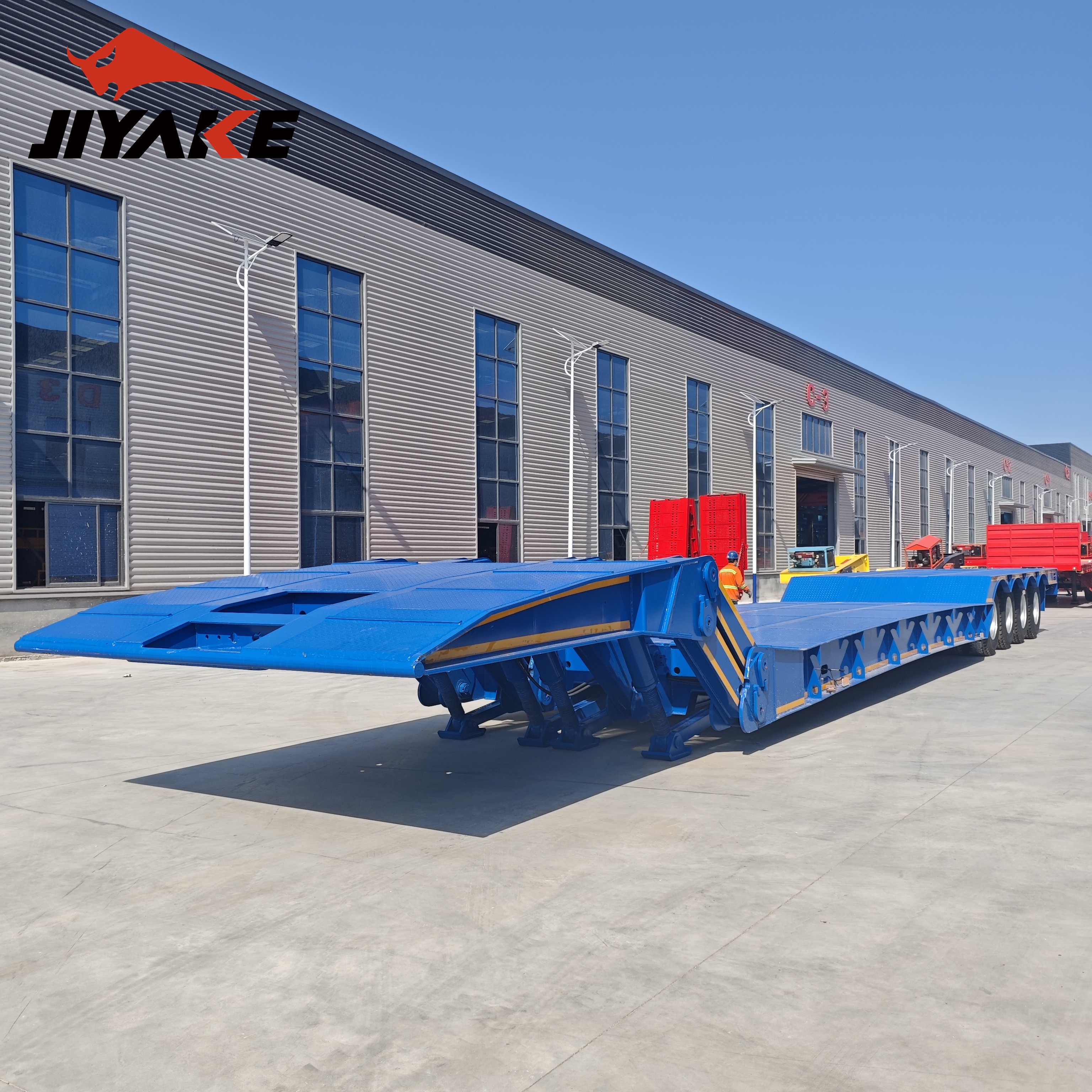
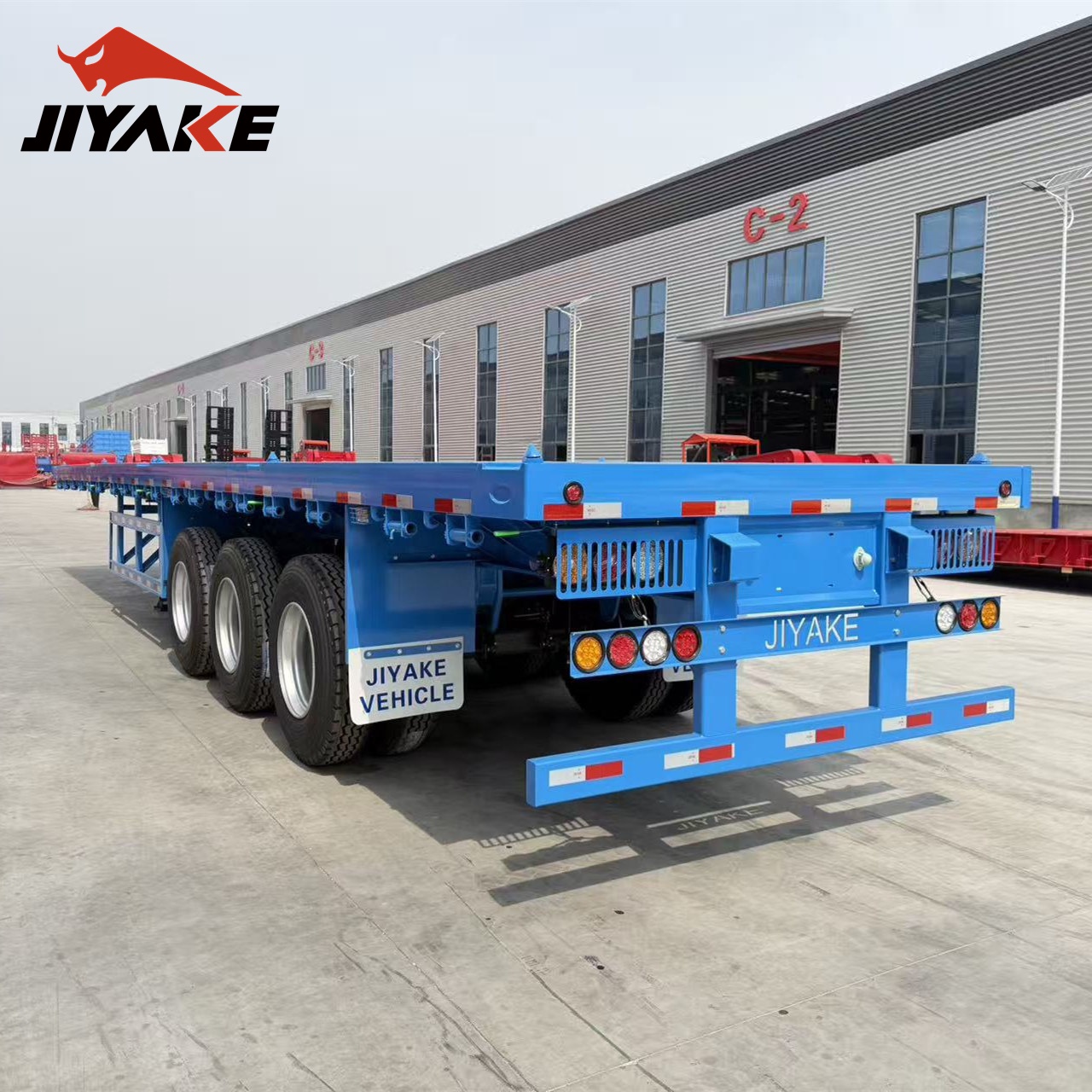
Shandong Jiyake Automobile Sales Co., Ltd., for example, combines vehicle production, trade, and fittings capabilities within a large manufacturing operation serving international heavy-truck markets.
Examine Tank Design for Real Operating Conditions
A bulk cement trailer is a pressurized transport asset, so procurement evaluation must go beyond external appearance and focus on tank structure, unloading efficiency, and operating safety.
Start by confirming the required tank volume, rated payload, working pressure, design pressure, compartment arrangement, discharge configuration, and compatibility with local legal weight restrictions.
These specifications should reflect actual material density and route conditions. Cement, fly ash, lime powder, and mineral powders may require different loading and discharge assumptions.
Ask for engineering drawings that show tank diameter, shell thickness, head design, internal fluidization layout, manhole position, pipe routing, and reinforcement details.
The manufacturer should explain how the tank design prevents powder bridging, improves aeration, limits residual material, and supports stable discharge at the destination silo.
Air-system design deserves particular attention. Confirm compressor brand, air-delivery capacity, pressure rating, cooling method, safety-valve configuration, and availability of replacement components in your market.
An undersized or unreliable compressor can create long unloading times, missed deliveries, unnecessary fuel use, and severe operational frustration for drivers and dispatchers.
Also review valve access, pipe protection, ladder arrangement, platform anti-slip treatment, rear discharge controls, and emergency pressure-release arrangements before approving the final design.
Practical maintainability matters. Components that are difficult to inspect or replace may increase downtime even when the trailer initially performs well.
Make Quality Control Measurable and Contractual
Quality claims should be converted into inspection points that can be witnessed, recorded, and accepted before final payment or shipment authorization.
Ask the Cement Bulker Trailer Manufacturer for its inspection and test plan. It should identify checks for raw materials, dimensions, welds, pressure integrity, paint thickness, and roadworthiness.
Tank welding requires especially careful review because welding defects can affect pressure safety, fatigue life, corrosion resistance, and the trailer’s long-term reliability.
Request welding procedure documentation, welder qualifications, and the method used to inspect critical seams. Depending on requirements, this may include visual, penetrant, ultrasonic, or radiographic testing.
Pressure testing should be documented with the test medium, target pressure, holding period, gauge calibration status, test result, and inspector signature.
Do not accept generic certificates without clear linkage to the individual trailer. The chassis number, tank serial number, and production date should appear in relevant inspection records.
Paint quality is another overlooked purchasing factor. Export trailers may face coastal storage, humid climates, abrasive roads, and frequent washing after material transport.
Confirm surface-preparation requirements, primer type, coating system, dry-film thickness, curing conditions, and whether requested colors are available under the quoted lead time.
A pre-shipment inspection should include dimensions, accessory quantities, tire specifications, brake connections, lighting function, marking requirements, and all contract-specific options.
Check Compliance With Your Market and Transport Rules
Compliance requirements vary widely by destination. A trailer that is technically sound may still be unusable if its dimensions, braking system, lighting, tires, or documents fail local registration requirements.
Provide the manufacturer with destination-country requirements before production begins, including road limits, axle-load rules, connection standards, certification needs, and customs documentation expectations.
Experienced exporters will ask clarifying questions rather than simply agreeing to every specification. That behavior often indicates a better understanding of project risk.
Confirm the suitability of axle and suspension configuration for local roads. Consider axle ratings, leaf spring capacity, air suspension requirements, brake type, and spare-parts availability.
For rough infrastructure or high-load operations, reinforced chassis design may be more valuable than minor savings on standard components with limited durability margins.
Procurement teams buying mixed fleets can also assess related equipment such as a Shacman Dump Truck for construction, mining, and heavy-haul logistics applications.
A coordinated equipment strategy can simplify parts planning, fleet maintenance, driver familiarization, and supplier communication across a broader construction-material transport operation.
Still, each vehicle category should be evaluated against its own duty cycle. Cement bulkers require pressure-system expertise that differs from conventional tipper or general cargo trailer manufacturing.
Assess Export Experience and Shipment Control
Reliable delivery includes more than factory completion. The manufacturer must prepare equipment, documents, packaging, and port arrangements accurately enough to avoid shipment delays.
Ask how many trailers the supplier has exported to your region and whether it has handled similar vehicle configurations, transport routes, and customs procedures.
Export experience is valuable when suppliers understand container loading limits, breakbulk arrangements, roll-on roll-off options, port documentation, and destination clearance requirements.
Request a shipping plan that states the proposed Incoterm, loading location, estimated vessel schedule, cargo securing method, insurance responsibilities, and original document delivery process.
For larger trailers, confirm whether shipment will be by bulk vessel, deck cargo, or other specialized method. Each option affects cost, transit risk, and delivery timing.
Photographs of cargo securing are useful evidence. Loose accessories, inadequately protected pipes, or poorly secured landing gear can result in avoidable damage during ocean transport.
Documentation should normally include commercial invoice, packing list, bill of lading, certificate of origin where applicable, inspection records, and technical manuals.
Before payment, verify that document wording matches the purchase contract, consignee details, chassis identifiers, and banking requirements. Small errors can delay customs clearance substantially.
Evaluate Service Support Before the Trailer Enters Operation
After-sales service is most valuable when it is planned before shipment. Procurement teams should know who will answer technical questions and supply critical parts after delivery.
Ask for a written warranty that defines coverage periods, excluded wear items, claim procedures, response times, and the evidence needed to support a defect claim.
Strong suppliers provide operating manuals, maintenance schedules, pneumatic diagrams, electrical diagrams, spare-parts lists, and remote technical guidance in a usable language.
Review the recommended commissioning process. Drivers and maintenance personnel need instruction on pressure limits, unloading procedures, daily checks, safe depressurization, and fault identification.
For remote markets, negotiate an initial spare-parts package containing common valves, seals, gauges, hoses, electrical items, brake components, and other high-consumption service parts.
It is reasonable to ask whether the supplier has local partners, regional stock, or past customers who can provide references regarding response quality and parts availability.
Do not judge service only by broad commitments. Request named contacts, communication channels, escalation procedures, and typical response times for urgent technical issues.
The goal is to reduce operating downtime. A trailer can be structurally excellent yet become commercially costly when a small unavailable component immobilizes it for weeks.
Use a Procurement Scorecard Before Selecting the Supplier
A formal scorecard prevents purchasing decisions from being dominated by price, persuasive sales communication, or incomplete comparisons between different trailer specifications.
Assign weighted scores to delivery capacity, technical conformity, quality assurance, export competence, price transparency, service support, financial terms, and reference quality.
For high-value fleet orders, production and quality capability should normally receive more weight than small differences in the initial unit price.
Include a separate risk column for every supplier. Record concerns such as unclear drawings, unverified pressure tests, short delivery promises, missing certificates, or limited export evidence.
Compare quotations on a like-for-like basis. Confirm whether each offer includes compressor, spare tire, tool kit, paint system, certification, shipping preparation, and requested accessories.
When possible, conduct a factory audit or appoint an independent inspection agency. A pre-production review can identify specification gaps before material cutting begins.
Use the contract to lock approved drawings, major component brands, inspection rights, delivery dates, warranty terms, payment stages, and procedures for managing approved changes.
This process gives procurement teams a defensible decision record while improving the probability that the selected Cement Bulker Trailer Manufacturer will meet operational expectations.
Conclusion: Choose Proven Execution Over Attractive Promises
The best supplier is not necessarily the one offering the lowest quote or fastest verbal commitment. It is the manufacturer that can prove controlled execution across production, testing, export, and support.
Procurement teams should verify capacity, inspect technical details, require traceable quality records, confirm destination compliance, and establish realistic contractual delivery milestones before placing an order.
When these factors are evaluated systematically, buyers can reduce delivery risk, protect fleet uptime, and secure bulk cement trailers that create dependable long-term transport value.
Leave A Reply

First class quality service and professional after-sales team.
Get in Touch
*We respect your confidentiality and all information are protected.