




How new and used fuel tanker trailer prices compare for fleet growth
The lower purchase price of a used fuel tanker trailer can look compelling during fleet expansion, but it is not automatically the lower-cost choice. The decision turns on whether the trailer’s remaining service life, compliance status, tank condition, and maintenance burden can support the planned operating profile without creating downtime or liability exposure. A new unit requires more capital at the outset, yet it provides a known specification, documented manufacture, and a more predictable starting point for lifecycle planning.
For growth decisions, the most useful comparison is not simply new versus used purchase price. It is the cost and risk of putting an additional compliant, dispatchable tanker into service over the period the fleet expects to operate it. A trailer bought cheaply but held off the road for inspection failures, valve repairs, tank work, or documentation gaps can cost more than its invoice suggests.
Why the price gap is only the starting point
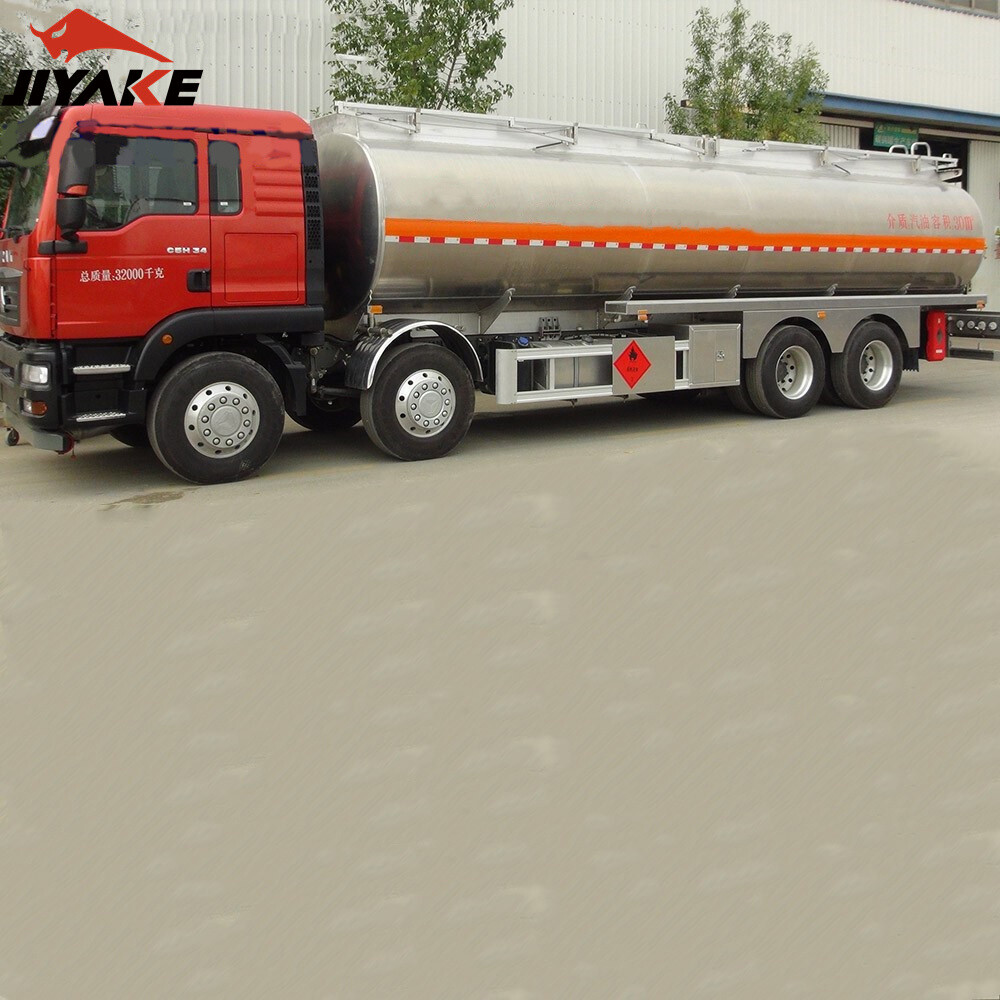
Fuel Tanker Trailer Price is influenced by capacity, tank material, axle configuration, compartment layout, discharge equipment, safety hardware, and the regulations of the destination market. Two trailers with the same nominal volume may have very different values if one has corrosion-resistant construction, a current inspection record, vapor-recovery provisions, emergency shut-off equipment, or a configuration accepted by the intended operator and authority.
New trailers are priced around a defined build specification. The buyer can establish tank volume, number of compartments, manhole and valve arrangements, braking equipment, tire specification, ladder and walkway design, electrical system, and required documentation before production. This matters when a fleet is adding a standardized operating lane rather than merely adding capacity. Standardization reduces the variety of spare parts, maintenance procedures, driver familiarization requirements, and inspection routines across the fleet.
Used trailers trade at a discount because their condition is not uniform. Age alone does not determine value. A carefully maintained tanker with complete records, suitable construction, and a compatible configuration may be operationally stronger than a newer unit that has seen poorly documented service. Conversely, an attractive asking price can conceal tank corrosion, worn suspension components, damaged wiring, leaking valves, compromised coatings, or an unsuitable previous cargo history.
The tank itself determines much of the economic risk
A fuel tanker is not a conventional dry-freight trailer with a box or platform that can be evaluated largely from visible structural condition. The tank, internal compartments, welds, piping, valves, and safety devices are integral to both revenue generation and risk control. Repairing or replacing these components may require specialized work, pressure testing, inspection, and recertification. Those costs can quickly narrow the gap between new and used equipment.
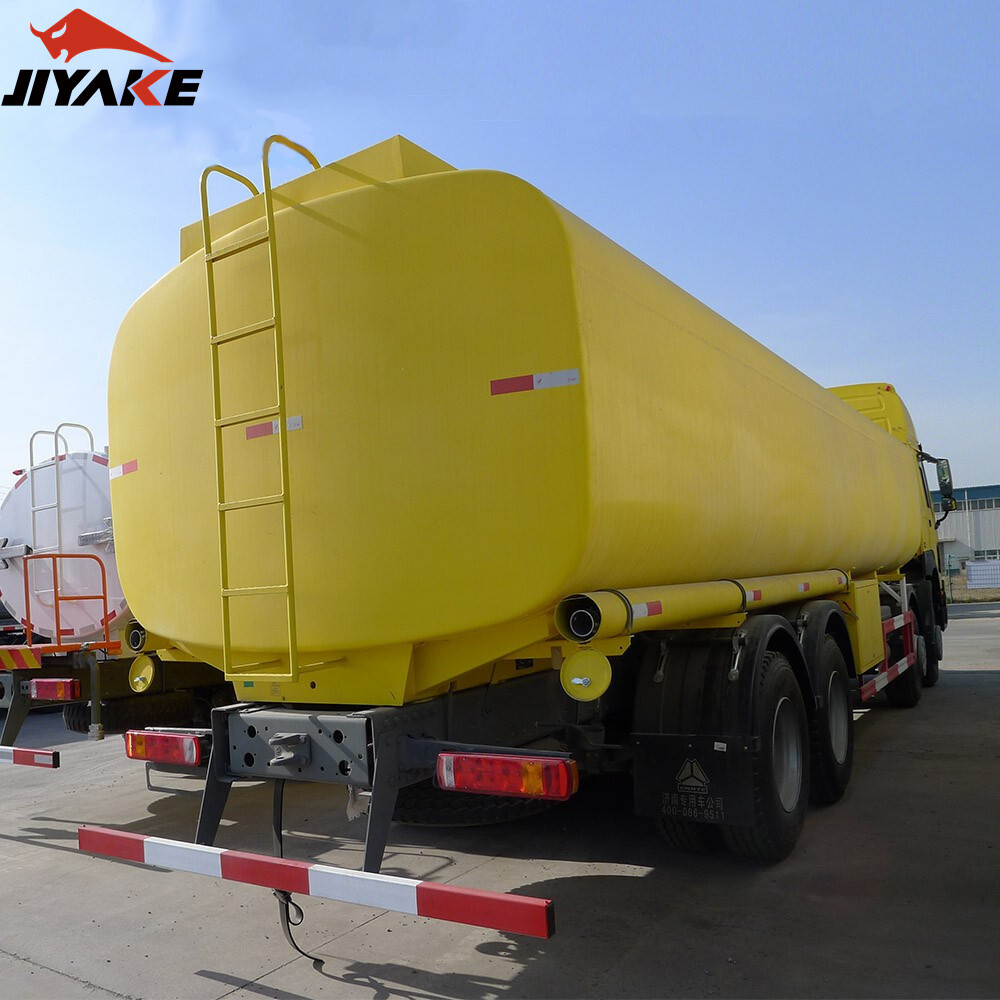
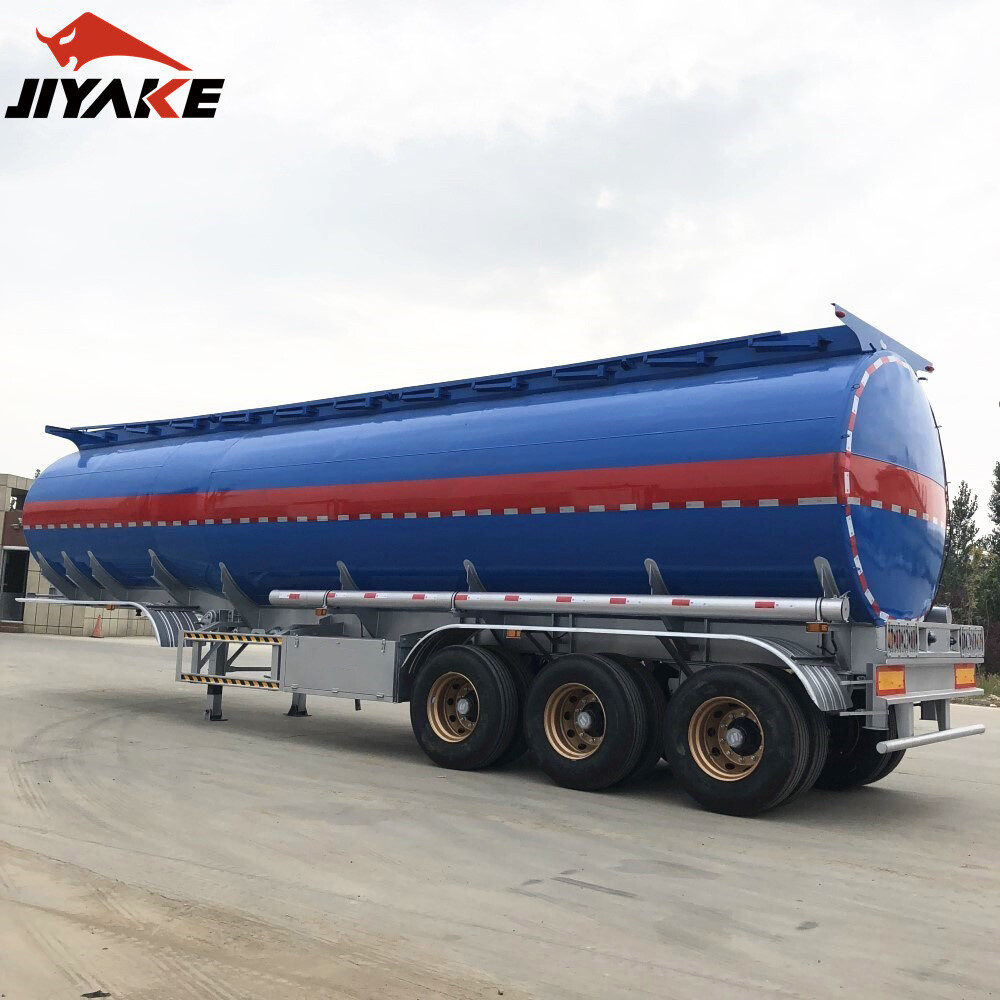
Material choice needs to be examined in relation to fuel type, road conditions, local repair capability, and payload objectives. Aluminum tankers can offer weight advantages, while steel constructions may be preferred where durability, repair practices, or operating conditions support that choice. Neither material is universally superior. The key question is whether the tank’s material, thickness, repair history, and external protection match the fleet’s route environment and compliance requirements.
Internal condition deserves equal attention. A buyer should establish what the tanker has carried, whether it has been cleaned and documented appropriately, and whether the intended fuel service is compatible with that history. Cross-contamination concerns, residue, or undocumented previous use can create operational and contractual problems even if the exterior appears sound.
New equipment buys specification control; used equipment demands verification
A new tanker is most defensible when growth depends on a particular operating design: multi-drop distribution, segregated products, high daily utilization, demanding terrain, or a customer contract with defined safety and documentation conditions. The buyer can make technical decisions before delivery rather than adapting a second-hand configuration afterward. This is particularly valuable where compartment volumes must match typical order sizes, loading terminals impose equipment requirements, or the fleet needs a uniform unloading interface.
Used equipment can be suitable when fleet demand is immediate, capital is constrained, the duty cycle is moderate, and a qualified inspection can establish that the trailer has sufficient usable life. It can also work for temporary capacity, backup equipment, or routes where the operating specification is simple and already aligned with the available trailer.
The practical distinction is that new equipment shifts more uncertainty to the manufacturer before handover, while used equipment leaves more verification work with the buyer. That verification should not be limited to a visual walk-around. It should cover:
- tank identification, capacity, compartment configuration, and permitted service;
- manufacturing records, inspection reports, repair history, and ownership documentation;
- tank shell, weld areas, supports, baffles, manholes, piping, valves, seals, and vents;
- axles, suspension, brakes, tires, electrical connections, lights, landing gear, and chassis condition;
- evidence of leakage, unauthorized modifications, collision repair, corrosion, or coating failure; and
- compatibility with local road, hazardous-goods, vehicle-registration, and terminal-entry requirements.
If these items cannot be verified, the correct comparison is not between a low used price and a higher new price. It is between a known asset and an asset with an unquantified technical and compliance liability.
Compliance can change the value of a used tanker overnight
Fuel transportation is governed by requirements that vary by jurisdiction and by domestic or cross-border route. A tanker that was lawful in its previous market may need modifications, fresh inspections, different markings, or further approval before it can enter service elsewhere. The cost is not limited to hardware. Time spent obtaining records, completing inspections, or resolving registration questions can delay revenue generation.
Buyers should separate “has a certificate” from “is acceptable for the intended service.” Certificates have scope, issue dates, issuing bodies, and links to the trailer’s identification details. A document should be reviewed alongside the physical asset, not treated as a substitute for inspection. Where hazardous-goods rules apply, confirmation from the relevant local authority, approved inspection body, insurer, and loading terminal may be necessary before a purchase decision is finalized.
This is also why a trailer imported across borders should be evaluated as an entire compliance package: chassis identity, tank data, required markings, safety systems, spare-part availability, and documentation language all affect deployment. A lower purchase price is of limited value if the trailer remains unusable while approval issues are resolved.
Calculate delivered operating cost, not acquisition cost
A disciplined comparison should include the cash needed to place each option into productive operation. For a new trailer, this includes purchase price, freight, duties where applicable, registration, insurance, commissioning, and any specified options. For a used trailer, add inspection, transport, immediate repairs, tires or brake work, cleaning, recertification, modifications, documentation recovery, and a contingency for defects discovered after delivery.
Then test the assets against the fleet plan. A new tanker may be expected to operate for a longer planned horizon with fewer early corrective interventions. A used tanker may produce an acceptable return if its purchase discount is large enough, its condition is demonstrably sound, and its utilization assumptions account for maintenance. The right model is based on expected available operating days, not simply years of ownership.
Residual value should be treated cautiously. A standard, well-documented, properly maintained tanker with common components is generally easier to remarket than a specialized, heavily modified, or poorly documented unit. However, resale expectations should not justify purchasing equipment that does not fit current work. The asset must first earn reliably in its intended service.
Tractor compatibility is part of the tanker decision
Trailer cost cannot be isolated from the tractor unit that will pull it. Gross combination limits, fifth-wheel load, braking integration, electrical connections, tire ratings, route gradients, and expected average speed all influence whether the combination can operate safely and efficiently. A tanker selected near the tractor’s practical limits may restrict payload flexibility or increase drivetrain and brake wear under difficult operating conditions.
For example, a 6x4 Tractor Truck with a 380 hp diesel engine, 40-ton rated hauling capacity, radial tires, and service, parking, and auxiliary braking systems may be appropriate for certain long-distance tanker operations, subject to local weight laws and the final trailer configuration. Its value in the evaluation is not the headline horsepower alone; it is whether the tractor-trailer combination matches legal weights, terrain, maintenance capability, and safety requirements.
Where each option makes commercial sense
New tanker trailers are generally the stronger choice when the fleet is entering a regulated fuel segment, signing longer-term transport commitments, expanding into routes with demanding utilization, or seeking common specifications across a growing asset base. The higher capital outlay is easier to justify when downtime, customer assurance, and compliance reliability have material commercial consequences.
Used tanker trailers can be rational where service demand is uncertain, capacity is needed quickly, the purchase is supported by thorough technical and documentary due diligence, and the unit can be maintained within the fleet’s existing capability. The discount must be sufficient to cover the risk retained by the buyer. A used tanker without traceable condition and compliance evidence is not a low-cost fleet-growth tool; it is a potential interruption to operations.
The soundest decision is therefore based on required service availability, not on the lowest displayed price. New equipment offers control and predictability. Used equipment can preserve capital, but only when its condition, legal usability, and remaining economic life are established with enough confidence to support the planned expansion.
Leave A Reply

First class quality service and professional after-sales team.
Get in Touch
*We respect your confidentiality and all information are protected.