




Recent Posts
 Thailand Clients Visit JIYAKE to Inspect Brand-New Semi-Trailers and Reach Cooperation AgreementNov 21, 2026
 Guinea Clients Visit JIYAKE to Inspect Brand-New SINOTRUK Vehicles and Reach Strategic CooperationNov 21, 2026
 How to spot corrosion on a used fence cargo trailerOct 30, 2026


How to spot corrosion on a used fence cargo trailer
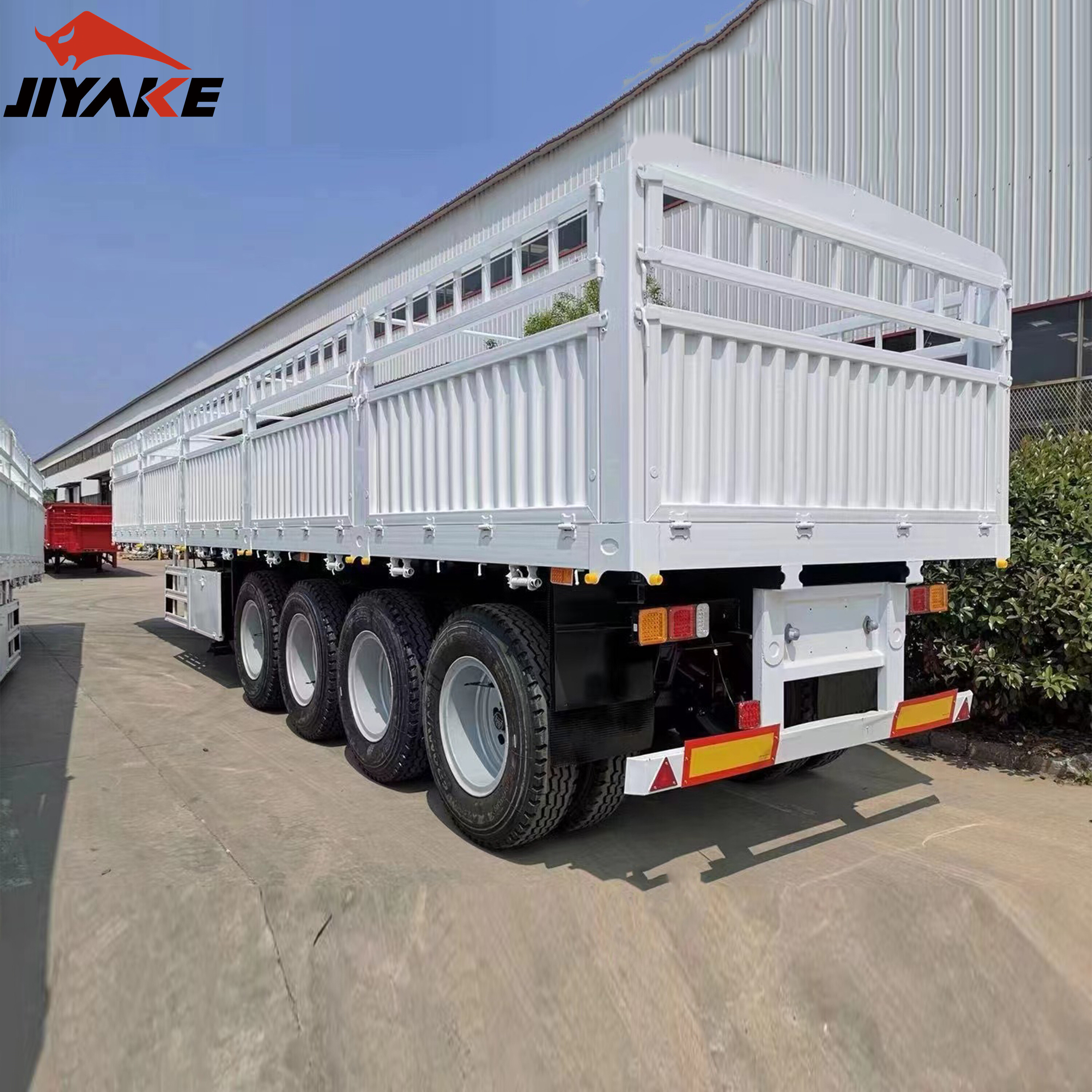
A clean paint finish tells you very little about the condition of a used fence cargo trailer. The inspection should focus first on the main frame, suspension attachments and other load-bearing areas: corrosion there can turn an inexpensive purchase into a substantial repair or make the trailer unsuitable for resale. Rust on a removable fence panel may be easier to manage, but its repair cost still belongs in the purchase calculation.
Before committing to a Fence Cargo Trailer for sale, inspect it from underneath as well as from the sides and deck. Look for metal loss, swelling around joints, cracked coatings and repairs that obscure the original structure. Where access is limited or the extent of damage is unclear, a qualified trailer inspector should assess the affected area before you agree on a price.
Start with the frame and suspension attachments
The main beams carry the trailer’s load, so examine their full accessible length, including the lower flanges, webs and areas around crossmember connections. Pay particular attention to places where mud and moisture can remain against the steel. Use a strong light and view each area from more than one angle; corrosion on the underside can be easy to miss from beside the trailer.
Surface discoloration alone does not establish that a beam has lost significant strength. More concerning signs include thick flakes, deep pitting, holes, deformation and edges that have become visibly thinner or irregular. Rust staining emerging from a seam can also indicate deterioration between overlapping pieces, where a visual inspection cannot show the full extent.
Check suspension hangers, spring brackets and their connections to the frame. These areas experience repeated loads, making corrosion around their welds and mounting points especially important. Look for cracked welds, distorted brackets, missing fasteners and rust expanding from beneath reinforcement plates. Inspect the axle area and braking components for corrosion too, but have a qualified technician assess their serviceability; appearance alone cannot establish whether a braking system is safe.
Do not crawl beneath an unsupported or unstable trailer. It should be parked on firm, level ground, secured against movement and supported using suitable equipment wherever inspection or repair requires it. Avoid relying on a seller’s temporary support arrangements without checking that they are appropriate.
Follow the path water takes through the deck and fence
Fence cargo trailers have many joints where water and cargo residue can collect. Inspect the lower ends of fence posts, panel joints, hinges, latches and the points where the fence attaches to the deck. Open and close gates where it is safe to do so. A stiff latch may have a simple cause, but a post that moves at its base or a hinge surrounded by swollen, flaking steel deserves closer attention.
On the deck, check the edges, corners and areas beneath removable fittings. Walk the floor only when it is safe, watching for unusual movement underfoot. Soft spots, raised sections or corrosion around fasteners may indicate damage to the deck or the supporting crossmembers below. A sound-looking upper surface can conceal deterioration underneath, particularly where repairs have covered an older floor.
Cargo history helps direct the inspection. Trailers exposed to wet agricultural loads, fertilizer, road salt or coastal conditions may have corrosion in places that are difficult to wash and dry. Ask what the trailer carried and how it was cleaned, but treat the answer as a reason to inspect particular areas, not as proof that the rest of the trailer is sound.
Fence panels and gates can sometimes be repaired or replaced without extensive chassis work. Check, however, whether suitable parts are available, whether the mounting points remain sound and whether the finished trailer will meet the buyer’s load-restraint needs. Replacing a panel does not solve corrosion in the post or frame supporting it.
Distinguish a cleaned surface from a sound repair
Fresh undercoating or paint is not automatically suspicious. It may reflect routine refurbishment. It can also make it difficult to judge whether loose scale was removed, whether damaged steel was repaired and what condition lies beneath the coating. Look for inconsistent coating thickness, bubbling, rough patches and paint applied over active flaking.
Previous welding deserves a close look, especially on main beams, suspension brackets and crossmember connections. Ask for repair records showing what was damaged, what was replaced and who performed the work. A neat-looking weld or a newly fitted plate does not, by itself, establish that a structural repair was correctly designed or completed. Where a repair covers a critical area, an independent inspector or competent repair specialist may need to examine it and recommend further testing.
For comparison, a Fuel Tanker Trailer may use an anti-corrosion lining, but a lining intended for a tank does not establish the condition of a cargo trailer’s exposed frame or fence joints. Protective treatments have to be judged against the part they cover and the service conditions it faces.
Decide how much inspection is enough before buying
A practical first inspection can separate obvious candidates from trailers that need specialist assessment. Bring a light, gloves and a camera, and request access to the underside, deck and gates. Record the location and size of visible damage rather than relying on a general description such as “some rust.” Avoid probing aggressively or removing coatings without the owner’s permission; any cleaning or intrusive inspection should be agreed in advance.
Where metal loss is suspected, a qualified specialist can advise whether cleaning, thickness measurement or other inspection is appropriate. A thickness reading needs context: the original material specification, location of the reading and condition of nearby welds and joints all matter. One acceptable-looking spot cannot establish the condition of an entire beam.
- Likely routine refurbishment: localized surface rust on accessible, non-critical parts, with no apparent perforation or looseness. Confirm the scope after cleaning.
- Price only after a repair assessment: perforated fence panels, deteriorated deck sections or corroded fittings where the supporting structure may also be affected.
- Pause the purchase decision: suspected metal loss in main beams, compromised suspension attachments, cracked structural welds or repairs whose extent cannot be established.
These categories are screening aids, not a structural pass or fail. A trailer may have more than one problem, and damage can extend beyond the visible area. The appropriate decision also depends on whether a competent repairer can inspect and restore it for its intended service.
Put corrosion into the resale calculation
For a dealer or distributor, the relevant figure is the purchase price plus the cost of making the trailer saleable. Include inspection, cleaning, replacement steel or panels, welding, coating, transport to a repairer and time out of inventory. Allow for the possibility that stripping a corroded area reveals more damage than was visible at the yard. Obtain a repair quote with a defined scope and agree how additional work will be priced.
Also consider what you can disclose to the next buyer. Clear photographs, inspection findings and repair records support a more defensible listing than a fresh coat of paint with no history. If the seller will not allow reasonable access to structural areas, or a critical repair cannot be properly assessed before purchase, the apparent discount may not compensate for the uncertainty.
Leave A Reply

First class quality service and professional after-sales team.
Get in Touch
*We respect your confidentiality and all information are protected.