





How to Audit a Flatbed Trailer Factory Before a Long-Term Deal
How to Audit a Flatbed Trailer Factory Before a Long-Term Deal
Before committing to a long-term partnership with a flatbed trailer factory, business evaluators need more than a price list. They need proof.
A serious audit shows whether the supplier can deliver stable quality, reliable lead times, and predictable ownership cost.
In heavy truck procurement, weak factory controls usually become expensive problems later. That is why site verification matters before any long-term agreement.
Start with Production Reality
The first question is simple: can this flatbed trailer factory actually produce at the level it promises?
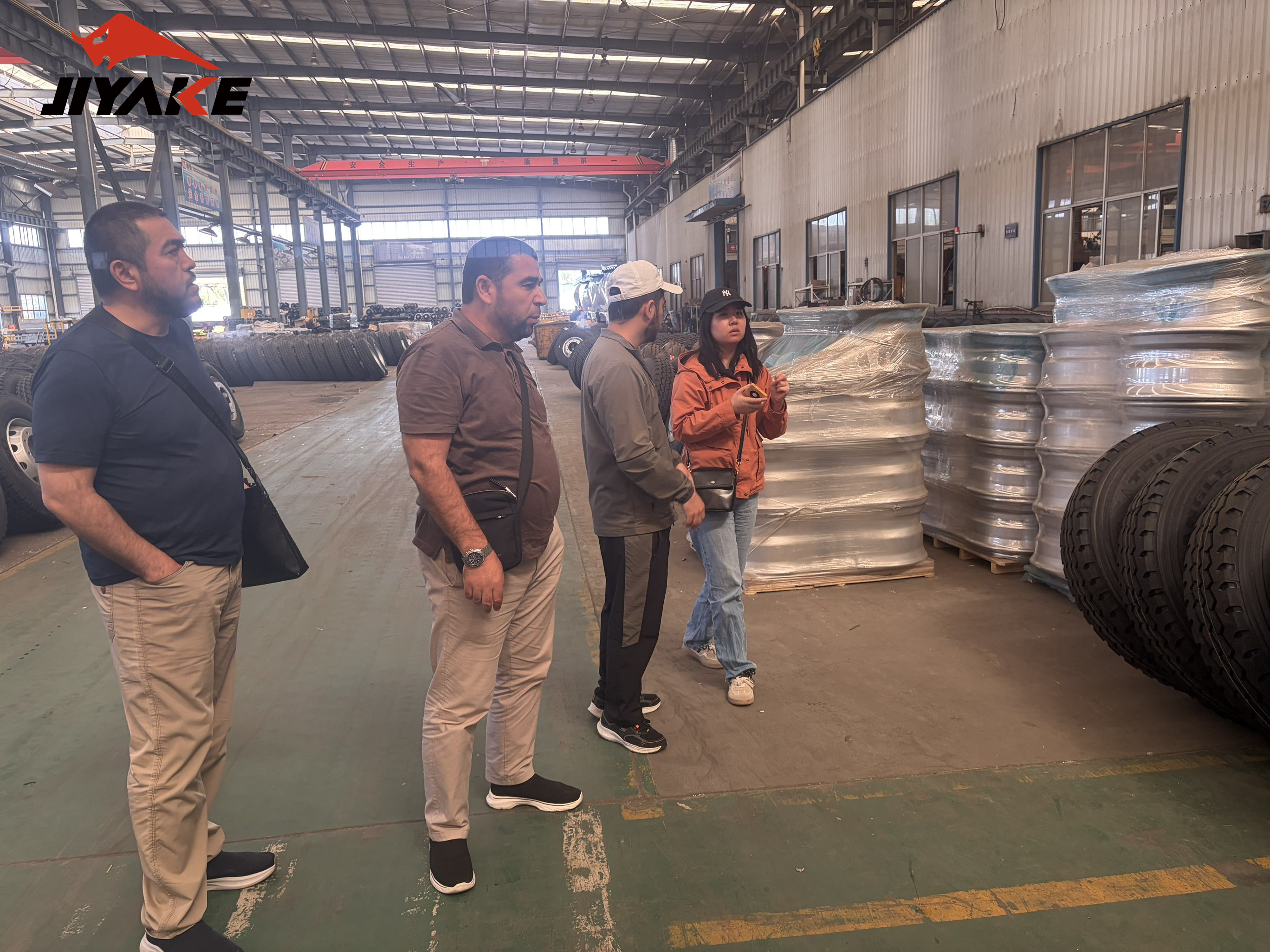
Do not rely on brochures alone. Walk the workshop and match the sales claim against what is physically visible on the floor.
Check plant size, workforce, machine condition, workflow layout, and output rhythm. These details reveal more than a presentation deck ever will.
For example, a manufacturer with a 300000m2 site, 500 employees, CNC cutting machines, automatic welding lines, and large bending equipment usually shows stronger scale discipline.
- Count active stations, not idle equipment.
- Compare daily throughput with stated monthly capacity.
- Ask which processes are in-house and which are outsourced.
- Review bottlenecks in welding, painting, and final assembly.
A dependable flatbed trailer factory should explain production constraints clearly. Vague answers usually point to planning weakness.
Inspect Quality Control Beyond the Checklist
Quality control is where many factory audits become too shallow. A certificate on the wall is not enough.
Look at incoming material inspection, weld consistency, dimensional checks, axle alignment, paint thickness, and final roadworthiness inspection.
Ask to see actual records from recent orders. Real documents expose whether the flatbed trailer factory runs a system or simply performs for visitors.
- Review raw material traceability by batch.
- Confirm welding procedures and operator qualifications.
- Inspect nonconformance logs and corrective actions.
- Check whether rework rates are measured weekly.
If possible, inspect finished units waiting for shipment. Uneven surfaces, inconsistent weld beads, and poor fit-up are immediate warning signs.
Verify Compliance and Export Readiness
A flatbed trailer factory may look strong locally but still fail international compliance requirements. That gap can delay customs clearance or project delivery.
Check export experience by region. A supplier serving Southeast Asia, Central Asia, and African markets often understands different road, axle, and documentation demands.
This is also the point to verify standards, VIN management, packing method, and spare parts support.
In actual procurement work, compliance failures often cost more than modest price differences between suppliers.
Assess Supply Chain Stability and Cost Control
A low quote from a flatbed trailer factory means little if material costs, component shortages, or weak scheduling cause repeated delivery slips.
Ask which parts are single-source. Focus on axles, tires, suspension, steel grades, electrical sets, and braking components.
Then review purchase planning. Strong factories usually track supplier lead times and keep safety stock for critical items.
This is where broader product capability can also be useful. A manufacturer producing semi-trailers, tankers, dump trucks, and special vehicles often has stronger sourcing leverage.
For instance, experience with HOWO 380HP Dump Truck configurations for construction and mining can indicate familiarity with rugged-duty components and payload planning.
- Request supplier lists for major components.
- Check recent lead-time performance by order.
- Compare quoted steel specs with actual usage.
- Ask how price changes are handled in long-term contracts.
Test Engineering Depth and Customization Ability
Long-term deals rarely stay with one exact trailer design. Market demands change, and specification updates happen.
A capable flatbed trailer factory should handle drawing revisions, axle repositioning, deck reinforcement, and local regulation changes without losing control.
Ask engineers to explain one recent customization case from start to shipment. Listen for practical detail, not polished slogans.
Factories that also work with high-strength steel applications and varied drive layouts usually adapt faster to special transport conditions.
That same engineering discipline appears in products like the HOWO 380HP Dump Truck, where payload, transmission matching, brake systems, and harsh-road performance must align.
Use a Practical Audit Scorecard Before You Decide
To compare suppliers fairly, convert audit findings into a weighted scorecard. This keeps decisions grounded in evidence.
A useful model can include production capacity, quality control, compliance, engineering response, delivery history, and total cost risk.
Do not let a flatbed trailer factory win only on price. The cheapest supplier often becomes the most expensive partner over time.
Before signing, request a pilot order, set measurable acceptance criteria, and tie future volume to actual performance.
That final step turns the audit from a paperwork exercise into a practical procurement control tool.
When a flatbed trailer factory can prove process discipline, export readiness, and stable execution, a long-term deal becomes much easier to justify.
Leave A Reply

First class quality service and professional after-sales team.
Get in Touch
*We respect your confidentiality and all information are protected.