




How to Verify a Skeleton Trailer Before Bulk Purchase
Why verify a skeleton trailer before placing a volume order?
A skeleton trailer may look simple, but bulk buying without verification creates hidden cost, downtime, and safety exposure.
The real question is not only price. It is whether the trailer can carry containers consistently under local road, load, and maintenance conditions.
In practical terms, checking a skeleton trailer before order confirmation helps validate frame strength, weld integrity, axle layout, and braking reliability.
It also reduces the risk of receiving units that meet drawing requirements on paper but fail during regular port, yard, or highway operations.
For manufacturers with integrated production capacity, verification should go beyond brochures. It should connect factory process, material traceability, and finished unit inspection.
That matters especially in heavy truck supply chains serving multiple export markets, where usage conditions vary sharply from Southeast Asia to Africa.
What should you check first on a skeleton trailer?
Start with the main frame. If the longitudinal beams and cross members are poorly selected, later checks become less meaningful.
Ask for the steel grade, beam dimensions, and thickness details. Then compare them with expected container weight and route conditions.
The next checkpoint is welding. Clean weld seams, even bead distribution, and no visible undercut usually indicate better process control.
Factories using CNC cutting and automatic welding equipment often deliver better consistency, especially when the order quantity is large.
It is also worth checking twist locks, landing gear, suspension brackets, king pin installation, and rear impact protection.
- Look for alignment between the king pin, axles, and frame centerline.
- Confirm the twist locks match the container sizes actually used.
- Inspect paint coverage on edges, welds, and hidden corrosion-prone areas.
- Check whether brake lines and electrical wiring are protected from debris impact.
How do you judge whether the axle and suspension setup is really suitable?
This is where many purchase decisions go wrong. A low price often hides an axle configuration that is acceptable only for lighter or smoother duty cycles.
A skeleton trailer used in port shuttling behaves differently from one covering long-distance mixed roads with overloaded return trips.
Check the rated axle capacity, suspension type, brake chamber brand, tire specification, and equalizer balance.
Mechanical suspension can be practical for rough roads and easier field maintenance. Air suspension may improve cargo protection and ride stability.
The better judgment method is to match the configuration with route reality, not with catalog language.
Are factory documents enough, or should you inspect production conditions too?
Documents are necessary, but they are not enough on their own. A skeleton trailer can pass a checklist and still show quality variation between batches.
A better approach is to inspect both the sample unit and the manufacturing process behind it.
That means reviewing material certificates, welding procedures, dimensional inspection records, and axle or component sourcing consistency.
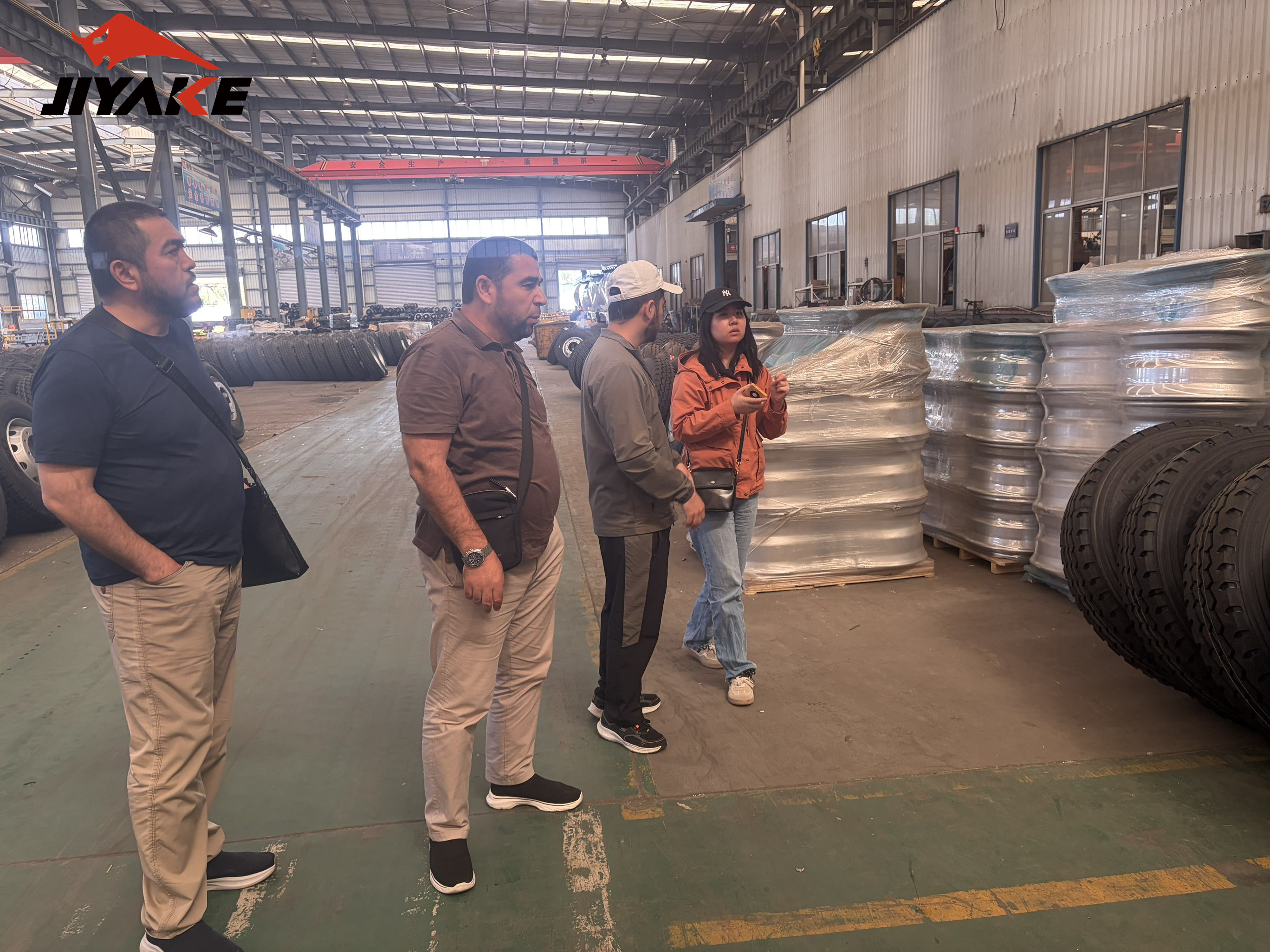
When a supplier operates large-scale facilities with cutting, bending, automatic welding, and specialized tank fabrication lines, it often signals broader process discipline.
Even if your target product is a skeleton trailer, cross-checking other heavy vehicle lines can still be useful.
For example, if a factory also builds units such as Water Truck models for construction sites, mining operations, and road maintenance, it suggests experience with load-bearing structures and field durability.
That should not replace inspection, but it can support confidence in production capability when combined with on-site verification.
Which mistakes usually increase procurement cost later?
The most common mistake is comparing only the unit price of the skeleton trailer while ignoring lifecycle cost.
A thinner frame, weaker landing gear, or lower-grade brake parts may save money at order stage and multiply repairs later.
Another frequent issue is failing to define the actual loading pattern. Empty return ratio, overload behavior, and container type all affect the right specification.
Some buyers also skip dimensional verification. That creates problems with container locking, turning radius, and legal road compliance.
The following quick reference helps separate cost-saving choices from cost-shifting choices.
What is a practical verification routine before final approval?
Keep the routine simple enough to repeat, but detailed enough to catch risk early.
- Freeze the required skeleton trailer specification before quotation comparison.
- Review drawings, material list, and compliance documents.
- Inspect one completed sample and one unit during production.
- Measure key dimensions, especially frame spacing and lock positions.
- Test braking response, light system, suspension travel, and landing gear operation.
- Record nonconformities and require closure before bulk release.
If the supplier offers other heavy-duty vehicles, such as a 6x4 tanker with Q235B carbon steel structure and 4mm to 5mm tank body sections, that manufacturing detail can provide another reference point for workmanship standards.
Still, the final decision should remain tied to the skeleton trailer itself, its duty cycle, and the consistency of the batch.
So, when is a skeleton trailer ready for bulk purchase?
A skeleton trailer is ready for volume purchase when the sample unit, production process, and component sourcing all tell the same story.
That story should include verified structural capacity, stable welding quality, suitable axle and suspension selection, and clear inspection records.
If one area remains uncertain, bulk ordering usually transfers risk from the supplier to your operation.
A disciplined pre-purchase review gives you a better basis for comparing offers, estimating maintenance cost, and avoiding expensive corrections after delivery.
The next step is straightforward: define your route conditions, confirm the skeleton trailer specification line by line, and use a repeatable inspection sheet before approving full production.
Leave A Reply

First class quality service and professional after-sales team.
Get in Touch
*We respect your confidentiality and all information are protected.