





How high should the sides of a fence cargo trailer be?
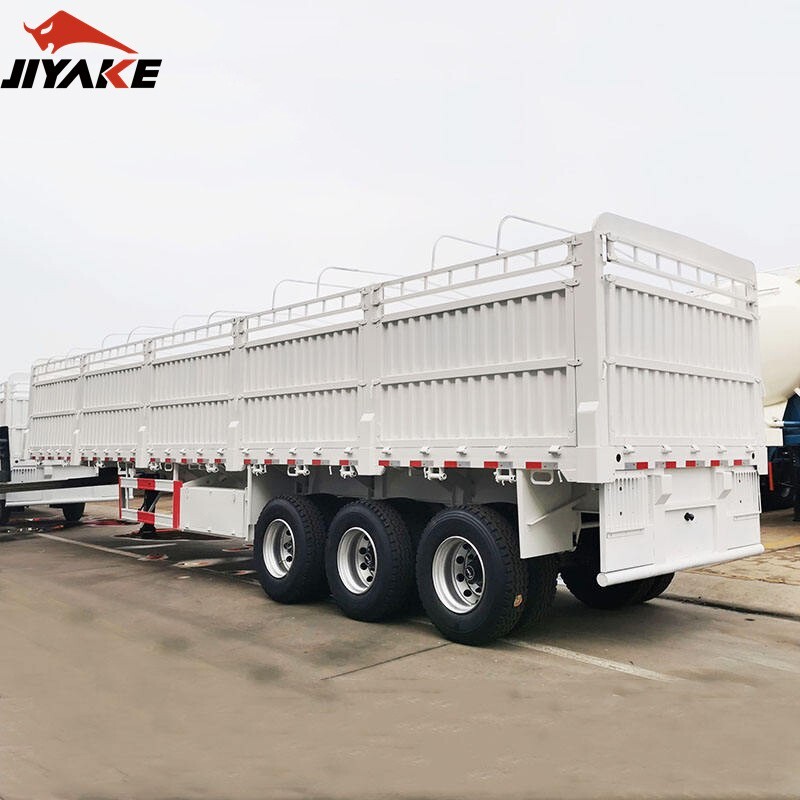
A fence cargo trailer does not have one universally correct side height. For dense or palletized cargo, a solid side wall of 600–800 mm can be a practical starting point when the load is independently secured. For lighter, bulky goods, a taller fence may be useful, with some configurations reaching about 2,000 mm above the deck. Neither height is automatically suitable: the cargo, loading method, structural rating and legal overall height determine the final choice.
When comparing a Fence Cargo Trailer for sale, distinguish the height needed to contain goods from the height needed to secure them. A fence can prevent items from falling sideways, but it does not necessarily replace rated restraints, a suitable headboard or a properly designed load-securing arrangement.
Choose the height around the load, not the trailer’s maximum volume
A 600 mm side wall is worth considering for low-profile loads such as palletized materials, machinery components or packaged goods that can be tied down independently. Its main advantage is access: lower sides make it easier to reach the deck with a forklift or loading equipment. It also reduces the amount of side structure carried on every journey. The limitation is that cargo stacked well above the wall needs its own effective containment and restraint; the wall alone cannot be assumed to hold the upper layers.
A wall around 800–1,000 mm gives more coverage for loose or packaged goods while retaining better side access than a full-height enclosure. This range can suit mixed cargo where some loads need greater lateral containment but frequent loading and unloading still matter. The correct wall height depends on the height and stability of the packages, as well as whether the wall is rated to withstand the forces the cargo can impose.
A fence approaching 2,000 mm above the deck is more relevant to bulky, lightweight goods that occupy space before reaching the trailer’s payload limit. It can also be part of a livestock body, although animals require a purpose-designed configuration rather than a general cargo fence alone. Taller sides add usable enclosure height, but the extra space has value only if the cargo can be loaded safely and the loaded vehicle remains within its permitted weight and dimensions.
These figures are selection starting points, not load ratings or regulatory limits. A tall fence with large gaps may be unsuitable for small loose goods, while a lower solid wall with appropriate covers and restraints may work better for a particular shipment.
Define exactly where the height is measured
Specifications can describe several different dimensions as “side height.” The solid lower wall may be 600 mm high, while a fence extension takes the total height above the deck to 2,000 mm. In another quotation, 2,000 mm may refer to the fence section alone. Those are materially different bodies.
Ask for a drawing that identifies the deck-to-top height, the solid wall height, any removable extension and the overall height from the ground in the specified operating configuration. Also identify whether the top rail, roof frame or cover support is included. Overall height can change with tyre size, suspension, coupling arrangement and loading condition, so it should not be calculated solely by adding fence height to a generic deck height.
For example, the available description of the 4 Axle Side Wall Semi Trailer includes a 600 mm side guard and a fence height that can reach 2,000 mm. These dimensions illustrate why the lower wall and total enclosure should be specified separately. Its supplied information also combines a four-axle product title with a three-axle technical description, so the axle configuration, dimensions and payload must be confirmed for the quoted unit rather than assumed from the listing.
Check whether the cargo needs containment, restraint or both
Side walls and fences perform different jobs depending on their construction. A solid wall may help contain granular or small packaged cargo, provided its joints and floor interface are suitable. An open fence can retain larger items but allows smaller pieces to escape through gaps. A liner, mesh, sheet or cover may be necessary, subject to the cargo and operating conditions.
Neither a taller wall nor a closer-spaced fence automatically provides adequate restraint under braking, turning or road vibration. The front structure, posts, hinges, latches and floor attachments all need to suit the intended forces. Ask the manufacturer what the body is designed to contain and whether there are documented structural ratings. Where those ratings are unavailable, do not treat the sides as rated load-restraint equipment.
For palletized goods, consider how straps, chains or other restraints will be attached and tensioned. A tall side may make access to anchor points more difficult. Cargo stacked above the top rail creates a further problem: even if its overall height is legal, the exposed portion needs an appropriate securing arrangement and protection against shifting or falling.
Account for loading access and operating height
A higher fence can reduce loading efficiency if forklifts must lift goods over the side instead of placing them directly on the deck. The required lift height includes the trailer deck, the side wall, the load and enough clearance for safe placement. Before specifying tall fixed sides, check forklift capacity at the required lift height and the available clearance inside warehouses or under loading canopies.
Opening or removable sides can improve access, but their benefit depends on how they are used. Large panels need safe handling, durable hinges and latches, and adequate space alongside the trailer when opened. Removable extensions also need a storage plan when not fitted. Confirm whether removing them affects the body’s structural integrity or the permitted operating configuration.
A taller load raises the center of gravity and can increase the consequences of load movement during cornering or evasive manoeuvres. Heavy items should not be placed high simply because the fence provides space. Secure the load according to its weight, shape and stability, and consider the route’s road conditions and clearance restrictions.
Balance enclosure height against payload and compliance
Additional posts, rails, panels and gates add unladen weight. That weight reduces the payload available within the vehicle’s applicable gross and axle limits. A taller body can therefore be a poor choice for dense cargo: the trailer may reach its legal weight limit long before the added volume is useful. Compare quoted tare weights for equivalent configurations, including extensions, gates and any required coverings, rather than comparing nominal side heights alone.
Legal height, width, axle-load and load-securing requirements depend on the countries and routes where the vehicle will operate. Check the applicable rules for the complete loaded combination, including tractor, trailer, cargo and any cover or frame. A manufacturer’s stated trailer height or payload does not by itself establish that the combination is legal on a particular route.
Livestock adds separate considerations: enclosure geometry, ventilation, flooring, gates, animal segregation and welfare requirements must be appropriate for the species and journey. A 2,000 mm fence height alone does not establish that a trailer is suitable or approved for carrying cattle, pigs or other animals.
The most useful purchase specification is therefore a measured operating requirement: cargo type and maximum loaded height, required side openings, deck-to-top dimension, restraint arrangements, tare-weight limit and destination-route constraints. Request a drawing and a written configuration from each supplier on the same basis. This makes it possible to compare the height actually delivered, rather than selecting a trailer on an ambiguous fence dimension.
Leave A Reply

First class quality service and professional after-sales team.
Get in Touch
*We respect your confidentiality and all information are protected.