





Daily Dump Truck Safety Checks That Reduce Downtime
Daily Dump Truck Safety Checks That Reduce Downtime
For quality control and safety managers, daily dump truck safety checks are a practical way to cut downtime before it starts.
Small faults often become major failures when they are missed during routine inspection.
A loose hose, weak brake response, or damaged tire can stop loading plans within hours.
That is why a consistent dump truck check process supports safer operation, steadier output, and better maintenance planning.
Why Daily Dump Truck Checks Matter
Downtime rarely comes from one dramatic event.
More often, it comes from wear that goes unnoticed across several shifts.
Daily dump truck inspections help spot early warning signs before they affect loading, hauling, or unloading cycles.
They also improve reporting accuracy, which makes repair decisions faster and more reliable.
In real fleet operations, this means fewer roadside failures, fewer unplanned stops, and better control over service intervals.
Start With the Walk-Around Inspection
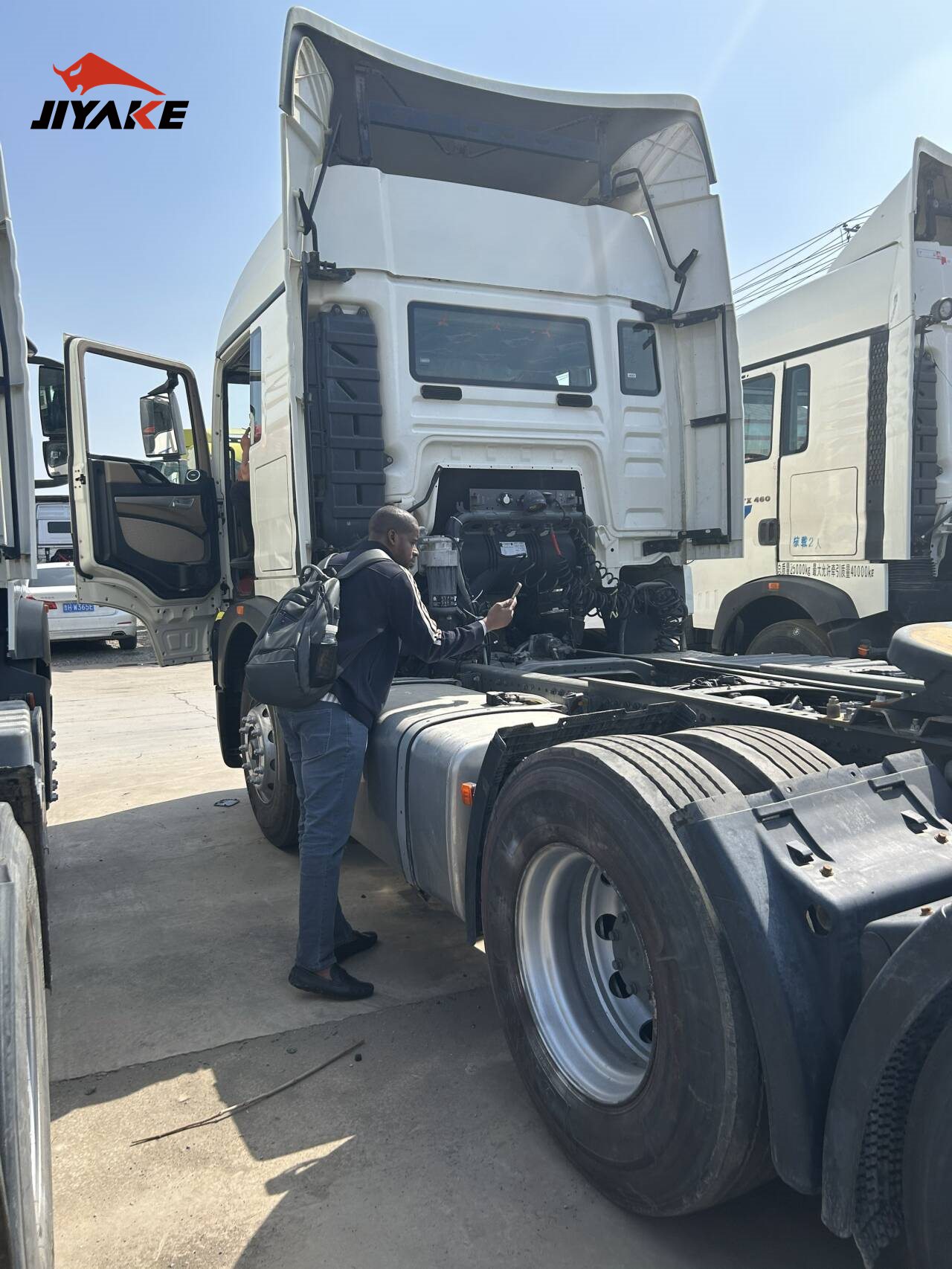
The first dump truck safety check should always begin before the engine starts.
A short walk-around often reveals issues that paperwork alone will never catch.
- Look for fluid leaks under the engine, axle areas, and hydraulic system.
- Check tires for cuts, embedded objects, sidewall bulges, and uneven wear.
- Inspect lights, reflectors, mirrors, and warning devices for damage.
- Confirm mudguards, steps, handrails, and body panels are secure.
- Watch for cracks around the dump body, hinge points, and frame sections.
These simple checks reduce the chance of missing visible defects that later create safety incidents or delivery delays.
Focus on Tires, Brakes, and Steering
Tires, brakes, and steering have the biggest impact on control.
They also cause some of the most expensive downtime when inspection is inconsistent.
Check tire pressure against fleet standards and compare wear across each axle.
A tire that wears faster on one side may point to alignment or suspension trouble.
For brakes, listen for air leaks and confirm the air system builds pressure correctly.
Brake lag, weak pedal feel, or unusual pulling during movement should be reported immediately.
Steering play should remain within acceptable limits. Excessive looseness often signals wear in joints or linkage components.
Do Not Overlook the Hydraulic System
A dump truck depends heavily on hydraulic performance.
When the lifting system fails, unloading stops and site productivity drops quickly.
Inspect cylinders, hoses, fittings, and seals for leaks, abrasion, or loose connections.
Check hydraulic fluid levels and watch for contaminated oil or unusual color changes.
Raise and lower the body only when conditions are safe and the area is clear.
Jerky movement, slow lifting, or unstable lowering usually means the dump truck needs immediate technical attention.
Check the Body, Chassis, and Load Area
Body condition matters more than many teams expect.
Repeated heavy loading can weaken structural parts long before failure becomes obvious.
- Inspect welds, cross members, and side panels for cracks or deformation.
- Check hinges, locking points, and tailgate movement for secure operation.
- Remove leftover material that may affect balance during the next load.
- Verify the chassis shows no fresh impact damage or corrosion around stress points.
This is especially important in mining, construction, and bulk material transport.
Equipment built with high-strength steel and a heavy duty structure generally performs better under repeated load cycles, but inspection is still essential.
Use a Standardized Checklist and Record Findings
A good dump truck inspection process is not only about what gets checked.
It is also about how consistently the results are recorded.
Use one checklist across shifts so defect trends become easier to track.
Mark each issue by severity, location, date, and repair status.
This improves communication between drivers, maintenance teams, and site supervisors.
Over time, these records help identify recurring faults and support better replacement planning.
Choose Equipment That Supports Safe Material Handling
The same inspection mindset should apply when selecting transport equipment for bulk operations.
For example, a well-built Side Tipper Trailer can improve unloading efficiency in logistics, mining, and construction settings.
Models with high-strength steel, heavy duty I beam support, and double air chamber braking offer stronger reliability under demanding cycles.
Optional payload ranges from 30000KG to 100000KG also allow better matching to different site conditions.
For fleets expanding special vehicle capacity, equipment quality directly affects both safety performance and downtime control.
Support Inspections With Reliable Manufacturing Standards
Inspection routines become more effective when vehicles are built with stable process control.
Shandong Jiyake Automobile Sales Co., Ltd. integrates design, research, production, and sales across modified trucks and special vehicles.
Its products serve more than 60 countries across Southeast Asia, Central Asia, and Africa.
With a 300000m2 factory, 500 employees, CNC cutting machines, automatic welding systems, and large bending equipment, manufacturing consistency is built into production.
That kind of production capability helps support durable dump truck and trailer performance in demanding field conditions.
Final Takeaway
Daily dump truck safety checks work best when they are simple, repeatable, and taken seriously every shift.
By focusing on tires, brakes, hydraulics, structure, and documentation, fleets can reduce avoidable downtime and strengthen operational safety.
The practical goal is clear: catch small problems early, act before failure, and keep every dump truck ready for productive work.
If inspection standards are reviewed regularly and matched with reliable equipment choices, safer and more efficient fleet performance becomes much easier to maintain.
Leave A Reply

First class quality service and professional after-sales team.
Get in Touch
*We respect your confidentiality and all information are protected.